Can You Freeze Uncooked Bacon? Storage Tips, Shelf Life, and More

November 11, 2026
Bacon is one of those foods that disappears fast when it’s in the fridge — and piles up when you buy it in bulk. If you’ve ever stared at a nearly full package wondering whether you’ll use it before it turns, you’re not alone. The average American consumes around 18 pounds of bacon per year, so it makes sense to stock up when prices are good. The freezer is the obvious solution, but a lot of people aren’t sure whether uncooked bacon actually freezes well.
The short answer is yes — with a few important caveats. Bacon’s high fat content means it behaves differently in the freezer than leaner meats, and how you wrap it makes a real difference in how it tastes when you pull it out weeks later. This guide walks you through everything you need to know, from wrapping techniques to thawing methods to knowing when to toss it.
Can You Freeze Uncooked Bacon?
Yes, you can freeze bacon. Bacon is made of cured pork meat and bacon fat, which help keep the taste and texture when it’s frozen. That combination of salt curing and fat content gives uncooked bacon a natural advantage when it comes to freezing — it holds up better than many other raw meats.
Because of the added salt and nitrite, bacon is far less perishable than other raw meat products. That said, the same fat that helps preserve texture can also work against you over time. Cured meats have a short shelf life, even in the freezer, because of the high fat content and the development of rancid flavors. Rancidity develops even in the freezer and the presence of the curing salts hastens its development.
The takeaway: freezing uncooked bacon is safe and practical, but it’s not a set-it-and-forget-it situation. You’ll want to follow the right steps to protect quality and use it within a reasonable window.
Pro Tip: If you open a package and know you won’t use all of it within a week, move the unused portion to the freezer right away — not a few days later. The fresher it goes in, the better it comes out.
Does Freezing Change the Texture or Taste of Uncooked Bacon?
Freezing does affect bacon, but the changes are manageable when you store it correctly. Since bacon has a lot of fat, the slices stay flexible and can be used even after being frozen. Fat protection means bacon fat helps preserve moisture and keeps bacon strips from drying out in the freezer.
The bigger risk to texture and flavor isn’t the freezing itself — it’s freezer burn. When freezing bacon, it’s important to wrap it tightly in plastic wrap or aluminum foil to prevent freezer burn. Freezer burn occurs when moisture evaporates from the surface of the food, causing it to become dry and discolored. To avoid freezer burn, make sure to remove as much air as possible from the packaging before freezing.
Time is the other factor. The longer you store it, the more the quality and flavor will deteriorate. Bacon frozen for one to two months and properly wrapped will cook up with minimal noticeable difference. Bacon that’s been in the freezer for four or more months may taste slightly off, even if it’s technically still safe to eat.
You can also check out our article on freezing fresh uncooked zucchini if you’re building out your freezer food storage routine.
How to Freeze Uncooked Bacon the Right Way
There are three practical methods for freezing raw bacon, depending on how you plan to use it. The goal with all three is the same: keep air out, keep slices accessible, and avoid a solid frozen brick you can’t break apart.
Method 1: Freeze the Whole Unopened Package
To freeze unopened bacon, overwrap the store package with heavy duty foil or other freezer wrapping, being sure to push all the air out of the package and tightly close the wrapping around the inside package. This is the fastest method, but it only works if you plan to use the entire package at once after thawing.
Method 2: Accordion-Fold with Wax Paper
This is the most popular method for people who want to grab individual slices. Lay out a big sheet of wax paper. You’ll be folding slices of bacon between this sheet of wax paper accordion-style. Lay a slice of bacon on the edge of the wax paper. Then, fold the wax paper over the bacon. Lay the next slice of bacon on top. Repeat the folding process until you’re out of bacon. Store your accordion-folded bacon in a gallon freezer bag. Pull out as many slices as you need without thawing the rest.
Method 3: Flash-Freeze Individual Coils
You can freeze individual slices of uncooked bacon by coiling the slices up so they look like snails. Once the bacon coils are solid, store them in a zip-top bag in the freezer. This method takes a couple of extra hours but gives you perfectly portioned, non-stick pieces you can grab one at a time.
Pro Tip: Always label your freezer bag with the date before it goes in. A strip of masking tape and a marker takes five seconds and saves you from playing the guessing game later.
Whichever method you choose, use plastic wrap or foil, then place bacon in a zip lock bag or freezer bag for protection. Extra sealing through vacuum sealing the bacon package reduces air exposure and prevents freezer burn.
How Long Can You Freeze Uncooked Bacon?
This is where you’ll find some variation depending on the source, and it’s worth understanding why. Because freezing keeps food safe indefinitely, recommended storage times are for quality only. In other words, bacon frozen beyond the recommended window won’t necessarily make you sick — it just won’t taste as good.
Here’s a practical breakdown of storage timelines from authoritative sources:
| Bacon Type | Freezer Storage (Best Quality) | Maximum Safe Storage |
|---|---|---|
| Unopened raw bacon | 1 month (Food Marketing Institute) | Up to 6 months |
| Opened raw bacon | 1 month | Up to 3 months |
| Cooked bacon | 1 month | Up to 6 months |
The Food Marketing Institute recommends a 1-month storage limit for unopened bacon. The National Center for Home Food Preservation’s maximum recommendation is 1 to 3 months for bacon and cured meats. According to the USDA, raw bacon that is frozen at 0°F can last in the freezer for 4 months.
The discrepancy between sources comes down to a quality vs. safety distinction. Even though frozen bacon remains safe indefinitely below −18°C, quality drops after about a month due to fat oxidation and freezer burn. For the best-tasting results, aim to use frozen uncooked bacon within one to two months.
How to Thaw Frozen Uncooked Bacon
How you thaw bacon matters just as much as how you freeze it. There are three safe ways to thaw bacon: in the refrigerator, in cold water, and in the microwave. Never defrost bacon on the kitchen counter or at room temperature.
- Refrigerator (best method): It’s best to plan for slow, safe thawing in the refrigerator. After defrosting bacon by this method, it will be safe in the refrigerator for 7 days before cooking.
- Cold water (faster method): You can accelerate the thawing process by submerging sealed bacon in cold tap water, changing the water about every thirty minutes to keep the process moving. Using warm or hot water can increase the risk of food poisoning, so make sure the water you use to defrost is cold.
- Microwave (quickest method): Meat and poultry can be thawed quickly and safely in the microwave oven, followed by immediate cooking, either in the microwave oven or by some other method. Because microwave ovens vary, check your manufacturer’s instructions for information on how to safely thaw in your microwave oven.
One more option worth knowing: frozen meat and poultry can also be cooked without thawing. Thin bacon strips in particular can go straight from the freezer to a skillet over low heat, which is a convenient option when you’re in a hurry.
Important Note: Never leave bacon out on the counter to thaw. Meat and poultry should never be thawed at room temperature. There is greater danger of bacterial growth and food spoilage for food thawed at room temperature.
Can You Refreeze Uncooked Bacon After Thawing?
The USDA allows refreezing bacon under specific conditions. If you decide not to use the bacon during the thaw period, you can safely refreeze it without cooking it first — but only if it was thawed in the refrigerator and has not been left out at room temperature.
That said, refreezing does affect quality. While freezing uncooked bacon is a smart way to extend its shelf life, refreezing it often comes with trade-offs. The changes in texture and flavor caused by the repeated freeze-thaw cycle can leave you with bacon that is less tender and less flavorful.
The smarter approach is to portion your bacon before freezing so you only thaw what you need. Bacon that has been refrozen and then thawed a second time should ideally be cooked immediately. It’s not recommended to refreeze it again after it has been thawed more than once, as the risk of bacteria growth and the loss of quality increases with each additional freeze.
How to Use Frozen Uncooked Bacon (Best Uses After Freezing)
Frozen bacon is just as versatile as fresh once it’s thawed — or even while it’s still partially frozen. You can cut bacon while it’s still frozen for easy, clean cuts. This is especially useful when you need small pieces for a recipe rather than full strips.
Here are some of the best ways to put frozen bacon to work in your kitchen:
- Classic breakfast: Thaw overnight in the fridge and cook in a skillet or bake in the oven at 375°F for crispy strips with minimal mess.
- BLT sandwiches and burgers: Thaw a few slices at a time using the cold water method when you need them quickly.
- Soups, stews, and chowders: Chop frozen bacon directly into small pieces and add to the pot — it thaws and renders as the dish cooks.
- Pasta dishes and salads: Don’t throw away any leftover cooked bacon from breakfast — chop it up for a crunchy topping to sprinkle on your salads or favourite pasta dish.
- Quiches, frittatas, and casseroles: Partially thawed bacon is easy to dice and fold into egg-based dishes before baking.
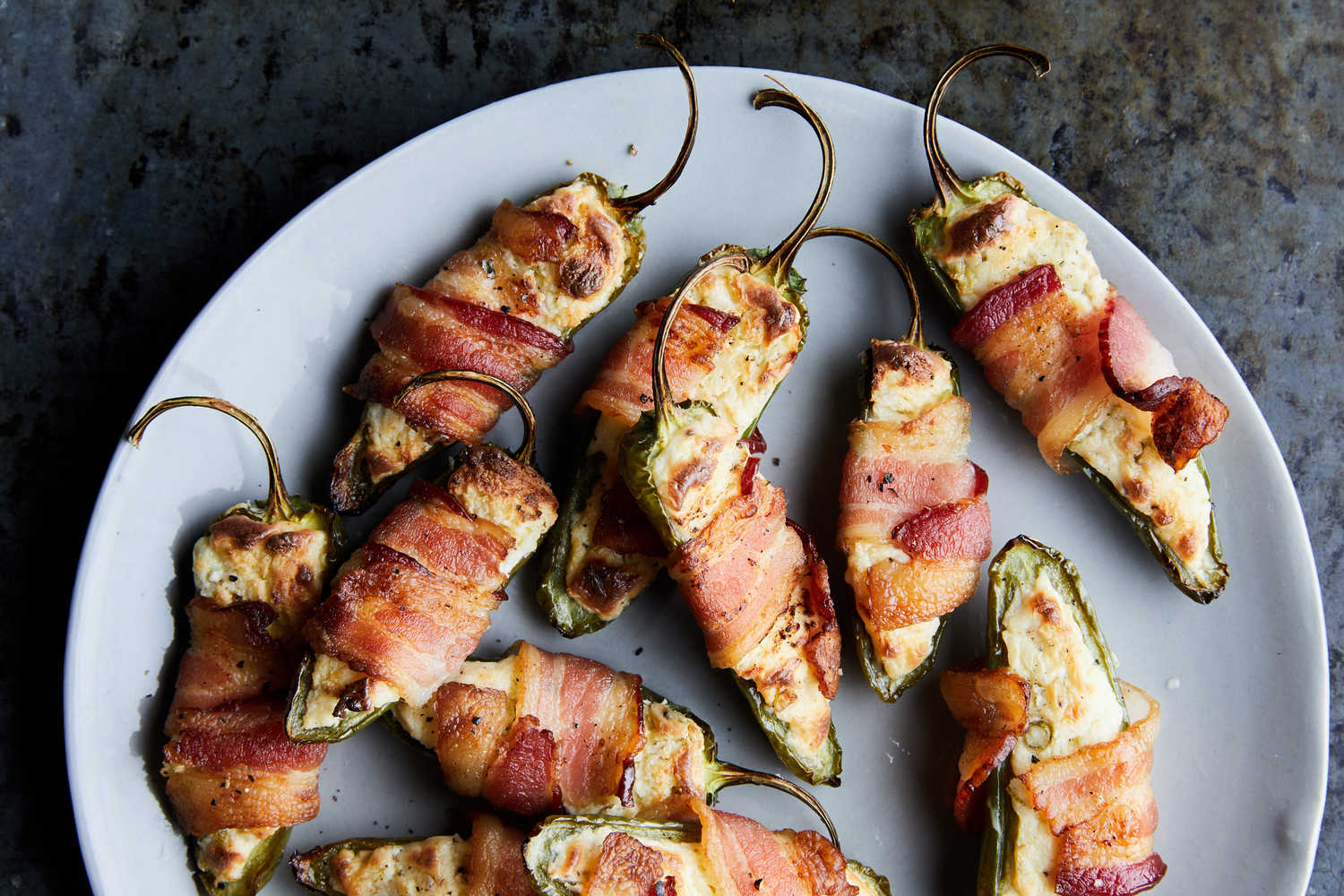
- Bacon-wrapped appetizers: Thaw fully in the refrigerator before wrapping around jalapeño poppers, dates, or shrimp for entertaining.
If you’re looking to round out your healthy eating habits alongside your meal prep, our guides on superfoods for a healthy heart and foods for healthy skin are worth a read.
Pro Tip: For homemade bacon bits, chop the bacon finely and open freeze it on a tray before bagging it up and storing in the freezer. These are perfect for topping baked potatoes, salads, or soups without needing to cook a whole batch.
Signs That Frozen Uncooked Bacon Has Gone Bad
Even properly frozen bacon can go bad, especially if it’s been stored too long or the packaging was compromised. Freezing simply slows down the chemical reactions that lead to spoilage — it doesn’t completely stop them. Here’s what to look, smell, and feel for before you cook it.
Smell
Bacon shouldn’t have a strong, rancid scent. If anything, it should smell a bit smoky. If you’re met with a sour or sulfuric odor, your bacon has likely gone bad. This is the most reliable indicator — trust your nose.
Texture
Uncooked bacon usually has a soft and firm texture. If you touch your bacon and it feels slimy, it’s an indication that bacteria have started breaking down the meat. To avoid any health risks, it’s best to discard slimy bacon. Freezer-burned bacon may feel dry, papery, or spongy instead — still unpleasant, but a different problem.
Color
Good bacon is pink and red marbled with white fat. Bacon that has turned greenish grey or orangish/brown has been oxidized and there are bad bacteria present. It should be tossed.
Freezer Burn
If the bacon shows signs of freezer burn — dry spots or discoloration — it is still safe to eat, but the quality may be affected. You can trim away the affected areas. Heavily freezer-burned bacon, however, will taste noticeably worse and is generally not worth cooking.
Mold
If your bacon has been sitting for a while or there was cross contamination with other food, it could start to grow mold. If your bacon has mold, odds are it is also slimy, smelly, and discolored. At that point, discard the entire package — do not attempt to cut around it.
When in doubt, throw it out. Consuming spoiled bacon can lead to food poisoning, causing symptoms such as nausea, vomiting, diarrhea, and stomach cramps. In severe cases, it can result in more serious health issues. Always err on the side of caution and discard any bacon that shows signs of spoilage.
For more on foods that support your overall health, see our articles on nutrients and foods that fight cancer and foods that enhance liver function.
Frequently Asked Questions
Can you freeze bacon still in the original store packaging?
Yes, but only for a short time. To freeze unopened bacon, overwrap the store package with heavy duty foil or other freezer wrapping, being sure to push all the air out of the package and tightly close the wrapping around the inside package. The original vacuum seal is not designed for extended freezer storage, so the extra layer of protection matters.
How long does bacon last in the fridge before you need to freeze it?
According to the USDA, once you open a pack of bacon, it can only be safely stored in the fridge for about one week. Raw bacon in original packaging lasts about one to two weeks in the fridge. If you know you won’t use it in that window, freeze it right away rather than waiting.
Can you freeze turkey bacon or Canadian bacon the same way?
Yes, the same methods apply. Turkey bacon can be baked as well, though you will want to watch the cooking time. Turkey bacon has less fat and cooks more quickly than pork bacon. The lower fat content in turkey bacon may mean it’s slightly more prone to drying out in the freezer, so double-wrapping is especially recommended. Other U.S. favorites include American-style Canadian bacon (round slices of pink meat from the loin), turkey bacon made from light and dark turkey meat, and beef bacon prepared from various beef cuts.
Is it safe to cook bacon directly from frozen?
Once your bacon pieces are properly frozen, you don’t need to waste time thawing them out before cooking. Their thin size allows them to crisp up even when covered in frost, and improperly thawing these popular meat strips can result in pathogens entering your food. Cook over low to medium heat and allow a little extra time for the strips to thaw and render as they cook.
Does bacon grease freeze well?
It does. Let the grease cool after cooking, strain out any solids, and pour it into a sealed container with a little room at the top since it expands slightly when frozen. Bacon grease can be stored in a container and kept in the refrigerator or freezer for cooking eggs, ham, turkey, or other meat dishes. It adds a lot of flavor to everyday cooking and is a staple in many American kitchens.
What’s the best way to use frozen bacon without wasting any?
Portion it before freezing. Divide a pound package of bacon into half portions or just a few slices before freezing. That way, you only thaw what you need and the rest stays frozen and fresh. Using the accordion-fold or coil method makes it easy to pull out exactly the number of strips you want without disturbing the rest. For more food storage ideas and healthy eating inspiration, explore our guides on whole plant-based foods and the pros and cons of eating seafood.