
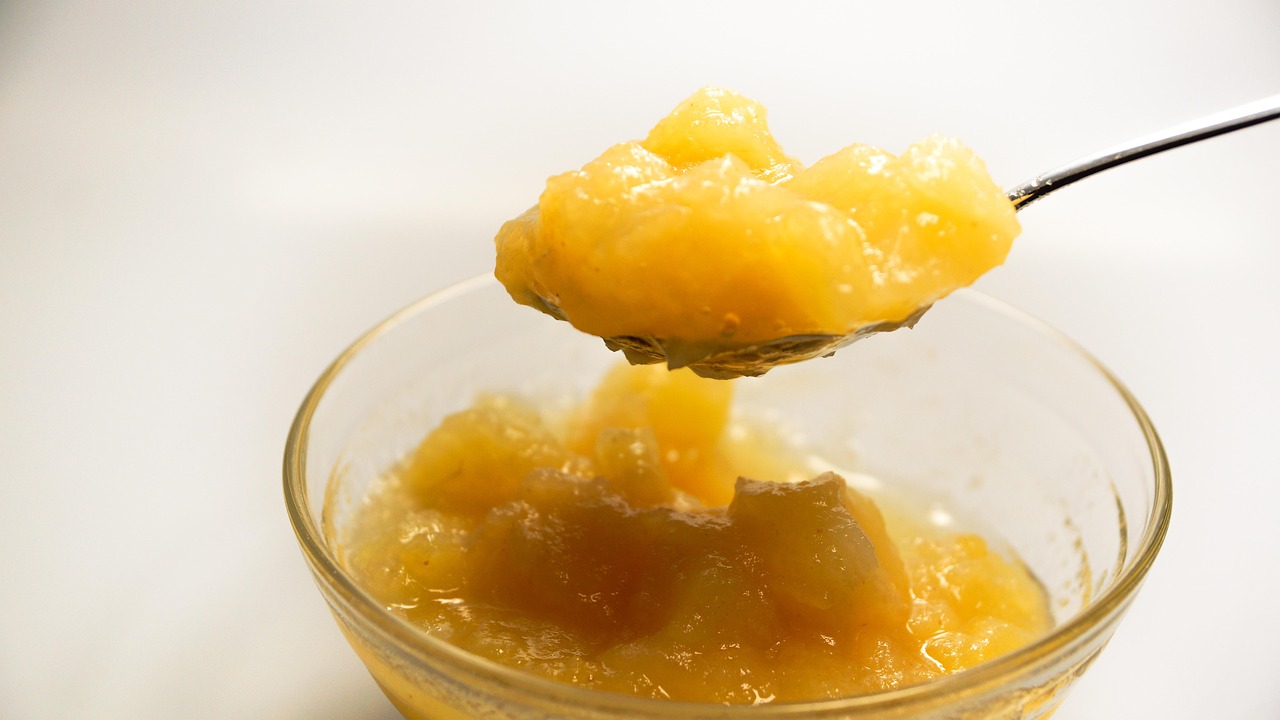
Applesauce is one of those pantry staples that tends to pile up fast — a big batch from fall apple-picking, a bulk buy at Costco, or a few open jars with nowhere to go. If you’ve ever stared at more applesauce than you can eat in a week, you’ve probably wondered whether the freezer is a viable option.
The short answer is yes. You can freeze applesauce, and it’s one of the easiest fruit-based foods to preserve. Its smooth texture and high moisture content help it hold up well in the freezer. Whether it’s homemade or store-bought, sweetened or plain, freezing applesauce is a practical way to cut waste and keep a useful ingredient on hand year-round.
This guide walks you through everything — from how freezing affects flavor and texture, to the best containers to use, how long it keeps, and what to do with it once it thaws.
Can You Freeze Applesauce?
Yes, you can freeze applesauce to extend its shelf life and save preparation time — just make sure to protect it from air and moisture to prevent freezer burn. This applies to both homemade batches and store-bought jars.
Freezing works for both store-bought and homemade applesauce, whether it’s sweetened or unsweetened. Portioning it into freezer-safe containers or bags makes it easy to grab just what you need without thawing the entire batch.
There are a few practical reasons to freeze applesauce rather than letting it sit in the fridge:
- Reduce food waste — use up a large homemade batch or an open jar before it spoils
- Batch cooking convenience — you can buy a big carton or cook up a large pot of sauce and freeze it for later
- Portion control — freeze in the exact amounts you’ll actually use, from single-serving cups to baby food cubes
- Seasonal preservation — lock in the flavor of fresh fall apples to enjoy through winter and spring
Pro Tip: If you’re freezing store-bought applesauce that came in a glass jar, don’t freeze it in the original container. Store-bought applesauce can be frozen straight in its container if it’s plastic, but glass jars should be emptied into freezer-safe containers first.
Does Freezing Change the Texture or Taste of Applesauce?
Taste holds up well — but texture is where you’ll notice a difference. You might notice slight changes in texture once it’s thawed — it can become a bit more watery or separated. This isn’t a problem for cooking, baking, or blending into smoothies, but it’s something to keep in mind if you plan to eat it straight from the jar.
When properly frozen and thawed, applesauce maintains its smooth, rich texture overall. It’s important to note, however, that applesauce might become a bit more watery upon thawing, but a quick stir should easily restore its original consistency.
Sweetened store-bought applesauce usually fares a bit better, as the added sugar helps maintain texture during freezing. Homemade, unsweetened varieties tend to separate slightly more.
One more thing worth knowing: if you added spices to your applesauce, like cinnamon or nutmeg, those flavors will become stronger after freezing. Some cooks intentionally hold back on spices before freezing and add them fresh after thawing.
Key Insight: If the extra water after thawing bothers you, you can strain the excess using a fine-mesh strainer. This works especially well if you’re using the applesauce in baked goods.
How to Freeze Applesauce the Right Way
The process is straightforward, but a few details make a real difference in quality. Follow these steps to get the best results.
- Cool it down first. Freezing homemade applesauce while still warm will cause large ice crystals to form, which will cause freezer burn, ruining the texture and flavor. Let it reach room temperature before packing.
- Choose the right container. Applesauce can be frozen in freezer-safe canning jars (ones with straight sides), glass food storage containers, rigid plastic food storage containers, silicone food cube trays, or in zip-top freezer bags.
- Leave headspace. Leave 1.5 inches of space at the top of the container or Mason jar to let the frozen applesauce expand. Skipping this step can crack containers or burst bags.
- Remove excess air. Remove excess air from bags to avoid freezer burn. Press bags flat before sealing so they stack neatly.
- Label everything. You may think you’ll remember that you stashed applesauce in the freezer, but you won’t. Label it so that in 3 months, you aren’t wondering what this brown goo is in a jar.
- Freeze flat (for bags). Place your applesauce bags in the freezer flat so they can freeze evenly. Once frozen, feel free to stand the bags up to make the most of your freezer space.
For small portions — like baby food or recipe add-ins — pour the applesauce into ice cube trays and place them in the freezer. Once fully frozen, pop the cubes out and place them in resealable freezer bags, pressing out any excess air before sealing.
Pro Tip: If you’re using Mason jars, only use straight-sided freezer-safe jars — not the ones with “shoulders” that taper near the top. Not all canning jars are safe for freezing. You’re looking for ones with straight sides, and it’ll say it’s freezer safe on the box.
How Long Can You Freeze Applesauce?
Sources vary slightly on the exact window, but the general consensus is that applesauce stays at peak quality for up to a year in the freezer when stored properly. Here’s a quick breakdown:
| Storage Method | Estimated Quality Window | Notes |
|---|---|---|
| Freezer bags (air removed) | Up to 12 months | Best for bulk storage; stack flat to save space |
| Freezer-safe containers | 8–12 months | Leave headspace for expansion |
| Ice cube trays (then bagged) | 6–9 months | Ideal for baby food or recipe portions |
| Glass jars (freezer-safe) | Up to 12 months | Thaw in fridge only; temperature shock can shatter glass |
Applesauce can be frozen for up to a year while maintaining its quality. While it’s still safe to eat beyond this point, you may notice a decline in its flavor and texture.
Frozen applesauce will retain good quality for 6 to 9 months in the freezer. The quality will decline the longer the applesauce is kept in the freezer beyond this time. For best results, aim to use it within that window and rotate older batches to the front.
How to Thaw Frozen Applesauce
How you thaw applesauce depends on what you’re using it for and how much time you have. There are three main options:
Refrigerator (best method): Transfer the frozen applesauce from the freezer to the refrigerator for slow, safe thawing. This method is recommended as it maintains the texture of the sauce. Plan for several hours or overnight. Thaw frozen applesauce in the refrigerator overnight and use it within 5–7 days.
Microwave (quick method): If you’re in a hurry, you can defrost applesauce in the microwave. Just remember to stir it occasionally for even thawing. Use short 30-second intervals to avoid hot spots.
Countertop: Small portions in freezer bags can thaw at room temperature in about an hour. However, if you’re thawing applesauce for a baby or young child, skip the counter method entirely. Letting applesauce come to room temperature on the counter increases the risk of bacterial contamination. Bacteria can multiply fast at room temperature.
For glass jar storage specifically, if you’re defrosting applesauce in a glass jar (Mason jar), let it thaw in the refrigerator. A major change in temperature may cause the jar to shatter.
Once thawed, give the applesauce a good stir to bring the texture back together. If it seems too watery, a fine-mesh strainer will help. You can also check out our guide on freezing applesauce for babies for age-specific thawing tips.
Can You Refreeze Applesauce After Thawing?
Technically yes, but it’s not a great idea. Technically, you can refreeze applesauce that has been thawed, but it will lose taste and texture. For best results, don’t refreeze the applesauce.
The reason comes down to how freezing works at a structural level. Each freeze-thaw cycle causes more ice crystals to form and break down the cell structure of the fruit, making the sauce progressively waterier and less flavorful. By the second thaw, the texture difference is noticeable enough to matter in most uses.
The best way to avoid this situation is to freeze in single-use portions from the start. It’s best to freeze applesauce in the portions that you will use later. If you’ve got several kids in the house, freezing the sauce in 2-cup portions may work well, but you might also consider smaller portions, such as 2 tablespoon, ¼ cup, and ½ cup portions.
Important Note: If you need to repackage a large frozen batch into smaller containers, try to do it while the applesauce is still partially frozen — not fully thawed. If it’s still icy when you repackage, that may get you better results.
For more details on freezing store-bought varieties specifically, see our article on freezing shop-bought applesauce.
How to Use Frozen Applesauce (Best Uses After Freezing)
Thawed applesauce is just as useful as fresh — sometimes more so, because it blends seamlessly into recipes where a slight change in consistency doesn’t matter at all. Here are the best ways to put it to work:
Baking: Applesauce is one of the most versatile baking substitutes in American home cooking. Applesauce is a healthy substitute for honey. It makes a great baking substitute for vegetable oil. And it’s a decent vegan butter substitute in a pinch. Use it in muffins, quick breads, pancakes, and cakes — the slightly thinner post-thaw consistency actually blends in better.
Smoothies: Frozen applesauce can be added to smoothies for a boost of extra flavor and fiber. Toss a cube or two in directly from frozen — no thawing needed.
Oatmeal and yogurt: You can stir it into oatmeal, yogurt, or sauces for a natural sweetness boost. It’s especially good in overnight oats or warm stovetop oatmeal.
Savory pairings: From accompanying pork chops to a snack on its own, applesauce is a versatile, delicious staple in many households. Thawed applesauce works just as well as fresh alongside roasted pork, chicken, or potato pancakes (latkes).
Baby food: Portioned cubes thaw quickly in the fridge and make convenient single-serving baby food. Just make sure to thaw in the refrigerator rather than on the counter for safety reasons. Learn more in our guide on freezing applesauce for babies.
Frozen treat: Applesauce is delicious partially frozen, almost like a slushy. Pull it from the freezer 20–30 minutes before serving for a refreshing snack on a hot day.
Applesauce is also a nutritious addition to a health-conscious diet. If you’re interested in how specific foods support your health, our articles on superfoods for a healthy heart and whole plant-based foods offer useful context.
Signs That Frozen Applesauce Has Gone Bad
Frozen applesauce stored at a consistent 0°F is technically safe indefinitely, but quality degrades over time and it can still go bad if improperly stored. Before using any thawed applesauce, run through these checks:
- Mold or discoloration: Any visible mold or discoloration is a clear indicator that your applesauce should be thrown out.
- Off smell: A sour or fermented odor is a sign of spoilage. Fresh applesauce smells sweet and mildly tart — anything sharp or funky means discard it.
- Unusual taste: If the flavor of the applesauce has significantly changed, it’s best to discard it.
- Severe texture change: Some wateriness after thawing is normal and fixable with a stir or strainer. But if the applesauce has become overly watery or has an unusual texture, it’s time to let it go.
- Freezer burn: Freezer burn occurs when the applesauce is exposed to air, causing the formation of ice crystals on the surface. This can lead to a loss of flavor and texture, and can also make the applesauce more susceptible to contamination. Heavily freezer-burned applesauce is safe to eat but tastes noticeably flat — best used in baked goods where it will be masked by other flavors, or discarded if the damage is extensive.
Important Note: Always use clean utensils when scooping thawed applesauce. To avoid introducing bacteria, only dip clean utensils into the applesauce. Double-dipping with a used spoon is one of the fastest ways to shorten its shelf life after thawing.
Proper food storage habits extend well beyond applesauce. If you’re building out your knowledge of nutrition and food safety, our guides on foods that support liver function and nutrients that fight cancer are worth a read.
Frequently Asked Questions
Can You Freeze Homemade Applesauce?
Yes. Freezing applesauce is a fantastic way to preserve its fresh flavor and make the most of your apple harvest. When you freeze homemade applesauce, you can enjoy it for up to a year while preventing waste. Cool it completely first, then pack it into airtight containers or freezer bags.
Can You Freeze Store-Bought Applesauce?
When you freeze homemade applesauce you get to enjoy it for a longer amount of time, but you can also extend the life of store-bought applesauce by tucking it away in the freezer. Just transfer it from glass jars to freezer-safe plastic containers before freezing. For a deeper dive, see our article on whether you can freeze shop-bought applesauce.
How Long Does Thawed Applesauce Last in the Fridge?
Thaw frozen applesauce in the refrigerator overnight and use it within 5–7 days. Keep it in a sealed container and store it toward the back of the fridge, where temperatures stay most consistent.
Does Applesauce Expand When Frozen?
Yes. Like most water-based foods, applesauce expands as it freezes. Leave about ¾ inch of headspace for expansion in rigid containers, and at least 1.5 inches in Mason jars. For freezer bags, leave a few inches at the top before sealing.
Can You Freeze Applesauce in Ice Cube Trays?
Absolutely — it’s one of the most practical methods. The best way to freeze a small amount of leftover applesauce is in ice cube trays. Simply pour your applesauce into the wells of the tray, freeze, then transfer the cubes to an airtight container or freezer bag. Each cube equals roughly 2 tablespoons — perfect for smoothies, oatmeal, or baby food portions.
Is Frozen Applesauce Still Nutritious?
Yes. Freezing preserves nutrients well because it prevents the growth of microorganisms and slows down the oxidation process. The fiber, vitamins, and antioxidants in applesauce remain largely intact through freezing and thawing. Applesauce is a low-calorie food that’s rich in antioxidants, supports digestion, and may reduce the risk of diabetes. Those benefits carry through to frozen and thawed versions as well.