
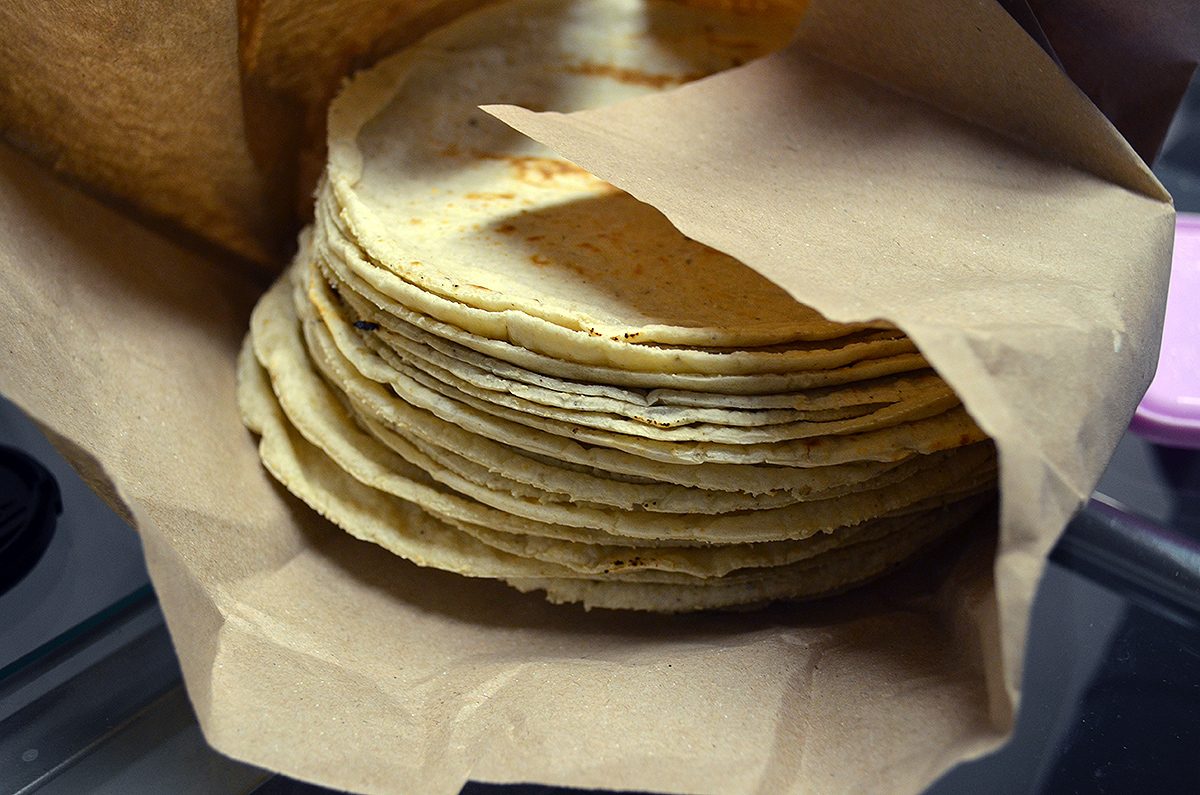
Tortillas are a staple in American kitchens — whether you’re building breakfast burritos on a weekday morning, rolling up lunch wraps for the kids, or loading up taco night on a Friday. But a pack of 20 goes fast only when you actually use them, and letting half a bag go stale in the fridge feels like a waste every time.
The good news: freezing tortillas is one of the easiest food storage wins you can pull off. Both flour and corn tortillas freeze well, and with the right technique, they come out of the freezer tasting almost exactly as they went in. This guide walks you through everything — how to freeze them, how long they last, how to thaw them, and what to do when something goes wrong.
Can You Freeze Tortillas?
Yes, tortillas freeze surprisingly well. Both flour tortillas and corn tortillas can be stored in the freezer for 6–8 months without losing much quality. That makes them one of the more freezer-friendly pantry staples you can buy.
Tortillas are one of the most freezer-friendly baked goods out there: as long as they’re properly wrapped, they’ll maintain their flavor and texture excellently for up to 6 months. The key phrase there is “properly wrapped” — skipping that step is where most people run into trouble.
Tortillas from the grocery store often contain preservatives and last longer than homemade tortillas. For longer-term storage, you can freeze both cooked and uncooked tortillas. So whether you picked up a bulk pack at Costco or made a fresh batch from scratch, the freezer is your best option for keeping them usable beyond a few days.
Pro Tip: Freeze tortillas as soon as you know you won’t use the whole pack. The fresher they go in, the better they come out.
Does Freezing Change the Texture or Taste of Tortillas?
For the most part, no — but the type of tortilla matters. How tortillas are stored and frozen affects how they feel and taste after being thawed. Corn tortillas may crack more easily, especially if you roll them. Flour tortillas have a more flexible and forgiving texture.
Flour tortillas are soft, pliable, and buttery — basically built for freezing. Once thawed, they bounce back to that perfectly foldable texture you want. Corn tortillas, on the other hand, are a little more delicate. They’re thinner, can dry out faster, and need a little extra care.
For best results, allow fresh corn tortillas to cool to room temperature before placing them in the freezer or refrigerator. When exposed to a sudden temperature drop, the texture of warm tortillas degrades, and you can lose the fresh flavor of the masa. This applies to homemade tortillas in particular — store-bought versions handle the cold transition more reliably because of their preservative content.
Freezing can change the texture of homemade tortillas, especially if moisture escapes and they get dry spots, but proper method and ingredients help improve the experience. The takeaway: store-bought tortillas freeze with almost no noticeable change; homemade ones need more careful handling.
How to Freeze Tortillas the Right Way
The method you use depends on whether the package is still sealed, already opened, or homemade. Here’s how to handle each situation.
Unopened Store-Bought Tortillas
If the tortillas are unopened in a sealed plastic bag, you can place the whole pack right in the freezer. Frozen tortillas become brittle, so keep them flat and don’t top them with heavy items that could crack them.
Opened Packages
You can freeze tortillas in their original packaging if the package is unopened. Once opened, it is better to move them into a freezer-safe bag or wrap them tightly to protect them from drying out.
- Take the tortillas out of the packaging and slip a piece of parchment paper in between each tortilla.
- Transfer the whole stack to a freezer bag, pressing as much of the air out as you can.
- Label the package with the date and number of tortillas. Remove excess air from the packaging if there is any, check the seal, and place in the freezer.
Homemade Tortillas
If you make your own tortillas, let them cool completely before freezing to prevent moisture buildup, which can lead to freezer burn. To freeze homemade corn tortillas, portion them into stacks of five to ten tortillas. Wrap each stack of tortillas tightly in cling film or aluminum foil before placing them in an airtight container or resealable plastic bag.
You can also freeze uncooked, pressed tortillas. Keep them between sheets of parchment paper or wax paper to prevent sticking. Stack the tortillas in groups of ten and seal them in an airtight freezer bag for easy, pre-portioned, ready-to-cook batches. Defrost the tortillas at room temperature, then cook them for 30 seconds per side on a cast-iron skillet, griddle, or comal.
Pro Tip: Freeze tortillas in meal-sized batches — groups of four to six — so you only thaw what you need without repeatedly exposing the rest to temperature changes.
How Long Can You Freeze Tortillas?
Shelf life in the freezer varies by type and packaging. Here’s a quick reference:
| Tortilla Type | Freezer Life | Fridge Life |
|---|---|---|
| Store-bought flour tortillas (sealed) | Up to 6–8 months | 3–4 weeks |
| Store-bought corn tortillas (sealed) | Up to 6–8 months | 6–8 weeks |
| Opened flour or corn tortillas | Up to 3 months (best quality) | 3–7 days |
| Homemade tortillas | 2–3 months (best quality) | 5–7 days |
The flavor and texture of tortillas will begin to degrade slightly after 6 months. Longer storage is possible, but for optimal taste, aim to use frozen tortillas within about two months.
Store-bought tortillas generally have many more preservatives in the recipe and survive better in the freezer over a longer period of time compared to homemade versions. For homemade tortillas, use within two to three months for the best texture.
How to Thaw Frozen Tortillas
The way you thaw tortillas can affect how soft and flexible they remain. You have three main options depending on how much time you have.
Counter Thaw (Fastest for Small Batches)
Take the tortillas out of the freezer and leave them at room temperature. Smaller portions usually thaw within one to two hours. Once softened, use them soon after to maintain freshness. According to Delicious on a Dime , corn tortillas thaw completely in as little as five minutes on the counter, and an entire package of flour tortillas can be defrosted by letting it sit at room temperature for about one hour.
Refrigerator Thaw (Best for Overnight Prep)
Place the tortillas on a plate or tray and let them thaw slowly inside the refrigerator. This method works well if you are planning meals ahead. Depending on the stack size, thawing may take several hours or overnight. Thawing slowly in the fridge helps preserve more moisture and flavor than quicker methods.
Microwave (When You’re in a Hurry)
Remove tortillas from freezer packaging and place them on a microwave-safe plate. Cover with a slightly damp paper towel to prevent drying out. If you have trouble separating individual tortillas from a frozen stack, wrap them in a paper towel and steam them in a microwave for twenty seconds to loosen.
Be careful not to overdo it. If you heat them too quickly, they can become soggy in the microwave. They may also tear or rip easily, and mush together if defrosted too rapidly.
Pro Tip: You don’t always need to fully thaw tortillas before heating. Tortillas don’t have to be totally thawed for you to toast them — once you can pull them apart easily, you can finish heating them in a hot pan.
Can You Refreeze Tortillas After Thawing?
Refreezing tortillas is possible, but it may affect texture over time. Repeated freezing and thawing can make them dry or crumbly. For better quality, try to freeze portions you know you will use in one go.
Refreezing tortillas is safe if they were thawed in the refrigerator and not left out too long. The food safety concern isn’t the refreezing itself — it’s how long the tortillas sat at room temperature during the thaw. If you thawed them in the fridge and they never hit room temperature for an extended period, refreezing is generally fine. The quality just won’t be as good as the first freeze.
The smarter move is to freeze in small batches from the start so you’re never in a position where you need to refreeze. Portioning into stacks of four to six tortillas before they go in the freezer makes it easy to pull out exactly what you need.
How to Use Frozen Tortillas (Best Uses After Freezing)
You can use defrosted tortillas for pretty much anything you would normally use tortillas for. White and whole wheat tortillas work great for lunch wraps, quesadillas, soft shell tacos, fajitas, enchiladas, and burritos. Corn tortillas are well-suited for tacos, taquitos, and homemade tortilla chips.
Freezing is an excellent way to extend tortillas’ shelf life and allows you to make last-minute tacos al pastor, burritos, fajitas, quesadillas doradas, taquitos, or chicken enchiladas. Having a stash in the freezer also makes weeknight meal prep significantly easier — you’re never caught without a base for dinner.
If some of your tortillas come out of the freezer slightly cracked or torn, don’t throw them away. The thawing process can leave one or two tortillas slightly dried out and more likely to tear or crack. Set any that break aside for recipes that call for ripping them up anyway, like migas or chilaquiles. You can also use broken pieces for tortilla soup or as a crunchy topping for salads and bowls.
If you’re looking for nutritious meal ideas to pair with your tortillas, consider filling them with whole plant-based foods for a balanced, satisfying meal, or explore ingredients that support healthy skin and overall wellness.
Key Insight: You can also cut tortillas into quarters before freezing for future nachos, guacamole-worthy tortilla chips, or other dishes. Pre-cutting saves time and lets you use them straight from the freezer.
Signs That Frozen Tortillas Have Gone Bad
Even in the freezer, tortillas can eventually go bad — or simply degrade past the point of being enjoyable. Here’s what to look for before you eat them.
- Mold: The most conspicuous sign is patches of mold, but tortillas might also feel slimy and smell rancid from sitting in excess moisture.
- Freezer burn: White or grayish dry patches on the surface indicate freezer burn. The tortillas are still safe to eat but will taste dry and bland.
- Off smell: If tortillas aren’t fresh, they might smell bad, dry out, or grow mold. Trust your nose — a sour or stale odor means they’re past their prime.
- Excessive cracking: They are too dry if they break when you fold or pull them. A little cracking after freezing is normal, but if the whole tortilla shatters, the quality has degraded too far.
- Stale taste: A good corn tortilla should have a distinctive fresh corn flavor, while a flour tortilla should be mild and lightly nutty. If yours taste flat or cardboard-like, they’ve been in the freezer too long.
If tortillas show signs of mold, sliminess, or rancid smell, toss the batch. When in doubt, it’s not worth the risk — a fresh pack is inexpensive compared to getting sick.
Proper storage habits — airtight bags, parchment between layers, a written date on the package — go a long way toward avoiding spoilage. Eating well starts with knowing what’s in your freezer and when it went in. For more guidance on foods that support your health or heart-healthy eating, those habits extend well beyond tortilla storage.
Frequently Asked Questions
Can You Freeze Homemade Tortillas?
Yes, homemade tortillas freeze well when stored properly. Allow them to cool completely first, then stack them with parchment paper in between. Store them in a sealed bag or airtight container to maintain softness and prevent sticking. Use homemade tortillas within two to three months for the best texture.
Can You Freeze Corn Tortillas?
Like flour tortillas, corn tortillas are freezer-friendly. You can freeze corn tortillas the same way you freeze flour tortillas, in their original packaging or a zip-top freezer bag. Just be aware that corn tortillas are more prone to cracking, so the parchment paper step is especially important for them.
Do Tortillas Need to Be Thawed Before Cooking?
Not always. When you are ready to use them, they can be reheated directly from frozen in a pan, oven, or microwave. For corn tortillas specifically, if reheating from the refrigerator, sprinkle them with a few droplets of water before placing them on a comal or griddle to reheat; if coming from the freezer, simply place them directly on the comal.
How Do You Keep Tortillas from Sticking Together in the Freezer?
To minimize breakage and sticking, place a sheet of parchment paper between each tortilla before freezing. This makes it easier to take out only the number you need without damaging the rest. This step is quick and makes a noticeable difference when you’re trying to pull out just one or two at a time.
Can You Freeze Whole Wheat or Spinach Tortillas?
Yes. Whole wheat or spinach tortillas keep well in cold storage for up to three weeks in the refrigerator, and they freeze using the same method as standard flour tortillas. Wrap them in parchment, seal in a freezer bag, label with the date, and store flat. These specialty wraps are a great option to keep on hand for quick, nutritious meals — especially when paired with ingredients from a whole plant-based diet.
Is It Safe to Eat Tortillas That Have Been Frozen for Over 6 Months?
They’re likely safe from a food safety standpoint, but the quality won’t be great. The flavor and texture of tortillas will begin to degrade slightly after 6 months. Frozen tortillas can last up to 8 months if frozen correctly. Longer than this and the flavor, taste, and structure start to break down. Check for any signs of mold, off odors, or freezer burn before eating, and when in doubt, discard them.