Can You Freeze Lactose-Free Milk? Everything You Need to Know

November 10, 2026
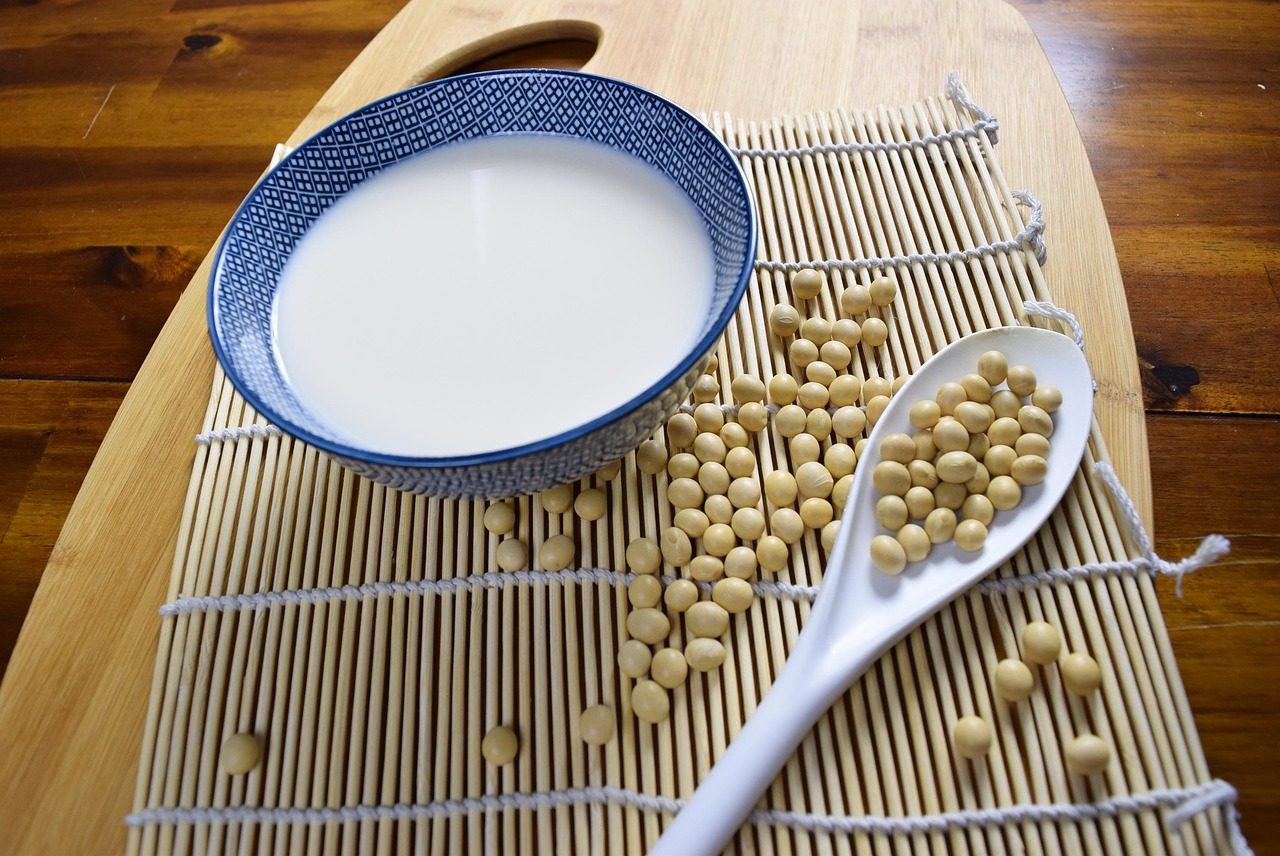
Buying lactose-free milk in bulk is a smart move for anyone managing lactose intolerance — but what happens when you can’t finish a carton before it expires? Freezing is a practical solution that most people overlook. It is possible to freeze lactose-free dairy milk in the same manner as regular milk, and it will be safe for consumption with very little nutritional change.
Whether you stocked up on a sale at Kroger, Whole Foods, or your local grocery store, knowing how to freeze lactose-free milk properly can save you money and cut down on food waste. This guide walks you through everything: what to expect, how to freeze it step by step, how long it keeps, and the smartest ways to use it once thawed. If you deal with lactose intolerance, this is one food storage skill worth having.
Can You Freeze Lactose-Free Milk?
Yes, you can freeze lactose-free milk — and it is safe to do so. Lactose-free milk is produced through an enzymatic process that breaks down lactose into simpler sugars like glucose and galactose, resulting in milk with all the nutrients and proteins found in regular milk, but without the lactose content. That process does not affect its ability to freeze safely.
Freezing does not affect the nutritional value of dairy products, though texture and appearance may differ from what you are used to. So while the milk you pull out of the freezer may look a little different, it is still nutritionally intact and safe to use.
According to Nicole Martin, PhD, assistant research professor in dairy foods microbiology at Cornell University, “Storing milk in the freezer will prevent bacteria from growing while the milk is frozen.” That means freezing before the expiration date is one of the most reliable ways to extend the shelf life of lactose-free milk.
Pro Tip: Freeze your lactose-free milk before it reaches its expiration date. Freezing will not rescue milk that is already past its prime — the clock does not reset.
Does Freezing Change the Texture or Taste of Lactose-Free Milk?
Expect some changes. Lactose-free milk can be frozen, but it tends to separate more than regular cow’s milk. This happens because of how the freezing process interacts with the milk’s fat and protein structure.
When milk is frozen, the water molecules form ice crystals, causing the other components to concentrate. This concentration can lead to changes in the milk’s composition, affecting its taste and texture. The proteins in milk, such as casein and whey, can become denatured during the freezing process, which can affect the milk’s texture and stability.
On the taste side, you may notice a slightly sweeter flavor after thawing. Once lactose has been broken down, the flavors of the simplified sugars become more prominent, which equals a sweeter overall taste. Freezing can amplify that sweetness slightly, but most people find the difference mild — especially when the milk is used in cooking or baking.
Frozen lactose-free milk will often become separated and the texture may become somewhat grainy, but it is usually acceptable for cooking and baking purposes. If you plan to drink it straight after thawing, give it a vigorous shake or blend it first. These changes are usually harmless but might impact the mouthfeel or flavor. If you have sensitive taste buds, it might be best to use thawed milk in baking or a smoothie rather than as a standalone drink.
How to Freeze Lactose-Free Milk the Right Way
Following a few simple steps makes a big difference in how well your lactose-free milk holds up in the freezer. The most common mistakes — overfilling containers and skipping labels — are also the easiest to avoid.
- Check freshness first. Only freeze milk that is still good. Freeze it fresh. Freezing will not rescue milk that is near or past its prime.
- Choose the right container. The best container to freeze milk in is an airtight, freezer-safe plastic container. Because the milk will expand, it is helpful to leave about an inch of space at the top. Never freeze milk in glass bottles — regular glass bottles may crack at freezer temperatures as the liquid inside expands and puts pressure on the walls.
- Portion it out. Smaller portions freeze faster, meaning smaller ice crystals and less structural damage. Portioned milk comes out smoother after thawing than milk frozen in a full container. Ice cube trays work great for small, recipe-ready amounts. Two cubes in the average ice cube tray equals about 1/4 cup of milk. This method helps you save freezer space and lets you thaw the exact amount you need.
- Seal it tightly. Store milk in an airtight container. Milk is highly susceptible to picking up odors from other foods in the freezer, which can change the milk’s flavor once thawed. An airtight container will help keep out unwanted smells.
- Label the container. Write the date and type of milk (whole, skim, lactose-free) on the container before it goes in. Place containers near the back of the freezer where temperatures are coldest and most stable. Rapid freezing reduces ice crystal size, minimizing damage to milk structure.
Pro Tip: If you are freezing a full plastic jug, pour out about one cup first to create expansion room. A bulging jug is normal — a cracked or burst one is not.
How Long Can You Freeze Lactose-Free Milk?
Freeze lactose-free milk in an airtight container and leave at least 1/2 inch headspace at the top, as it will expand when frozen. Properly stored, it will maintain best quality for about 4 months, but will remain safe beyond that time. Lactose-free milk that has been kept constantly frozen at 0°F will keep safe indefinitely.
That said, quality is the real concern — not safety. The three-month window is a quality guideline, not a safety cutoff: milk kept frozen solid the whole time remains safe to use, it just may not taste as fresh. For best results, aim to use it within one to three months.
| Storage Location | Estimated Duration | Quality Notes |
|---|---|---|
| Refrigerator (unopened) | Up to 1 week past sell-by date | Best quality; drink fresh |
| Refrigerator (opened) | 7–10 days | Store away from door; keep below 40°F |
| Freezer (0°F or below) | Best within 1–3 months; safe up to 4+ months | Use for cooking and baking after 1 month |
To keep quality high, store milk at the back of the freezer (not the door, where temperatures fluctuate), keep your freezer at or below 0°F, and use the oldest containers first.
How to Thaw Frozen Lactose-Free Milk
How you thaw lactose-free milk matters just as much as how you freeze it. The wrong method can put the milk in a bacterial danger zone and make it unsafe to drink.
Refrigerator thawing (recommended): Transfer frozen milk to the fridge and allow it to thaw slowly over 24 hours. This method preserves quality and prevents bacterial growth. For low-fat lactose-free milk, this slower thaw also helps reduce separation.
Cold water bath: If you need it faster, place the sealed container in a bowl of cold water in the fridge. It takes three to four hours in small containers and up to overnight in larger ones, depending on freezer temperature and volume.
What to avoid: Avoid thawing milk at room temperature on the counter — the outer layer can sit in the temperature “danger zone” (40–140°F) where bacteria multiply, while the inside is still frozen. The USDA recommends against counter thawing for this reason.
Once thawed, milk may separate into solids and liquid, but shaking it will return it to a smoother texture. If shaking is not enough, blend it briefly with a hand blender. Frozen milk should be consumed within two to three days of thawing.
Pro Tip: Thawed lactose-free milk is highly susceptible to picking up fridge odors. Keep it sealed in an airtight container until you are ready to use it.
Can You Refreeze Lactose-Free Milk After Thawing?
No — refreezing thawed lactose-free milk is not a good idea. Refreezing is not recommended. Quality and texture degrade significantly with repeated freezing and thawing.
Refreezing thawed milk increases the risk of bacterial contamination and further degrades texture. Each freeze-thaw cycle breaks down the milk’s protein and fat structure a little more, and the result is a product that is unpleasant to drink and barely usable in recipes.
The practical fix is simple: small portions solve this — only thaw what you need. Freezing in ice cube trays or small containers means you never have to thaw more than a recipe calls for. This also pairs well with other food storage strategies, like freezing coffee creamer in portion-sized amounts.
How to Use Frozen Lactose-Free Milk (Best Uses After Freezing)
Once thawed, lactose-free milk does not always behave exactly like fresh milk — but that does not mean it is not useful. In fact, for most kitchen applications, the texture difference is barely noticeable.
For almost everything you cook or bake with milk, the difference disappears entirely once it is mixed into a recipe. Here are the best uses for your thawed lactose-free milk:
- Baking: Muffins, pancakes, cakes, and quick breads are ideal. The heat of the oven masks any texture changes completely. Lactose-free dairy milk’s natural creaminess is better for baking and cooking than milk alternatives.
- Smoothies: For smoothies, milk cubes are genuinely useful — they chill the drink without watering it down like ice does. Drop a few cubes directly into the blender.
- Soups and sauces: It can be used to make Hollandaise sauce, a base for casseroles, or poured into muffin or pancake batter. Cream soups, chowders, and white sauces all work well.
- Hot drinks: Thawed lactose-free milk works fine in coffee, hot chocolate, and tea. The thawed milk is suitable for cooking, adding to tea or coffee, or using in a smoothie.
- Oatmeal and cereal: Cooked oatmeal is a great use since the heat smooths out any graininess from thawing.
- Drinking straight: To restore some smoothness after thawing, you can stir, shake, or beat it with a hand mixer or immersion blender. While it is perfectly safe to drink milk that has been frozen, since the texture is not quite the same, frozen milk is best suited for cooking, baking, and making smoothies.
If you enjoy freezing dairy and non-dairy products for later use, you might also find it helpful to know how to handle frozen applesauce for babies or even freeze jam without pectin — the same portion-first approach applies across the board.
Signs That Frozen Lactose-Free Milk Has Gone Bad
Not every change in frozen milk signals spoilage. Some visual differences are completely normal, while others are red flags. Here is how to tell the difference.
Normal changes (safe to use):
- Yellowish tint: The yellow color comes from fat separating from the water and riboflavin (vitamin B2), which has a natural yellow color. Both are normal. A good whisk usually sorts it out.
- Separation or graininess: After thawing, some people notice a faintly grainy or watery mouthfeel. This is a quality change, not a spoilage sign.
Warning signs (discard the milk):
- Sour or off smell: Just like regular milk, you will know that lactose-free milk has gone bad when it develops a sour, off-putting smell. This scent is typically strong and unmistakable.
- Curdled texture or visible mold: If the milk has a thick consistency or appears curdled, or if it has visible mold, it is best to throw it away.
- Unusual color beyond light yellow: Also be on the lookout for any changes in color beyond the mild yellow tint that is normal after freezing.
- Metallic or stale taste: A metallic or stale taste can result from oxidation during freezing, especially if the container was not airtight. Using oxygen-blocking freezer bags or glass jars with tight seals can reduce this issue.
Important Note: If your thawed lactose-free milk was left at room temperature for more than 4 hours, discard it regardless of how it looks or smells. According to the USDA, bacteria multiply rapidly in the 40–140°F temperature range.
When in doubt, do a quick smell test before using thawed milk in any recipe. Trust your nose — spoiled milk has a distinctly sour, unpleasant odor that is hard to miss. For more on what makes certain foods go bad faster than others, see this overview of foods that affect your health and how storage choices matter.
Frequently Asked Questions
Does lactose-free milk freeze differently than regular milk?
Lactose-free milk can be frozen, but it tends to separate more than cow’s milk. It is recommended to freeze it in small portions and use it within one to two months. The enzymatic process used to break down lactose slightly alters how the milk responds to temperature changes, making separation a bit more pronounced.
Can you freeze lactose-free whole milk vs. skim?
Low-fat or skim milk that is lactose-free is the best kind to freeze because it has less fat to separate. Skim milk is more freezer-friendly than full-fat milk. Milk with a higher fat content separates more readily when thawed. That said, whole lactose-free milk still freezes safely — it just needs more shaking after thawing.
How long does thawed lactose-free milk last in the fridge?
Keep thawed milk in the fridge and use it within a few days, just as you would fresh opened milk. Most sources recommend consuming it within two to three days of thawing for best quality.
Can you freeze lactose-free milk in the original carton?
According to Nicole Martin, PhD, at Cornell University, “Milk can be frozen in the original container, as long as it’s not glass.” Just make sure to pour out a small amount first to leave room for expansion. Paper cartons may absorb moisture over time, so transferring to a freezer-safe plastic container is a safer bet for longer storage.
Is frozen lactose-free milk safe for people with lactose intolerance?
Yes. Freezing does not affect the lactase enzyme added during processing. Consuming lactose-free milk offers various benefits, including improved digestion for those with lactose intolerance and an excellent source of calcium, vitamins, and minerals. Those benefits carry through after freezing and thawing, since nutritional content is preserved.
Can you freeze other dairy-free alternatives the same way?
For the most part, yes — you can freeze non-dairy milk following the same steps you would for freezing dairy milk. Just note that freezing and defrosting these will make them separate and get slightly grainy, so only use defrosted non-dairy milk for cooking purposes or in smoothies. For more ideas on what you can store in the freezer, check out guides on freezing fresh watermelon chunks and freezing cashew nuts.