Can You Freeze Fresh Basil? Yes — Here’s How to Do It Right

November 9, 2026
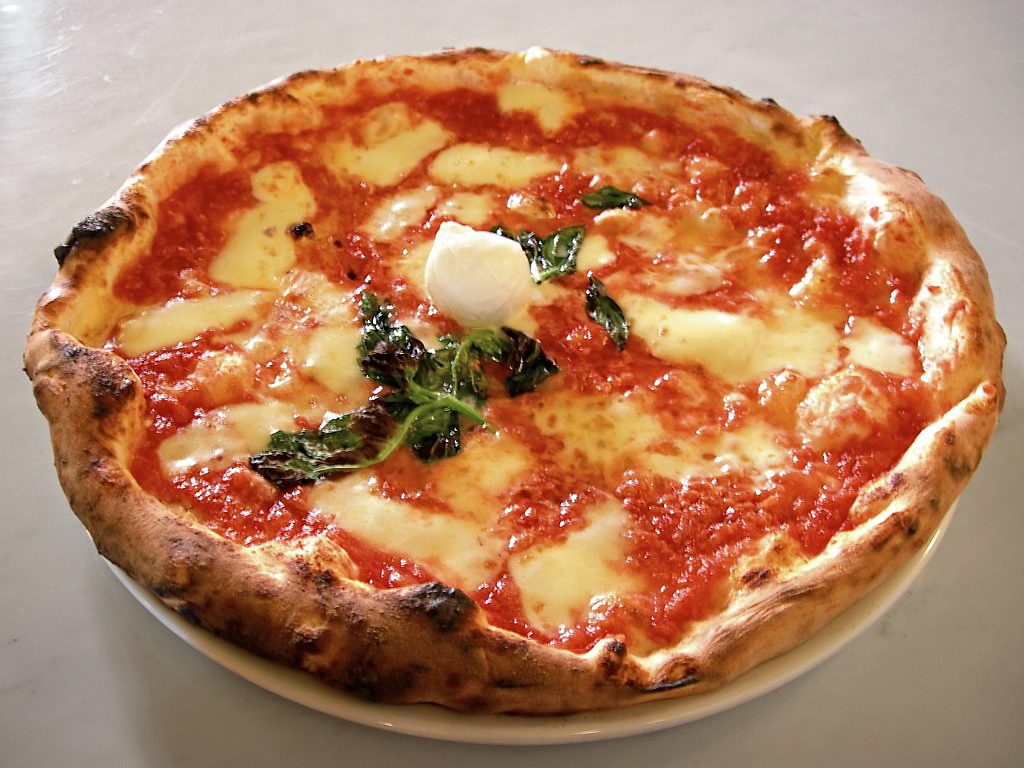
Fresh basil is one of those herbs that seems to disappear from the garden all at once — you go from barely enough leaves to more than you can possibly use in a week. Freezing is the smartest way to save that surplus so you have real basil flavor available all winter long, not just a dusty jar of dried flakes.
The short answer is yes, you absolutely can freeze fresh basil (Ocimum basilicum). The process takes less than 15 minutes, requires no special equipment, and the results are far better than drying. Whether you grow it in a backyard garden in the South or pick up a big bunch at a farmers market in the Midwest, this guide covers every method and answers every question you might have.
Can You Freeze Fresh Basil?
Yes, you can freeze fresh basil to preserve its flavor for several months. While freezing may alter the texture, making it softer after thawing, it remains ideal for cooked dishes like soups, sauces, and stews.
Freezing is one of the most effective ways to extend the shelf life of fresh basil, especially when harvested in abundance during summer. Unlike drying, which diminishes volatile oils, freezing helps retain much of the herb’s aromatic compounds and vibrant green color — critical for culinary performance.
Drying is not the ideal preservation method for delicate leafy herbs such as basil. If you’ve tried hanging fresh basil leaves to dry in the past, you’ve likely noticed that they quickly lose their vibrant green color and begin turning black. Freezing sidesteps that problem entirely when done correctly.
Pro Tip: Harvest basil in the morning before the heat of the day sets in. According to Sprig & Spoon, basil is sweetest when harvested in the morning — that timing makes a noticeable difference in the final frozen product.
Does Freezing Change the Texture or Taste of Fresh Basil?
Basil contains high water content, which expands during freezing and ruptures cell walls. This leads to a softer, sometimes mushy texture upon thawing. While not ideal for garnishes or salads, frozen basil works perfectly in cooked applications.
While freezing changes the texture — making leaves soft upon thawing — it preserves the chemical composition of key flavor compounds like linalool, eugenol, and methyl chavicol remarkably well. In practical terms, that means the flavor you get in a winter pasta sauce or soup is genuinely close to what you’d get from a fresh bunch.
When properly frozen — especially in oil or after blanching — frozen basil retains most of its aromatic compounds. It won’t be identical to fresh (texture differs), but the flavor is impressively close in cooked applications.
The bottom line on texture: use frozen basil in cooked dishes only — due to texture changes, it isn’t suitable for salads or garnishes. For raw applications like caprese salad or bruschetta, always use fresh basil.
| Use Case | Fresh Basil | Frozen Basil |
|---|---|---|
| Pasta sauces & soups | Excellent | Excellent |
| Pesto | Excellent | Very Good |
| Caprese salad | Excellent | Not recommended |
| Bruschetta / garnish | Excellent | Not recommended |
| Stews & casseroles | Excellent | Excellent |
| Marinades & dressings | Excellent | Good (blended) |
How to Freeze Fresh Basil the Right Way
There are several proven methods, and the best one depends on how you plan to cook with it. All of them start with the same prep steps: wash the leaves under cool water, then dry them completely with paper towels or a salad spinner. Moisture accelerates freezer burn, so skipping the drying step is the single biggest mistake you can make.
Method 1: Freeze in Olive Oil (Ice Cube Trays)
This is the most popular method for good reason. The data shows that freezing basil in oil preserves both flavor and appearance longer than dry freezing. It also gives you perfectly portioned cubes you can drop straight into a hot pan.
- Wash and thoroughly dry your basil leaves.
- Roughly chop the leaves or pulse them briefly in a food processor.
- Place chopped basil into clean ice cube trays, then pour extra virgin olive oil over each compartment, covering the herb completely.
- Freeze until solid (6–12 hours), then transfer cubes to a freezer-safe bag and label with the date.
Each cube equals roughly one tablespoon of prepared basil. You can drop them directly into simmering sauces or soups without thawing first.
Pro Tip: Add a squeeze of lemon juice (½ teaspoon per cup of puree) to help preserve color — the citric acid slows oxidation without altering flavor significantly.
Method 2: Flash-Freeze Whole Leaves
If you want the flexibility of individual leaves for tossing into dishes, flash-freezing is the way to go. Remove leaves from stems and lay them flat on a parchment-lined baking sheet. Place the tray in the freezer for 1–2 hours until leaves are solid, then transfer to an airtight container or vacuum-sealed bag. By flash-freezing first, you prevent clumping and allow for easy portioning later.
Vacuum-sealed bags offer the best protection, followed by rigid freezer containers with tight lids. Flimsy sandwich bags allow air infiltration, accelerating degradation.
Method 3: Freeze as Pureed Basil (Oil-Paste Method)
This method works especially well if you have a large harvest to process quickly. Use a food processor to puree the fresh basil leaves with olive oil, using 1 tablespoon of olive oil per 1 cup of basil. Freeze the pureed basil in an ice cube tray, then store in a large resealable plastic bag or freezer-safe container.
Alternatively, dollop the oil-basil mixture onto parchment-lined baking sheets using a large spoon or tablespoon measure. Place the baking sheet into the freezer, making sure not to tilt it. Freeze until the olive oil-basil mixture is solid, about 1 hour, then quickly transfer the frozen basil to a zip-top freezer bag.
Method 4: Freeze as Pesto
Making pesto and then freezing it in portions is one of the most popular and effective ways to preserve basil. The combination of oil, garlic, and acid (like lemon juice) protects flavor and color.
If you’re freezing your pesto, leave the Parmesan cheese out as it doesn’t freeze as well. You can stir it in fresh when you’re ready to use the thawed pesto. Pesto can be stirred into a dish from frozen — no need to thaw first.
Important Note: Never store fresh herbs in oil at room temperature due to botulism risk. Always refrigerate or freeze oil-infused preparations.
How Long Can You Freeze Fresh Basil?
Frozen basil retains best quality for 3–6 months. When stored in oil and sealed properly, it can remain usable for up to 6 months with minimal flavor loss. Beyond this, oxidation increases, leading to off-flavors.
Frozen basil retains good quality for 6–12 months depending on the method. Basil frozen in oil or as pesto can last up to 12 months, while dry-frozen leaves are best used within 6 months.
From a safety standpoint, frozen basil remains safe indefinitely if kept at 0°F (-18°C). However, quality deteriorates significantly after 6–8 months, with noticeable flavor loss and potential rancidity from oil oxidation.
| Freezing Method | Best Quality Window | Still Usable Up To |
|---|---|---|
| Dry whole leaves (flash-frozen) | 3–6 months | 6–8 months |
| In olive oil (ice cube trays) | 6 months | 9–12 months |
| Pureed with oil (flat bag) | 6 months | 12 months |
| As pesto (no cheese) | 6 months | 12 months |
Always label your bags with the date so you know exactly what you’re working with. If you’re storing multiple herbs, also write the herb name — it’s easy to forget what it is, especially if you’re freezing other herbs and greens.
How to Thaw Frozen Fresh Basil
How you thaw frozen basil depends on what you’re making. In most cases, you don’t need to thaw it at all. You don’t need to thaw your frozen basil; simply add a frozen basil cube or a roll of blanched basil to the dish while you’re cooking. The water will melt, and the basil will cook into the dish, infusing it with delicious garden flavor.
If your recipe does require thawed basil, thaw it in the fridge overnight or leave it at room temperature for about 15 minutes before using.
One thing to avoid: never thaw and squeeze — this removes valuable oils and results in flavor loss. Just let the basil rest and drain naturally, then use it as-is.
When using thawed or frozen basil in cooked dishes, basil is a “soft” herb and should always be added towards the end of the cooking time. Adding it too early destroys the volatile oils that carry most of the flavor.
Can You Refreeze Fresh Basil After Thawing?
Refreezing thawed basil is not a good idea. Never refreeze thawed basil cubes. Each freeze-thaw cycle causes additional cell wall breakdown, which means more texture loss and more flavor degradation. What started as a soft, wilted leaf becomes mushy and bland.
The practical fix is simple: take only what you need to prevent flavor loss. Portioning your basil into small amounts before freezing — whether in individual ice cube cells or small snack-sized bags — means you never have to thaw more than you’ll use. Portioning into individual meal-sized amounts stuffed into snack-sized zip-lock baggies, then placed inside a gallon-sized freezer bag, keeps the remaining frozen basil fresh for even longer.
Key Insight: If you froze basil as oil cubes, you have a natural advantage — just pop out one or two cubes at a time and drop them directly into your pan. The oil melts instantly and the basil goes straight to work.
How to Use Frozen Fresh Basil (Best Uses After Freezing)
Frozen basil is genuinely useful across a wide range of everyday cooking. The key is matching it to the right applications — cooked dishes where texture is secondary to flavor. You can also pair it with other heart-healthy foods and whole plant-based ingredients to build nutritious, flavorful meals year-round.
- Pasta sauces and marinara: Drop a cube or two directly into a simmering tomato sauce. Toss a couple of cubes of frozen basil into minestrone, and it tastes like August. Same goes for marinara sauce.
- Soups and stews: Frozen basil is excellent for winter dishes like soup, stew, and pasta sauce. Add it in the last few minutes of cooking.
- Pesto: Frozen basil, especially when preserved in oil, performs excellently in pesto. Simply blend thawed cubes with pine nuts, garlic, Parmesan, and additional oil as needed. Flavor remains robust and close to fresh.
- Pizza sauce: Stir a cube of basil-oil puree into your sauce base before spreading it on the dough.
- Sautéed vegetables: Drop a frozen cube right into your pan — no need to thaw. It works especially well with zucchini, tomatoes, and eggplant. You can also learn more about how to freeze fresh uncooked zucchini to build a full summer-harvest freezer stash.
- Grain bowls and rice dishes: Frozen basil works well in rice dishes such as stuffed peppers.
- Egg dishes: Stir a small amount of thawed basil puree into scrambled eggs or a frittata.
You can use frozen basil exactly as you would fresh leaves in cooked recipes. The leaves will shrink as they freeze, so cup for cup, plan to use slightly less than if you were cooking with fresh basil. If you blanched your basil before freezing, expect to use about one-third more than what the recipe calls for in fresh basil leaves, because blanching and freezing removes some of the fresh flavor.
Basil is also one of the foods recognized for their anti-inflammatory properties, and freezing preserves most vitamins and antioxidants. Vitamin C may degrade slightly over time, but levels remain significant for up to six months. The polyphenols and flavonoids in basil are stable under freezing conditions.
Signs That Frozen Fresh Basil Has Gone Bad
Frozen basil does have a natural shelf life, and knowing when to toss it saves you from ruining a dish. Some color change is completely normal — slight darkening is normal; strong rancid notes are not.
Here are the signs that your frozen basil has passed its prime:
- Sour or musty smell: To check if frozen basil is still usable, inspect the smell and color. If cubes have turned very dark or emit a sour or musty odor, discard them.
- Slimy texture after thawing: Basil has gone bad if its leaves have discolored and become slimy or fuzzy with mold.
- Rancid oil smell: If you froze basil in olive oil and the cubes smell rancid rather than herby, the oil has oxidized. Discard the batch.
- Severe freezer burn: Beyond the quality window, basil may develop off-flavors, increased bitterness, or noticeable texture changes due to slow oxidation and freezer burn. The longevity depends heavily on packaging.
To prevent spoilage in the first place, blackening usually results from one of three issues: moisture left on leaves before freezing, exposure to air (oxidation), or slow freezing. Ensure basil is bone-dry, use airtight packaging, and freeze quickly on a tray before transferring.
Proper storage makes a significant difference. According to Glad , you should discard basil if it has a foul odor, slimy texture, or mold. When in doubt, trust your nose — basil that smells wrong should not go into your food.
Frequently Asked Questions
Can You Freeze Basil Without Oil?
Yes, but with trade-offs. You can freeze basil without blanching, but doing so may result in faster discoloration and texture changes. Blanching helps deactivate enzymes that cause browning, especially important when storing in oil or puree form. If you skip oil entirely, flash-freeze the leaves individually on a baking sheet first, then transfer to an airtight bag with as much air removed as possible.
Does Frozen Basil Turn Black?
The loss of color and texture come from natural enzymes that exist to decompose plant material. If the plant is left raw, the enzymes keep doing their work, even if the plant material is kept frozen in the freezer. Freezing in oil, blanching before freezing, or adding a small amount of lemon juice to your puree all help slow this process significantly.
Can You Freeze Store-Bought Basil?
Absolutely. Whether using basil from your garden or store-bought basil, you want to ensure it is clean and dried thoroughly before freezing. The same methods apply — just make sure the leaves are fresh (not already wilting or browning) before you freeze them.
Is Frozen Basil as Good as Fresh?
Frozen basil tastes almost as delicious as fresh basil, and it’s nearly as versatile. That said, once frozen basil is thawed, it will not have the same texture as fresh basil — it will be more similar to cooked basil. For cooked dishes, the difference is minimal. For raw applications, always use fresh.
Can You Freeze Basil Stems?
The stem tastes like basil too — don’t worry about getting all the leaves from the stems. As a great time-saving technique, you can blend it all. Just remove any stem ends that seem overly thick. Tender stems blend right in and add flavor without any noticeable difference in the finished dish.
How Do You Store Basil Without Freezing?
If you only need to keep basil fresh for a week or less, store it like cut flowers. Stored with stems in water at room temperature, basil can stay fresh for up to seven days. If you want to preserve basil beyond a week, freezing is the best option. You can also check out tips for freezing other fresh produce to keep your kitchen stocked all year.
Can You Freeze Basil-Infused Oil?
Yes — and you should always freeze it rather than store it at room temperature. Food safety problems can happen if basil is kept in oil at room temperature. To keep them safe and tasty, oil-based mixtures should always be frozen. This applies to any herb-in-oil preparation, not just basil.