Can You Freeze Ricotta Cheese with Egg in It? (What You Need to Know)

November 8, 2026
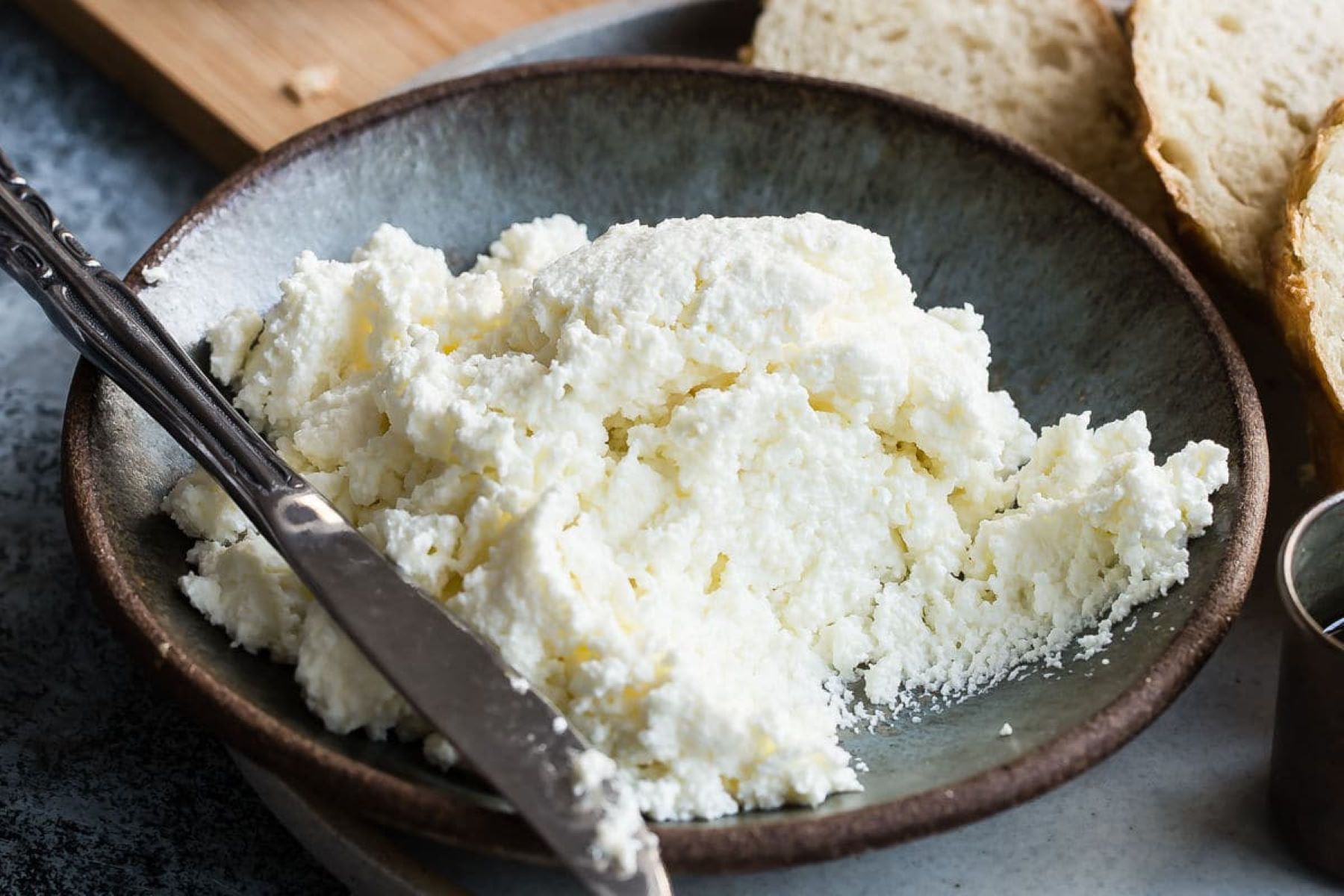
If you made a big batch of lasagna filling or stuffed shell mixture and now have more than you can use, you are probably wondering whether you can stash that ricotta-and-egg blend in the freezer for later. The short answer is yes — and it actually holds up better than plain ricotta does on its own.
The egg in the mixture works in your favor. Freezing ricotta cheese with egg in it for dishes such as lasagna or manicotti works just fine, because egg acts as a binding agent for the mixture and freezes well. That said, there are still a few things you need to know before you seal up that container — from how the texture changes to the right way to thaw it safely.
Can You Freeze Ricotta Cheese with Egg in It?
If you have made a filling with ricotta cheese and other ingredients like Parmesan, eggs, and herbs, it is perfectly fine to freeze it. This applies to the classic mixtures used in American pasta staples like lasagna, stuffed shells, manicotti, and ravioli.
You might be skeptical about freezing ricotta with eggs because eggs do not freeze particularly well on their own. But freezing is not an issue when the eggs are stirred together with other ingredients — they actually help bind everything together.
Many cooks prefer to freeze a ready-made filling instead of plain ricotta. Mixing in egg, herbs, and grated cheese creates a sturdier mixture that often survives freezing better than ricotta alone. So if you have already combined your ingredients, go ahead and freeze the whole thing.
Pro Tip: Freeze your ricotta-egg mixture in recipe-sized portions — enough for one pan of lasagna or one batch of stuffed shells. That way you thaw exactly what you need and avoid leftovers you cannot refreeze.
Does Freezing Change the Texture or Taste of Ricotta Cheese with Egg?
Freezing does affect plain ricotta noticeably, and a mixture is not immune to those changes. Once placed in the freezer, the water in ricotta transforms into ice, causing the curds and whey to separate. Thawing the cheese later reveals a coarse, crumbly consistency.
Ricotta is about 74% water, and when that water transforms into ice, it disrupts the cheese’s texture and makes it dry, crumbly, and slightly grainy. When egg is mixed in, this effect is somewhat cushioned — but you will still notice a difference compared to a fresh-made filling.
The good news is that flavor holds up well. While its flavor may endure the freezing process, the texture of ricotta suffers once it has been frozen and thawed, transforming from smooth and creamy to gritty and clumpy. For a baked pasta dish, though, that texture shift is largely undetectable once the dish comes out of the oven.
Freezing ricotta in other dishes is a good way to go when you have the option. When you take the dish out of the freezer and get ready to bake it, the cheese melds into the dish and the variation in flavor and texture is hardly noticeable.
Key Insight: Texture changes matter most in raw or fresh applications like spreads or dips. In a baked lasagna or stuffed shell, the heat and surrounding ingredients mask the graininess almost completely.
How to Freeze Ricotta Cheese with Egg the Right Way
Proper packaging is the most important step. Exposure to air is the enemy — it leads to freezer burn, off flavors, and faster quality loss. Follow these steps for the best results:
- Drain excess moisture first. Remove excess moisture by pressing the cheese with paper towels before packaging. This reduces the amount of liquid that separates during thawing.
- Portion by recipe. Freeze the cheese in dish-sized portions to avoid leftovers after using it. Think one cup for pancake batter, two cups for a pan of stuffed shells, and so on.
- Choose the right container. Use a clean, airtight container or freezer bag to prevent freezer burn and bacterial contamination. For freezer bags, press out as much air as possible before sealing.
- Remove all the air. If using a plastic bag, partially seal the bag, then use a straw to suck out all the air from the bag.
- Label clearly. Label each container with the name, date, and amount so you always know what is inside and when it was frozen.
- Set your freezer correctly. Store it in a freezer that has a temperature of 0°F or less and make sure it is sealed appropriately.
You can also freeze the mixture already stuffed into shells or manicotti. Prepare your usual filling for lasagna, stuffed shells, manicotti, or ravioli. Portion into containers sized for one recipe pan, or pipe the filling into shells and freeze them on a tray before bagging. This makes weeknight cooking much faster.
If you regularly ship frozen food to family or send meal-prep batches, the same airtight-and-label approach applies.
How Long Can You Freeze Ricotta Cheese with Egg?
Ricotta cheese can be frozen in a freezer set to 0°F or less for up to 2 months. Most sources agree on this window for the best quality, though the mixture stays safe beyond that point as long as it remains fully frozen.
One extension publication suggests holding ricotta in the freezer for about one month for best quality, since longer storage brings more separation and grainier texture. That one-month window is about quality, not basic safety — frozen food kept at 0°F stays safe much longer if it remains fully frozen and properly wrapped.
Any time in the freezer will alter the texture of ricotta cheese, and the longer it stays in the freezer the greater the possibility that it could take on unpleasant freezer flavors. For a ricotta-egg mixture destined for a baked dish, aim to use it within two months for the best results.
| Storage Method | Estimated Duration | Notes |
|---|---|---|
| Refrigerator (opened) | 5–7 days | Use as soon as possible for best flavor |
| Freezer (plain ricotta) | 1–3 months | Texture degrades over time; use within 1–2 months for best quality |
| Freezer (ricotta with egg) | Up to 2 months | Best for baked dishes; label and date every container |
| Room temperature | 2 hours max | Discard after 1 hour if room is above 90°F |
How to Thaw Frozen Ricotta Cheese with Egg
Thawing safely is just as important as freezing correctly. Always thaw ricotta in the refrigerator — never at room temperature. Leaving dairy out on the counter creates the warm conditions that bacteria need to multiply.
Place the cheese in the refrigerator for 24 to 36 hours to defrost. Do not defrost cheese at room temperature because bacteria can grow. Plan ahead the night before you need it.
If you are short on time, there is a faster option. If you need to thaw your ricotta more rapidly, use the cold water method. Fill a bowl with cold water and place your sealed bag of frozen ricotta into the bowl. Change the cold water every 30 minutes to keep your food safe.
Once thawed, the mixture will likely show some liquid separation. You will notice some separation of the water from the solids. You can either drain off this water or stir the ricotta to evenly distribute it — it depends on personal choice and what recipe you intend to use it in.
Once softened, stir well and use within two days. Do not let it sit in the refrigerator for a week after thawing.
Important Note: Never microwave ricotta with egg to speed up thawing. Rapid heat can partially cook the egg and dry out the mixture before you even use it in a recipe.
Can You Refreeze Ricotta Cheese with Egg After Thawing?
No. Once you thaw ricotta with egg, do not put it back in the freezer. For food safety reasons, ricotta cheese should not be frozen again after defrosting it.
Since freezing it just once already causes the cheese to degrade somewhat, constant thawing and refreezing makes things worse. The texture and quality of the cheese will deteriorate each time you freeze it, until it turns into a grainy, broken, separated mess. Repeated thawing also puts it at risk for microbial growth that can cause foodborne illness.
This is exactly why portioning before freezing matters so much. You cannot re-freeze the cheese, so it is helpful to have smaller sizes if you do not plan to use it all at once. Freeze in one-cup or two-cup portions so you only thaw what you need for a single recipe.
How to Use Frozen Ricotta Cheese with Egg (Best Uses After Freezing)
Thawed ricotta-egg mixture is well-suited for dishes where it gets cooked or baked. The heat and surrounding ingredients mask the grainier texture, so the final dish tastes just as good. Here are the best applications:
- Lasagna: Ricotta filling is always frozen in supermarkets in products such as lasagna, shells, and manicottis, so there is no harm in freezing it. Layer it straight into your pan and bake as usual.
- Stuffed shells and manicotti: Meals that have ricotta cheese in them such as pasta dishes and casseroles generally freeze well. Thaw the filling, stuff your pasta, and bake.
- Ravioli filling: Drain the liquid if using for a ravioli filling; otherwise it may be too soggy for the pasta.
- Baked ziti and pasta casseroles: Stir the thawed mixture into your pasta before baking. The oven does the rest.
- Ricotta pancakes and quick breads: Ricotta adds moisture and richness to pancakes and quick breads. Once you whisk it with eggs, flour, and leavening, the grainy texture disappears into the batter.
- Scrambled eggs: Thawed ricotta can be a delicious addition to scrambled eggs that creates a richer taste and fluffy consistency.
Avoid using thawed ricotta-egg mixture in raw or uncooked preparations. Because of textural deterioration, it is no longer ideal for use as a primary ingredient in its raw form, so skip slathering it on toast or serving it with fresh fruit.
Looking for more ideas on what to cook with ingredients you have on hand? Browse foods that start with R or explore foods that start with C for recipe inspiration.
Signs That Frozen Ricotta Cheese with Egg Has Gone Bad
Even properly frozen food can go bad if it has been stored too long, was not sealed well, or thawed and refrozen. Before using your thawed ricotta-egg mixture, check for these warning signs:
- Sour or rancid smell: A rancid-milk smell is a clear sign that ricotta is no longer fresh. A ricotta-egg mixture that smells off or sour should be discarded immediately.
- Visible mold: If your ricotta cheese has started to smell “off” or if you can see any mold spots developing on it, it is time to toss the cheese and get fresh.
- Pink or unusual discoloration: Mold can give ricotta a pinkish color. Any pink, yellow, or green tint is a red flag.
- Bitter or sour taste: If it smells fine but tastes sour or bitter after cooking, do not eat it.
- Freezer burn patches: Dry, grayish patches on the surface indicate freezer burn. The affected areas will taste flat and papery. You can cut them away, but if the entire mixture looks freezer-burned, it is better to start fresh.
- Excessive liquid after thawing: Some separation is normal, but an unusually large amount of watery liquid combined with an off smell is a sign of spoilage rather than simple separation.
Common Mistake: Do not taste-test ricotta that shows mold or smells wrong. Discard it and do not try to salvage it by cooking at high heat — some bacterial toxins survive cooking temperatures.
Frequently Asked Questions
Can you freeze ricotta cheese with egg and mozzarella together?
Yes. Most ricotta mixtures include shredded cheese like mozzarella, Parmesan, or Grana Padano along with eggs, and most of them freeze quite well. Package the combined mixture in an airtight container, label it, and freeze for up to two months.
Can you freeze an entire unbaked lasagna with ricotta and egg filling?
Yes, it is fine to freeze a ricotta cheese mixture. Just store it properly in a freezer that has a temperature of 0°F or less and make sure it is sealed appropriately. Assemble the lasagna, cover it tightly with plastic wrap and then foil, and freeze. Bake directly from frozen or thaw overnight in the refrigerator first.
How long does thawed ricotta with egg last in the fridge?
Once softened, stir well and use within two days. Some sources allow up to three days, but two days is the safer window — especially with egg in the mixture.
Does the egg change how long the frozen mixture lasts?
Not significantly. The two-month guideline applies to the mixture as a whole. The egg does not shorten or extend the safe freezer window, but it does help the mixture hold together better during and after freezing.
Can you freeze homemade ricotta with egg the same way as store-bought?
Homemade ricotta cheese typically has a shorter shelf life than store-bought ricotta. This difference is due to the added preservatives and the pasteurization process that store-bought ricotta typically undergoes. Freeze homemade ricotta-egg mixtures as soon as possible and aim to use them within one month for the best quality.
What dishes should I avoid making with previously frozen ricotta and egg?
Thawed ricotta is not the best choice for recipes where it is the star — think fresh cannoli filling, sweet ricotta dessert bowls, or any preparation where the smooth, creamy texture is the main appeal. Stick to baked and cooked applications for the best results.
For more food storage guides and kitchen tips, check out foods that start with F, foods that start with G, and foods that start with I to keep expanding your culinary knowledge.