Can You Freeze Zucchini Noodles? Everything You Need to Know

November 8, 2026
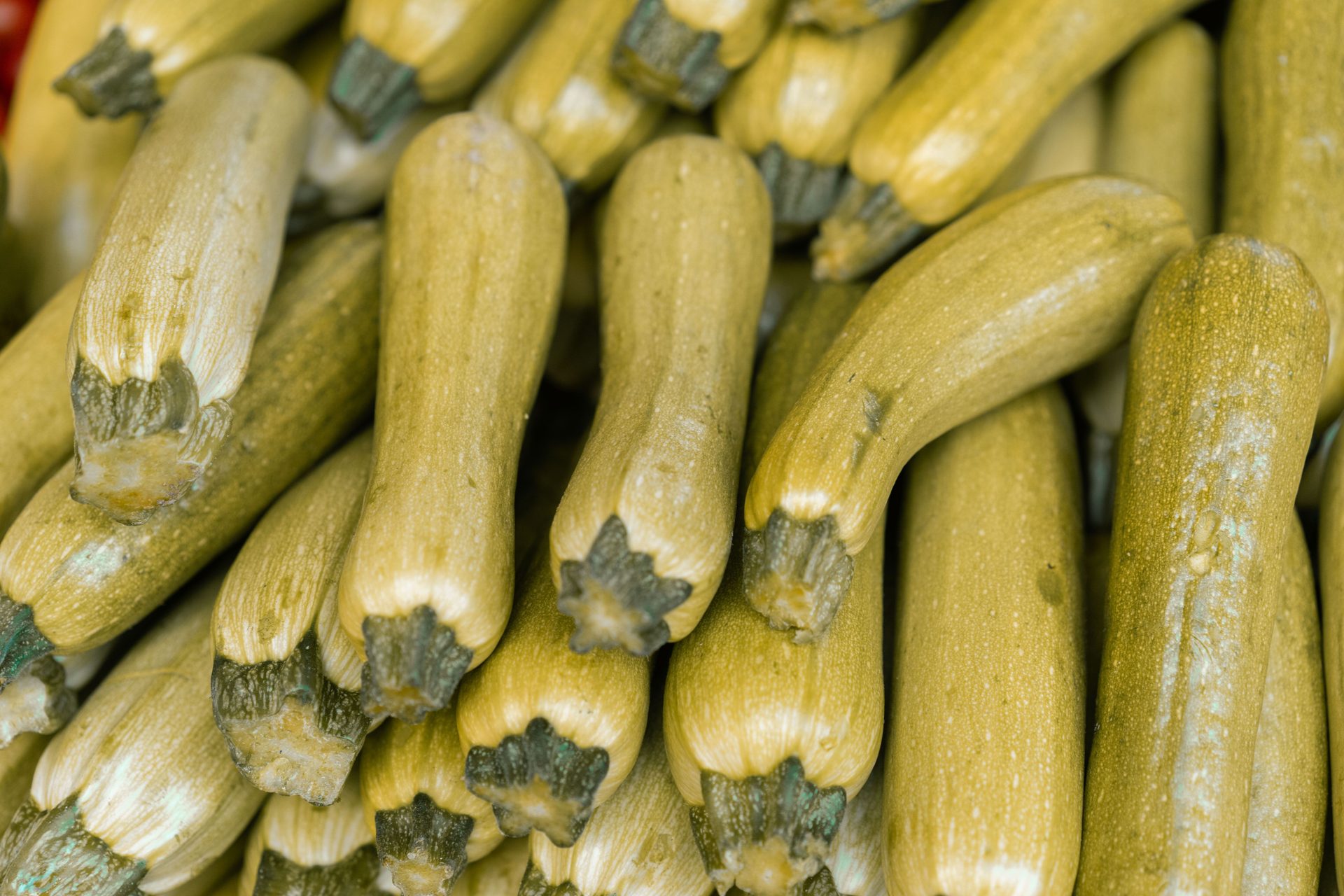
Zucchini noodles — or zoodles — are one of the most popular low-carb, gluten-free pasta swaps in American kitchens. But if you’ve ever spiralized a big batch and wondered what to do with the leftovers, you’re not alone. The question that comes up constantly is: can you actually freeze zucchini noodles without ending up with a soggy mess?
The short answer is yes — and with the right technique, frozen zoodles can be just as useful as fresh ones. This guide walks you through everything, from how freezing affects texture to the best methods for storing, thawing, and cooking your frozen zucchini noodles.
Can You Freeze Zucchini Noodles?
Frozen zucchini noodles, or “zoodles,” are spiralized zucchini, and yes, you can freeze them. You can serve them with a sauce as a side dish, or toss them in casseroles, soups, or stir fry, much like sliced zucchini. Cucurbita pepo, the species that includes common zucchini, has a naturally high water content — which is the main reason proper preparation matters so much before freezing.
Freezing zucchini noodles is a great way to avoid wasting food. Following either the dehydrator method or the blanching method is the best way to avoid soggy noodles down the road. Whether you grow zucchini in your garden or buy it at a farmers market, knowing how to freeze it correctly means you’ll have a ready supply of zoodles all year long.
With any of these methods, avoid using frozen zucchini for salads or other raw dishes, because the texture will change. Frozen and thawed zoodles work best in cooked applications, which we’ll cover in detail below.
Pro Tip: Choose smaller, younger zucchini for freezing. According to Wholesome Yum , smaller zucchini freeze better because they have less water content — and less water means less sogginess after thawing.
Does Freezing Change the Texture or Taste of Zucchini Noodles?
Texture is the biggest trade-off when you freeze zucchini noodles. Zucchini has a high water content, and freezing it can lead to ice crystal formation. To minimize this, remove excess moisture from the zucchini before packing it for freezing. Those ice crystals break down the cell walls of the vegetable, which is why thawed zoodles are noticeably softer than fresh ones.
Thawed zucchini is soft and watery — whether you blanch it or not. But frozen zucchini is a great addition to soups, stews, sauces, muffins, and quick breads. The flavor itself holds up well; it’s primarily the crispness that changes.
Frozen zucchini noodles don’t work well as a substitute for spaghetti or other pasta dishes because they do come out quite soft and watery, but they are great in soups. If your goal is a firm, pasta-like texture on the plate, fresh zoodles are the better choice. But for warm, saucy dishes, the difference is barely noticeable. You can also explore what to serve with zucchini noodles to find dishes that work perfectly with the softer texture of frozen zoodles.
How to Freeze Zucchini Noodles the Right Way
There are two reliable methods for freezing zucchini noodles: the blanching method and the salt-and-dry method. Both aim to reduce moisture before the zoodles go into the freezer. Whichever you choose, starting with the right zucchini makes a difference.
If you’re spiralizing zucchini at home, choose smaller zucchini, around 8 inches long. The larger vegetables contain too many seeds, so it’s not always possible to successfully spiralize them. They also tend to be soggier once you defrost them.
Method 1: Blanching (Recommended for Best Results)
Blanching zucchini takes a little extra time, but if you’re planning to freeze it longer or want to use it in stir fry or pasta dishes, it’s your best bet. When you blanch vegetables before freezing, it slows or even stops the enzymatic action that lessens flavor, color, and texture.
- Wash the zucchini and cut off both ends.
- Spiralize into noodles using a spiralizer or food processor.
- Steam blanch the zucchini noodles for 3 minutes, tossing them around at the 90-second mark. No ice bath is needed. Drain as much water from the noodles as possible, then transfer to a towel-lined pan to dry.
- Spread the noodles in a single layer on a baking sheet and flash-freeze for 30 minutes until solid.
- Pack zucchini noodles in freezer bags. Press out as much air as possible before sealing.
- Label the bag with the date and place flat in the freezer.
Method 2: Salt-and-Dry (No Blanching Required)
- Wash, trim, and spiralize the zucchini.
- Place a clean kitchen towel or paper towel inside a large bowl, then place your zoodles into the bowl. Sprinkle the zoodles with salt — about 1 tablespoon per cup of spiralized zucchini.
- Let the salt draw out moisture for 20–30 minutes, then squeeze the zoodles in the towel to remove as much liquid as possible.
- Transfer zucchini noodles to a third towel and let them dry for an additional hour. Measure 1 cup of zoodles (or desired amount per serving) into each freezer-safe bag. Remove as much air as possible from the bags, then date and label them before placing in the freezer.
Pro Tip: Flash-freezing the spiralized zucchini helps prevent the zoodles from sticking together when you freeze them in bags. This step is worth the extra 30 minutes.
How Long Can You Freeze Zucchini Noodles?
If you prepare and freeze your zoodles properly, they can last in your freezer for up to a year. However, for best results, it’s best to use them within 2–3 months. Quality degrades gradually over time, so using them sooner gives you the best flavor and texture.
According to the University of Minnesota Extension , for best quality, use frozen fruits and vegetables within 8 to 12 months. This is a quality versus a food safety issue — recommended storage times ensure maximum quality.
It’s important to label each container or bag with the freezing date and periodically check the stored zucchini for any signs of freezer burn. Freezer burn can occur if it’s not adequately sealed or stored for an extended period, and it may affect the taste and quality of the zucchini.
| Preparation Method | Recommended Use-By | Maximum Freezer Life |
|---|---|---|
| Blanched zoodles | 2–3 months | Up to 12 months |
| Salt-dried (unblanched) zoodles | 1–2 months | Up to 6 months |
| Raw (no prep) | 1 month | 2–3 months |
How to Thaw Frozen Zucchini Noodles
How you thaw your zoodles matters almost as much as how you freeze them. When you’re ready to eat the zucchini noodles you just froze, do not thaw them at room temperature. Letting them sit out encourages bacterial growth and makes them even waterier.
The best approach is simple: thaw zucchini noodles in the refrigerator overnight, then drain away any excess water. Heat a small amount of oil in a skillet over medium heat, add the noodles, and sauté, stirring frequently until heated through, about 2 to 3 minutes. Do not overcook.
You also have a couple of faster options. You can thaw frozen zucchini by placing it in a bowl of cold water for a few hours or using the defrost setting on your microwave. Whichever method you use, drain the noodles well and pat them dry with paper towels before cooking to remove as much excess water as possible.
Pro Tip: If you’re adding zoodles directly to a hot soup or stir fry, you can skip the thawing step entirely. Drop them frozen into the hot dish and they’ll cook through in just a few minutes — no soggy pre-thaw required.
Can You Refreeze Zucchini Noodles After Thawing?
Technically, you can refreeze thawed zucchini noodles under the right conditions, but it’s generally not a good idea. Many vegetables are safe to refreeze. However, they lose much of their texture, flavor, and appearance even if ice crystals are present in the package. You may want to cook the thawed vegetables and eat them right away, or add them to soup or stew and freeze the soup to eat later.
The USDA Food Safety and Inspection Service notes that once thawed, microbes can again become active, multiplying under the right conditions to levels that can lead to foodborne illness. Since they will then grow at about the same rate as microorganisms on fresh food, you must handle thawed items as you would any perishable food.
To safely refreeze, the thawed product must have been kept cold at 40°F or below for no more than 3–4 days. Put the food in the coldest part of the freezer, mark it with the date, and use it within 2 to 3 months. If food is completely thawed, warmed to room temperature, or left out of the refrigerator for more than 2 hours, throw the food out for safety’s sake.
The bottom line: freezing zucchini noodles in smaller serving sizes allows for better control over portions and maintains freshness. Individually freezing servings is best for maintaining freshness and longevity as it reduces exposure to air and prevents flavor transfer. Portioning before freezing means you only thaw what you need, so refreezing rarely becomes necessary. For more on freezing fresh uncooked zucchini in other forms, that guide covers slices and shredded zucchini as well.
How to Use Frozen Zucchini Noodles (Best Uses After Freezing)
Once you accept that thawed zoodles will be softer than fresh, a whole range of dishes opens up. The key is choosing recipes where a tender texture is an asset, not a problem. Zucchini is also a heart-healthy vegetable worth keeping on hand year-round, and frozen zoodles make that easy.
- Soups and stews: Add frozen zucchini noodles to a hearty vegetable soup or in place of pasta in any noodle soup. Drop them in frozen during the last few minutes of cooking.
- Sauced pasta dishes: Freeze zoodles, thaw them, and serve with your favorite sauce, like marinara, pesto, or alfredo. A bold sauce masks any textural softness.
- Stir fry: You can sauté zoodles with olive oil and garlic, or use them in Asian dishes like Pad Thai or stir fries.
- Casseroles: You can use your frozen zucchini noodles in soups, casseroles, and stir fries. They hold up well when baked into layered dishes.
- Smoothies: A hidden talent of frozen zucchini is adding bulk and nutrients to smoothies. Use chunks of frozen zucchini instead of ice cubes. When blended with other bold flavors such as berries or chocolate, the squash all but disappears.
If you want more serving inspiration, check out these ideas for what to serve with zucchini noodles. For readers focused on eating for wellness, zucchini also appears on lists of powerful nutrients and foods that fight cancer and foods that support liver function.
Signs That Frozen Zucchini Noodles Have Gone Bad
Frozen food stored at a constant 0°F is technically safe indefinitely, but quality does decline. Only the quality suffers with lengthy freezer storage. Here’s what to look for before cooking your frozen zoodles:
- Freezer burn: Freezer burn is a form of food spoilage that happens when the surface of frozen foods becomes dehydrated due to prolonged exposure to air. Look for dry, grayish-white patches on the noodles. Mildly freezer-burned zoodles are safe to eat but will taste bland or off.
- Off smell after thawing: Fresh zucchini has a mild, neutral scent. If thawed zoodles smell sour, fermented, or otherwise unpleasant, discard them.
- Discoloration: Cut open the zucchini and examine the inside flesh for any changes in color from its normal bright white coloring. Bad zucchini often has darkened patches or other discoloration inside the flesh, indicating spoilage or rot.
- Slimy texture after thawing: Some softening is expected, but a slimy or mushy consistency beyond normal thaw softness is a sign the zoodles have broken down past the point of use.
- Mold: The presence of mold or soft dark spots usually signals spoilage. Discard the entire bag — do not try to salvage any portion.
Important Note: When zucchini begins to exhibit clear signs of spoilage, it poses health risks and should no longer be consumed. Understanding these signs and acting promptly ensures the safety and quality of your food.
The simplest prevention is proper packaging. To avoid freezer burn, use freezer-safe containers such as zip-top bags, a freezer-safe bag, or glass containers. You can also use a vacuum sealer to help extend the life of your frozen zucchini even more. Eating a whole plant-based diet that includes frozen vegetables is a practical and nutritious approach — as long as proper storage keeps those vegetables at their best.
Frequently Asked Questions
Can You Freeze Store-Bought Zucchini Noodles?
Yes. It doesn’t matter if you have freshly made or store-bought zucchini noodles — pick your storage method. Airtight plastic or glass containers, or sturdy freezer bags, are recommended for long-term storage freshness. Freezing store-bought zoodles in their original packaging might not provide adequate protection against freezer burn. Transfer them to a proper freezer bag or container before freezing.
Do You Need to Blanch Zucchini Noodles Before Freezing?
Blanching is recommended but not strictly required. If you really want to blanch your zucchini first, it’s up to you. Blanching zucchini might increase the quality by an estimated 5–10%. The bigger priority is removing as much moisture as possible before the zoodles go into the freezer — that step makes the most difference in the final texture.
Can You Freeze Cooked Zucchini Noodles?
Yes, you can freeze zucchini that’s already been cooked. Simply skip the blanching step and make sure that your zucchini is completely cooled down to room temperature before freezing. You also want to ensure that it’s packaged properly to maintain quality and flavor during the freezing process. Keep in mind that pre-cooked zoodles will be even softer after thawing, so use them in soups or sauces where texture is less critical.
How Do You Keep Frozen Zucchini Noodles from Getting Soggy?
The key is moisture removal before freezing, not after. Salt the raw spiralized zucchini and let it drain, or steam-blanch and dry thoroughly on towels before bagging. Proper blanching before freezing helps retain the zucchini’s color, flavor, and nutrients. However, over-blanching can cause zucchini to become mushy, so follow the recommended blanching times of one to two minutes to maintain its structure and texture. After thawing, always drain and pat dry before cooking.
Can You Freeze Zucchini Noodles with Sauce?
It’s possible, but not ideal. Freezing zoodles already mixed with sauce makes it harder to control moisture when reheating, and the noodles tend to break down further into the sauce. For best results, freeze the zoodles and sauce separately, then combine them when you’re ready to serve. If you’re looking for foods that support healthy skin, zucchini — with its vitamins C and A — is a smart addition to your regular meal rotation.