Can You Freeze Evaporated Milk? What You Need to Know Before You Try

November 9, 2026
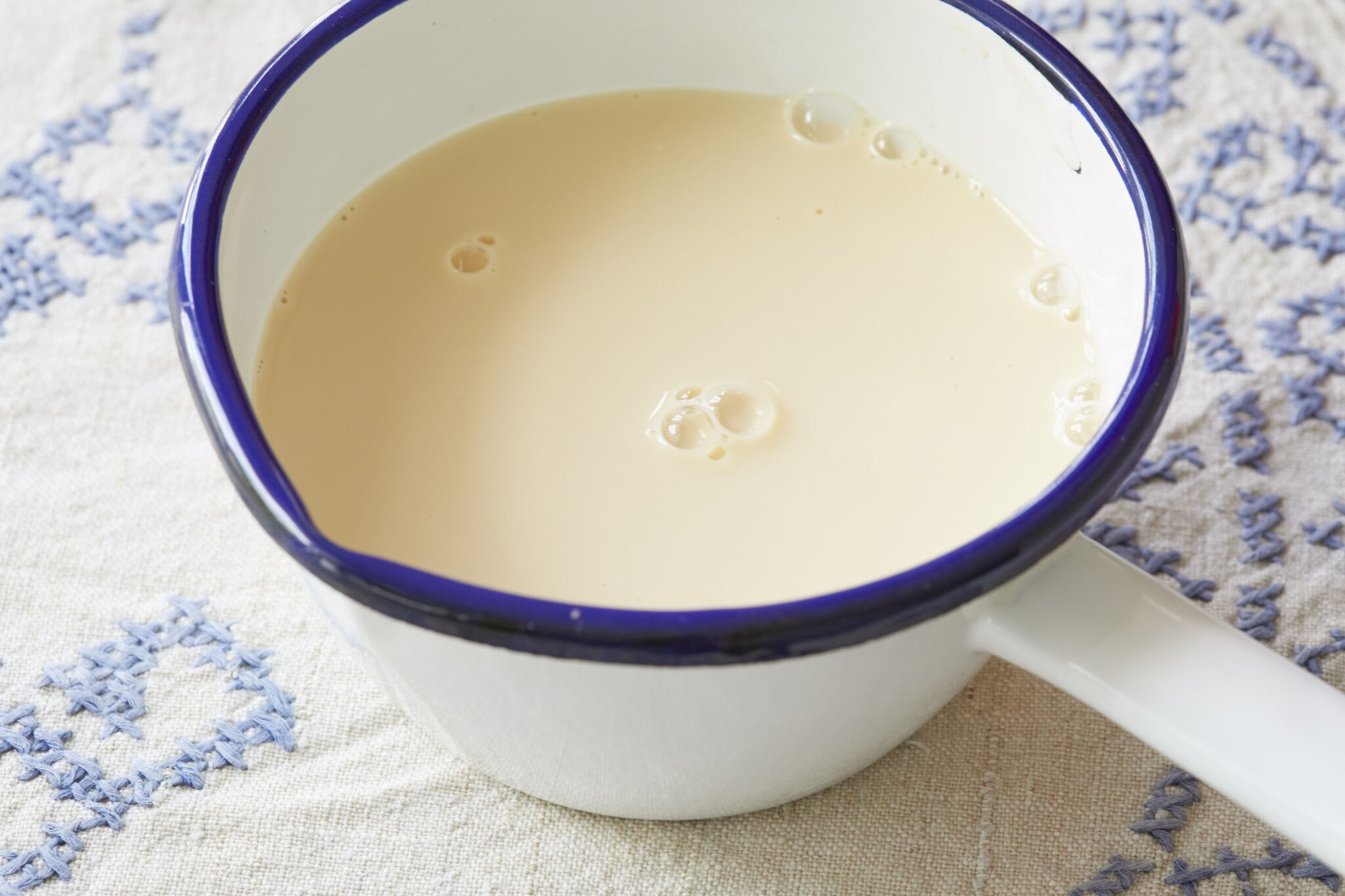
You open a can of evaporated milk for a recipe, use half of it, and then stare at the rest wondering what to do. Sound familiar? This is one of the most common food storage dilemmas in American kitchens, and the good news is that the freezer is a perfectly valid option.
The short answer is yes — you can freeze evaporated milk safely. But there are a few important things to know before you toss that can (or its contents) into the freezer. This guide covers everything from how to freeze it correctly to what it will look and taste like after thawing, so you can make the most of every can.
Can You Freeze Evaporated Milk?
Freezing evaporated milk is completely safe from a food safety perspective, but the quality and texture will change drastically. That’s the most important thing to understand upfront — this is a quality issue, not a safety one.
Evaporated milk is a shelf-stable dairy product created by removing approximately 60% of water from fresh milk through a gentle heating process. After the water content is reduced, the milk is canned and then sterilized to extend its shelf life. Because so much water has already been removed, the concentrated milk solids behave differently in the freezer than regular milk does.
Freezing unopened cans of evaporated milk is not recommended due to the risk of bursting. Always transfer evaporated milk to airtight, freezer-safe containers to maintain quality. That one rule is non-negotiable — everything else is just about getting the best results after thawing.
Pro Tip: If you only need a small amount of evaporated milk for a recipe, freeze the rest in an ice cube tray right away. Once solid, transfer the cubes to a labeled freezer bag so you can grab exactly how much you need later.
You can also check out these substitutes for evaporated milk if you find yourself without any on hand and freezing isn’t an option.
Does Freezing Change the Texture or Taste of Evaporated Milk?
Yes — and this is the part most people don’t expect. Freezing evaporated milk can lead to a change in its texture. It may separate into watery and creamy parts, which can make it grainy or lumpy. This happens because of the way water and fat interact at freezing temperatures.
When milk is frozen, the water molecules inside form ice crystals, which can cause the fat molecules to clump together and separate from the rest of the liquid. This separation can result in a slightly grainy or watery texture and a less rich, creamy flavor.
The flavor impact, however, is much less dramatic than the texture change. Thawed evaporated milk may have a slightly varied texture and taste in comparison to fresh evaporated milk; however, these changes are usually not noticeable in cooked or baked dishes. So if you plan to use it in a soup, casserole, or baked good, you likely won’t notice much difference at all.
Freezing does not significantly impact the nutritional content of evaporated milk. Substantial nutrients like calcium, protein, and vitamins remain virtually intact during the freezing and thawing process. So while the texture takes a hit, the nutritional value stays largely the same.
| Quality Factor | Before Freezing | After Thawing |
|---|---|---|
| Texture | Smooth and creamy | Grainy, separated — improves with blending |
| Taste | Rich, slightly caramelized | Mildly different; usually unnoticeable in cooking |
| Nutrition | Full calcium, protein, vitamins | Virtually unchanged |
| Food Safety | Safe | Safe (quality issue only) |
How to Freeze Evaporated Milk the Right Way
Freezing evaporated milk takes about five minutes of active prep. Follow these steps to avoid common mistakes and protect the quality of your milk.
- Never freeze in the original can. Never freeze evaporated milk in the original can. The expanding liquid can cause the can to burst, which is messy and unsafe.
- Choose the right container. Pour the evaporated milk into a freezer-safe container. Plastic or glass containers or even freezer bags would work.
- Leave headspace. Freeze evaporated milk in an airtight container and leave at least 1/2 inch headspace at the top, as milk will expand when frozen.
- Portion it out. Freeze the milk in several smaller portions to avoid having to defrost the entire container. Ice cube trays work especially well for small amounts.
- Label everything. Label containers with the freezing date to keep track of freshness and avoid waste.
- Place in the freezer immediately. Pour it into an airtight, freezer-safe container, leaving some room at the top for expansion, and then put it into the freezer immediately.
Key Insight: Freezer bags lay flat and stack easily, which saves space. If you use glass jars, make sure they are specifically rated for freezer use — regular glass can crack under the pressure of expanding liquid.
How Long Can You Freeze Evaporated Milk?
You can freeze evaporated milk and it keeps quality in the freezer for at least 3 to 6 months. Most sources land in this same range, though there is some variation depending on how well it is sealed and how consistent your freezer temperature stays.
Properly stored, it will maintain best quality for about 3 months, but will remain safe beyond that time. The freezer time shown is for best quality only — evaporated milk that has been kept constantly frozen at 0°F will keep safe indefinitely.
For practical purposes, aim to use frozen evaporated milk within 3 to 6 months. Beyond that window, freezer burn and flavor degradation become more likely, even if the milk is technically safe.
| Storage Method | How Long It Lasts |
|---|---|
| Pantry (unopened can) | Up to 12–18 months past printed date (in good condition) |
| Refrigerator (opened) | 3–5 days in a sealed container at 40°F or below |
| Freezer (transferred to airtight container) | Best quality within 3–6 months; safe indefinitely at 0°F |
According to StillTasty , unopened cans stay safe in the pantry for 12–18 months past the printed date if the can is undamaged, not bulging, not rusty, and not severely dented. Once you open a can, the clock moves much faster — opened evaporated milk lasts 3–5 days in the refrigerator if stored in a sealed glass container at 40°F (4°C) or below.
How to Thaw Frozen Evaporated Milk
Thawing correctly matters just as much as freezing correctly. The method you choose affects both the safety and the final texture of the milk.
Refrigerator thawing (recommended): The best method to defrost your frozen evaporated milk is to place it in the refrigerator a day before you intend to use it. This allows the milk to thaw gradually, maintaining its quality as much as possible. It’s best to thaw milk in the fridge — a process that can take 24 to 36 hours. This slow thawing process is best as it keeps milk at or below the required storage temperature.
Cold water thawing (faster option): If you need the milk faster, you can use the cool water thawing method. Submerge the container in a bowl of cool water until it’s defrosted, then use immediately.
Adding frozen directly to cooked dishes: Since you’re going to use the frozen evaporated milk in a cooked recipe, you can skip defrosting in many cases. Put the frozen block into the pot while cooking and let the temperature do its magic.
Important Note: Never thaw evaporated milk at room temperature for extended periods. Food shouldn’t sit at room temperature for longer than 2 hours, and you should cook it as soon as possible.
Once thawed, shake or whisk vigorously (or use a blender) to thoroughly blend the milk before using. This step helps re-emulsify the separated solids and gives you a more consistent texture for cooking.
Can You Refreeze Evaporated Milk After Thawing?
This is where you need to be careful. While it’s technically safe to refreeze evaporated milk, each freeze-thaw cycle may further degrade the texture and quality. In practice, the result after a second freeze is often too grainy and watery to be useful in most recipes.
It is not recommended to re-freeze evaporated milk as this can lead to further changes in texture and may also pose a risk for bacterial growth. The texture degradation alone is usually reason enough to avoid it.
For the best results, it’s advisable to only thaw what you need and avoid refreezing. This is exactly why portioning before freezing is so important — if you freeze in small amounts, you never have to thaw more than you need. Refreezing is not recommended due to potential quality degradation.
How to Use Frozen Evaporated Milk (Best Uses After Freezing)
Once your evaporated milk has been thawed, it won’t behave exactly like fresh-from-the-can milk. That’s fine — you just need to match it to the right recipes. Using it in cooked recipes helps to hide the separation a bit and ensures that the milk does not go to waste.
Because the texture is often compromised, thawed evaporated milk works best in recipes where its texture can be easily blended or dissolved: savory dishes like casseroles, mashed potatoes, creamy soups, gravies, and sauces. Evaporated milk adds a creamy texture and subtle caramel flavor notes to desserts and savory meals. Its versatility makes it perfect for everything from fluffy beignets to cozy baked dishes. It transforms creamy soups and winter comfort foods.
Here are the best uses for thawed evaporated milk:
- Soups and stews: Stir it in while the pot is hot and the separation disappears completely.
- Mac and cheese: If there is any leftover evaporated milk, you can add it into mashed potatoes, mac n’ cheese, soups, and stews.
- Baked goods: You can use frozen and thawed evaporated milk when baking. It is fine to be used as a substitute for milk in bread recipes and can be used to bake cakes, cookies, and even delicious pies.
- Custards and puddings: Frozen evaporated milk can be used to make desserts such as cheesecakes, puddings, and custards.
- Sauces and gravies: Heat helps re-emulsify the milk, making it a solid choice for pan sauces and cream-based gravies.
- Whipped topping: Thawed evaporated milk which is separated can be whipped up into cream. The evaporated milk needs to be thawed until it is just fluid but still very cold. Beat the evaporated milk at high speed until it forms stiff peaks. You can then add sugar to sweeten it up and use it immediately with a dessert.
Avoid using thawed evaporated milk in applications where smooth texture is non-negotiable, like black coffee, delicate cream sauces, or any cold preparation where the graininess would be visible and unpleasant. For those situations, fresh evaporated milk or a suitable substitute is the better call.
You can find a wide range of recipe ideas at Taste of Home’s evaporated milk recipe collection , which covers everything from comfort food dinners to classic American desserts — many of which work perfectly with thawed milk.
If you enjoy cooking with dairy-forward ingredients, you might also like exploring foods for healthy skin or learning about superfoods for a healthy heart to round out a nutrition-conscious kitchen.
Signs That Frozen Evaporated Milk Has Gone Bad
Separation after thawing is normal and not a sign of spoilage. But there are real warning signs you should watch for before using thawed evaporated milk in any recipe.
Telltale signs of spoilage include: a sour or off-odor, which is often the first indication; lumpiness or curdling, which suggests the milk has gone bad; and any change in color, which can indicate mold or bacterial growth. Always inspect the milk for these signs before using it.
Spoiled evaporated milk exhibits common indicators: altered color, clumps, peculiar or sour odor, or an unpleasant taste. If there is any doubt about the liquid’s quality, it is advisable to discard it.
Here is a quick reference for what is normal versus what signals a problem:
| What You See | Normal or Problem? | What to Do |
|---|---|---|
| Separation (watery + creamy layers) | Normal | Whisk or blend before using |
| Grainy or slightly lumpy texture | Normal after freezing | Blend and use in cooked recipes |
| Sour or off smell | Problem | Discard immediately |
| Yellow or brown discoloration | Problem | Discard immediately |
| Curdled or chunky texture (not from freezing) | Problem | Discard immediately |
| Unpleasant or rancid taste | Problem | Discard immediately |
The best way to tell if canned evaporated milk is bad or spoiled is to smell and look at it: if it develops an off odor, flavor, or appearance, it should be discarded. When in doubt, throw it out — evaporated milk is inexpensive enough that it is never worth the risk.
Also note that evaporated milk is typically white. If yours appears yellow, it is either off or it is actually sweetened condensed milk. These two products look similar on the shelf but behave very differently in both cooking and the freezer.
Important Note: The formation of a film, often called “milk skin,” on the surface of evaporated milk does not indicate spoilage. This is a natural result of the proteins in the milk and is harmless — simply stir it back in.
Frequently Asked Questions
Can you freeze an unopened can of evaporated milk?
Freeze only leftover evaporated milk. Freezing it unopened isn’t safe, plus it doesn’t really make sense — unopened evaporated milk lasts quite a long time. Always transfer the milk to a freezer-safe container first.
How long does evaporated milk last in the fridge after opening?
Once opened, it should be consumed within a narrow window of 3 to 5 days. Various producers provide different recommendations — PET Milk suggests using their product within 2 to 3 days, while Carnation states it can last up to 5 days. Freeze it promptly if you won’t use it within that window.
Does frozen evaporated milk taste different?
Frozen and thawed evaporated milk may have a slightly different taste compared to fresh evaporated milk, but this is usually not noticeable in cooking or baking. For raw applications like coffee or tea, the texture difference may be more apparent.
Is sweetened condensed milk the same as evaporated milk for freezing purposes?
The main difference between freezing these two is sugar. Sweetened condensed milk freezes smoothly due to its high sugar content, whereas evaporated milk becomes grainy. They are not interchangeable in the freezer — or in most recipes.
Can you use thawed evaporated milk as a coffee creamer?
Fresh evaporated milk is typically preferred for raw applications, such as in coffee or tea, as the texture and taste is more uniform. Thawed evaporated milk may appear separated and grainy in a clear beverage, so fresh is the better choice for your morning cup.
What is the best container for freezing evaporated milk?
Airtight, freezer-safe plastic containers, freezer bags, or freezer-rated glass jars all work. Freeze leftover evaporated milk in small portions to use in future recipes. Freezing in ice cube trays is a perfect way to save just a few tablespoons of this versatile product.
For more food storage and nutrition tips, explore guides on whole plant-based foods, nutrients and foods that fight cancer, or foods that support liver function — all useful reads for building a healthier, well-stocked kitchen.