How Much Does It Cost to Build a House in Fairbanks, Alaska?

October 20, 2026
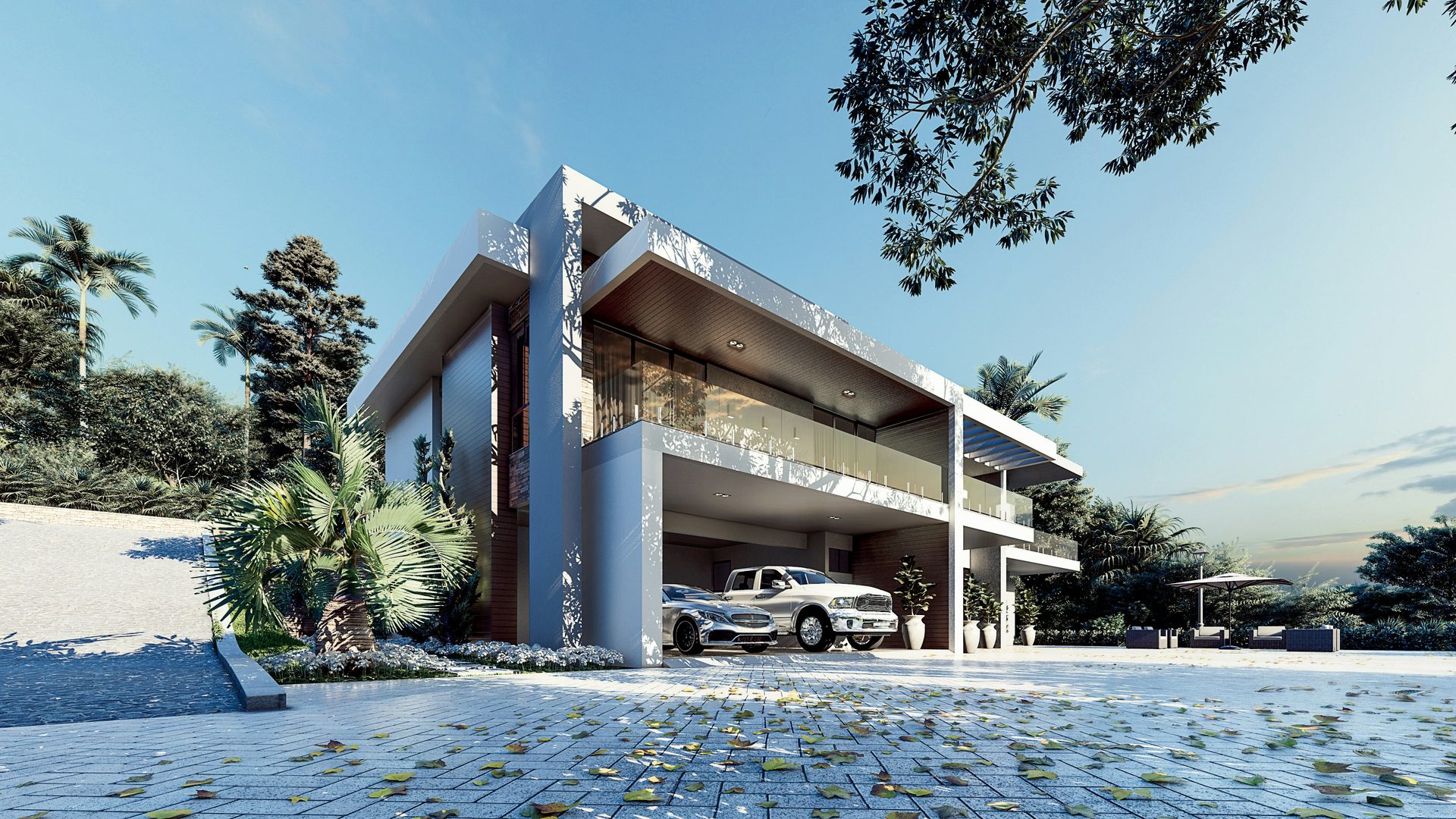
Fairbanks sits at the edge of the Arctic, where winter temperatures regularly plunge to -40°F and the ground beneath your feet may be permanently frozen. Building a home here is not like building one anywhere else in the country — and the price tag reflects that reality.
Whether you’re relocating to Interior Alaska, retiring near the University of Alaska Fairbanks, or simply determined to plant roots in one of America’s most rugged cities, understanding what construction truly costs here will save you from serious budget surprises. This guide walks you through every major cost category so you can plan with confidence.
Average Cost to Build a House in Fairbanks, Alaska
The cost to build a house in Fairbanks, Alaska ranges from $150 to $280 per square foot, depending on the grade of construction you choose — not including the cost of sitework or land. That spread is wide for a reason: a basic, energy-efficient home designed for cold-climate living looks very different from a custom-built residence with premium finishes and advanced heating systems.
The average total cost to build a house in Alaska ranges from $300,000 to $500,000, depending on size, design, and location. In Fairbanks specifically, you should expect to land at the higher end of that range — or above it — given that Fairbanks is the most expensive city to build a home in the state of Alaska.
Due to remote logistics, a short building season, and cold-weather construction requirements, state analyses estimate a local cost multiplier of 1.31 — meaning it can cost roughly 31% more to build in Alaska than elsewhere in the country. For Fairbanks, that premium is real and consistent across every trade and material category.
Key Insight: A 1,800 sq ft standard-grade home in Fairbanks will typically run $270,000–$324,000 in construction costs alone, before land, permits, or site preparation are added to your budget.
New home construction in Alaska can take anywhere from 6 to 12 months, depending on weather, availability of materials, and the labor force. In Fairbanks, the usable building season is compressed even further by extreme cold, so contractors typically push hard from late spring through early fall.
Cost to Build a House Per Square Foot in Fairbanks, Alaska
Per-square-foot pricing in Fairbanks breaks down clearly by construction grade. Understanding these tiers helps you match your expectations to your budget before you ever speak with a builder.
| Construction Grade | Cost Per Square Foot | Best For |
|---|---|---|
| Standard | $150 – $180 | Functional, energy-efficient builds with basic finishes |
| Premium | $180 – $230 | Mid-range homes with upgraded materials and systems |
| Luxury | $230 – $280+ | Custom homes with high-end finishes and advanced features |
Standard-grade construction runs $150 to $180 per square foot, premium-grade construction runs $180 to $230 per square foot, and luxury-grade construction runs $230 to $280 per square foot. These figures are for the structure itself and do not include land or sitework.
For Alaska overall, the average price per square foot ranges widely, typically falling between $250 and $350, with custom-built homes in remote locations or with specialized features reaching well above $400 per square foot — meaning a modest 2,000-square-foot home could easily start at $500,000 and climb much higher, depending on design choices and site conditions.
In most cases, 50 percent of the cost to build a house in Alaska is allocated for materials, and labor costs are 30 to 40 percent of the price. That labor share is notably higher than national norms, driven by the limited pool of skilled tradespeople available in Interior Alaska. If you’re comparing bids from other parts of Alaska, expect Fairbanks numbers to run consistently higher than the statewide average.
Pro Tip: Get at least three bids from Fairbanks-based contractors who have documented experience with cold-climate construction. Builders unfamiliar with permafrost and Arctic insulation requirements can underbid a project and then hit you with costly change orders later.
Cost Breakdown: What You’re Actually Paying For in Fairbanks, Alaska
Breaking your total budget into categories helps you identify where costs are unavoidable versus where you have flexibility. In Fairbanks, several line items are significantly larger than what you’d see in warmer-climate states.
Foundation
This is where Fairbanks diverges most dramatically from national norms. In Alaska, foundation costs could go as high as 30% of your total project cost. This is due to the type of foundation that needs to be installed — since most of Alaska has permafrost underneath, it is required that you drill the foundation deeper. Not doing so may cause your foundation to sink as the ground thaws during the summer season. For a standard home, that can easily mean $90,000–$150,000 just for the foundation.
Framing and Materials
Framing materials — including foundation, lumber, and steel beams — will require about $700 to $1,000 per thousand board feet. Material costs in Fairbanks are elevated because most supplies must be shipped in, often from Seattle or Anchorage. Material costs can vary greatly, particularly for items like lumber, concrete, and insulation, which may need to be imported from outside the state and shipped over long distances.
Insulation and Heating Systems
Alaska’s cold climate drives up construction costs, as homes must be designed with superior insulation, advanced heating systems, and durable materials that can withstand the extreme elements. High-performance insulation — including spray foam and rigid foam board — is not optional in Fairbanks; it’s a code-level necessity. Fiberglass or cellulose insulation installation costs $1.50 to $1.60 per square foot, but many Fairbanks builders go well beyond that baseline with layered systems. Some local builders have earned Six-Star energy ratings, reflecting the emphasis on thermal performance in this market.
Roofing
Roofing cost depends on the type of material you select, the roof’s slope, and the size of your home. In Fairbanks, steep-pitch roofs designed to shed heavy snow loads are standard. Metal roofing is common because it handles freeze-thaw cycles better than asphalt shingles.
Flooring, Cabinetry, and Finishes
The cost of wood flooring installation in Alaska ranges between $8 and $13 per square foot. Granite countertops and teak wood cabinets in kitchens may cost between $52 and $60 per square foot.
Plumbing and Electrical
The cost to install sinks, faucets, showers, and PVC pipes throughout a home is between $91 and $103. In Fairbanks, pipes must be insulated and often heat-taped to prevent freezing, which adds to both materials and labor. Electrical work in cold climates also requires additional weatherproofing measures.
Permits and Professional Fees
Building permit fees vary by location but generally range from $1,000 to $4,000. The complexity of the project and local regulations can also affect permit costs. Professional fees — including architects and engineers — run approximately $11.82 to $88.68 per square foot. Note that Alaska does not have a statewide building code, but there may be local codes to meet. The Fairbanks North Star Borough has its own permitting requirements, so confirm all local regulations with your contractor before breaking ground.
| Cost Category | Estimated Cost Range | Notes |
|---|---|---|
| Foundation | Up to 30% of total build cost | Permafrost requires deep drilling |
| Framing / Materials | ~50% of total build cost | Shipping from outside state adds cost |
| Insulation & Heating | Elevated vs. national average | High-performance systems required |
| Roofing | Varies by material and pitch | Metal preferred for snow shedding |
| Flooring | $8–$13 per sq ft (wood) | Cold-tolerant materials preferred |
| Cabinetry & Countertops | $52–$60 per sq ft | Higher-end finishes push toward top |
| Permits & Professional Fees | $1,000–$4,000+ permits; $11–$88/sq ft fees | Local borough codes apply |
| Site Preparation | 3–8% of total project cost | Grading, excavation, clearing |
You should also budget for landscaping. 10% of your construction cost is a feasible budget for an average landscaping job for your home, including all yards and sides. In Fairbanks, this often includes gravel driveways, drainage management, and vegetation suited to subarctic conditions.
Cost of Land in Fairbanks, Alaska
Land pricing in the Fairbanks area varies enormously depending on whether you’re buying a residential lot inside the city, a larger parcel in the surrounding borough, or raw wilderness acreage farther out.
For residential building lots and smaller parcels near Fairbanks, there are currently properties for sale near Fairbanks with an average listing price of $280,885, and the average cost to buy is $44,204 per acre. That average is pulled upward by larger rural parcels; in-city residential lots suitable for a single-family home tend to be priced on the total lot cost rather than per-acre.
The median price per acre in Fairbanks North Star Borough is $3,863, though this figure reflects the broad mix of rural, semi-rural, and wilderness parcels across the entire borough. For a standard residential building lot within or close to the city, expect to pay considerably more per acre but less in total because the lots are smaller.
Desirable recreational land with waterfront access commands premium land pricing between $10,000 and $30,000+ per acre near areas like Fairbanks. If you’re drawn to a property along the Chena River or another waterway, plan your land budget accordingly.
Important Note: Alaska is a non-disclosure state, meaning actual sale prices are not publicly reported. Listed prices are a starting point, but actual transaction prices may differ. Always work with a local real estate agent who has access to comparable sales data in the Fairbanks North Star Borough.
Beyond the purchase price, you must clear and level the land before construction, which can cost anywhere between $5,000 and $30,000. In Fairbanks, site preparation also includes soil testing for permafrost depth — a step that can significantly affect your foundation design and overall budget. Site preparation typically adds 3–8% to the entire project cost.
If you’re also weighing rental options while your home is being built, it helps to understand the apartment rental market in Alaska to plan your interim housing budget.
Factors That Affect Building Costs in Fairbanks, Alaska
Several variables push the final cost of your Fairbanks home up or down. Understanding them before you finalize plans can save you tens of thousands of dollars.
Permafrost Conditions
Not all land in the Fairbanks area has the same permafrost profile. Some lots have deep, stable permafrost; others have discontinuous permafrost that shifts seasonally. You need to know how shallow the permafrost is and whether it will affect your construction project. Pile driving may cost a lot, and it’s best that you prepare for it. A geotechnical soil report before purchase is money well spent.
Labor Availability
After speaking with contractors across various trades in Fairbanks, a clear theme has emerged: fewer workers are taking on residential jobs. With strong demand in commercial construction, many skilled laborers are choosing larger, more stable projects, leaving a limited supply of labor for homebuilding and remodeling. This competition for skilled tradespeople directly drives up wages and can extend your construction timeline.
Construction Season
Harsh winters can limit the building season, while transporting materials to remote locations or rural plots often requires specialized logistics that add significantly to the overall expense. Most Fairbanks builders target a May-through-September window for exterior work, which creates scheduling bottlenecks and can increase costs if your project runs into cold weather.
Material Shipping and Supply Chain
These numbers are higher than the national average due to Alaska’s remote geography and the challenges of transporting materials. Everything from lumber to windows to HVAC equipment arrives via barge or truck from the Lower 48, and freight costs are built into every supplier’s price. When national supply chains tighten, Fairbanks feels it faster and harder than most markets.
Home Size and Design Complexity
Generally, the building cost per square foot decreases as the size of the house gets bigger and increases as the house gets smaller. A 2,500 sq ft home spreads fixed costs — permits, mobilization, foundation engineering — across more square footage than a 1,200 sq ft home does. Building a custom home with unique architectural features, high-end finishes, or energy-efficient systems can significantly raise the overall cost compared to a more standard, builder-grade home.
Energy Code and Efficiency Requirements
Alaska’s building codes are designed to address the state’s distinctive environmental and seismic conditions, which means permits, engineering, and compliance processes may differ from what many are familiar with in other states. Meeting — or exceeding — local energy standards adds upfront cost but pays back through dramatically lower heating bills over the life of the home.
Property Taxes and Insurance
The average property tax rate is 1.16% in Alaska, which is higher than the 0.90% national average. However, there is no income tax in Alaska, which helps offset the property tax burden for many homeowners. On the insurance side, home insurance costs are expected to rise 8% in 2025, driven largely by climate-related losses and increased rebuilding costs. Homeowner’s insurance for a $400,000 home in Alaska costs an average of $2,064 per year, according to Insurance.com.
Common Mistake: Budgeting for national-average construction costs and then applying them to a Fairbanks project. The local cost multiplier, permafrost requirements, and compressed building season routinely push final costs 25–40% above what the same home would cost in the continental U.S.
Building vs. Buying a House in Fairbanks, Alaska
The decision to build or buy in Fairbanks involves a straightforward financial comparison — but also a lifestyle question about how much customization matters to you.
It is usually cheaper to buy a home than to build a new one. However, by building your own home, you have the freedom to customize it to your needs. In Fairbanks, that customization argument carries extra weight because older homes often have outdated insulation systems, aging heating equipment, and foundations that may have shifted due to permafrost movement. A new build lets you design everything to current cold-climate standards from the start.
You can buy a home in Alaska for around $389,000 on the existing market, and you can also find homes for sale in Alaska under $300,000 within 1.5 to 2 months. Buying a turnkey home is not just cheaper but also faster in the current Alaska housing market.
| Factor | Building New | Buying Existing |
|---|---|---|
| Typical Cost | $300,000–$500,000+ (construction only) | ~$389,000 median (statewide) |
| Timeline | 6–12 months | 1.5–2 months to close |
| Customization | Full control over design | Limited without renovation |
| Energy Efficiency | Built to current standards | May require costly upgrades |
| Foundation Risk | Engineered for current permafrost | Unknown historical permafrost shifts |
| Financing | Construction loan required | Standard mortgage available |
While building a house allows for customization, it is generally more expensive than buying an existing home due to Alaska’s high labor costs and material costs. That said, if you plan to stay in Fairbanks long-term, a new build engineered for extreme cold can reduce your annual heating costs significantly — a real financial consideration when heating oil and propane prices in Interior Alaska are among the highest in the nation.
Financing a new build requires a construction loan rather than a standard mortgage. The two most prominent home construction loans are the construction-to-permanent loan, which covers land purchases and home-building costs, and standalone construction loans that convert to a mortgage at completion. Closing costs are usually two to five percent of the price of the home.
If you’re weighing living options in other parts of the country before committing, it’s worth comparing housing costs in markets like Honolulu, San Francisco, or Manhattan to understand how Fairbanks fits into the broader housing landscape.
How to Save Money When Building a House in Fairbanks, Alaska
Building in one of the country’s most expensive construction markets doesn’t mean you’re powerless over your budget. Several strategies can meaningfully reduce what you spend without compromising the quality your home needs to survive Interior Alaska winters.
Choose a Simple, Efficient Floor Plan
Complex rooflines, cantilevered sections, and irregular shapes all add labor and material costs. A compact, rectangular footprint with a straightforward roof pitch is cheaper to build, easier to insulate, and performs better in extreme cold. The building cost per square foot decreases as the size of the house gets bigger, so a well-designed 1,600 sq ft home can deliver more value per dollar than a sprawling 2,400 sq ft layout with wasted space.
Invest in Energy Efficiency Upfront
The upfront cost of triple-pane windows, advanced vapor barriers, and high-efficiency heating systems pays back through lower operating costs every year you live in the home. In Fairbanks, where heating seasons run eight or more months, the return on energy efficiency investments is faster than in almost any other U.S. market. Some local builders offer Six-Star energy-rated homes that dramatically cut utility bills.
Time Your Build Strategically
Building a house in Alaska usually takes about seven months from contract to completion. Starting the permitting and design process in late fall or winter — when contractors are less busy — can help you lock in better pricing and secure your preferred builder before the spring rush. Avoid mid-season project starts that force crews to work against the clock before cold weather arrives.
Source Materials Early
Material lead times in Fairbanks are longer than in the Lower 48. Ordering windows, doors, roofing materials, and HVAC equipment well in advance of your scheduled installation date prevents expensive delays that extend your construction loan period. Each additional month of carrying a construction loan adds to your total cost.
Consider Modular or Prefabricated Construction
Modular homes built to Alaska’s cold-climate standards in a controlled factory environment can reduce on-site labor time significantly. Because the compressed Fairbanks building season is one of your biggest cost drivers, reducing the number of on-site labor hours is a direct cost-saving strategy. Ask builders about panelized wall systems and pre-engineered roof trusses as a minimum.
Get a Soil Report Before You Buy Land
Spending $1,500–$3,000 on a geotechnical report before purchasing a lot can save you from a foundation cost nightmare. A lot with deep, stable permafrost or well-drained gravel soil will require a far less expensive foundation than one with shallow, ice-rich permafrost that demands extensive pile driving.
Work with Local, Experienced Contractors
Hiring local home builders near your construction site may reduce costs, but their availability can also affect your timeline. Contractors who have built extensively in Fairbanks know local material suppliers, understand permafrost behavior in specific neighborhoods, and have established relationships with inspectors — all of which reduce costly surprises. You can also explore whether a smaller outbuilding or greenhouse on your property is worth adding to the project scope while your crew is already mobilized.
Plan Your Interior Budget Carefully
You should allocate 25% to 30% of your budget to interior renovations and finishes. In a high-cost market like Fairbanks, this is one area where you have genuine flexibility. Starting with mid-grade finishes and upgrading over time is a financially sound approach — the structure, insulation, foundation, and mechanical systems are where you should never cut corners.
Pro Tip: Ask your builder about the Alaska Housing Finance Corporation (AHFC) programs. AHFC offers energy-efficiency rebates and financing programs for new construction that meets specific performance standards — potentially saving thousands on both your build cost and long-term energy bills.
Building in Fairbanks demands serious financial preparation, but it also rewards careful planning. By understanding where costs are fixed versus flexible, timing your project well, and working with contractors who know Interior Alaska’s unique demands, you can build a home that performs for decades in one of the most demanding climates on earth. For additional housing cost context across different U.S. markets, you can explore apartment costs in cities like Washington D.C., Miami, or New Jersey to benchmark what your housing dollar buys across the country.