Can You Freeze Cabbage Slaw? What Actually Works (and What Doesn’t)

November 9, 2026
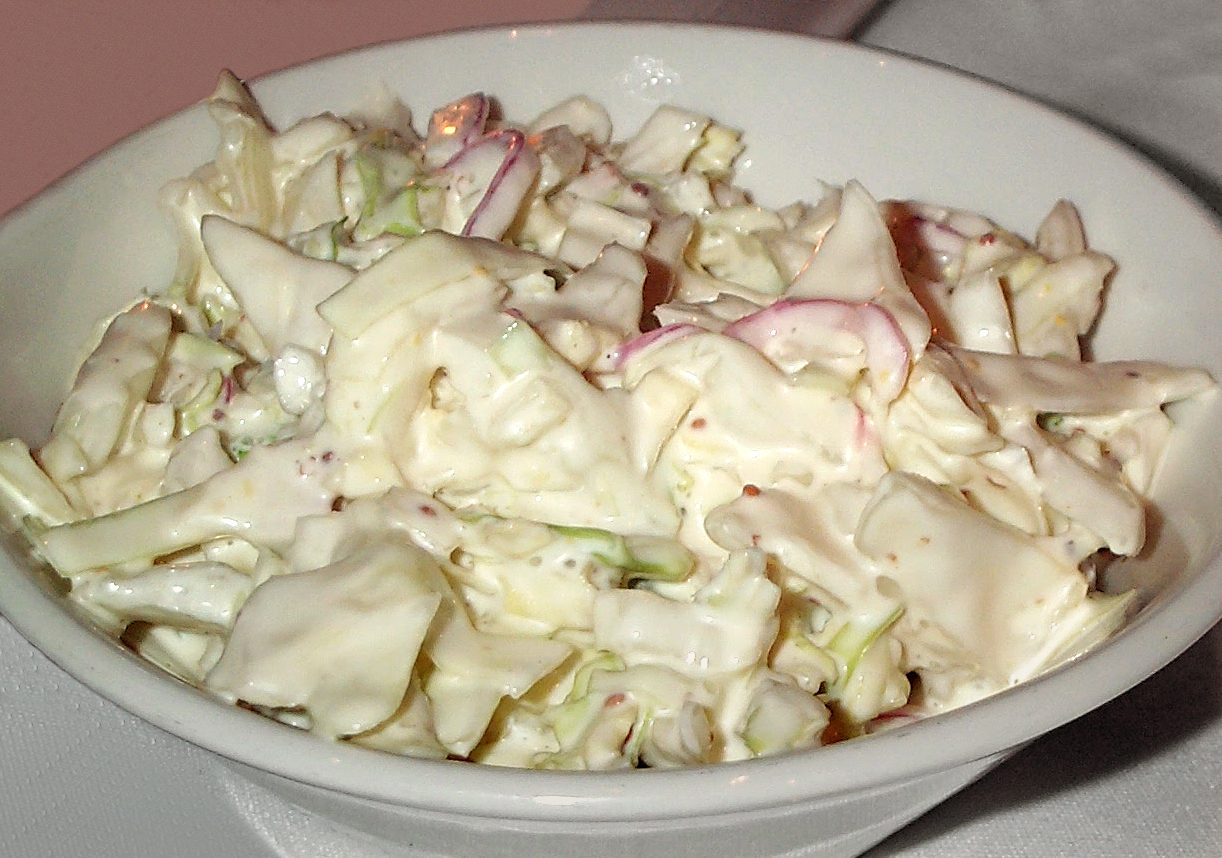
Cabbage slaw is one of those dishes that shows up at every summer cookout, potluck, and weeknight dinner — and it almost always makes too much. If you’ve been staring at a big bowl of leftover slaw wondering whether the freezer is a safe option, the answer is: it depends on what’s in it.
The type of dressing you used makes all the difference. Freeze the right kind of slaw the right way, and you’ll have a ready-to-use side that holds up well in cooked dishes and even some fresh applications. Freeze the wrong kind, and you’ll end up with a watery, separated mess that’s hard to salvage. This guide walks you through everything you need to know before you open that freezer drawer.
Can You Freeze Cabbage Slaw?
Yes, you can freeze coleslaw. Coleslaw is traditionally made with shredded cabbage, shredded carrots, and a mayo-based dressing along with seasonings. It’s usually served fresh for the best texture, but you can still freeze it for convenience. The catch is that not all slaws freeze equally well.
Mayonnaise-based slaws do not freeze well because the mayonnaise tends to separate and become watery once thawed. Freezer slaw works best with vinegar-based dressings, which help preserve the texture and flavor of the cabbage. If your slaw is dressed with mayo, you’re better off eating it within a few days rather than freezing it.
You can freeze coleslaw as long as the dressing doesn’t contain mayonnaise. Vinegar-based slaw — sometimes called Carolina-style in the American South — is your best candidate for the freezer. Undressed slaw mix also freezes reasonably well if you handle it properly before freezing.
Pro Tip: If you want to make a batch of slaw specifically for freezing, skip the mayo entirely. Use a vinegar-and-sugar dressing before freezing, then stir in fresh mayo after thawing if you prefer a creamy version.
Does Freezing Change the Texture or Taste of Cabbage Slaw?
The primary issue with freezing cabbage slaw lies in the high water content of its ingredients. Cabbage, carrots, onions, and other typical slaw components are naturally laden with water. When these vegetables are frozen, the water inside them expands, forming ice crystals. As the slaw thaws, these ice crystals melt, causing the vegetables to become mushy and lose their crispness.
Even with the best freezing method, those fresh veggies that give coleslaw its signature texture just won’t be the same post-freezer. “The cabbage and carrots also tend to lose their crunch after freezing, leaving you with limp, sad slaw,” according to chef Dennis Littley of The Takeout .
Coleslaws with vinegar or mustard-based dressings tend to freeze better. The lack of dairy or egg in the dressing means they are less prone to separation and textural changes, and these types maintain their flavor and texture better after thawing. That said, even a well-prepared vinegar slaw will be noticeably softer than fresh.
While freezing can slightly reduce the levels of certain water-soluble vitamins, such as vitamin C, the overall nutritional content of the cabbage and other vegetables remains largely intact. So from a nutrition standpoint, frozen slaw is still a worthwhile option — especially if the alternative is throwing it away. Cabbage is a whole plant-based food with solid nutritional value worth preserving.
How to Freeze Cabbage Slaw the Right Way
How you prepare the slaw before it goes into the freezer has a big impact on what comes out the other side. Follow these steps to get the best possible result.
- Salt the cabbage first. The secret lies in the salting process. Salt draws moisture from cabbage, preventing ice crystals from forming and maintaining crispness when frozen. Toss the shredded cabbage with salt, let it sit for about an hour, then drain and squeeze out as much liquid as possible before mixing.
- Choose a vinegar-based dressing. A vinegar-based dressing keeps things crisp and tangy — and holds up beautifully, staying crunchy even after being frozen and thawed. Combine vinegar, water, sugar, and celery seed in a saucepan, bring to a boil, and let it cool before pouring it over the cabbage.
- Cool completely before freezing. Allow the slaw to cool completely before transferring it to freezer containers. Putting warm slaw into the freezer raises the internal temperature of surrounding food and promotes ice crystal formation.
- Portion into smaller containers. Portioning the slaw into smaller, airtight containers or freezer bags before freezing allows you to thaw only the amount you need, preserving the rest for later use.
- Remove as much air as possible. Squeeze out as much air as possible from the containers or bags to prevent freezer burn and maintain the slaw’s quality.
- Label with the date. Label and date your frozen cabbage slaw to keep track of its freshness. Store it in the coldest part of your freezer, away from items that may cause flavor transfer.
Pro Tip: If you’re freezing undressed slaw mix, consider blanching the shredded cabbage for 1–2 minutes in boiling water, then immediately transferring it to an ice bath before drying and freezing. Blanching helps to stop enzyme actions that can cause loss of flavor, color, and texture.
How Long Can You Freeze Cabbage Slaw?
Storage time depends on whether your slaw is dressed and what type of dressing it contains.
| Slaw Type | Max Freezer Time | Notes |
|---|---|---|
| Vinegar-dressed slaw | Up to 3 months | Best quality within the first 1–2 months |
| Undressed slaw mix (blanched) | Up to 12 months | Blanching extends shelf life significantly |
| Undressed slaw mix (unblanched) | 1–2 months | Use quickly; texture degrades faster |
| Mayo-dressed slaw | 1 month (emergency only) | Expect significant texture and flavor loss |
Once your slaw is frozen, use it within two months and thaw it slowly in the fridge for the best results. After the one-to-two month mark, the texture and flavor will continue to deteriorate, and it may become less palatable.
Unprepared coleslaw mix — the kind sold in bags at the grocery store — can be stored in the freezer for up to 12 months when properly blanched and dried before freezing. That’s a significant window for meal prep planning.
How to Thaw Frozen Cabbage Slaw
The best way to thaw frozen slaw is in the refrigerator overnight. This allows for a slow and even thawing process, which minimizes textural changes. Plan ahead and move your slaw from the freezer to the fridge the evening before you need it.
Rapid thawing at room temperature is not recommended. It causes uneven thawing and gives bacteria a chance to multiply in the outer layers while the center is still frozen. If you’re in a rush, you can thaw coleslaw in a cold water bath — just make sure to keep it in its sealed bag or container.
Once it’s thawed, don’t skip the drain step. After thawing, thoroughly drain the slaw to remove as much excess liquid as possible. This will help to improve the texture, though it won’t restore the original crispness. Give it a good stir and taste it before serving — a splash of fresh vinegar or a pinch of salt can go a long way toward perking up the flavor.
Pro Tip: Once you’ve defrosted your vinegar-based freezer slaw, simply add mayo, mix everything together, taste for seasoning, and then serve — this gives you a creamy coleslaw without the dressing separation problem.
Can You Refreeze Cabbage Slaw After Thawing?
While coleslaw can be frozen, the outcome varies depending on the dressing used and your personal taste. Expect some texture changes in the thawed product. Refreezing coleslaw is not recommended due to further texture and quality degradation.
Each freeze-thaw cycle pushes more water out of the cabbage cells, making the slaw progressively soggier and more flavorless. By the time you refreeze and thaw a second time, you’re left with something that’s barely recognizable as slaw. The practical solution is to portion the slaw into smaller, airtight containers or freezer bags before the initial freeze, so you can thaw only the amount you need.
If you’ve already thawed a batch and have leftovers, store them in the refrigerator and use them within two to three days. Once thawed, freezer slaw can be stored in the refrigerator for three to five days. Keep it in an airtight container to maintain freshness and give it a good stir before serving to redistribute the dressing.
How to Use Frozen Cabbage Slaw (Best Uses After Freezing)
Thawed slaw isn’t going to hold up as a fresh, crunchy side dish the way it did before freezing — but that doesn’t mean it’s useless. The key is matching it to applications where the softer texture actually works in your favor.
- Pulled pork sandwiches and BBQ plates. Freezer slaw adds a crisp and tangy contrast to pulled pork, making it even more flavorful. The vinegar in the dressing cuts through the richness of the meat beautifully.
- Soups and stews. Add thawed coleslaw to soups and stews for extra flavor and nutrients. The cabbage softens right into the broth, making it a natural addition to vegetable or chicken soup.
- Stir-fries. Include thawed coleslaw in stir-fries as a quick and easy way to add vegetables. The cabbage wilts quickly over high heat, so it works well as a last-minute addition.
- Tacos and wraps. Fill tortillas with freezer coleslaw, grilled chicken or tofu, sliced avocado, and cilantro. Drizzle with lime juice for a refreshing twist. Fish tacos in particular are a classic pairing for tangy slaw.
- Casseroles. Mix thawed coleslaw into casseroles for added bulk and flavor. It blends right in with other vegetables and adds a mild cabbage flavor to the dish.
- Revived fresh slaw. Incorporating freshly shredded cabbage, carrots, or other vegetables can help add back some of the lost crunch. Whisking in fresh mayonnaise, vinegar, or other dressing components boosts the flavor and improves consistency.
Cabbage is also a genuinely nutritious vegetable worth working into your diet regularly. It shows up in traditional South African food, German cuisine, and traditional Greek dishes — all cultures that have long valued cabbage as a staple ingredient in both raw and cooked preparations.
Signs That Frozen Cabbage Slaw Has Gone Bad
Freezing slows bacterial growth but doesn’t stop quality from declining over time. Knowing when to toss your frozen slaw is just as important as knowing how to store it.
A slimy or slick texture is the clearest sign of spoilage in coleslaw. If the cabbage shreds feel slimy or slick rather than crisp, the coleslaw has gone bad — discard immediately. This applies to both dressed coleslaw and undressed mix.
An off or sour smell is another key indicator. Fresh coleslaw should smell clean, cabbage-like, and mildly tangy if dressed. A noticeably sour, fermented, or off smell that is different from the natural dressing smell means the coleslaw has spoiled. Note that vinegar-based coleslaw has a naturally tangy smell — the test is whether the smell has changed significantly since you made or opened it.
Visible mold — any fuzzy spots in green, black, or white — means you should discard the entire container. Do not attempt to scoop around mold in a salad.
Significant discoloration is also a warning sign. Cabbage that has turned brown, grey, or darkened beyond normal is decaying. A small amount of edge browning on the cut cabbage can be normal oxidation, but widespread discoloration means the coleslaw is past its prime.
Separately, watch for freezer burn. Although the coleslaw remains safe to eat if kept continuously frozen, discard it if you notice signs of freezer burn, such as discoloration or a dry, leathery texture. Freezer burn doesn’t make the food unsafe, but it severely affects the taste and texture. Longer storage times increase the likelihood of freezer burn and overall quality degradation.
Important Note: The FDA 2-hour rule applies directly to coleslaw: slaw left at room temperature for more than 2 hours should be discarded. At outdoor temperatures above 90°F, that window drops to 1 hour. Never refreeze slaw that has been left out at room temperature.
Frequently Asked Questions
Can you freeze store-bought bagged coleslaw mix?
Yes. You can open the bag and blanch the coleslaw before freezing, or you can freeze it without blanching — just put the bag into another bag, seal tightly, and keep it in the freezer. For best results, use it within 2 to 3 months if you don’t blanch it.
Does mayo-based coleslaw freeze at all?
If you’ve already made coleslaw with mayonnaise, you can freeze it — it will still be safe to eat, it just won’t look or taste as good once thawed. Plan to use it only in cooked dishes after thawing, not as a fresh side.
What is freezer slaw?
Freezer slaw is a vinegar-dressed slaw recipe that delivers big flavor with minimal effort. It’s crisp, tangy, and slightly sweet — and holds up beautifully, staying crunchy even after being frozen and thawed. Many home cooks in the American South have made it a tradition to batch-prepare freezer slaw during peak cabbage season for use at cookouts and gatherings throughout the year.
Can you freeze coleslaw without the dressing?
Freezing coleslaw without the dressing has several advantages: it minimizes the risk of sogginess and texture changes, allows you to add fresh dressing for better flavor, and prevents the separation and spoilage that can occur with dressings. This is the method most food storage experts recommend for the best outcome.
How long does thawed coleslaw last in the fridge?
The best way to store coleslaw is in the refrigerator. Properly stored coleslaw can last for 3 to 5 days in the refrigerator. Store it in an airtight container to maintain its freshness and prevent it from drying out. Once thawed, treat it like fresh coleslaw and use it promptly.
Is watery coleslaw after thawing a sign that it’s spoiled?
The veggies will lose their crispness and the whole salad may become watery after freezing, but watery coleslaw isn’t necessarily spoiled (provided there aren’t any other signs of spoilage). It doesn’t look pretty, and the taste is so-so at best, but it’s still okay to eat. Drain the excess liquid, give it a stir, and assess the smell and texture before serving.
If you’re exploring more ways to make the most of nutrient-rich vegetables in your kitchen, take a look at these superfoods for a healthy heart and powerful nutrients and foods that fight cancer — cabbage makes appearances on both lists.