Can You Freeze Almond Milk? What Actually Happens and How to Do It Right

November 8, 2026
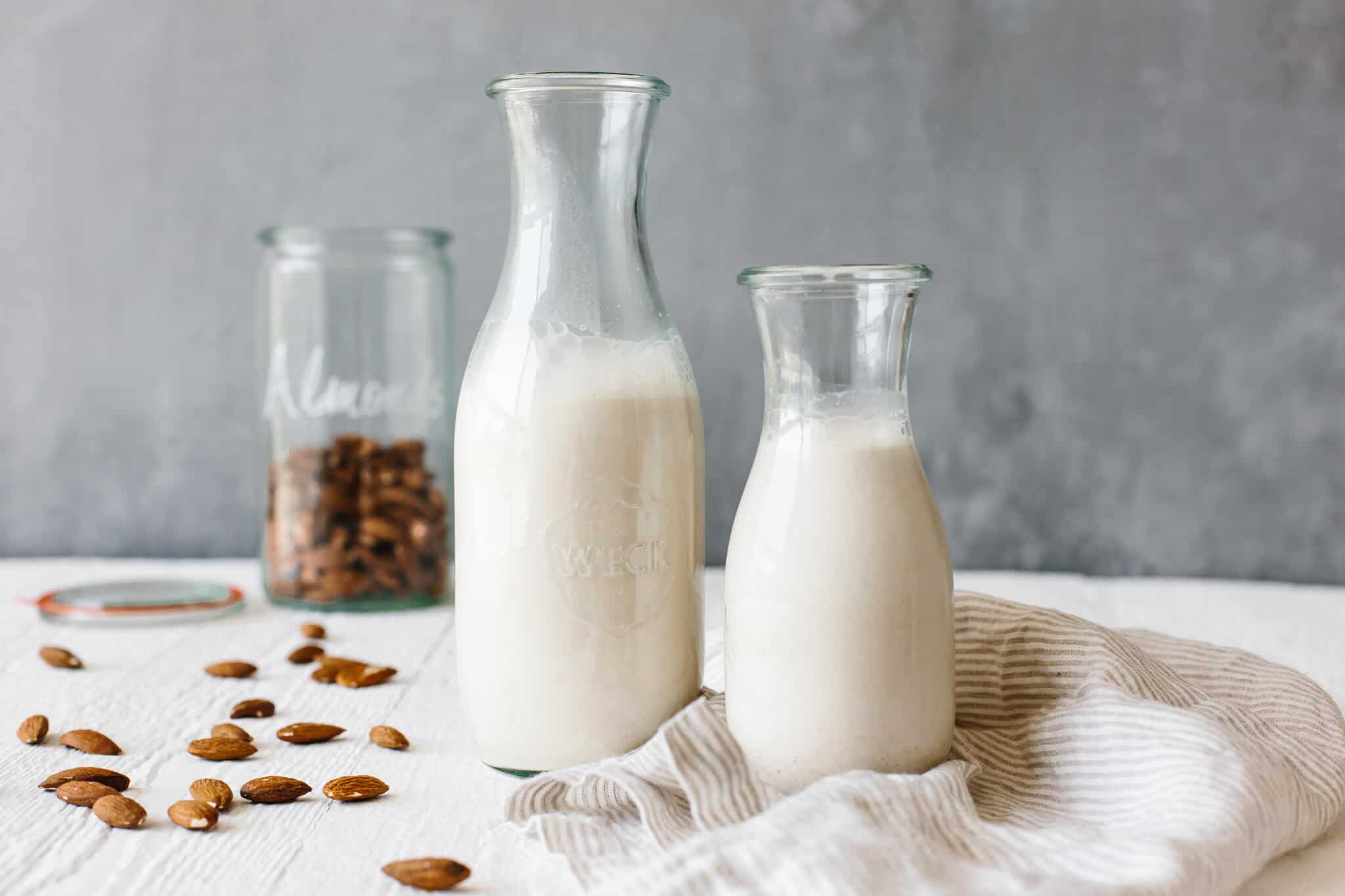
You open the fridge, grab your carton of almond milk, and realize you won’t finish it before it goes bad. Sound familiar? If you’ve ever wondered whether you can just toss it in the freezer, you’re not alone — and the good news is that yes, you can freeze almond milk.
The catch is that freezing changes it in ways you need to understand before you do it. Knowing what to expect, how to freeze it properly, and which recipes still work well with thawed almond milk will save you both money and frustration. This guide covers everything you need to know.
Can You Freeze Almond Milk?
Freezing almond milk is a perfectly safe process that prevents waste and extends your milk’s shelf life for one to six months. That said, it comes with a significant trade-off you should know about upfront.
While it is safe to freeze almond milk, most brands advise against it. This is because when the almond milk thaws after it’s been frozen, it separates — the solids fall to the bottom while the liquids rise to the top. This is not a sign that the milk has gone bad; it’s simply a physical reaction to the freezing process.
Almond milk is basically almonds and water blended together to create a slurry. That slurry is then strained of large solids, and the remaining liquid is almond milk. Since the almond and water aren’t technically combined, they may separate when frozen. Understanding this makes it much easier to set the right expectations.
You can safely freeze both store-bought and homemade almond milk, although store-bought almond milk is slightly easier to freeze due to the added stabilizers. If you plan to use it in cooking or baking rather than drinking it straight, freezing is a smart, practical option. You can also explore substitutes for almond milk if you’re out and need an alternative in a pinch.
Does Freezing Change the Texture or Taste of Almond Milk?
Yes — and this is the part most people wish they’d known sooner. Almond milk may separate into solids and liquids after freezing and thawing, so the overall texture can become grainy or gritty. This doesn’t affect its safety or nutritional value, but it can affect the milk’s consistency when consumed directly or added to beverages.
When frozen, ice crystals form, disrupting the emulsion between oil, water, and solids, which leads to phase separation upon thawing. Emulsifiers are commonly added to commercial almond milk to improve its texture and prevent separation. These substances work by dispersing fat molecules throughout the liquid, creating a more homogenous mixture. By doing so, emulsifiers help maintain the smooth consistency of almond milk, even when exposed to freezing temperatures.
Some individuals may notice a slight variation in the taste of frozen or thawed almond milk, particularly when consumed directly. The naturally sweet and nutty flavor of almond milk can become slightly muted, leading to a subtler taste profile. If this affects your enjoyment, you can avoid drinking it on its own and simply use it in cooking or baking.
Pro Tip: Store-bought brands that list lecithin or other emulsifiers in their ingredients tend to freeze and thaw with less separation than brands with minimal additives. If you freeze almond milk regularly, try a few brands to find one that holds up better.
Though the nutritional value is not impacted, the freezing and thawing will cause separation of the milk resulting in a changed texture. So while it won’t be quite the same to drink, it remains perfectly usable in the right recipes. For a broader look at how almond milk compares to other plant-based options, see this breakdown of almond milk vs. coconut milk.
How to Freeze Almond Milk the Right Way
There are two reliable methods for freezing almond milk: using an ice cube tray for small portions, or using airtight containers or freezer bags for larger amounts. Both work well — the right choice depends on how you plan to use it.
Method 1: Ice Cube Trays (Best for Small Portions)
Using an ice cube tray is a favorite way to freeze almond milk. It is super convenient because you can pull as many cubes as you need for a recipe, without defrosting more than you need. A silicone ice tray with a lid works best so that the cubes easily pop out and the liquid doesn’t spill before it’s had a chance to set.
- Give the almond milk a good shake before pouring.
- Pour almond milk into a silicone ice cube tray, filling each slot nearly full.
- Cover with a lid or plastic wrap to prevent spills and absorbing freezer odors.
- When your milk ice cubes have formed, pop each ice cube out of the tray and transfer them to a freezer bag. Mark the date on the bag so you know how long they’ve been stored.
- Measure the volume one cube holds so you know how many to pull for a recipe.
Method 2: Airtight Containers or Freezer Bags (Best for Larger Amounts)
Pour the almond milk into a plastic container or resealable freezer bag, leaving at least ½ inch of headspace in the container to allow for expansion during freezing. This step is non-negotiable — liquid expands as it freezes, and skipping it can crack containers or burst bags.
- Portion the almond milk into recipe-sized amounts so you only thaw what you need.
- Remove as much air as possible before sealing. This can prevent freezer burn and help maintain the almond milk’s original taste and texture.
- Lay the bags flat on a tray or a cookie sheet. This will help distribute the milk evenly and allow faster freezing.
- Label the bag with the date and contents before placing it in the freezer.
Important Note: Do not freeze almond milk in its original sealed carton. While you can technically freeze almond milk in its original carton, it’s not recommended due to expansion during freezing, which could cause the carton to burst.
How Long Can You Freeze Almond Milk?
You can freeze almond milk for up to 3 months for best results, or up to 6 months. The quality difference between those two windows is real, though. Using it within the first 2 to 3 months ensures the best taste and texture.
There is also a difference between store-bought and homemade almond milk when it comes to freezer life. Homemade almond milk often separates more dramatically due to the lack of commercial stabilizers and is best used within one month.
| Type of Almond Milk | Best Quality By | Maximum Freezer Life |
|---|---|---|
| Store-bought (with stabilizers) | 2–3 months | Up to 6 months |
| Homemade (no stabilizers) | 1 month | Up to 3 months |
Frozen almond milk is good for up to 6 months. It won’t necessarily be bad after that point, but it will certainly have a less appealing texture. The sooner you can use your frozen almond milk, the better. Always label your containers with the freeze date so you’re not guessing later.
How to Thaw Frozen Almond Milk
How you thaw almond milk matters just as much as how you freeze it. Thawing it too fast or at the wrong temperature can affect both texture and safety.
The Refrigerator Method (Recommended)
When you’re ready to use the almond milk, take it out of the freezer and place it in the refrigerator to thaw. It’s important to thaw the almond milk slowly in the refrigerator rather than at room temperature, as this will help to maintain its flavor and texture.
For a cup or two, thaw it for two to three hours; for larger amounts, like a full container, allow it to thaw overnight. Once fully thawed, be sure to blend your almond milk to return it to a creamy texture. Place it in the blender for 20 to 30 seconds to combine the solids and the liquids.
The Warm Water Method (When You’re in a Hurry)
If you need your almond milk defrosted more quickly, you can opt to submerge it in warm water. You can do this by placing the frozen container of almond milk into a larger bowl filled with lukewarm water. If it’s not fully thawed, place it in the refrigerator to finish the process.
Do not defrost at room temperature because of the risk of bacteria growth. Once thawed, use the defrosted almond milk within 3 days.
Pro Tip: After thawing, always shake or blend the almond milk before using it. Once the almond milk has thawed, it may separate into different layers. Shake it well to recombine the layers. If shaking doesn’t work, you can blend it until it returns to its original consistency.
Can You Refreeze Almond Milk After Thawing?
No — refreezing thawed almond milk is not recommended. Do not refreeze your almond milk after thawing. This will cause more ice crystals to form, which can make it even more watery or lead to unwanted flavor changes.
Refreezing almond milk that has already been defrosted once is not a good idea. The freezing effects on almond milk will only increase after you try to freeze it again. The texture and taste will degrade significantly with each freeze-thaw cycle.
The best way to avoid this problem is to freeze almond milk in single-serving or recipe-sized portions from the start. Having the milk frozen in cubes makes it super easy to thaw precisely as much as you need. If your recipe calls only for a couple of tablespoons of this nutty drink, cubes are perfect. This approach means you never need to refreeze what’s left over.
How to Use Frozen Almond Milk (Best Uses After Freezing)
Thawed almond milk won’t taste great poured over cereal or sipped from a glass, but it works beautifully in a wide range of cooked and blended applications. Freezing is best suited for non-direct consumption purposes where texture isn’t critical.
- Smoothies: Smoothies are, besides cooked and baked dishes, the best option to use frozen and thawed almond milk. The thicker the smoothie, the less visible the changed texture of defrosted almond milk.
- Baking: While the texture of almond milk changes during the freezing process, it’s still good to use in baking as you would fresh milk. Think muffins, pancakes, quick breads, and cakes.
- Iced Coffee: You can add any kind of frozen almond milk to your morning brew to create a flavorful iced coffee. Dropping frozen cubes directly into hot coffee is an easy way to chill and lighten it at the same time.
- Soups and Sauces: Anything that’s cooked on the stove and calls for almond milk is a good candidate. The heat and other ingredients mask any textural changes completely.
- Oatmeal and Hot Cereal: Frozen almond milk cubes are also good for adding to a child’s hot cocoa, hot oatmeal, or hot soup to help cool things down while adding a bit of flavor.
- Dairy-Free Ice Cream: Frozen almond milk can be a creative ingredient for dairy-free ice cream, yogurt, and other culinary creations.
For more ideas on how almond milk fits into a health-conscious diet, take a look at these whole plant-based foods worth adding to your routine. Almond milk also pairs well with recipes focused on superfoods for a healthy heart and dishes designed to promote healthy skin.
Signs That Frozen Almond Milk Has Gone Bad
Separation after thawing is normal and does not mean your almond milk has spoiled. But there are real signs of spoilage you should watch for before using any thawed almond milk.
| Sign | What It Means | What to Do |
|---|---|---|
| Sour or off smell | Bacterial growth has occurred | Discard immediately |
| Thick, clumped texture that won’t blend | Milk has spoiled | Discard immediately |
| Unusual or bitter taste | Flavor degradation or spoilage | Discard if taste is clearly off |
| Separation into layers | Normal freezing effect | Shake or blend — safe to use |
| Slightly paler color | Normal cosmetic change from freezing | Safe to use |
The easiest way to determine that your almond milk has become spoiled is to smell it. Spoiled almond milk has a really bad, sour stench. If this product has started to go off, you will find that the texture changes — it may be thick and clumped together. You may also find that almond milk has an odd or sour taste.
Freezing can cause slight discoloration, leading to a paler appearance compared to fresh almond milk. However, this is merely a cosmetic change and does not impact the taste or nutritional value of the milk. When in doubt, do a quick smell test before using it in any recipe. For a broader look at foods that support your body, check out these foods that can help enhance your liver function and foods that promote healthy eyesight.
Frequently Asked Questions
Can You Freeze Almond Milk in the Carton?
It is not recommended to freeze almond milk in the carton. The carton almond milk is packaged in is not freezer-friendly. You are much better off freezing it in ice cube trays or in freezer-safe containers. If you only have a partially filled carton with some headspace, you can pour the milk into a freezer-safe container before freezing.
Can You Freeze Homemade Almond Milk?
Yes, you can freeze homemade almond milk. However, since homemade almond milk may not contain emulsifiers or stabilizers, the texture and consistency might be more affected by the freezing and thawing process. Plan to use homemade frozen almond milk within one month for the best results, and always blend it thoroughly after thawing.
Can You Freeze Almond Milk Creamer?
Yes, you can also freeze almond milk creamer. Follow the same guidelines of freezing in a freezer-safe container and thawing overnight, then blending to return to a smooth texture.
How Do You Know If Frozen Almond Milk Is Still Good?
As long as the almond milk has been stored properly and hasn’t been contaminated, thawed almond milk is safe to consume. Always check for any off smells or unusual textures before use. If it passes the smell test and blends back together after shaking, it’s good to go in a recipe.
Can You Freeze Almond Milk for Smoothies?
Absolutely — smoothies are one of the best uses for frozen almond milk. The two best ways to utilize your frozen plant milk involve leaving it in its frozen state. You can add any kind of frozen almond milk to your morning brew or drop the cubes directly into a smoothie recipe. The blending process naturally recombines the separated solids and liquids, so the texture issue essentially solves itself.
Does Freezing Almond Milk Affect Its Nutrition?
While the nutritional content remains largely unchanged, the mouthfeel and appearance degrade significantly after defrosting. The nutritional value of this lactose-free milk remains the same — freezing is a physical process, not a chemical one, so vitamins and minerals stay intact. For more on nutrient-dense foods and how they support your health, explore this guide to powerful nutrients and foods that fight cancer.