
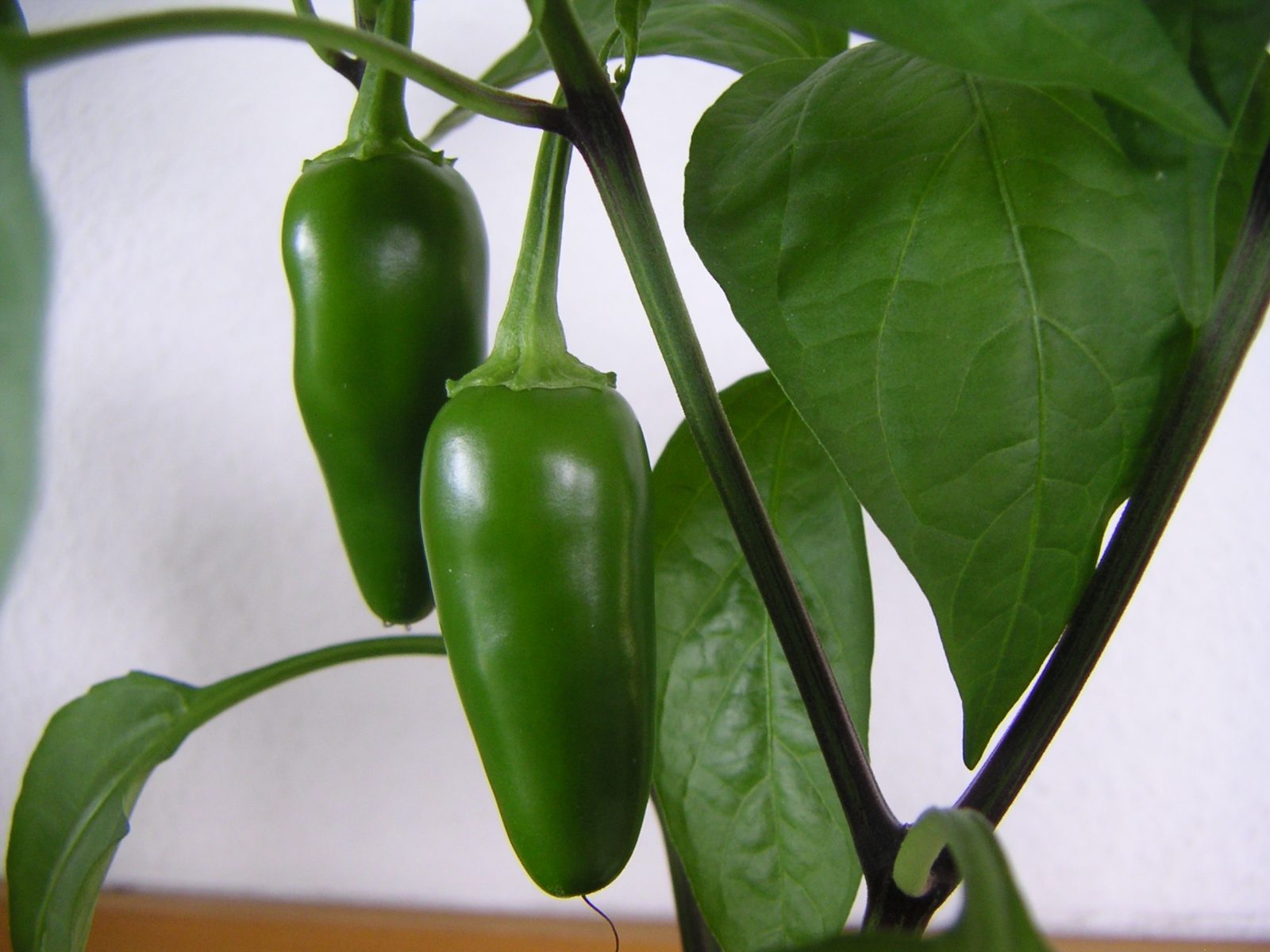
If you’ve ever ended up with more jalapeños than you can use — whether from a backyard harvest or a sale at the grocery store — you’ve probably wondered whether the freezer can save them. The good news is that freezing jalapeños is one of the easiest preservation methods out there, and it works remarkably well for this particular pepper.
Jalapeños hold up better in the freezer than many vegetables because of their relatively low water content and the chemical stability of capsaicin, the compound that gives them their heat. Whether you’re stocking up for chili season, saving the last of a summer garden crop, or just trying to cut down on food waste, this guide walks you through everything you need to know — from prep to storage to spotting spoilage.
Can You Freeze Jalapeños?
When you have a large harvest or an excess of peppers, you might wonder whether you can freeze jalapeño peppers. Freezing jalapeños is almost as simple as it sounds. One great way to save jalapeños for later use is to freeze them — you can freeze them whole, sliced, or diced.
You can freeze jalapeño peppers without blanching them. There is no need to blanch them or any type of pepper before freezing. This makes jalapeños one of the most beginner-friendly vegetables to freeze, since you skip the extra boiling and cooling steps required for many other produce items.
Jalapeños have a relatively low water content compared to many vegetables, which means they hold up better in the freezer than you might expect. The capsaicin — the compound responsible for the heat you feel when you bite into a jalapeño — is remarkably stable through freezing and thawing. Your peppers will be just as spicy coming out of the freezer as they were going in.
Pro Tip: Always start with the freshest jalapeños you can find. Freezing preserves quality — it doesn’t improve it. Choose firm, dark green peppers without soft spots, wrinkles, or blemishes for the best results after thawing.
Does Freezing Change the Texture or Taste of Jalapeños?
Freezing does change the texture slightly. Thawed jalapeños will be softer than fresh ones, which makes them less ideal for eating raw but perfect for cooking. This is a trade-off worth understanding before you freeze, so you can plan how you’ll use them later.
You will notice a change in the texture — the slices will be softer and the seeds may have turned brown. This won’t affect the flavor, and you won’t notice the texture unless you use them in a recipe that doesn’t get cooked. For that reason, frozen jalapeños work best in hot dishes rather than fresh applications like raw salsa or sliced toppings on sandwiches.
As for heat level, peppers like jalapeños stay spicy after being frozen because the capsaicin that gives them their heat is not affected by the freezing process. Capsaicin is an oily substance resistant to heat, cold, and most solvents, which means it won’t break down or evaporate easily. Sure, the flavor of the jalapeños may change slightly after being frozen, but the heat from the capsaicin will remain present after thawing.
There is one nuance worth knowing: freezing jalapeños does not increase their intrinsic capsaicin content (the chemical that makes them hot), but it can change the eating experience so they may seem hotter. Capsaicin is stable to freezing — freezing does not create more capsaicin molecules or convert non-pungent compounds into capsaicin. The perceived increase in heat comes from cell wall rupture during freezing, which releases capsaicin more readily on the palate.
How to Freeze Jalapeños the Right Way
You have a few options depending on how you plan to use the peppers later. The method you choose — whole, sliced, or diced — will determine how convenient they are to grab and cook with down the road.
Step 1: Choose and Wash Your Peppers
Choose jalapeños that are a smooth, dark green with few blemishes. Avoid those that are wrinkled or bruised. Freezing jalapeño peppers does not require blanching, so don’t worry about that extra step. Make sure all excess water is wiped off and peppers are as dry as possible to avoid freezer burn.
Step 2: Decide How to Cut Them
Decide whether you want to freeze them whole, sliced, or diced. Preserving whole jalapeños is good if you want to use them for stuffed peppers or jalapeño poppers. If you don’t plan on making those specific recipes, it’s probably better to freeze them sliced or diced, since that’s how they are used in most recipes.
It’s best to remove the seeds and membranes from jalapeños before freezing, but you can certainly leave them if you prefer. They will be spicier if you keep the membranes especially. Wear gloves to avoid skin irritation from capsaicin, a compound found in jalapeños.
Step 3: Flash Freeze on a Baking Sheet
To avoid your peppers sticking together while frozen, place a single layer of whole jalapeños or sliced jalapeños on a baking sheet or cookie sheet lined with parchment paper. Place them in the freezer and leave them for one to two hours. Flash freezing prevents the pieces from clumping into one solid block, so you can grab exactly the amount you need later.
Step 4: Transfer to Freezer Bags and Remove Air
Put your sliced or whole peppers in thick plastic freezer bags. To avoid freezer burn on your peppers, remove all of the air possible from the freezer bags before sealing and placing them in your freezer. Silicone bags are not recommended for jalapeños because the spicy compound in the peppers, capsaicin, can rub off on the silicone and be difficult to remove. Keep jalapeños in plastic bags or freezer-safe glass to prevent lingering jalapeño on your containers.
If you don’t have a vacuum sealer, you can use the straw trick to remove air from a ziplock bag. Fill the bag with frozen peppers, then place a straw through the zipper and close the zipper except where the straw is. Suck out as much air as possible, then zip the bag shut as you remove the straw.
Pro Tip: Label each bag with the pepper type, cut style, and freeze date. After a few weeks in the freezer, a bag of diced jalapeños looks identical to a bag of diced serranos. A quick label saves a lot of guesswork.
Optional: Blanching for Longer Storage
Blanching briefly in boiling water can help preserve color and slightly firm up the texture. It’s optional for jalapeños but worth doing if you plan to store them for more than six months. Drop the jalapeños into boiling water for 2 minutes (whole) or 1 minute (sliced or diced). Immediately transfer them to an ice bath with a slotted spoon. Drain well and pat dry, then flash freeze on a baking sheet before transferring to bags.
How Long Can You Freeze Jalapeños?
Properly packaged jalapeños will maintain their best quality for 8 to 12 months in a standard home freezer set to 0°F (-18°C) or below. They’re still safe to eat beyond that window, but flavor and texture will gradually decline.
Storage method matters. If you vacuum seal your peppers, they’ll last closer to 1 year or longer. In glass jars, it’s generally best to eat your frozen peppers within 3 to 6 months. For the longest shelf life, vacuum sealing is the gold standard. It removes nearly all air contact and prevents freezer burn far better than zip-top bags.
| Storage Method | Best Quality Window | Maximum Safe Window |
|---|---|---|
| Zip-top freezer bags | 3–6 months | Up to 12 months |
| Freezer-safe glass jars | 3–6 months | Up to 12 months |
| Vacuum-sealed bags | 8–12 months | 12+ months |
Ideally, you should try to use up all of your frozen jalapeños within 1 year. It is okay to keep jalapeño peppers frozen for longer than a year, though you may begin to notice negative changes in flavor and color. Think of the quality window as a guide, not a hard expiration date.
How to Thaw Frozen Jalapeños
The good news is that thawing is often optional. For cooked dishes, you often don’t need to thaw at all. Toss frozen slices or diced pieces directly into the pan, pot, or slow cooker. They’ll release a small amount of water as they heat, which evaporates quickly.
When you do need to thaw them, the refrigerator is the safest method. If you need to thaw them — for instance, to stuff jalapeño halves — place them in a single layer on a plate in the refrigerator for a few hours. Avoid thawing at room temperature, which can make them mushy.
If you thaw on the counter or paper towel, remove the desired jalapeños from the freezer bag and place them on a paper towel or mesh rack to thaw. This will reduce moisture and condensation on the peppers and reduce the likelihood of soggy jalapeños.
Important Note: Once you remove jalapeños from the freezer to thaw, plan to use them within a day or two. Do not refreeze thawed peppers, as the texture degrades significantly with a second freeze-thaw cycle.
Can You Refreeze Jalapeños After Thawing?
It’s technically possible to refreeze jalapeños, but it’s not recommended. Once thawed, use your jalapeños within a day or two. Refreezing degrades texture significantly. Each freeze-thaw cycle causes more ice crystals to form and rupture cell walls, leaving you with mushier, more watery peppers.
The best way to avoid this situation entirely is to freeze in small, recipe-sized portions from the start. If you use a vacuum sealer, make small batches for use throughout the year. That way, you can open a bag and use it all without the need to re-seal. Portioning by tablespoon or by the number of peppers you typically use in one recipe makes the freezer much more practical on a weeknight.
If your jalapeños were thawed in the refrigerator and have only been there for a day, refreezing is less harmful than if they were thawed at room temperature. Still, the quality loss is real — save refreezing as a last resort rather than standard practice. You can also learn about whole plant-based food storage strategies to get more mileage out of your produce purchases.
How to Use Frozen Jalapeños (Best Uses After Freezing)
Although frozen peppers lack the crispy texture of fresh peppers, they maintain their flavor and heat level for up to a year. Fresh jalapeño peppers work best for fresh salsa, nachos, and tacos, but frozen peppers work perfectly in soups, stir-fries, and when making baked jalapeño poppers with cream cheese and other stuffed pepper appetizers.
Here are the best ways to put your frozen jalapeños to work:
- Soups, stews, and chili — Add directly from frozen. Just break off a chunk and add them into whatever you’re cooking frozen. They’ll thaw in just a couple of minutes in your hot dish and give a great addition with lots of flavor.
- Sauces and salsas — You can use frozen jalapeños for making fresh salsa. Just make sure you thaw out and dry the peppers completely before chopping for the salsa.
- Jalapeño poppers — Yes, you can use your frozen jalapeños for jalapeño poppers. However, if you blanched your fresh jalapeños before freezing, they will not have the stiffness necessary to support the popper filling. Freeze without blanching if poppers are your goal.
- Stir-fries — Jalapeños add a nice kick to a stir-fry. Cook the peppers straight from the freezer without thawing.
- Hot sauce — Use your jalapeños to make a tasty homemade hot sauce. They can be cooked beforehand, or just thawed and blended with other ingredients.
- Pasta and casseroles — Since jalapeño slices are already prepped and ready to go, you can toss them directly into your stir fry, soup, or casserole. These jalapeños can be sauteed with your favorite veggies, stirred into soups or stews, or baked into creamy casseroles.
Jalapeños are a popular ingredient in many American regional dishes, from Tex-Mex and Southwestern cooking to Southern cornbread and game-day dips. Having a stash in the freezer means you’re always ready to add heat to your cooking without an extra grocery run. If you’re exploring spicy cuisine more broadly, check out these food festivals in Texas where jalapeño-forward cooking takes center stage.
Jalapeños also bring real nutritional value to your meals. There are many incredible benefits of eating jalapeños, including an increase in vitamins A, B, and C. For more on how peppers and other produce support your health, see this guide to powerful nutrients and foods that fight cancer and this overview of superfoods for a healthy heart.
Signs That Frozen Jalapeños Have Gone Bad
Properly frozen jalapeños that are used within 12 months are almost always safe to eat, but there are situations where quality or safety can be compromised. Know what to look for before you cook with them.
- Severe freezer burn — Dry, grayish-white patches on the surface of the peppers indicate freezer burn. The peppers are still safe to eat, but the affected areas will taste bland and papery. Trim them off or use the peppers in heavily seasoned dishes where the off-flavor won’t be noticeable.
- Off smell — Bad jalapeños contain a strong sour smell when cutting into the pepper; discard any jalapeño peppers with an off smell. A normal jalapeño has a fresh, slightly grassy, peppery scent.
- Discoloration beyond browning seeds — If the jalapeño has turned black or brown in spots, throw it out — these are signs that it’s gone bad. If the skin looks dry and is beginning to pull away from the flesh, it’s likely past its shelf life and may lack flavor or be bitter.
- Slimy or mushy texture after thawing — Some softening is normal and expected. But if the peppers feel slimy or fall apart completely when thawed, they’ve degraded beyond use. This often happens when peppers were not dried thoroughly before freezing, or when they’ve been stored too long.
- Visible mold — Any visible mold growth means the peppers should be discarded immediately. This is rare in properly frozen peppers but can occur if there was excess moisture in the bag.
Important Note: Texture softening alone is not a sign of spoilage — it’s a normal result of freezing. Use your nose and eyes together to evaluate frozen jalapeños. Smell is often the most reliable indicator that something has gone wrong.
Eating well and storing food properly go hand in hand. If you’re interested in how specific foods affect your body, this guide to foods that enhance liver function and this resource on fibroid healing foods offer practical, research-backed information.
Frequently Asked Questions
Do You Have to Blanch Jalapeños Before Freezing?
You can freeze jalapeños without blanching. Fresh jalapeños can be frozen without blanching, though blanching may help preserve quality during long-term storage. For most home cooks, skipping blanching and going straight to flash freezing produces excellent results.
Does Freezing Make Jalapeños Hotter?
Does freezing jalapeños make them hotter? No. The heat level is affected more by the seeds and ribs than the process of freezing them. That said, some people perceive thawed jalapeños as slightly spicier because the ruptured cell walls release capsaicin more readily into the mouth.
Can You Freeze Jalapeños Whole?
Jalapeño peppers are small enough to be frozen whole. In fact, most hot peppers — habaneros, ghost peppers, and others — are on the small side and freeze best without chopping. You’ll also avoid getting any hot pepper juices on your hands. Whole peppers are best for recipes like jalapeño poppers or stuffed peppers where shape matters.
Can You Freeze Pickled Jalapeños?
Yes, it is entirely possible to freeze pickled jalapeños. The pickling process actually helps preserve the peppers, making them ideal for freezing. Freezing can slightly alter the texture of pickled jalapeños, making them a bit softer upon thawing. The flavor, however, remains largely unaffected, ensuring that fiery kick in your meals.
Can You Cook Frozen Jalapeños Without Thawing?
You don’t need to defrost frozen jalapeños before using them in cooked dishes; simply add the frozen peppers directly to soups, stews, or casseroles. This approach maintains their flavor and texture, making freezing jalapeños a convenient option. Thawing is only necessary when the shape or texture of the pepper matters, such as for stuffing or slicing.
How Should I Store Jalapeños in the Freezer to Prevent Freezer Burn?
Oxygen is the enemy of your frozen jalapeños, so use proper freezer bags. These thick-walled and double-sealed bags will keep your peppers tasting great for many months to come. Remove as much air as possible before sealing, and always dry the peppers thoroughly before freezing — moisture in the bag accelerates freezer burn.
Looking for more ways to make the most of your pantry and reduce food waste? Explore this guide to foods that start with Q for some surprising ingredients worth keeping on hand, or browse tips on foods for healthy skin to round out your nutrition goals.