Can You Freeze Corn on the Cob? Everything You Need to Know

November 8, 2026
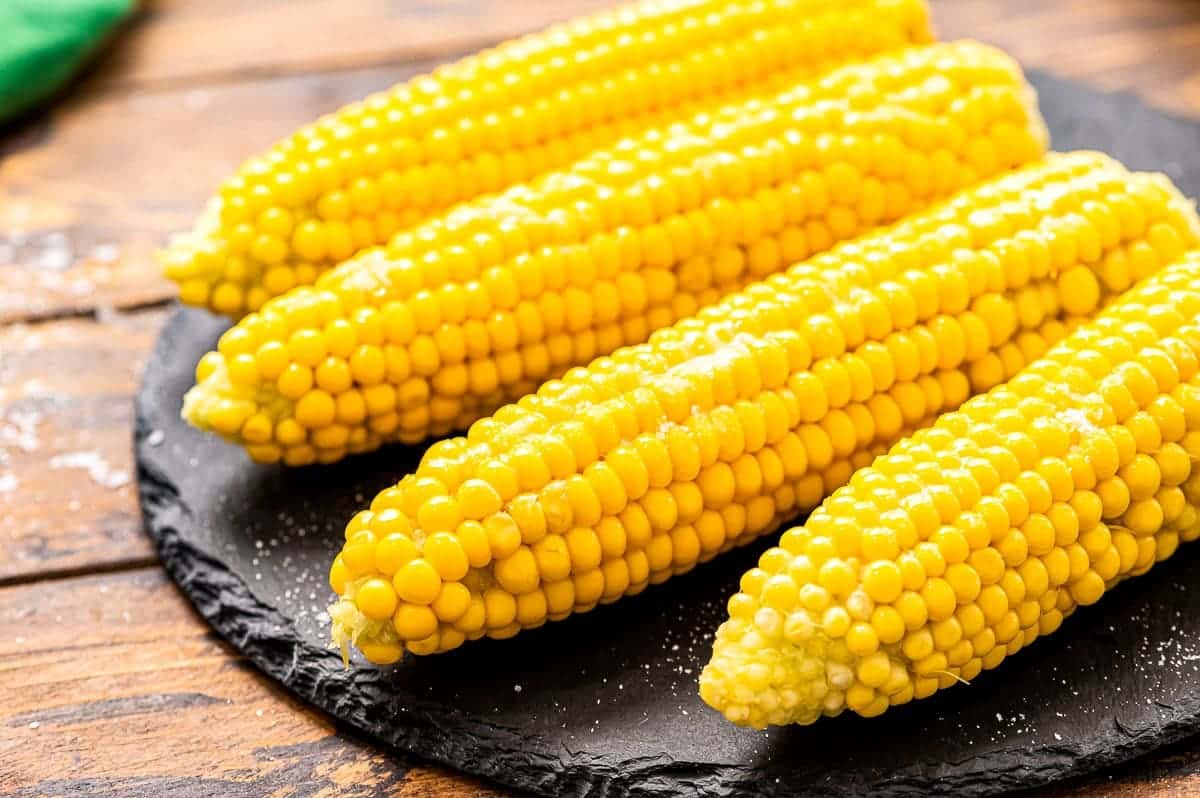
Sweet corn is one of summer’s best foods — and one of its shortest seasons. Whether you pick it up from a farmers market in Iowa, grab a dozen ears from a roadside stand in Georgia, or stock up at a Midwest grocery store in July, fresh corn on the cob has a way of disappearing fast. The good news is that you do not have to say goodbye when the season ends.
Corn freezes excellently, maintaining just about all its sweet flavor and crunchy, bouncy texture. With the right technique, you can pull ears out of the freezer in December and still taste summer. This guide walks you through every step — from blanching to thawing to spotting signs of spoilage — so your frozen corn comes out great every time.
Can You Freeze Corn on the Cob?
Yes, absolutely. Corn is one of the easiest vegetables to freeze. Start with corn that’s as freshly picked as possible, then choose the method that works best for you: freezing whole cobs, or slicing off the kernels and freezing them either raw or cooked.
The one thing you want to avoid is waiting too long after harvest. When freshly picked, sweet corn is high in natural sugar and low in starch. After corn is picked, the sugars in the kernel turn to starch in only two hours, changing the flavor and even the texture when it’s cooked. So it’s important to get it into the freezer quickly once it’s taken from its stalk for that amazing flavor.
You have a choice between freezing the whole cob or cutting the kernels off first. Whole cobs are convenient for serving, but they take up significantly more freezer space. Corn lovers are often disappointed with the mushy, rubbery texture and the cobby taste when frozen on the cob. It also takes up more space in the freezer. For most home cooks in the US, freezing the kernels off the cob is the more practical route.
Pro Tip: Buy your corn from a local farm stand on the day it was picked. Corn starts converting its natural sugars to starch within hours of harvest, so the fresher the ear, the sweeter your frozen corn will be.
Does Freezing Change the Texture or Taste of Corn on the Cob?
Freezing does affect corn somewhat, but how much depends on your method. The biggest factor is whether you blanch before freezing. The natural enzymes in corn need to be inactivated before freezing to prevent both loss of color and nutrients along with flavor and texture changes. These enzymes are inactivated by a hot blanch.
Skip the blanch, and those enzymes keep working in the freezer, slowly breaking down the corn’s sweetness and making the texture gummy or starchy. Blanching slows or stops the action of enzymes which cause loss of flavor, color, and texture. Blanching also cleanses the surface of dirt and organisms, brightens the color, and helps retard loss of vitamins.
If you do freeze corn on the cob whole, be prepared for a softer result. When you reheat frozen corn on the cob, you don’t get back the original texture. Keeping it on the cob makes it mushier. The flavor is fine, but it’s softer. For dishes where texture matters — like eating it straight off the cob — this is worth knowing upfront.
For cooked recipes, the difference is barely noticeable. Blanching before freezing gives corn a bit of a texture edge, but it’s a small difference. For cooked or baked dishes like creamed corn, corn risotto, casseroles, or cornbread, the end product will be nearly identical. If you enjoy cornbread as part of your holiday table, frozen corn kernels work just as well as fresh in the batter.
How to Freeze Corn on the Cob the Right Way
There are three solid methods depending on how much time you have and how you plan to use the corn later. Blanching first is the recommended approach for the best long-term quality.
Method 1: Blanch, Then Freeze Kernels (Best for Long-Term Storage)
This is the method recommended by the National Center for Home Food Preservation and preferred by most food preservation experts. Here is how to do it:
- Shuck the corn. Remove the green and white husk surrounding the corn on the cob, as well as any strands of corn hair. Inspect the kernels and trim off any damaged spots.
- Blanch in boiling water. Water blanch for 4 minutes. Cool promptly, drain, and cut from the cob. Cut kernels from the cob about 2/3 the depth of the kernels.
- Ice bath immediately. Once the corn has been in the boiling water, use tongs to transfer it to the ice water. Leave the corn in ice water for about five minutes or until cooled. This stops the cooking and prevents a starchy texture.
- Cut the kernels off. Stand the cob upright in a large bowl and slice downward with a sharp knife. The bowl catches the kernels and contains the mess.
- Pack and freeze. Remove as much air as possible, seal, label, and freeze. Place bags in the freezer in single layers. This allows the corn to freeze quickly. When the corn is completely frozen, you may stack the bags for convenience.
Method 2: Freeze Whole Cobs (Convenient but Space-Heavy)
Husk and blanch corn cobs using the same blanching methods. Cool and drain the cobs. Wrap ears individually with plastic wrap. Then place the cobs in gallon freezer bags or wrap in freezer paper. Seal, label, and freeze. This method works well if you want to serve corn on the cob at a later dinner, but plan for the softer texture when reheated.
Method 3: Freeze Raw Kernels (Fastest, Shorter Shelf Life)
If you don’t have the time to blanch corn, you can also freeze raw sweet corn. Remove the husks, slice off the kernels, and transfer them to freezer bags. Use within 3 months for best results, but the corn may last up to 6 to 8 months. This is a good option when you are in a hurry, but plan to use the corn in soups or stews where texture is less critical.
Pro Tip: Blanching the corn preserves its flavor and texture, and it will kill any germs that are potentially on the corn kernels. It is the one step worth taking even when you are short on time.
How Long Can You Freeze Corn on the Cob?
Storage time depends on your method and packaging. Here is a quick comparison:
| Freezing Method | Recommended Storage Time | Notes |
|---|---|---|
| Blanched kernels (freezer bag) | 8–12 months | Best overall quality |
| Blanched whole cobs | 8–12 months | Takes more freezer space |
| Vacuum-sealed (blanched) | Up to 12 months | Best protection against freezer burn |
| Raw kernels (unblanched) | 3–6 months | Quality declines faster |
According to the National Center for Home Food Preservation, frozen vegetables generally keep in the freezer for 8–12 months. No longer than a year is ideal. Properly stored, frozen corn will maintain best quality for about 12 months in the freezer, although it will usually remain safe to eat after that.
Another advantage of blanching the corn is that it will keep its flavor longer in the freezer. Blanched corn will stay fresh in the freezer for about 12 months, while raw corn will lose quality after six months. If you want to stretch your supply further, vacuum sealing can protect your corn from freezer burn and ensure it stays fresh for up to a year.
Keep your freezer at a consistent 0°F or below. Maintaining a consistent freezer temperature of 0°F (−18°C) or lower is critical. Avoid frequent thawing and refreezing, as this degrades the quality and can compromise safety.
How to Thaw Frozen Corn on the Cob
You have a few options depending on how quickly you need the corn and what you plan to do with it.
- Cook straight from frozen (easiest). Bring a large pot of water to a boil. Drop the frozen corn on the cob into the pot. Cook for 3 to 5 minutes until the kernels are bright yellow and burst easily when poked with a fork.
- Refrigerator thaw (safest). This is the slowest but safest method. Allow the corn to thaw in the refrigerator for several hours or overnight. Once thawed, cook within a day or two.
- Counter thaw (quick). Thaw for an hour or so on the counter, then cook the ears whole or slice the kernels off the cob. Do not leave corn at room temperature for more than two hours.
- Microwave (for kernels). Blanched corn kernels can be microwaved on high with a few tablespoons of water for about two minutes, or until heated through.
Important Note: Thawing at room temperature can create a breeding ground for bacteria. If you thaw corn on the counter, use it promptly and never leave it sitting out for more than two hours.
Can You Refreeze Corn on the Cob After Thawing?
Technically you can, but it is not a good idea. Refreezing thawed frozen corn is generally not recommended due to safety and quality concerns. When frozen corn thaws, bacteria can begin to multiply, especially at room temperature. Refreezing won’t necessarily kill these bacteria and may actually create a less stable environment for the corn.
The texture takes the biggest hit. The thawing and refreezing process causes ice crystals to form and break down the cellular structure of the corn, resulting in a mushy texture and loss of flavor. It is best practice to only thaw what you intend to use immediately and avoid refreezing any leftovers.
There is one exception: if you thawed the corn in the refrigerator and it still feels cold and has not sat out, if food is partly frozen, still has ice crystals, or is as cold as if it were in a refrigerator (40°F), it is safe to refreeze or use, according to the USDA Food Safety and Inspection Service. Even then, expect some quality loss. The smarter move is to portion your corn into single-use bags before freezing so you only thaw what you need.
How to Use Frozen Corn on the Cob (Best Uses After Freezing)
Frozen corn is remarkably versatile. You can use it as you could fresh cooked corn — in salads, burritos, grain bowls, wraps, salsas, or just as a side dish with a bit of brown butter. Here are some of the best ways to put it to work:
- Soups and chowders. Frozen kernels go straight into corn chowder, chicken tortilla soup, or vegetable stew without any thawing needed. The heat of the broth does the work.
- Salsas and dips. Thaw blanched kernels in the fridge overnight, then toss them into fresh corn salsa, guacamole, or a black bean dip.
- Casseroles and baked dishes. For cooked or baked dishes like creamed corn, corn risotto, casseroles, or cornbread, the end product will be nearly identical to fresh.
- Skillet sides. Thaw corn in the refrigerator or microwave, then lightly sauté with a little butter and olive oil until the corn is heated through. Add garlic, lime juice, or cotija cheese for a quick elote-style side.
- Whole cob on the grill. Thaw whole cobs in the fridge, pat them dry, brush with butter, and grill over medium-high heat for a few minutes per side. The slight softness from freezing actually works well when grilled.
Frozen corn also pairs well with whole plant-based meals and can be a smart addition to heart-healthy eating plans. Save the cobs too — you can freeze them the same way until you’re ready to use them. They’re a great addition to broths and stocks and make a flavorful base for corn chowder or sweet corn egg drop soup.
Signs That Frozen Corn Has Gone Bad
Frozen corn does not spoil the way fresh produce does, but it can degrade in quality — and in some cases become unsafe. Know what to look for before you cook it.
- Freezer burn. Freezer burn does not make food unsafe, merely dry in spots. It appears as grayish-brown leathery spots and is caused by air coming in contact with the surface of the food. You can cut away affected areas, but heavily burned corn is best discarded.
- Large ice crystal clumps. Large ice crystals forming in clumps indicate the corn has been thawed and refrozen, which affects its quality. This is a sign the cold chain was broken at some point.
- Off smell. Freezer burn happens when air gets into the packaging, leading to dried, shriveled, and discolored patches on the kernels. If frozen corn emits a sour or rancid odor after thawing, it has likely spoiled and should be discarded.
- Discoloration. Discoloration such as a darkening or browning of the kernels can signal that the corn has deteriorated in quality and should be avoided.
- Slimy or mushy texture after thawing. If the kernels feel slimy rather than just soft, bacteria may have grown during improper storage or thawing. Discard it.
Frozen corn that has been kept constantly frozen at 0°F will keep safe indefinitely, as long as it has been stored properly and the package is not damaged. The issue is almost always quality, not safety — but if something smells wrong or looks heavily discolored, trust your senses and toss it. Proper storage and avoiding foods that have degraded is always the safer call.
Key Insight: Vacuum sealing your corn before freezing is the single best way to prevent freezer burn. If you do not have a vacuum sealer, press out as much air as possible from a zip-top freezer bag before sealing, and store it flat in a single layer until fully frozen.
Frequently Asked Questions
Can You Freeze Corn on the Cob Without Blanching?
You can freeze corn on the cob without blanching, but it is not recommended. Blanching helps preserve the taste and texture of vegetables during freezing, including corn on the cob. Unblanched corn will still be safe to eat, but the flavor and texture will degrade faster — especially after the three-month mark.
Can You Freeze Corn on the Cob With the Husk On?
Some people have luck freezing fresh sweet corn with the husks still intact. If you want to try this method, wrap them very tightly in a couple of layers of plastic wrap and store them in freezer bags with as much air removed as possible. Results are mixed, and most food preservation sources recommend husking first for better flavor retention.
How Do You Cook Frozen Corn on the Cob?
When ready to use the frozen cobs, you can boil them straight from frozen until tender. Drop them into boiling water and cook for 3 to 5 minutes. You can also microwave them, grill them after a quick thaw, or add them directly to soups and stews.
Does Frozen Corn Lose Nutritional Value?
Blanching before freezing does cause a minor loss of some water-soluble vitamins, but the overall nutritional profile stays largely intact. Blanching slows or stops the action of enzymes which cause loss of flavor, color, and texture, and helps retard loss of vitamins. Frozen corn is still a solid source of fiber, folate, and antioxidants — and a smart addition to skin-supporting diets and nutrient-rich eating plans.
How Long Does Corn on the Cob Last in the Fridge Before Freezing?
Fresh corn on the cob is best used or frozen within one to two days of purchase. Once that cob is picked and off the stalk, its sugars will start to break down. For the freshest flavor, prepare a pot of boiling water so the ears can be plucked, husked, and immediately blanched. The longer it sits in the fridge, the more sweetness you lose before it even hits the freezer.
Can You Freeze Corn That Has Already Been Cooked?
Yes. You can freeze cooked corn to extend its shelf life. Freezing is an excellent way to preserve the flavor and nutrients of corn beyond the standard refrigeration window. Simply allow the cooked corn to cool completely before transferring it to a freezer-safe container or bag. Frozen cooked corn can last for 10 to 12 months in the freezer.