Can You Freeze Cooked Green Beans? (Here’s How to Do It Right)

November 7, 2026
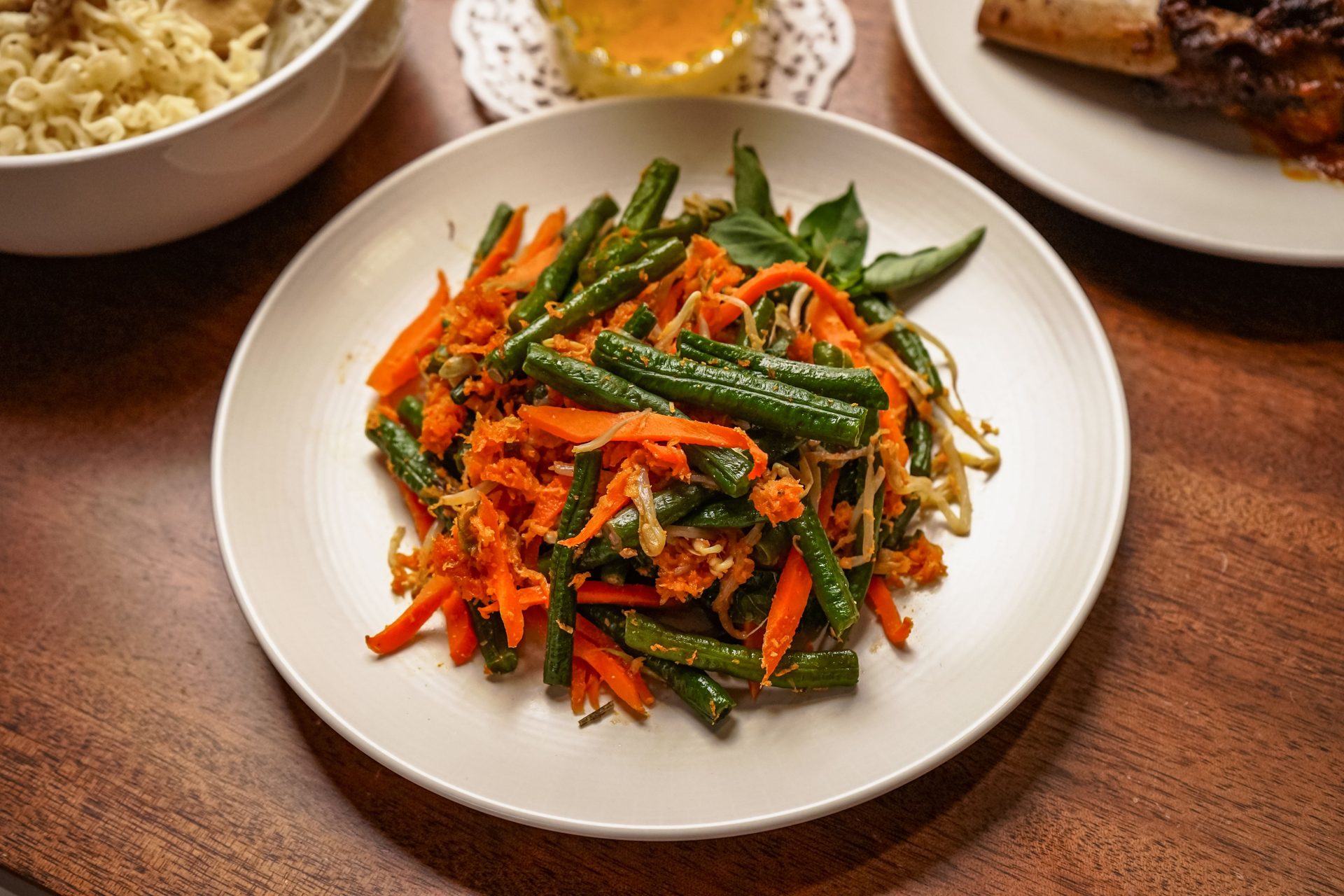
Yes, you can absolutely freeze cooked green beans — and it’s one of the smartest ways to cut down on food waste and keep a ready-to-use vegetable on hand year-round. Whether you made too much for dinner or you’re batch-cooking for the week, the freezer is your friend.
That said, cooked green beans behave a little differently in the freezer than fresh or blanched ones do. Knowing what to expect — and following a few simple steps — makes all the difference between beans that are still delicious months later and ones that turn into mush. This guide walks you through everything from freezing and thawing to the best ways to use them once they come out of the freezer.
Can You Freeze Cooked Green Beans?
Yes, you can freeze cooked green beans. Just know that they’ll be a bit softer once thawed. This is a normal result of the freezing process, and it doesn’t mean the beans are ruined — it just means they’re better suited for certain dishes after freezing.
Green beans (Phaseolus vulgaris) are one of the most commonly grown and eaten vegetables in the United States, showing up in everything from holiday casseroles to weeknight stir-fries. You can explore the different types of green beans available, from snap beans to haricots verts, each of which freezes a little differently in terms of texture.
Freezing cooked vegetables, including green beans, is generally safe as long as they’ve been cooked thoroughly, cooled quickly, and frozen within 2 hours of being prepared. Follow those basics, and you’re in good shape.
Pro Tip: If you know you’re planning to freeze your green beans, slightly undercook them before freezing. This way, they won’t turn mushy when you reheat them later.
Does Freezing Change the Texture or Taste of Cooked Green Beans?
Freezing does affect the texture of cooked green beans — there’s no getting around it. Once thawed, the texture and flavor of cooked green beans might change, and refreezing can further degrade the quality, as ice crystals can form within the cells, breaking them down.
When fruits and vegetables are frozen, natural enzymes cause them to deteriorate over time. Freezing slows down the enzyme activity and spoilage, but doesn’t stop it entirely. This is especially true for vegetables, and it’s why frozen vegetables are sometimes mushy.
The good news is that the flavor holds up much better than the texture does. If you prefer having fully cooked green beans ready to use, you can freeze them after cooking. This method is best for dishes where the texture does not need to be crisp, such as a soup, stew, or chili. Plan your use case ahead of time, and the softness won’t be a problem at all.
Green beans are also a nutritious addition to your diet. They pair well with other superfoods for a healthy heart and are a staple in many whole plant-based food routines. When green beans are frozen properly, they keep most of their vitamins, minerals, and fiber thanks to a quick step called blanching.
How to Freeze Cooked Green Beans the Right Way
The steps below apply specifically to green beans that have already been fully cooked. If you’re working with raw beans, blanching is the preferred method — but for leftovers or batch-cooked beans, here’s exactly what to do.
- Cool them down fast. Beans need to be completely cooled before freezing; otherwise, moisture can form ice crystals and affect texture. Spread them out in a single layer on a baking sheet to speed up cooling.
- Pat them dry. Remove the green beans from the ice bath and pat dry completely. Any excess water can cause ice crystals to form on the beans, which will decrease the quality of the beans once frozen.
- Pack into freezer-safe bags or containers. Place the cooled beans in freezer-safe bags or containers. Make sure to remove excess air from bags before sealing them tightly. A vacuum sealer works best, but pressing the air out by hand works fine too.
- Freeze in portions. Freeze beans in meal-sized portions so you can thaw only what you need. This prevents you from having to refreeze any unused beans later.
- Label with the date. Always label your frozen green beans with the date you froze them. This helps you track how long they’ve been in the freezer.
- Freeze immediately. Don’t leave cooled beans sitting out. Freeze within 1–2 hours after cooking.
Pro Tip: Flash-freeze your cooked beans first by spreading them in a single layer on a baking sheet and placing them in the freezer for 1–2 hours before transferring to bags. This keeps them from clumping into one solid mass.
For a comparison of your options when preserving green beans, here’s a quick overview:
| Preservation Method | Texture Result | Best For | Approximate Shelf Life |
|---|---|---|---|
| Freezing (blanched/raw) | Firm, close to fresh | Stir-fries, side dishes | 8–12 months |
| Freezing (fully cooked) | Softer after thawing | Soups, stews, casseroles | 3–6 months (best quality) |
| Refrigerating (cooked) | Tender | Immediate use | 3–5 days |
| Pressure canning | Very soft | Long-term pantry storage | 1 year (home-canned) |
How Long Can You Freeze Cooked Green Beans?
Cooked green beans can last up to six months in the freezer when stored properly. Make sure to store them in airtight containers or zip-lock bags to prevent freezer burn and spoilage.
For best eating quality, though, aim to use them sooner. It’s wise to use them within 3–4 months for the best quality. After that point, the texture can degrade further even if the beans remain technically safe to eat.
Frozen green beans that have been kept constantly frozen at 0°F will keep safe indefinitely, as long as they have been stored properly and the package is not damaged. Safety and quality are two different things, though — safe doesn’t always mean delicious.
Use a freezer thermometer to make sure your freezer is at the correct temperature. A freezer should ideally be set at 0°F (–18°C). Using a thermometer can ensure the beans freeze quickly and safely.
How to Thaw Frozen Cooked Green Beans
How you thaw your green beans affects both safety and texture. You have a few options depending on how much time you have and what you’re making.
- Refrigerator (best method): Place the frozen green beans in the fridge overnight for a slow, even thaw. Cooked green beans that have been thawed in the fridge can be kept for an additional 3 to 4 days in the refrigerator before cooking.
- Cold water: Submerge a sealed freezer bag of beans in a bowl of cold tap water. Change the water every 30 minutes. This is faster than the fridge and still safe.
- Microwave: Microwave frozen beans in short bursts, stirring between each. Watch carefully to avoid overcooking.
- Straight from frozen: Frozen green beans can be used straight from the freezer without thawing. Add them directly to stir-fries or pastas.
No matter which thawing method you use, the beans should be cooked or eaten immediately after thawing for food safety. Bacteria grow rapidly at temperatures between 40°F and 140°F; cooked green beans should be discarded if left out for more than 2 hours at room temperature.
Pro Tip: If you’re adding frozen cooked green beans to a hot dish like soup or a casserole, skip thawing entirely and toss them in frozen. They’ll heat through quickly and you’ll save a step.
Can You Refreeze Cooked Green Beans After Thawing?
This is where you need to be careful. While you can technically refreeze cooked green beans under the right conditions, there are several warning signs that indicate you should not refreeze them.
If your green beans are fully thawed, it’s best to eat them within 24 hours rather than attempt to refreeze them. The longer you wait, the higher the risk of spoilage. Refreezing also causes additional ice crystal formation, which breaks down the cell walls further and makes the texture even softer.
If your cooked green beans have been mixed with sauce, seasonings, or butter, refreezing may lead to a greater loss of flavor and texture. Sauces, particularly cream-based ones, may separate or curdle during the freezing and thawing process, negatively affecting the overall dish.
The best way to avoid the refreezing dilemma entirely is to freeze in small, single-serving or meal-sized portions from the start. That way, you only thaw exactly what you need.
How to Use Frozen Cooked Green Beans (Best Uses After Freezing)
Once you’ve thawed your cooked green beans — or even straight from the freezer — they work best in dishes where a softer texture is expected or even preferred. For the best results and texture, try to reheat them quickly but cook for as little time as possible. To add frozen green beans to a dish like soups or stir-fry, add them at the very end, once the rest of the dish is almost finished cooking.
Here are the best ways to put your frozen cooked green beans to work:
- Soups and stews: Drop them in during the last few minutes of cooking. They blend seamlessly into brothy dishes and add nutrition without any extra prep.
- Casseroles: Green bean casserole is a classic American dish — frozen cooked beans work perfectly here since the dish bakes in a creamy sauce anyway.
- Pasta and grain bowls: Toss thawed beans into pasta with olive oil and garlic, or mix them into a quinoa or rice bowl for a quick weeknight meal.
- Stir-fries: Frozen green beans can be used straight from the freezer without thawing. Add them directly to stir-fries or pastas.
- Egg dishes: Chop thawed green beans and fold them into omelets, frittatas, or scrambled eggs for added fiber and color.
Green beans pair well with other vegetables in mixed dishes. If you enjoy cooking with legumes, you might also want to explore mung beans or green peas, which freeze similarly and work in many of the same recipes. For those looking to maximize nutrition, green beans are also among the powerful nutrient-rich foods worth keeping stocked in your freezer.
You might also enjoy pairing your green beans with other green foods to build balanced, plant-forward meals throughout the week.
Signs That Frozen Cooked Green Beans Have Gone Bad
Even in the freezer, green beans can eventually go bad — or at least drop below acceptable quality. Here’s what to look for before you cook with them.
| Warning Sign | What It Means | What to Do |
|---|---|---|
| Slimy texture after thawing | Bacterial breakdown or spoilage | Discard immediately |
| Off or sour smell | Microbial contamination | Discard immediately |
| Mold or fuzzy spots | Mold growth | Discard the entire batch |
| Brown or dull discoloration | Oxidation or freezer burn | May still be safe but quality is poor |
| Dry, white patches (freezer burn) | Air exposure during storage | Trim affected areas or discard if extensive |
If dry spots or discolorations have developed on the frozen green beans, freezer burn has begun to set in — this will not make the frozen green beans unsafe to eat, but it will harm the texture and taste.
Here are some signs that cooked beans have spoiled and should be discarded: sliminess indicates spoilage; cooked beans that smell sour or unpleasant are past their prime; any fuzzy spots or webbing means the beans have gone bad.
The risk of foodborne illness increases with spoilage, so it’s best to play it safe. When in doubt, throw it out.
If you’re interested in how food choices affect your overall health, it’s worth reading about foods that support liver function and foods that promote healthy eyesight — green beans appear on both lists.
Frequently Asked Questions
Can You Freeze Green Bean Casserole?
Yes, but with caveats. The cream of mushroom sauce and fried onion topping don’t freeze well — the sauce can separate and the topping loses its crunch. If you plan to freeze it, freeze the green bean and sauce mixture separately and add the topping fresh when you reheat and serve.
Can You Freeze Canned Green Beans After Opening?
Technically yes, but it’s not ideal. Canned green beans are already very soft, so freezing and thawing them usually makes them even mushier. You’re better off using opened canned beans within 3–4 days from the fridge.
Do You Need to Blanch Green Beans Before Freezing?
The key to high-quality home frozen green beans lies in blanching. The USDA recommends blanching green beans before freezing, which kills enzymes inside the vegetables that can cause a loss of color, texture, and flavor over time. If you’re freezing raw beans rather than already-cooked ones, blanching is strongly recommended. If you’re freezing fully cooked leftovers, blanching isn’t necessary since the cooking step has already deactivated those enzymes.
Can You Freeze Green Beans With Butter or Seasoning?
You can, but plain beans freeze better. Butter can become rancid over time in the freezer, and some seasonings intensify or change flavor after freezing. For the longest shelf life and best flavor, freeze plain and season after reheating.
How Long Do Cooked Green Beans Last in the Fridge Before Freezing?
Cooked green beans will keep well in the refrigerator for 3 to 5 days when stored properly. If you know you won’t eat them within that window, transfer them to the freezer sooner rather than later — the fresher they are when frozen, the better they’ll taste when thawed.
Can You Freeze Zucchini the Same Way?
Zucchini freezes similarly to green beans, though it’s even more prone to texture changes after thawing. Check out this guide on how to freeze fresh uncooked zucchini for the full breakdown.
Are Frozen Green Beans as Nutritious as Fresh?
Yes, frozen green beans are absolutely good for you. In many cases, they’re just as nutritious as fresh ones — sometimes even more so. Frozen green beans hold onto key nutrients, including vitamin C, vitamin A, vitamin K, folate, and minerals such as potassium and magnesium. They also contribute to a healthy skin diet thanks to their antioxidant content.