Can You Freeze Butter in a Tub? Everything You Need to Know

November 6, 2026
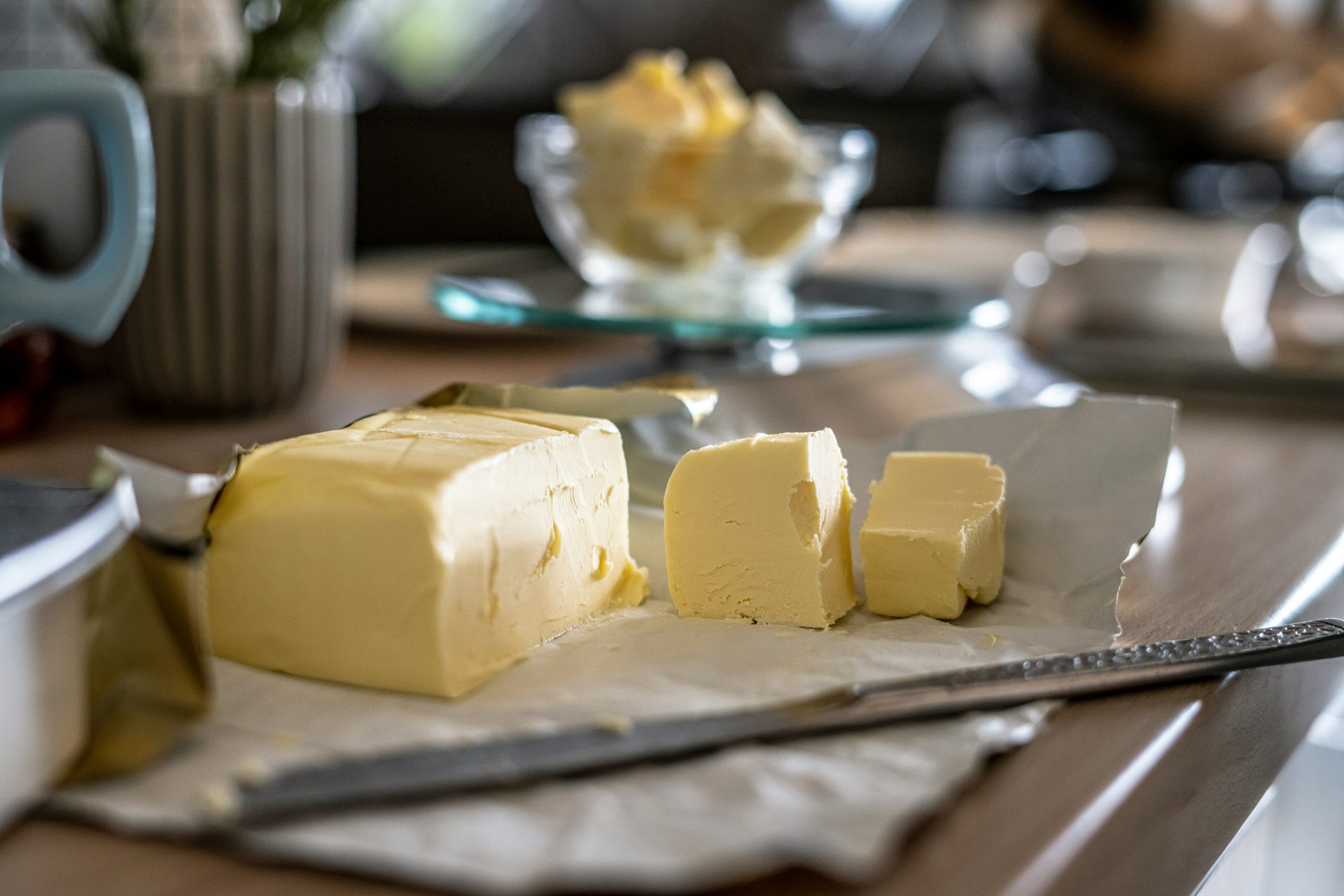
Butter is one of those kitchen staples you never want to run out of — and if you buy it in a tub, you may be wondering whether the freezer is a safe option for long-term storage. The good news is that yes, you can absolutely freeze butter in a tub, and it holds up better than most dairy products you’d consider freezing.
Whether you spotted a great sale at your local grocery store, bought in bulk at Costco, or simply have more spreadable butter than you can use before it turns, the freezer is a smart solution. This guide walks you through everything: texture changes, step-by-step freezing instructions, how long it lasts, how to thaw it properly, and what to do with it once it’s ready to use.
Can You Freeze Butter in a Tub?
You can actually freeze sticks or tubs of butter. Tub butter — whether it’s a spreadable dairy butter, a whipped variety, or a plant-based spread — goes into the freezer with minimal fuss. The key difference between tub butter and stick butter is the packaging: tubs are often not rated as freezer-safe on their own.
You can freeze spreadable butter or margarine products, but you will need to take extra precaution when doing so. Most margarine products are sold in squeeze bottles or tubs for easy spreading, and often these types of packaging are not freezer safe. You’ll need to transfer your margarine product into a new container that is freezer safe. For real dairy butter sold in a tub, the original container usually holds up fine, but adding an outer layer of protection is always a good idea.
Butter’s high fat content (around 80%) and very low moisture mean it freezes and thaws with almost no change to its taste, texture, or how it behaves in cooking and baking. That makes it one of the most freezer-friendly dairy products in your kitchen.
Pro Tip: Freeze butter while it’s still fresh — not when it’s approaching its use-by date. Freezing locks in the quality you start with, so the fresher the butter, the better it tastes after thawing.
Does Freezing Change the Texture or Taste of Butter in a Tub?
This is the question most people have before they commit to freezing a tub of butter, and the answer is reassuring. Freezing won’t affect the taste and texture of butter if you store it properly. You can keep it in its original packaging and then wrap it again with aluminum foil or put it in a freezer-safe container. This packing method will ensure that the taste and texture of your butter are preserved for months.
When you store butter in the freezer, its water and fat molecules can separate whilst freezing, leading to changes in texture. When thawed, the butter might be less creamy or even a little crumbly, but these changes are mostly superficial and shouldn’t affect how the butter works when cooking or baking.
If stored improperly or for a long period of time, frozen butter may change texture. The main culprit for textural changes in frozen butter is freezer burn. Wrap your tub well, and you’ll sidestep this problem almost entirely. For more on how diet and food quality affect your overall health, check out this guide to superfoods for a healthy heart.
How to Freeze Butter in a Tub the Right Way
Freezing tub butter takes about two minutes of active effort. Follow these steps to protect the flavor and prevent freezer burn:
- Check the tub lid: Make sure the lid snaps on securely. If the lid is loose or cracked, transfer the butter to a clean, freezer-safe airtight container before proceeding.
- Wrap the tub: Keep the cold butter in the tub or container it came in — you can freeze it just like that. Do recommend putting the tub in a freezer bag, though. It will help to ensure the butter stays fresh.
- Remove excess air: Press the bag flat and squeeze out as much air as possible before sealing. Air is what causes freezer burn and off-flavors.
- Label with the date: Label the freezer containers: no matter how you freeze the butter, be sure to label it with the date, contents, and the amount of butter you froze.
- Store away from strong odors: Freeze butter away from foods like onions and meat, as it may absorb the flavor and odor of surrounding foods.
If you’re freezing a large tub that you won’t use all at once, consider scooping the butter into a silicone ice cube tray first. Decide whether you want to freeze and thaw the butter as a block or portion it out into smaller cubes for specific recipes, reducing waste. Once frozen solid, transfer the cubes to a freezer bag so you can grab exactly the amount you need.
Pro Tip: If you’re freezing a plant-based spread or margarine tub, always transfer it to a freezer-safe container first. Many soft-spread tubs are made from thin plastic that can crack at freezer temperatures.
How Long Can You Freeze Butter in a Tub?
Shelf life depends on the type of butter you’re freezing. Here’s a quick reference:
| Butter Type | Freezer Life (Best Quality) | Notes |
|---|---|---|
| Salted dairy butter | Up to 12 months | Salt acts as a natural preservative |
| Unsalted dairy butter | 6–9 months | More prone to absorbing freezer odors |
| Spreadable/whipped butter | 6–9 months | Portion before freezing for best results |
| Plant-based spreads / margarine | 3–4 months | Transfer to freezer-safe container first |
Salted butter keeps its quality for up to a year in the freezer, while unsalted butter is best used within about 6 months, according to the USDA FoodKeeper. Unsalted butter can also be frozen but won’t keep as well as salted butter. The absence of salt leaves the butter more prone to picking up other freezer odors, so it is best to use it within six months.
Butter doesn’t “go bad” in the freezer the way it might spoil in the fridge. You could technically keep your butter in the freezer for an extended time and it would remain safe to eat. However, after about a year, the quality can begin to degrade, with noticeable differences in texture and taste. Sticking to the recommended windows above gives you the best eating experience. You can read more about smart food choices in this overview of whole plant-based foods.
How to Thaw Frozen Butter in a Tub
How you thaw your butter matters almost as much as how you freeze it. You have a few options depending on how much time you have:
- Refrigerator (best method): Place the frozen butter in the fridge overnight to defrost. This is the slowest method but preserves the best texture and is ideal if you want spreadable butter.
- Room temperature: Let the frozen butter sit at room temperature for 3 to 4 hours to defrost. This works well for a tub you plan to use the same day.
- Microwave (use with caution): Heat the frozen butter at 50% power for 10-second increments, just until thawed. Watch it closely — tub butter can go from frozen to partially melted very quickly.
- Grate it directly: You can also grate frozen butter directly into any recipes that call for cold or chilled butter. If you need your butter to thaw faster than 24 hours, grate it and allow the grated shavings to sit out for a few minutes; they will soften up much more quickly than a whole block straight from the freezer.
Avoid using the microwave to thaw butter as this can cause uneven melting and changes in texture — unless you’re melting it for a recipe where texture doesn’t matter. For spreading on toast or using in a recipe that needs soft, creamy butter, the fridge method is always the safer bet.
Once thawed, treat it as you would fresh butter. Keep it refrigerated and use it within 3–4 weeks for the best flavor and quality. For more tips on how food choices support your body, see this article on foods that can help enhance liver function.
Can You Refreeze Butter in a Tub After Thawing?
Technically, yes — but most food storage experts advise against it. Once butter has been completely thawed, avoid refreezing it. The repeated freezing and thawing process can significantly impact texture and quality. Instead, use thawed butter within the same timeframe you would use fresh butter.
The butter could lose some of its moisture and flavor from being refrozen. Butter that has been thawed and refrozen also runs the risk of growing bacteria. That risk is especially worth considering with unsalted or cultured butters, which have fewer natural preservatives to begin with.
The simplest way to avoid the refreezing dilemma altogether is to portion your tub before it goes into the freezer. If you’re freezing a large block of butter, consider cutting it into smaller portions before freezing. This way, you only need to thaw what you plan to use, and you won’t be tempted to refreeze leftovers.
Pro Tip: Scoop tub butter into a silicone ice cube tray, freeze until solid, then transfer the cubes into a labeled freezer bag. Each cube is roughly one tablespoon — perfect for grabbing only what a recipe calls for.
How to Use Frozen Butter in a Tub (Best Uses After Freezing)
Once your tub butter is thawed, it performs just like fresh butter in almost every application. Once fully thawed, butter performs identically to fresh butter in cooking applications. Here are the best ways to put it to work:
- Spreading: Thaw fully in the fridge overnight and it spreads just as smoothly as the day you bought it — great for toast, bagels, and dinner rolls.
- Sautéing and pan sauces: No need to thaw completely for stovetop cooking. You can drop a frozen cube directly into a hot pan and let it melt.
- Baking: For baking that requires creaming butter with sugar, complete thawing is necessary. Soft, room-temperature butter is non-negotiable for cakes, cookies, and frostings.
- Flaky pastries and pie crusts: For pastries, pie crusts, and biscuits, grated frozen butter creates excellent flaky textures. This is actually one of the best uses for butter straight from the freezer.
- Compound butters: Thawed butter works perfectly as a base for garlic butter, herb butter, or honey butter. Make a batch, roll it in plastic wrap, and keep it in the freezer for a quick flavor upgrade on steaks, vegetables, or fresh bread.
Butter is a foundational ingredient in countless dishes, and knowing you have a reliable frozen stash means you’ll never be caught short mid-recipe. If you’re interested in how everyday foods contribute to your wellbeing, this piece on foods for healthy skin is worth a read.
Signs That Frozen Butter in a Tub Has Gone Bad
Butter doesn’t rot the way produce does, but it can go rancid or develop freezer burn — both of which affect flavor significantly. Butter doesn’t usually grow visible mold or “rot” in the way fresh produce does — instead, its fat oxidizes and goes rancid. Rancid butter isn’t a dramatic safety hazard in small amounts, but it tastes and smells unpleasant enough that you won’t want to eat it.
Here’s what to check before using frozen or thawed tub butter:
- Smell: Fresh butter smells faintly sweet and creamy. Rancid butter smells sour, cheesy, or like old cooking oil. Your nose is the most reliable test.
- Taste: A sharp, bitter, or “off” flavor — sometimes described as soapy or like crayons — is the clearest sign that the butter has turned.
- Color: Look for darkening or a noticeably yellow, waxy ring on the outer surface compared to the paler interior — a clue that oxidation has set in.
- Texture: A greasy or unusually hard, dried-out surface can also signal it’s past its prime.
- Freezer burn patches: If frozen butter develops freezer burn, it’s best to just throw it away. The texture of the butter will have changed, and it will affect whatever baked good or savory dish you’re making.
Spoilage signs in butter include odor changes, discoloration, or mold growth, indicating it is no longer suitable for consumption. When in doubt, toss it — butter is inexpensive enough that it’s not worth cooking with a tub that’s past its prime. For a broader look at how food quality affects your health, explore this guide on foods you need to avoid and this resource on nutrients and foods that fight cancer.
Frequently Asked Questions
Can you freeze an opened tub of butter?
Yes. Butter, opened or unopened, can be kept in the refrigerator for one to three months. If you’ve opened the tub and won’t finish it in time, seal the lid tightly, place the tub in a freezer bag, and freeze it. The butter will be just as usable after thawing.
Does tub butter freeze differently than stick butter?
The butter itself freezes the same way. The difference is packaging. Most butter is sold in packaging that is freezer safe, which means that you can place the entire package right in the freezer if necessary. Tubs, however, vary by brand — some are freezer-rated and some are not, so adding a freezer bag as an outer layer is always the safer move.
Can you freeze plant-based butter or margarine in a tub?
You can also freeze non-dairy butter alternatives such as spreadable margarine, coconut butter, or plant-based spreads; however, the texture and taste of non-dairy butter is more likely to change slightly once the spread is thawed. Coconut butter, for instance, can become crumbly, whilst margarine is prone to separation. Use frozen dairy-free butter alternatives within 3–4 months.
How do you know how much frozen butter to thaw at once?
Keep in mind that if a stick or tub is too large for you to use in a short amount of time, you may want to slice or portion it into smaller sizes prior to freezing. Portioning before freezing is the most practical approach — it removes the guesswork entirely and eliminates the temptation to refreeze leftovers.
Is butter from the freezer safe to use in all recipes?
When thawed, frozen butter can be used just like fresh butter, such as in baked goods or as a spread. The one exception is recipes that require butter to be at a specific temperature — for creaming, you’ll need fully softened butter, so plan your thaw time accordingly. For more on how healthy fats and foods support your body, see this guide on fibroid healing foods and this overview of foods that promote healthy eyesight.
Can you freeze salted and unsalted butter the same way?
Yes, the process is identical. Salt is a natural preservative. It slows microbial growth and helps delay the oxidation that turns butterfat rancid, so salted butter outlasts unsalted both in the fridge and the freezer, according to the FDA. Just remember to use unsalted butter within six months for the best flavor.