Can You Freeze Lasagna with Ricotta Cheese? (What You Need to Know)

November 6, 2026
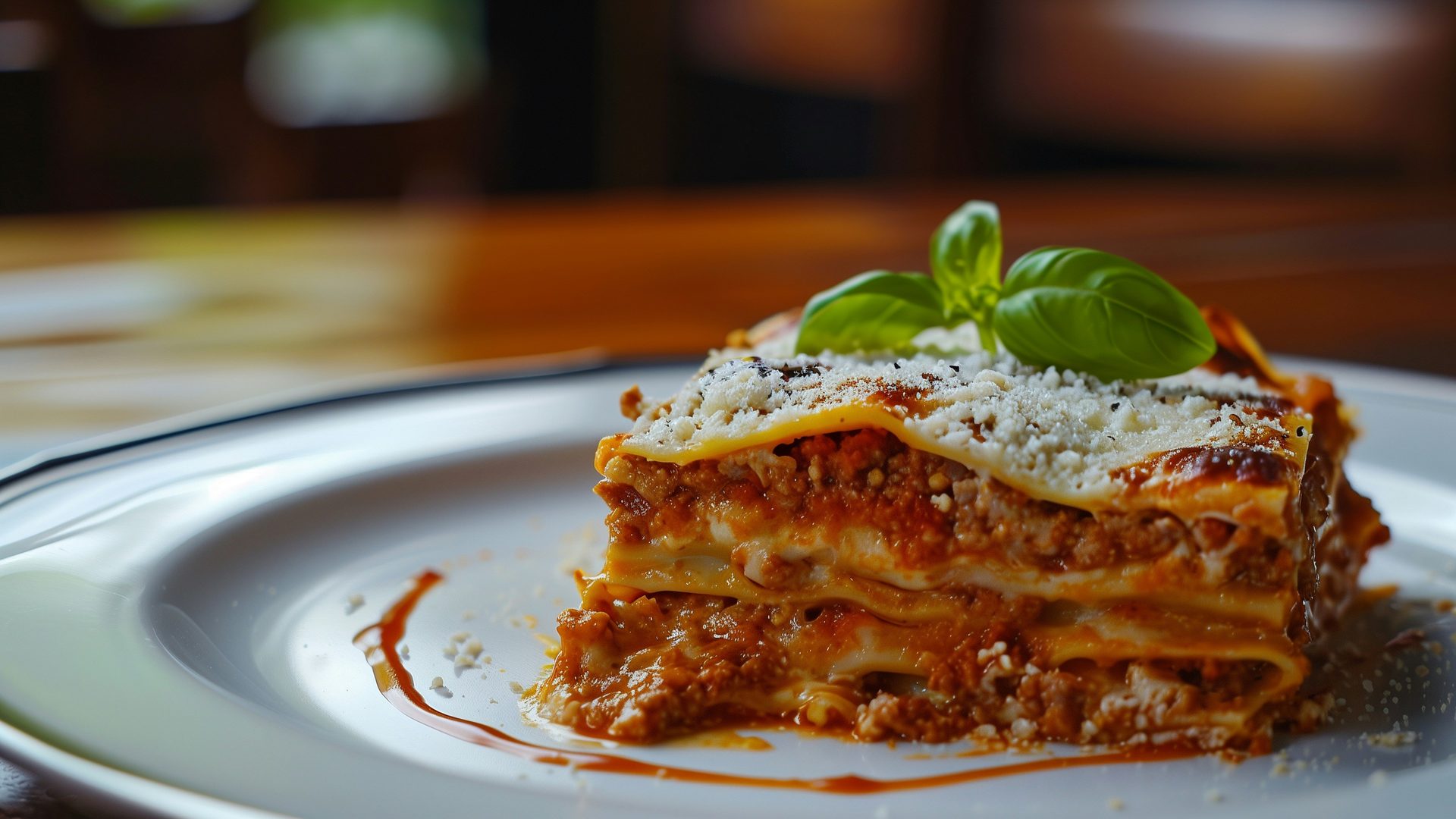
Lasagna with ricotta cheese is one of those dishes that practically begs to be made in big batches — and for good reason. A single pan takes real effort, so doubling the recipe and stashing one in the freezer is just smart cooking.
The question most home cooks run into is whether ricotta holds up in the freezer. The short answer is yes, but there are a few things worth knowing before you wrap it up and forget about it for three months. This guide walks you through everything from proper wrapping to thawing, reheating, and spotting the signs that something has gone wrong.
Can You Freeze Lasagna with Ricotta Cheese?
Yes, you can freeze cooked lasagna with ricotta cheese — but there are several aspects to consider to ensure the best results. The good news is that ricotta-based lasagna is one of the more freezer-friendly pasta dishes out there, largely because the surrounding layers of sauce, noodles, and melted cheese help protect the filling during the freeze-thaw cycle.
Ricotta filling is always frozen in supermarkets in products such as lasagna, shells, and manicotti, so there is no harm in freezing it. If the commercial frozen food industry does it routinely, you can confidently do it at home — as long as you follow a few key steps.
You can freeze lasagna with ricotta whether it is baked or unbaked. For the best results, freeze lasagna after it has been assembled but before it has been baked. Freezing this way helps maintain the lasagna’s cheese and noodle texture and prevents it from getting soggy. That said, if you have already baked your lasagna, it can still be frozen — just know the texture might be a little different than freshly baked.
Pro Tip: If you are giving lasagna to a friend or neighbor, freeze it unbaked. According to Food Network , an unbaked frozen lasagna feels less like leftovers and more like a thoughtful homemade gift.
Does Freezing Change the Texture or Taste of Lasagna with Ricotta Cheese?
Taste holds up well in the freezer. When it comes to storing ricotta, you can use the freezer, but it is important to know that it will compromise the quality of your cheese. While its flavor may endure the freezing process, the texture of ricotta suffers once it has been frozen and thawed, transforming from smooth and creamy to gritty and clumpy.
The high moisture content in ricotta causes ice crystals to form when frozen; when you thaw your ricotta, the texture of the cheese will have changed, which may be less appealing to some. In a whole lasagna, however, this is far less noticeable than it would be in a standalone dip or spread.
Freezing ricotta is best for dishes where the texture change is less noticeable, such as baked goods, lasagna, or stuffed pasta shells. The layers of sauce and melted mozzarella effectively mask any graininess in the ricotta once everything is reheated together. Flavor actually improves over time as the ingredients meld, making leftover lasagna sometimes even tastier after freezing.
On the noodle side, the process of freezing and thawing results in excess moisture thanks to the ice crystals that form and later melt. While you can alleviate this by setting your freezer to the right temperature so it freezes food quickly, it is still not a perfect solution. Slightly undercooked noodles before freezing help compensate for this.
How to Freeze Lasagna the Right Way
The method you use matters more than most people realize. Rushing the process — or skipping the wrapping step — is the fastest way to end up with a dried-out, freezer-burned pan of lasagna.
Step 1: Cool It Completely
Before freezing, allow the lasagna to cool completely at room temperature. This prevents moisture buildup, which can lead to ice crystals. Do not let it sit out for more than two hours to minimize bacterial growth.
Step 2: Choose the Right Container
A disposable pan is a great choice because you can toss it after use — nothing to clean — and you will still have access to your regular pans and casserole dishes. If you plan on using a glass or ceramic dish, double-check that it has been tempered, or it can crack in the freezer.
Step 3: Wrap Tightly
Once your lasagna has cooled, wrap it snugly with plastic wrap and foil. This will keep air from reaching the lasagna, preventing freezer burn and preserving its flavor and texture. For individual portions, wrap individual servings in plastic wrap and then in aluminum foil, or place the entire dish in an airtight container.
Step 4: Label Before You Freeze
Label the container with the date and contents for future reference. This makes it easy to identify the lasagna when you are ready to enjoy it later. Include the bake temperature and time on the label so you do not have to hunt down the recipe when you pull it from the freezer weeks later.
Pro Tip: If you want to free up your baking dish, line it with aluminum foil before assembling. Once the lasagna is frozen solid, lift it out, wrap it tightly, and store it as a foil-wrapped block — your dish is then free for other uses.
If you are freezing ricotta on its own rather than in a fully assembled lasagna, Kitchen Skip recommends portioning it into smaller amounts before freezing, since you cannot easily re-portion it once it is solid. You can also explore substitutes for ricotta cheese in lasagna if you want to use an ingredient that freezes with a more stable texture, such as cottage cheese.
How Long Can You Freeze Lasagna with Ricotta Cheese?
When properly wrapped and stored, cooked lasagna with ricotta cheese can be frozen for up to three months without significant loss of flavor or quality. While it may remain safe to eat beyond this time frame, the quality may degrade.
Either way — baked or unbaked — plan on baking frozen lasagna within three months, as any longer and the quality starts to deteriorate. Some sources suggest the dish remains technically safe for up to six months, but flavor and texture take a noticeable hit past the three-month mark.
| Lasagna Type | Recommended Freezer Time | Maximum Safe Window |
|---|---|---|
| Unbaked with ricotta | Up to 3 months | Up to 6 months |
| Baked with ricotta | Up to 3 months | Up to 6 months |
| Ricotta cheese alone | 1–2 months | 3 months |
Ricotta that is frozen longer than three months will not necessarily go bad, but it is more likely to develop frost and freezer burn that affects the taste. Stick to the three-month window for the best experience.
How to Thaw Frozen Lasagna with Ricotta Cheese
Thawing lasagna correctly is just as important as freezing it correctly. The wrong method can leave you with a watery, unevenly heated dish — or worse, one that has been sitting in the bacterial danger zone too long.
Refrigerator thaw (recommended): The safest method is to transfer the lasagna from the freezer to the refrigerator. This method typically takes approximately 24 hours and allows the lasagna to thaw evenly, preserving the integrity of the ricotta cheese. Once thawed, let it sit at room temperature for about 30 minutes before baking.
Cold water thaw (faster option): When you are ready to use the frozen ricotta cheese in your lasagna recipe, thaw it slowly in the refrigerator overnight or more quickly by placing it in a bowl of cold water. Keep the ricotta in its airtight container or plastic bag, and change the water every 30 minutes until it is fully thawed.
Baking from frozen: If you forgot to thaw overnight, you can still salvage it, but it will take about twice as long to reheat in the oven if you are cooking it straight from frozen.
Important Note: Never thaw lasagna — or ricotta cheese — on the kitchen counter at room temperature. Bacteria multiply rapidly between 40°F and 140°F, and a large, dense dish like lasagna can spend hours in that range before the center thaws.
Once thawed, take it out of the fridge and let it sit at room temperature for about 30 minutes while your oven preheats to 375°F. Remove the lasagna’s freezer wrappings, cover the top with new foil, and bake for 60 to 70 minutes, or until heated through — a thermometer inserted in the center should read 165°F. Remove the foil and bake for 10 more minutes or so to brown the top. Pull the lasagna from the oven and let it sit for another 10 minutes before slicing.
If you regularly ship frozen food to family or friends, the same principles apply — keep the lasagna frozen solid and insulated during transit.
Can You Refreeze Lasagna with Ricotta Cheese After Thawing?
This is one area where the answer is a firm no. Always thaw ricotta in the refrigerator — never at room temperature. Once softened, stir well and use within two days. Never refreeze.
Refreezing thawed lasagna creates two problems. First, the texture of the ricotta and noodles degrades significantly with each freeze-thaw cycle. Second, and more importantly, bacteria that may have begun multiplying during the thaw get refrozen without being killed — and then have another opportunity to multiply when the lasagna thaws again.
The practical solution is to freeze lasagna in individual portions from the start. Separating the lasagna and freezing it in individual servings helps maintain the original structure of each portion — and means you only thaw exactly what you plan to eat, with nothing left over to tempt you into refreezing.
How to Use Frozen Lasagna with Ricotta Cheese (Best Uses After Freezing)
Thawed ricotta works well in cooked dishes such as lasagna, ravioli, or ricotta gnocchi, where the texture change is either not noticeable or simply does not matter since the ricotta is being melted. The key is to always use previously frozen ricotta in a cooked application, never a cold or raw one.
Here are the best ways to put your thawed lasagna — or leftover thawed ricotta — to work:
- Reheat and serve as-is: A properly thawed and reheated pan of ricotta lasagna is still an excellent weeknight dinner. Add a splash of marinara to the top before reheating to keep it from drying out.
- Stuffed shells or manicotti filling: Thawed ricotta cheese works better in dishes such as lasagna, cookies, stuffed pasta, and pound cakes rather than in ice cream or cannoli filling that needs the freshness of the cheese. Use it as a filling for shells or manicotti before baking.
- Baked pasta: Crumble leftover thawed lasagna into a baking dish, mix with extra sauce and mozzarella, and bake into a deconstructed pasta bake.
- Pizza topping: Dollop thawed ricotta onto a pizza before baking — the oven heat corrects the texture completely.
- Soup base: Stir thawed ricotta into a tomato or vegetable soup for a creamy, protein-rich addition.
Avoid using thawed ricotta raw, or in cold dishes like cannoli filling, dips, or toast toppings. The grainy, watery texture will be front and center in those applications.
If you find yourself with more ricotta than you can use, it also helps to know your options. Check out this guide to ricotta cheese substitutes for lasagna — some alternatives, like cottage cheese, actually freeze with a more stable texture.
Signs That Frozen Lasagna with Ricotta Cheese Has Gone Bad
Frozen food does not last forever, and lasagna with dairy ingredients can develop off-flavors or become unsafe if stored improperly or for too long. Here is what to look for before you reheat.
Before thawing:
- Freezer burn: The initial sign that your ricotta might be going bad is freezer burn, which occurs when moisture evaporates from the surface of the cheese, causing the texture and taste to change drastically. Freezing is possible but not foolproof, as frozen ricotta can still spoil.
- Ice crystals throughout the interior: A small amount of surface frost is normal, but thick ice crystals throughout the lasagna indicate temperature fluctuations that have damaged the texture.
- Discoloration: If you notice signs of freezer burn, such as dry spots or discoloration, it likely will not be as tasty. Mold should not be trifled with — if you see any, toss the food immediately.
After thawing:
- Sour smell or slimy texture: Other signs that your lasagna has gone bad can appear after thawing, such as a sour smell or a slimy texture. If you spot either of these, you are better off avoiding the dish.
- Off-color ricotta layer: Fresh ricotta is white to pale cream. If the ricotta layer has turned yellow or gray, discard the lasagna.
- Visible mold after thawing: Any mold growth means the entire dish should go in the trash — do not try to cut around it.
Important Note: When in doubt, throw it out. Dairy-based dishes like ricotta lasagna can harbor harmful bacteria without obvious visual signs. The risk is not worth it.
Frequently Asked Questions
Can You Freeze Uncooked Lasagna with Ricotta Cheese?
Yes, and many cooks prefer this method. Freeze it uncooked. So much of the lasagna is already cooked — the meat, sauce — that if you were to fully cook it, freeze it, and then cook it again to reheat, the end result would be very mushy. Assemble the lasagna, wrap it tightly, freeze it unbaked, and bake it directly from frozen or after an overnight thaw in the refrigerator.
Does Ricotta Cheese Need to Be Mixed with Egg Before Freezing in Lasagna?
Adding an egg to the ricotta mixture before assembling lasagna helps bind the filling and gives it a more stable texture after baking. Ricotta cheese, frozen or not, requires egg for a stable texture. If your recipe already calls for an egg in the ricotta filling, you are in good shape for freezing.
How Do You Fix Watery Ricotta After Freezing?
Ricotta cheese has a high water content and the water separates from the cream when frozen. Vigorously stirring frozen and defrosted ricotta is the best way to bring back the creamy consistency, though it might still be slightly grainy. You can also press a paper towel gently against the surface of thawed ricotta to absorb excess liquid before using it.
Can You Freeze Lasagna in a Glass Dish?
If you are using a glass or ceramic dish, place the room-temperature lasagna in the refrigerator for a few hours before freezing, until it is below 40°F. Too much of a temperature change too quickly can cause these dishes to break, and refrigeration helps bridge the difference.
What Is the Best Way to Reheat Frozen Lasagna with Ricotta?
When it comes time to reheat frozen lasagna, the best method is to heat it in the oven. For a full pan, thaw overnight in the refrigerator, then bake covered with foil at 375°F for 60 to 70 minutes. Check the temperature with a meat thermometer to make sure it has reached at least 165°F (74°C). For a single slice, the microwave works fine — cover it with a damp paper towel and heat in one-minute intervals.
How Long Does Thawed Lasagna Last in the Refrigerator?
Once thawed, lasagna with ricotta cheese should be eaten within three to five days when stored in a sealed container in the refrigerator. The ricotta layer is the most perishable component, so err on the side of eating it sooner rather than later. Do not refreeze it once it has been thawed.