Can You Freeze Costco Hummus Cups? Everything You Need to Know

November 5, 2026
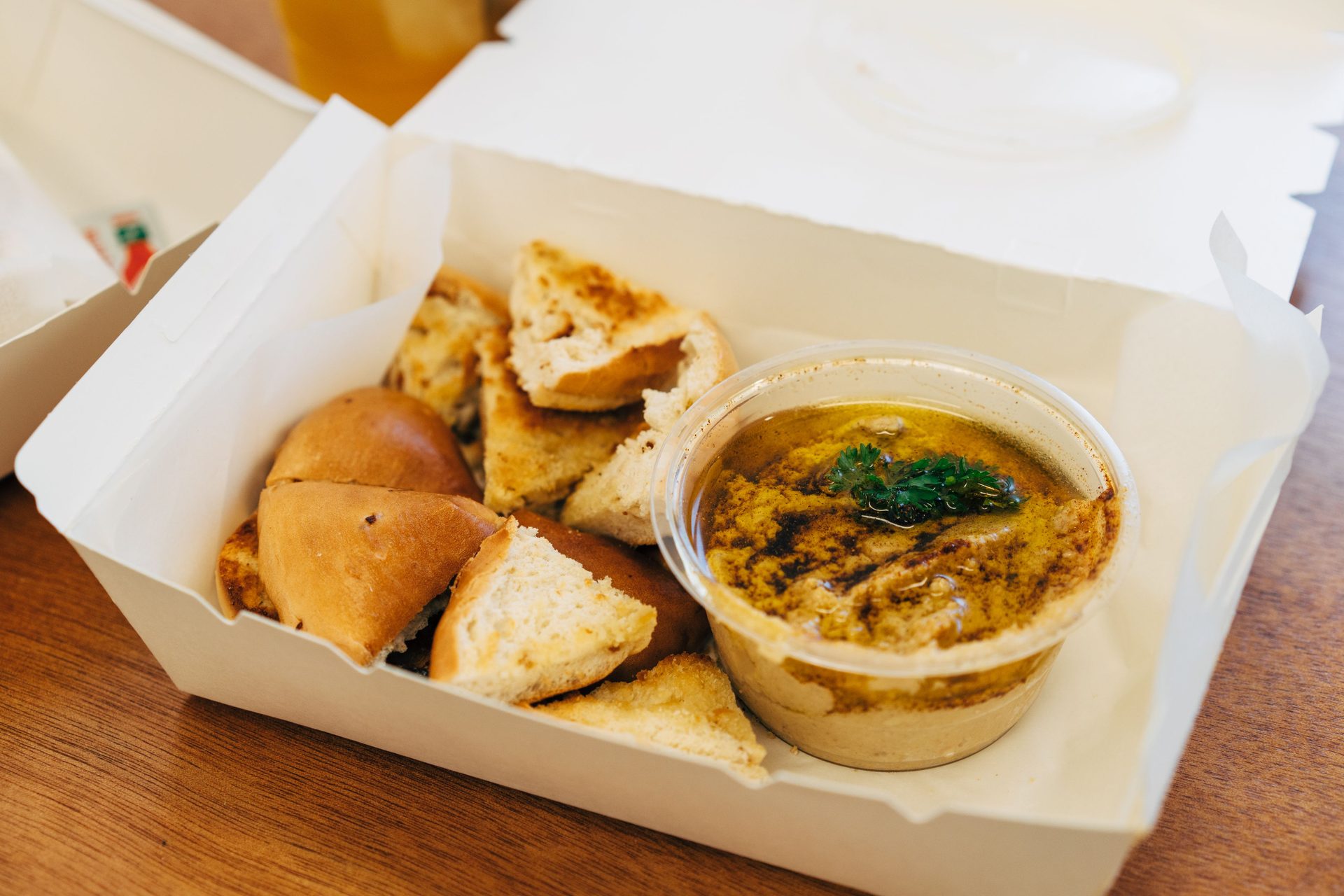
Costco hummus cups are one of those bulk-buy wins — convenient, portion-controlled, and genuinely tasty. But when you grab a box of 20 and realize your fridge is already packed, a fair question comes up fast: can you freeze Costco hummus cups before they expire?
The short answer is yes. You can freeze hummus snack cups to enjoy later. Simply place the snack cups into the freezer, then take them out and put them in the fridge to thaw when you are ready to eat them. It is one of the easiest ways to stretch a Costco haul without letting food go to waste.
This guide walks you through exactly how to do it right — what changes to expect, how long they keep, and the best ways to use them once they thaw.
Can You Freeze Costco Hummus Cups?
Yes, and Costco shoppers have been doing it for years. If you cannot eat all the cups before the expiry date, they freeze well. You can take a frozen one in your lunch, and it thaws quickly. That alone makes freezing a practical option for anyone who stocks up at Costco on a regular basis.
You can freeze hummus quickly and easily. Hummus holds up well when frozen for about four to six months. Store-bought hummus may have a slightly longer freezer shelf life, thanks to the inclusion of preservatives that are not in homemade hummus. The Kirkland Signature organic hummus cups sold at Costco fall into this store-bought category, which works in your favor.
Hummus is an ideal snack option since it contains all three macronutrients — carbohydrates, fats, and proteins. Their nutrition profile is where these hummus cups really shine, as they are packed with beneficial unsaturated fats and provide a respectable four grams of protein and three grams of fiber per mini container. Freezing preserves that nutritional value, so you are not giving anything up by storing them in the freezer.
Pro Tip: Keep a few cups in the freezer at all times and pull one out the night before you need it. By morning, it is thawed and ready to pack in a lunch bag.
Does Freezing Change the Texture or Taste of Costco Hummus Cups?
Freezing does cause some changes, and it helps to know what to expect so you are not caught off guard. Hummus may separate slightly and become somewhat grainy after freezing. Stirring vigorously after thawing restores most of the creaminess, and a drizzle of olive oil and a good stir brings it very close to the original texture.
The science behind it is straightforward. Freezing affects different ingredients in different ways. Water-based ingredients like chickpeas and lemon juice can form ice crystals, potentially altering the texture. Oils like tahini and olive oil can separate during the freezing and thawing process. This is why you sometimes see liquid pooled on top when you open a thawed cup.
On the flavor side, the news is mostly good. While the taste usually remains intact, the freezing process can sometimes cause the ingredients to separate, leading to a slightly grainier or less smooth texture after thawing. Freezing can sometimes dull the flavors of hummus, particularly the garlic and lemon juice. Taste the thawed hummus and add additional seasonings as needed — fresh garlic, lemon juice, cumin, or paprika can help restore the flavor.
Plain hummus freezes the best. The quality of some flavors that contain veggies like peppers or cucumbers may suffer somewhat from the freezing and thawing process, but will still be good to eat. If your Costco haul includes a flavored variety, expect slightly more texture variation after thawing.
How to Freeze Costco Hummus Cups the Right Way
The good news about the individual cups is that the packaging does most of the work for you. Because each cup is sealed with a peel-off lid, you can place unopened cups directly into the freezer without any extra prep. You can pop an unopened container right in the freezer, or you can freeze smaller portions of hummus in freezer-safe containers.
For cups you have already opened, follow these steps:
- Cover the cup tightly. Press a piece of plastic wrap directly onto the surface of the hummus before snapping or pressing the lid back on. This limits air contact and reduces the risk of freezer burn.
- Place in a freezer bag. The liquid in hummus can expand as it freezes, so pop it into a freezer bag to stop it from being exposed to air if the cup does break open.
- Leave a little room. Hummus expands slightly when frozen, so leave about 1–2 cm of space in each container.
- Label and date everything. Proper labeling is important. Include the date and variety to track freshness and avoid confusion.
- Store in the coldest part of your freezer. Place cups in the coldest section of the freezer for consistent temperature.
Pro Tip: If you want to freeze hummus from a larger Costco tub rather than individual cups, use a silicone ice cube tray to portion it out first. Once frozen solid, transfer the cubes to a freezer bag so you can grab exactly as much as you need.
How Long Can You Freeze Costco Hummus Cups?
Hummus can be frozen for 4–6 months when packaged properly. The key is removing as much air as possible and using freezer-safe containers or bags. For the individual Costco cups, keeping them sealed and adding an outer freezer bag gets you close to that upper end of the range.
That said, earlier is better when it comes to quality. Hummus can be stored in the freezer for up to 4 months. The longer the hummus stays frozen, the poorer the quality will be after thawing, so it is recommended to use it sooner.
A practical target for most households is 3 to 4 months. A practical window for best quality runs around three to four months. Some people stretch that to six months, but texture changes become easier to notice as weeks pass.
| Storage Method | Estimated Freezer Life | Quality Outcome |
|---|---|---|
| Unopened cup, placed directly in freezer | Up to 4–6 months | Best — sealed and airtight |
| Opened cup, covered and bagged | Up to 3–4 months | Good with proper wrapping |
| Transferred to freezer-safe container | Up to 4–6 months | Good — works well for larger batches |
How to Thaw Frozen Costco Hummus Cups
Thawing is simple, but the method matters. The refrigerator is always your best option. To thaw frozen hummus, simply move it to the fridge and allow it to thaw overnight. The next day, give it a good stir to incorporate any separated ingredients.
If you are short on time, there are faster options. If you need to use your frozen hummus and do not have time to thaw it overnight, you can bring it up to temp, sealed, in a bowl of room temperature water, or for the fastest results, you can thaw in the microwave on the defrost setting for a minute at a time until completely thawed.
One thing to avoid: do not leave frozen hummus on the counter to thaw at room temperature. Skip leaving hummus on the counter at room temperature for long periods, since that pushes it into a range where bacteria grow more easily. The USDA’s food safety danger zone runs from 40°F to 140°F, so keeping hummus cold during the thaw process protects both quality and safety.
Once thawed, stir the hummus well before eating. The freezing process may render your hummus dry or separated, or it may make the hummus taste a bit bland. Revive it by swirling in some extra olive oil and/or lemon juice and by adding some freshly minced garlic. Once your frozen hummus has been thawed, consume it within 5 days.
Can You Refreeze Costco Hummus Cups After Thawing?
No — and this is one rule worth following closely. Never refreeze previously frozen hummus. The reason comes down to what happens structurally each time the hummus goes through a freeze-thaw cycle.
Once hummus has thawed and sat in the fridge for a few days, texture and flavor have already changed once. Putting that same batch back in the freezer and thawing again leads to more water loss and a dull taste. Portioning well at the start keeps refreezing to a minimum.
This is exactly why the individual Costco cups are so convenient for freezing. Each cup is already a single serving, so you only thaw what you plan to eat. You never have to worry about refreezing a partially used container. If you are working from a larger Costco tub, portion it into single servings before freezing so the same logic applies.
Important Note: If you transferred hummus into a larger freezer container, divide it into individual portions before freezing. Thaw only what you need for that day or meal — once thawed, it should not go back into the freezer.
How to Use Frozen Costco Hummus Cups (Best Uses After Freezing)
Thawed hummus is fully usable in every situation fresh hummus would be, and it works especially well in cooked or assembled dishes where minor texture shifts go unnoticed. Thawed hummus shines in many dishes, even when the texture is slightly thicker or looser than the original.
Here are some of the best ways to put your thawed Costco hummus to work:
- Dip for veggies, crackers, or pita. For snack plates, spoon thawed hummus into a bowl, stir in a bit of water or olive oil, and taste for seasoning. A pinch of salt, lemon juice, or ground cumin often wakes up the flavor. Top with a swirl of oil and a sprinkle of paprika or chopped herbs.
- Sandwich or wrap spread. A spread of hummus on sandwiches, flatbreads, or wraps hides small texture shifts. Even slightly thicker hummus works well under sliced vegetables, grilled chicken, or roasted tofu, adding plant protein and a creamy layer without extra dairy.
- Grain bowl sauce. Thawed hummus blends smoothly into warm grain bowls, pasta, or roasted vegetable trays. Stir a spoonful into cooked quinoa or rice with a splash of cooking water to make a quick sauce. In these dishes, any small changes from freezing almost disappear.
- Soup thickener. Stir a spoonful into a pot of lentil or vegetable soup to add body, creaminess, and a boost of plant-based protein without any dairy.
- Pasta sauce base. Thin the thawed hummus with a little pasta water, lemon juice, and olive oil, then toss with your favorite noodles for a quick weeknight meal.
If you want to pair your hummus with other whole plant-based foods, it fits naturally into that kind of eating plan. Chickpeas are a solid source of fiber and protein, and the tahini in hummus adds healthy fats that support a balanced diet. You can also explore superfoods for a healthy heart to build snack plates and meals around ingredients that do double duty.
Signs That Frozen Costco Hummus Has Gone Bad
Texture changes alone do not mean your hummus has spoiled — graininess and separation are normal after freezing. What you are looking for are signs that go beyond the expected freeze-thaw effects.
Recognizing spoiled hummus is important for food safety. The first sign is often a sour smell. If the aroma is off, it is best not to consume it. Fresh hummus smells of lemon, garlic, and tahini — anything sharp, fermented, or unpleasant is a red flag.
Check these signs before eating thawed hummus:
- Mold. Visual changes are another indicator. Mold appearing on the surface means it is time to discard the hummus.
- Off smell. A sour or fermented odor that was not there when the hummus was fresh means it has turned.
- Strange color or dark spots. Look for mold, off smells, or sharp sour notes that were not there when the hummus was fresh. If the color looks strange or the top has dark spots that do not stir in, throw it out.
- Unusual taste. A change in taste is also a clear sign. If it tastes different or more pungent, it is likely spoiled.
- Freezer burn. Freezer burn occurs when the hummus is exposed to air in the freezer, causing it to dry out and develop an unpleasant texture. Heavily freezer-burned hummus is safe to eat but will taste noticeably dry and flat.
Texture alone is not a safety signal. A little separation or graininess usually comes from freezer effects, not spoilage. If smell and taste feel normal, a quick stir or blend can bring hummus back to a pleasant, creamy spread.
Hummus that has been stored properly and used within the recommended window is almost always fine. When in doubt, trust your nose first. Pair your hummus snacks with other foods that support healthy skin or powerful nutrients found in everyday foods to build a well-rounded snack routine.
Frequently Asked Questions
Can you freeze Costco Kirkland Signature hummus cups without opening them?
Yes. If you have a brand new, unopened container of store-bought hummus, you can toss it right into the freezer since it is already airtight. For extra protection, place the sealed cups inside a zip-top freezer bag before storing.
How long do Costco hummus cups last in the fridge?
Once opened, store-bought hummus typically lasts 5 to 7 days in the refrigerator when kept in a sealed container. Always check the best-by date on the packaging and keep your hummus refrigerated as much as possible — do not leave it out at room temperature for longer than two hours.
Does freezing hummus affect its nutrition?
Freezing does not significantly reduce the nutritional value of hummus. The protein, fiber, and healthy fats remain intact. These cups provide four grams of protein and three grams of fiber per mini container, and those numbers hold up after freezing and thawing.
Can you freeze flavored hummus varieties?
All kinds of flavors of hummus can be frozen. Plain hummus freezes the best. The quality of some flavors that contain veggies like peppers or cucumbers may suffer some from the freezing and thawing process, but will still be good to eat.
What is the best way to restore creamy texture after thawing?
Simple stirring may reincorporate liquids, but blending yields superior results. A mini food processor or immersion blender works best for small batches — blend for 20–30 seconds until smooth. Then stir in a drizzle of olive oil and a squeeze of lemon juice to refresh the flavor.
Is it safe to eat hummus that has been frozen for longer than 6 months?
For optimal quality, consume frozen hummus within 3 to 4 months. While it remains safe indefinitely when kept at 0°F (–18°C), prolonged storage leads to quality loss. It will not make you sick, but the texture and flavor will have noticeably degraded.
Whether you are managing a Costco bulk buy or just trying to cut down on food waste, freezing your hummus cups is a smart, low-effort solution. For more food storage tips and healthy eating ideas, check out our guide to fibroid healing foods or browse our list of foods that support liver function to keep your pantry working harder for your health.