Can You Freeze Uncooked Meatloaf? Everything You Need to Know

November 3, 2026
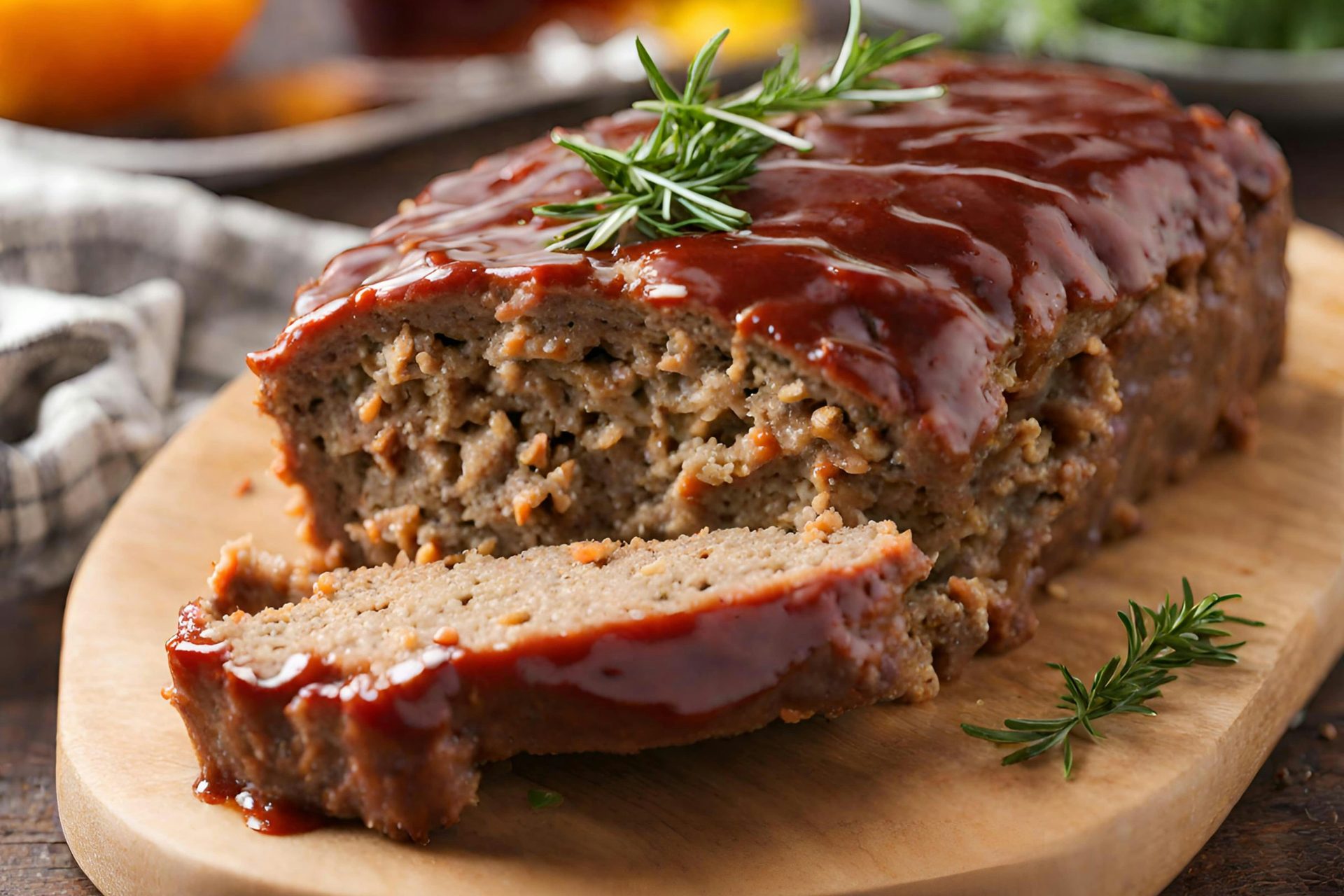
Meatloaf is one of America’s most reliable weeknight dinners — filling, budget-friendly, and endlessly customizable. But what happens when you want to get ahead of dinner prep, or you’ve mixed up a double batch and need to store the extra? The good news: freezing uncooked meatloaf is not only possible, it may actually be the better option compared to freezing it after baking.
This guide walks you through everything you need to know about freezing raw meatloaf — from wrapping it correctly and how long it keeps, to thawing, cooking, and spotting signs that it has gone bad. Whether you’re meal-prepping for a busy week or stocking your freezer for a future easy dinner, you’re in the right place.
Can You Freeze Uncooked Meatloaf?
You can freeze leftover already-cooked meatloaf as well as uncooked, raw meatloaf. Both methods work, but many home cooks prefer to freeze it raw. It is best to freeze uncooked meatloaf before cooking because it will have a better taste and texture than meatloaf that was cooked prior to freezing, and raw meatloaf also lasts longer in the freezer than precooked.
You can freeze meatloaf mix, which typically consists of ground meat, breadcrumbs, seasonings, and other ingredients. This makes it a natural fit for meal prep — you can prepare multiple meatloaves at once, then stick them in the freezer. The only rule is that if your ground beef or ground turkey was previously frozen before you mixed it, you should bake the meatloaf first before refreezing it to stay on the safe side.
Pro Tip: Next time you make meatloaf for dinner, mix a double batch. Bake one tonight and freeze the second raw. You get two dinners for nearly the same prep effort.
If you’re curious about freezing other fresh ingredients for meal prep, check out this guide on freezing fresh uncooked zucchini — the same careful wrapping principles apply.
Does Freezing Change the Texture or Taste of Uncooked Meatloaf?
Taste holds up well through freezing. Meatloaf is a perfect food to freeze as it tastes just as good cooked from the freezer as the one that was freshly made. The bigger consideration is texture, and this is actually one reason freezing raw is smarter than freezing cooked.
Since the texture is such an important part of the meatloaf taste, it’s best to only cook it once. The meatloaf that was frozen raw will only be cooked once, so it will have a better texture than a meatloaf that was cooked twice. In contrast, meatloaf that was cooked and frozen tends to be drier and less flavorful.
Freezing uncooked meatloaf can affect the texture of the meat slightly — the meat may become slightly mushy or crumbly after it has been frozen — however, this should not affect the taste of the meatloaf. Once it bakes, the structure firms back up and most people can’t tell the difference from a freshly made loaf.
To protect flavor during freezing, add a little extra seasonings or sauces before freezing to enhance the flavor. Ingredients like Worcestershire sauce, ketchup, barbecue sauce, herbs, garlic, onions, or spices deepen the flavor infusion with a richness that will stand up to the freezing process.
How to Freeze Uncooked Meatloaf the Right Way
Proper wrapping makes the difference between meatloaf that comes out of the freezer tasting great and one that’s dried out with freezer burn. Follow these steps for best results.
- Mix your ingredients as usual. Follow your recipe all the way through the mixing step, stopping before you bake. It doesn’t matter if your meatloaf has eggs in it or not — it is safe to freeze.
- Shape the loaf. Uncooked meatloaf can be shaped into portions and frozen individually. You can form one large loaf, smaller individual loaves, or even press the mixture into a muffin tin for single-serving portions.
- Flash-freeze first. Flash-freeze the meatloaf by placing the sheet pan or plate in the freezer until it freezes — this takes 1–2 hours. You want to be able to lift the frozen meatloaf off the pan easily.
- Wrap tightly. Wrap your prepared meatloaf in parchment paper or cling film to help it maintain its shape. Next, store it in a ziplock freezer bag or another freezer-safe container that’s airtight, and squeeze any excess air out before sealing it.
- Label and date. Label your package with the date and store in the freezer at 0°F (-18°C) or below, as per USDA safety guidelines for ground meat and ground turkey.
Pro Tip: Spray the plastic wrap lightly with cooking spray before shaping the loaf on it. This prevents the wrap from sticking to the raw meat when you’re ready to unwrap and bake.
| Freezing Method | Best For | Key Advantage |
|---|---|---|
| Flash-freeze on tray, then wrap | Full-size loaves or multiple loaves | Keeps shape; easy to stack after solid |
| Muffin tin portions | Single servings or kids’ meals | Quick to thaw; great portion control |
| Freeze mixture before shaping | Flexible meal planning | Shape into loaf after thawing |
| Vacuum-sealed bag | Long-term storage | Maximum protection against freezer burn |
How Long Can You Freeze Uncooked Meatloaf?
Uncooked meatloaf can stay frozen for between three and six months. Most sources align on three months as the point of peak quality, after which flavor and texture may gradually decline even if the meatloaf remains technically safe.
Meatloaf can be stored in the freezer for up to three months. After that, it may start to lose flavor and texture. It’s best to use it within this time frame for optimal taste. For the longest shelf life, if you have a reliable deep freeze that keeps your meat at freezing or below-zero temperatures, it will last even longer.
According to the USDA Food Safety and Inspection Service , food kept consistently at 0°F will always be safe — it’s just the quality of the food that will suffer over time. So while your meatloaf won’t become dangerous after three months if properly frozen, it’s worth using it while it still tastes its best.
Important Note: If the ground meat you used was previously frozen before mixing, cook the meatloaf fully before freezing it rather than refreezing it raw. This follows standard USDA food safety guidance for ground meat handling.
How to Thaw Frozen Uncooked Meatloaf
Thawing raw meatloaf safely is just as important as freezing it correctly. The USDA does not recommend thawing ground beef dishes at room temperature, as this can encourage the growth of harmful bacteria. Stick to one of these two safe methods instead.
Refrigerator thaw (recommended): If you freeze your meatloaves raw, thaw them in the fridge before baking so that they cook evenly. Place the meatloaf back into the original pan in the refrigerator for approximately 24 hours. Once thawed, cook it as you normally would.
Microwave thaw (quick option): Place the meatloaf on a microwave-safe plate and remove the plastic wrap. If the plastic wrap is stuck, put the meatloaf back in the freezer bag and place it under hot running water for a minute. To thaw in the microwave, use the Defrost setting — a 2-pound meatloaf usually takes about 10 minutes.
Cooking from frozen: The meatloaf can be cooked frozen — you need to remove the plastic wrap and foil first. Raw or cooked meat can be cooked from the frozen state, but it will take approximately one and a half times as long to cook. Use a meat thermometer to confirm doneness.
Can You Refreeze Uncooked Meatloaf After Thawing?
This depends on how you thawed it. You can refreeze uncooked meatloaf and it is generally considered a safe practice — if your meatloaf was adequately sealed and thawed in the refrigerator, you can refreeze it. The refrigerator keeps the meat cold enough to prevent significant bacterial growth during the thaw.
However, if you thaw the meatloaf at room temperature, it should be cooked and eaten immediately rather than refrozen. Room-temperature thawing allows bacteria to multiply in the outer layers of the meat before the center thaws, making it unsafe to put back in the freezer raw.
Keep in mind that each freeze-thaw cycle does affect quality. While some ice crystals are normal in frozen meat, too many indicate the beef has been poorly stored and suffered multiple freeze-thaw cycles. Excess ice on beef can lead to freezer burn and dry spots. Heavily crystallized beef may not make you sick, but it is degraded in quality and texture. If you want to avoid this problem entirely, portion the meatloaf before the first freeze so you only thaw what you need.
How to Use Frozen Uncooked Meatloaf (Best Uses After Freezing)
Once thawed, cook the meatloaf the same way as if it was never frozen. The beauty of freezing it raw is that your final dish comes out tasting freshly made rather than reheated. Here are the best ways to put it to use:
- Classic weeknight dinner: Thaw overnight, bake at 350°F until the internal temperature reaches 160°F for beef or 165°F for poultry meatloaf. Serve with mashed potatoes and roasted vegetables.
- Meatloaf sandwiches: Freezing in individual portions is a convenient option for a single-serving meatloaf sandwich, wrap, or pita. Bake a single portion and slice it cold for a packed lunch.
- Mini meatloaves for meal prep: Cook the meatloaf in muffin tins and freeze them in individual portions rather than a whole loaf. These reheat fast and work well for kids’ plates or solo dinners.
- Stuffed peppers: Crumble thawed raw meatloaf mixture into halved bell peppers, top with tomato sauce, and bake. A simple variation that stretches one batch into a different meal.
- Meatloaf sliders: Shape thawed raw mixture into small patties and pan-fry or bake. Serve on slider buns with ketchup glaze for a crowd-pleasing twist.
Meatloaf pairs naturally with a wide range of sides. If you’re looking to make your meals more nutritious overall, explore superfoods for a healthy heart or whole plant-based foods that complement a protein-forward main dish.
Signs That Frozen Uncooked Meatloaf Has Gone Bad
Even properly frozen food can go bad if it’s been stored too long, improperly wrapped, or subjected to temperature fluctuations. Here’s what to look for before you thaw and cook your meatloaf.
Freezer burn: Freezer burn does not make food unsafe, merely dry in spots. It appears as grayish-brown leathery spots and is caused by air coming in contact with the surface of the food. You can trim those spots away before cooking. Heavily freezer-burned foods may have to be discarded for quality reasons.
Color changes: The bright red color of meat as purchased usually turns dark or pale brown depending on its variety. This may be due to lack of oxygen, freezer burn, or abnormally long storage. Some color change is normal and doesn’t mean the meatloaf is unsafe — use your other senses to confirm.
Off smell after thawing: Frozen meat may no longer be fresh if it has developed a strong odor. If the meatloaf smells sour, rancid, or “off” once thawed, discard it. Don’t rely on appearance alone.
Sticky or slimy texture: After thawing, the surface of the raw meatloaf should feel slightly tacky but not slimy or gummy. A sticky or slick surface is a sign that bacterial spoilage has occurred.
Mold: While rare in frozen meat, mold will show itself as fuzzy splotches of white, green, or black around the surface. Any areas with visible mold are dangerous to eat and the meatloaf should be thrown out entirely.
Unlabeled or unknown age: If you can’t answer how long something has been in the freezer, it’s probably been too long. Always label your meatloaf with the date it was frozen. If you find an unlabeled package and can’t remember when you made it, err on the side of caution and toss it.
Important Note: According to the USDA FSIS , food kept consistently at 0°F is always technically safe. Quality — not safety — is what declines over time with properly frozen meatloaf.
Frequently Asked Questions
Can you freeze meatloaf with eggs in it?
Yes. It doesn’t matter if your meatloaf has eggs in it or not — it is safe to freeze. Eggs are a standard meatloaf binder and freeze well when incorporated into the raw mixture.
Can you freeze meatloaf in a loaf pan?
After preparing, flash-freeze the meatloaf in the pan, then remove it from the pan and place it into a freezer-safe container. This way, the loaf holds its shape without tying up your pan in the freezer indefinitely.
How long does uncooked meatloaf last in the refrigerator?
In the refrigerator, raw meatloaf can be stored for one night and must be tightly wrapped or placed in an appropriate, clean container. If you’re not cooking it within 24 hours of mixing, move it to the freezer.
What internal temperature should meatloaf reach when cooked?
The USDA recommends that you cook meatloaf to an internal temperature of 160°F for beef meatloaf and 165°F for poultry meatloaf. Always use a meat thermometer to check — don’t rely on color or cooking time alone.
Can you cook meatloaf directly from frozen without thawing?
Raw meat can be cooked from the frozen state, but it will take approximately one and a half times as long to cook. Make sure to confirm the internal temperature with a thermometer before serving.
Does freezing kill bacteria in raw meatloaf?
Does freezing food kill harmful bacteria? The short answer is no, but the long answer is that it does delay bacterial growth. This is why proper thawing in the refrigerator — not on the countertop — matters so much for safety.
For more tips on building a health-conscious kitchen, explore our guides on foods for healthy skin, foods that support liver function, and nutrients and foods that fight cancer.