Can You Freeze Homemade Applesauce? Everything You Need to Know

November 3, 2026
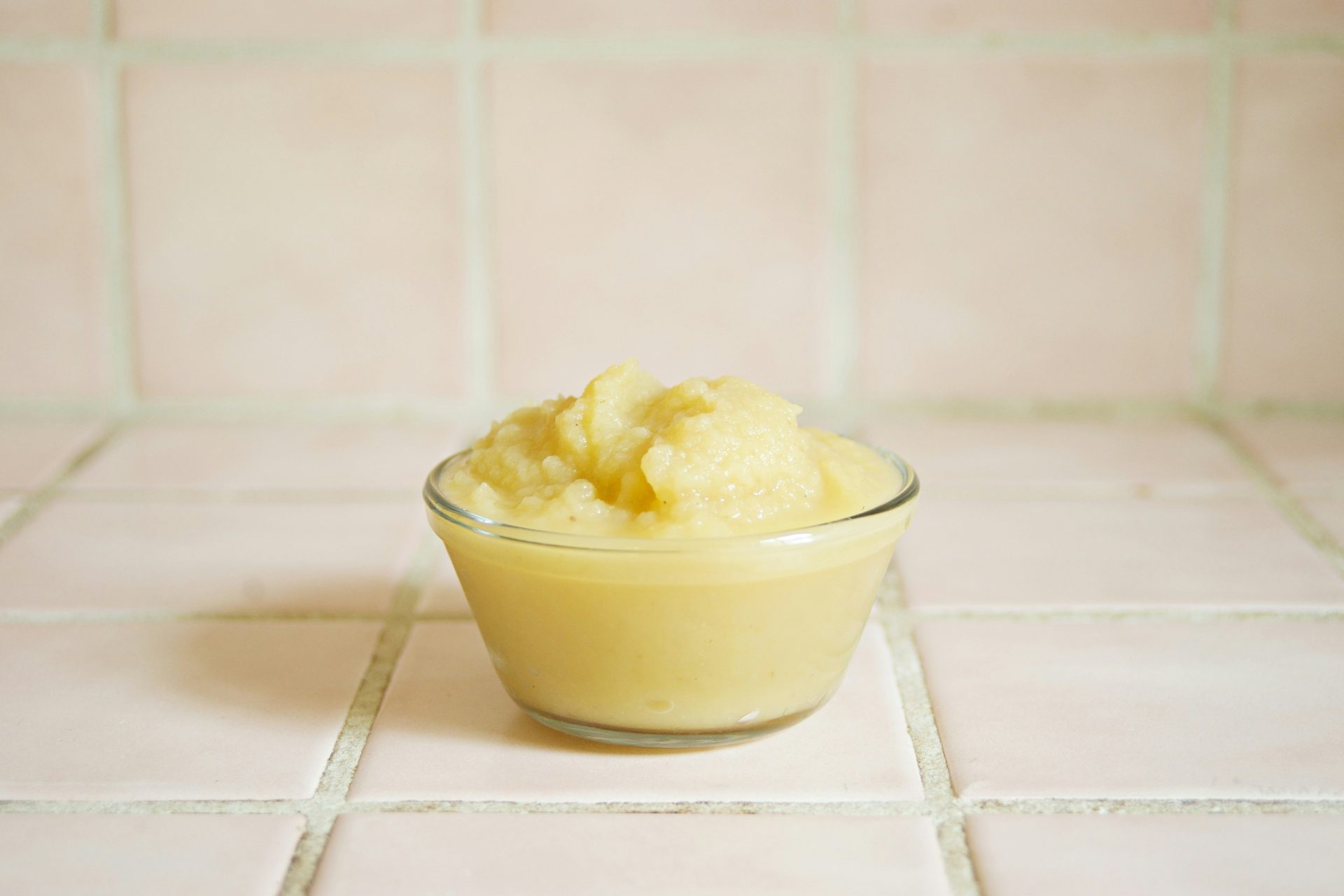
If you made a big batch of homemade applesauce during apple season and are wondering whether the freezer can save you from eating it all in a week — good news. Yes, you can absolutely freeze homemade applesauce, and it holds up better than most people expect.
Applesauce freezes incredibly well and lasts longer than many frozen sauces since it doesn’t contain any milk ingredients. Whether you picked a bushel at a local orchard, scored a deal at a farmers market, or simply made more than your household can use in a week, the freezer is your best friend for preserving every last jar.
This guide walks you through everything you need to know — from how freezing affects taste and texture, to step-by-step freezing instructions, thawing methods, and smart ways to put that frozen applesauce to work in your kitchen.
Can You Freeze Homemade Applesauce?
Yes, you can absolutely freeze applesauce. Whether it’s homemade or store-bought, freezing is an excellent way to extend the shelf life of this nutritious treat. For homemade batches in particular, freezing is a practical alternative to canning — no special equipment, no sterilizing jars, and no water-bath processing required.
Making and freezing homemade applesauce is surprisingly easy, and this way you can control the ingredients and the quantities that go into it, all while stocking your freezer with individual portions for snacks, dessert, and cooking. It’s a straightforward way to stretch a fall apple haul well into winter and beyond.
If you also want to freeze store-bought applesauce, the same principles apply — check out this guide on freezing store-bought applesauce for specifics. And if you’re making applesauce for a little one, see the dedicated guide on freezing applesauce for babies for age-appropriate portion tips.
Pro Tip: Freeze your applesauce within 3 days of making it. The sooner you freeze it, the better the quality will be once thawed.
Does Freezing Change the Texture or Taste of Homemade Applesauce?
Freezing applesauce is generally forgiving, but there are a few changes to expect. Once thawed, the texture may separate slightly or become a bit more watery than fresh, especially if it’s homemade and unsweetened. This doesn’t affect the flavor, which remains sweet and fruity, but you might need to stir it or blend it briefly to restore a smooth consistency.
When properly frozen and thawed, applesauce maintains its smooth, rich texture. It’s important to note, however, that applesauce might become a bit more watery upon thawing, but a quick stir should easily restore its original consistency.
Sweetened store-bought applesauce usually fares a bit better, as the added sugar helps maintain texture during freezing. For homemade versions, especially unsweetened ones, just plan to give it a good stir after thawing and you’re set.
Key Insight: One tip worth noting: if you prefer to add spices like cinnamon after cooking, consider holding off until you’re ready to serve. Some home cooks find that spices can lose potency in the freezer, so adding them fresh after thawing keeps the flavor sharper.
How to Freeze Homemade Applesauce the Right Way
Getting the process right matters. Rushing a warm batch straight into the freezer is the most common mistake — it creates excess condensation, large ice crystals, and can lead to freezer burn that ruins both texture and flavor. Follow these steps for the best results.
- Cool it completely first. Let the applesauce cool fully at room temperature before freezing. This helps prevent excess condensation and ice crystals.
- Choose the right containers. Use freezer-safe mason jars (leave 1–2 inches of headspace), silicone freezer trays, or freezer bags laid flat for easy stacking.
- Leave headspace. Remember to leave some space at the top, as the sauce will expand when it freezes. Skipping this step can crack glass jars or burst sealed bags.
- Remove excess air. Remove excess air from bags to avoid freezer burn. For bags, press them flat before sealing so they stack neatly.
- Label everything. Mark your containers with the date so you can use the oldest batches first.
- Freeze flat for bags. Place your applesauce into the freezer and make sure you lay the bags flat so they can freeze evenly. Once they are frozen, feel free to stand the bags up to make the most of your freezer space.
For small-batch freezing, pour the applesauce into ice cube trays and place them in the freezer. Once fully frozen, pop the cubes out and place them in resealable freezer bags, pressing out any excess air before sealing. This works especially well for baking portions or baby food servings.
How Long Can You Freeze Homemade Applesauce?
For best quality, use your frozen applesauce within a year. Most sources agree on a window of 6 to 12 months for peak flavor and texture, with quality gradually declining after that point.
| Storage Method | Estimated Shelf Life | Notes |
|---|---|---|
| Refrigerator (after making) | Up to 1 week | Store in an airtight container |
| Freezer (standard) | 6–12 months | Best quality within this window |
| Freezer (vacuum-sealed) | Up to 12+ months | Even longer if vacuum sealed |
| Thawed (in fridge) | Up to 1 week | Do not refreeze |
Applesauce can be frozen for up to a year while maintaining its quality. While it’s still safe to eat beyond this point, you may notice a decline in its flavor and texture. To get the most out of your batch, aim to use it within that 6–12 month window.
Important Note: Always freeze homemade applesauce as soon as possible after making it. Freezing homemade applesauce while still warm will cause large ice crystals to form, which will cause freezer burn, ruining the texture and flavor.
How to Thaw Frozen Homemade Applesauce
Thawing properly makes a real difference in the final texture. You have a few options depending on how much time you have.
- Refrigerator method (recommended): Transfer the frozen applesauce from the freezer to the refrigerator for slow, safe thawing. This method is recommended as it maintains the texture of the sauce. Plan for an overnight thaw.
- Microwave method: If you’re in a hurry, you can defrost applesauce in the microwave. Just remember to stir it occasionally for even thawing.
- Cold water method: Placing the container in a bowl of cold water can speed up the process. Change the water every 30 minutes to keep it cold.
One important rule: never thaw applesauce at room temperature, as it can lead to bacterial growth. Stick to the fridge, microwave, or cold water methods to keep things food-safe.
After thawing, the water may separate a little bit from the apple, but giving the applesauce a good stir will reincorporate the liquid and return the applesauce to its original texture. Once thawed, keep it in the fridge and consume it within a week.
Can You Refreeze Homemade Applesauce After Thawing?
This is a question many people ask, especially when they thaw more than they need. The short answer: it’s technically possible, but not a good idea.
Technically, you can refreeze applesauce that has been thawed, but it will lose taste and texture. For best results, don’t refreeze the applesauce.
While it’s safe to refreeze thawed applesauce, it’s not advisable as the texture might become excessively watery. It’s best to only thaw what you’ll use.
The best way to avoid this situation entirely is to freeze in small, single-use portions from the start. If you’ve got several kids in the house, freezing the sauce in 2-cup portions may work well, but you might also consider smaller portions, such as 2 tablespoon, ¼ cup, and ½ cup portions. Ice cube trays are perfect for this — once frozen solid, pop the cubes into a labeled freezer bag and grab only what you need each time.
How to Use Frozen Homemade Applesauce (Best Uses After Freezing)
Once thawed, homemade applesauce is just as useful as fresh. The taste stays strong, making frozen applesauce perfect for baking, smoothies, sauces, or even just enjoying straight from the fridge once thawed.
Here are some of the best ways to put it to work:
- Baking substitute: Applesauce is a popular substitute for oil or butter in baking recipes. It can add moisture and a slight sweetness to items like pancakes, muffins, and cakes, making them healthier by reducing fat content.
- Smoothies: Frozen applesauce can be added to smoothies for a boost of extra flavor and fiber.
- Oatmeal and yogurt topping: Stir it into oatmeal, yogurt, or sauces for a natural sweetness boost.
- Baby food: Freezing it in ice cube-size portions makes for convenient baby food. Thaw one or two cubes at a time as needed.
- Apple slushy snack: It’s delicious half-thawed as an apple slushy — a fun, refreshing option on a warm day.
- Side dish: Pair it with pork chops or roasted chicken as a classic American side. Applesauce and pork is a pairing rooted in traditional home cooking across the US.
If you’re interested in how apples and other whole foods support your overall health, this article on whole plant-based foods covers the broader benefits of fruit-forward eating. Apples are also worth noting for their antioxidant content — learn more about how applesauce fits into a healthy diet alongside other nutrient-dense foods.
Pro Tip: When using thawed applesauce in baked goods, the slightly looser texture after freezing actually works in your favor — it incorporates more evenly into batters and doughs.
Signs That Frozen Homemade Applesauce Has Gone Bad
Frozen applesauce stored properly at 0°F will remain safe indefinitely, but quality does decline over time. Once thawed, you’ll want to check it carefully before eating. Here’s what to look for:
- Mold: Mold growth is a significant red flag. If you see mold on the surface or around the lid, discard the product immediately to prevent ingestion of harmful microorganisms.
- Off smell: A sour or off-putting smell is a clear indicator that the applesauce has gone bad. Fresh applesauce should smell sweet and apple-forward.
- Unusual color: Color changes are a clue. Fresh applesauce has a consistent, light hue, while spoiled applesauce may develop a darker color or uneven tones, indicating oxidation or other spoilage. Note that a thin layer of surface browning is normal and harmless — that’s just oxidation, not spoilage.
- Bubbling or fermentation: Any presence of bubbles can indicate fermentation, which means the applesauce has gone bad and should be discarded.
- Freezer burn: Applesauce that goes too long in the freezer can succumb to freezer burn. You’ll notice dry, grayish patches on the surface. Freezer-burned applesauce is safe to eat but will taste noticeably flat and papery.
- Off taste: If everything looks and smells fine but the taste seems wrong, trust your instincts and discard it.
Applesauce can definitely go bad, and it can cause serious illness if eaten once it spoils. When in doubt, throw it out — a jar of applesauce isn’t worth a food safety risk.
Eating well also means knowing which foods support your body. If you’re interested in foods that work hard for your health, explore these guides on superfoods for a healthy heart, foods for healthy skin, and foods that support liver function.
Frequently Asked Questions
Can You Freeze Homemade Applesauce in Glass Jars?
Yes, with one important caveat. Only fill the jars ¾ of the way full to allow them room to expand while freezing. Use wide-mouth, freezer-safe mason jars rather than regular canning jars, which can crack under the pressure of expansion. Refrigerate the jars overnight before transferring to the freezer to reduce the thermal shock.
Can You Freeze Homemade Applesauce in Zip-Lock Bags?
Absolutely. Ziploc or other heavy-duty freezer bags work great — just leave some space at the top for expansion to prevent leaks. Squeeze out as much air as possible before sealing, then lay the bags flat to freeze. Once solid, you can stand them upright to save space.
How Long Does Homemade Applesauce Last in the Fridge?
Homemade applesauce typically keeps for about a week in the fridge. Some recipes suggest up to 10 days, but a week is a safe general guideline. If you won’t use it within that window, freeze it right away rather than waiting until it’s close to spoiling.
Does Homemade Applesauce Freeze Better With or Without Sugar?
Both freeze well, but there is a minor difference. Unsweetened homemade applesauce may release slightly more liquid upon thawing because there’s no sugar to help bind moisture. A quick stir solves this in seconds. If you prefer to keep your applesauce unsweetened, you can make unsweetened applesauce and sweeten it later with honey, maple syrup, or sugar based on your preference — which makes it more flexible for different uses after thawing.
Can You Freeze Applesauce Made With Cinnamon?
Yes, but some home cooks prefer to add spices after thawing rather than before freezing. Spices like cinnamon can fade in the freezer over several months. If you’re freezing for longer-term storage, consider making a plain batch and seasoning to taste once thawed. For shorter storage — under two or three months — pre-spiced applesauce freezes just fine.
Is Frozen Applesauce Good for Babies?
Apples are a great choice for one of your baby’s first foods — they’re easy to digest, are a great source of fiber, and are so versatile, they can be paired with almost any other purée. Freeze homemade baby applesauce in ice cube trays for perfectly sized single servings. For more on this topic, see the full guide on freezing applesauce for babies.
What Is the Best Container to Freeze Applesauce In?
Airtight, freezer-safe containers or bags are ideal. Single-serving portions or small containers make it easier to thaw only what you need. Options include wide-mouth mason jars, silicone freezer trays, heavy-duty zip-top bags, or rigid plastic freezer containers. Each works well — the key is an airtight seal and leaving enough headspace for expansion.