
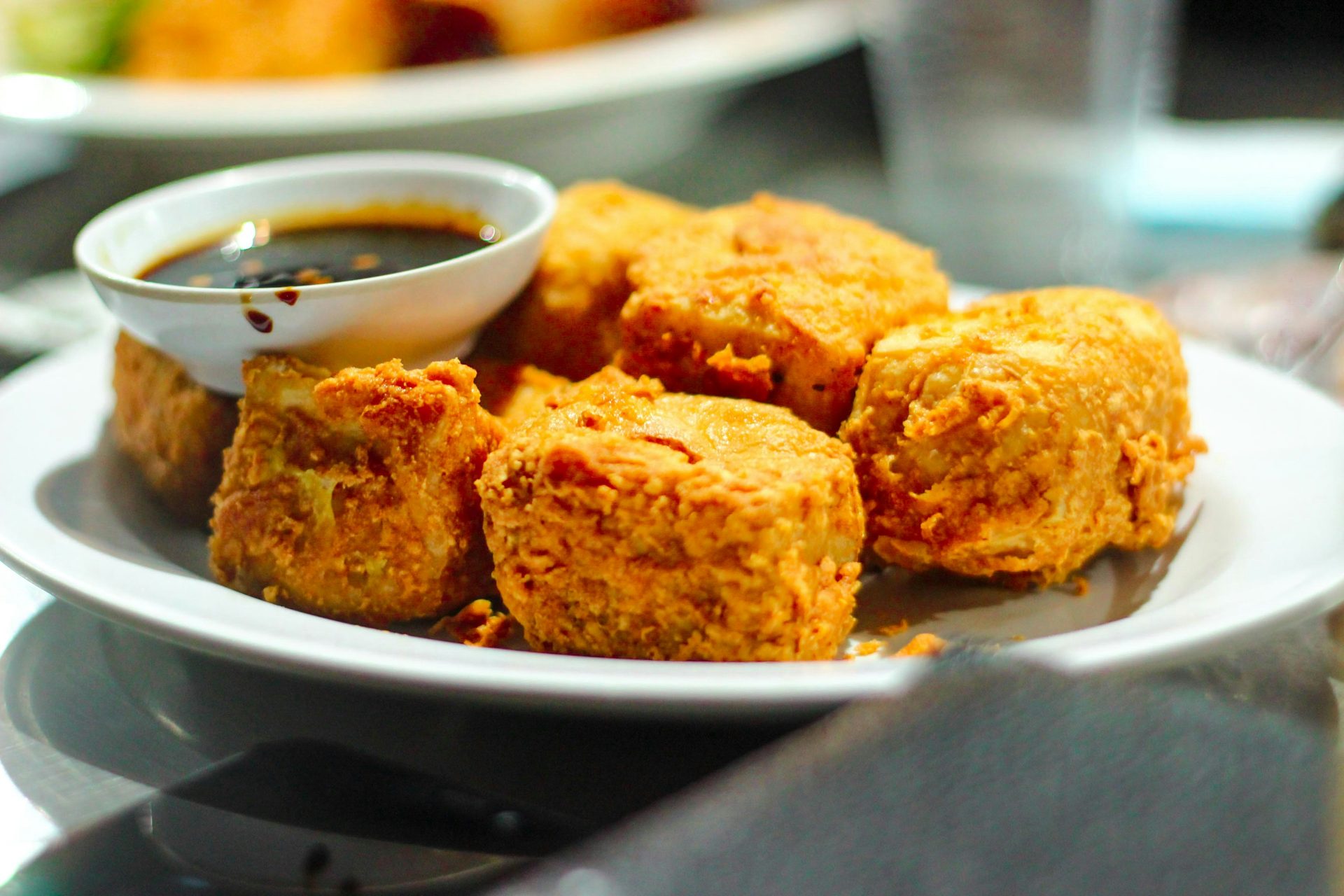
Tofu puffs are one of those ingredients that seem too delicate to freeze — crispy on the outside, light and spongy on the inside, and best enjoyed fresh. But if you bought a bag from your local Asian grocery store and can’t use them all before they go bad, you’re probably wondering whether the freezer is a real option.
The short answer is yes. Tofu puffs can be frozen for up to 3 months, and they defrost well when given a little time before use. Whether you picked up store-bought puffs or made your own at home, this guide walks you through exactly how to freeze them, what changes to expect, and how to get the most out of them once thawed.
Can You Freeze Tofu Puffs?
Yes, you can absolutely freeze tofu puffs. With proper freezing and thawing techniques, tofu puffs can last up to 3 months in the freezer — significantly longer than refrigeration alone. This makes freezing a practical solution if you cook in batches, stock up at an Asian supermarket, or simply want a protein-rich ingredient ready to go on a weeknight.
Tofu puffs are deep-fried tofu cubes or triangles with a crispy exterior and a fluffy, spongy interior. Their airy texture acts like a sponge, making them ideal for soaking up sauces or soup broth. That absorbent quality actually works in your favor when freezing, as you’ll see in the next section.
Known as tow-hu tawt in Thai, tofu puffs are deep-fried cubed or triangle-cut pieces of bean curd found in Asian supermarkets in the refrigerated section. Deep-frying makes them very chewy and absorbent, making them a perfect ingredient in stews. Light and spongy with hollow centers, they’re also ideal for stuffing. All of these qualities hold up well after a stint in the freezer.
Pro Tip: If you shop at Asian grocery stores, buy an extra pack of tofu puffs and freeze them right away. You’ll always have a quick protein ready for soups, stir-fries, and hot pots without an extra trip to the store.
Does Freezing Change the Texture or Taste of Tofu Puffs?
Freezing does affect tofu puffs, but the change is not necessarily a bad thing — it depends on how you plan to use them. Time in the freezer transforms fried tofu. The cell walls expand, turning the blocks denser and chewier after defrosting. That modification makes them even more optimal for sponging up whatever sauce they’re cooked in.
The science behind this is straightforward. Tofu contains a lot of water. When it freezes, that water forms ice crystals inside. As the ice expands, it pushes the protein structure apart and creates small pockets throughout. Once thawed, the ice melts and leaves behind tiny holes that give tofu a sponge-like texture — and those pores allow sauces and marinades to soak in more easily.
For store-bought tofu puffs specifically, they can be frozen for up to 3 months without significantly changing the texture, unlike other types of tofu. However, freezing does affect the molecular makeup of tofu and can cause it to be a little chewier, so keep that in mind. As for flavor, the simple act of freezing tofu itself doesn’t affect the flavor — but it does make it much easier to add flavor to your tofu.
If you’re adding frozen-and-thawed tofu puffs to soups, braises, or curries, the chewier, more porous texture is a genuine upgrade. If you want them crispy as a standalone snack, plan to reheat them in an oven or air fryer after thawing.
How to Freeze Tofu Puffs the Right Way
The method you use matters. Rushing the process or skipping key steps leads to freezer burn and soggy results. Follow these steps for the best outcome.
- Cool completely first. Allow the tofu puffs to cool completely to room temperature before freezing. Putting warm puffs in the freezer creates condensation that turns into ice crystals on the surface.
- Flash-freeze in a single layer. Place the puffs in a single layer on a baking sheet or plate, making sure they don’t touch. Freeze until they are firm, usually a few hours. This prevents them from clumping together into one frozen mass.
- Transfer to an airtight container. Transfer the frozen tofu puffs to an airtight container or freezer-safe bag, separating layers with parchment paper. A zip-top freezer bag with the air pressed out works well.
- Label and date. Label the container with the date and contents, then freeze for up to 3 months. This simple step saves you from guessing later.
Pro Tip: Double-wrap the tofu puffs in both plastic wrap and aluminum foil to prevent freezer burn if you plan to store them for longer than a month or if your freezer runs warmer than 0°F.
If you’re freezing store-bought tofu puffs that are still sealed in their original package and haven’t been opened, you can place the entire package directly in the freezer — no additional prep needed.
How Long Can You Freeze Tofu Puffs?
Tofu puffs can be frozen for up to three months. Most sources agree on this window as the sweet spot for maintaining quality. Like most frozen foods, tofu won’t go bad if kept frozen, but after about 3 months the quality starts to decline — it’ll begin to taste like freezer.
In the refrigerator, the shelf life is much shorter. Store-bought tofu puffs should be kept refrigerated up to the expiration date on the package, or about 3 days once opened in an air-tight container. Homemade puffed tofu has a similar fridge window: refrigerate leftover puffs in an airtight container for up to 2–3 days.
| Storage Method | How Long They Last | Best For |
|---|---|---|
| Room temperature | A few hours | Serving immediately |
| Refrigerator | Up to 3 days (opened) | Short-term leftovers |
| Freezer | Up to 3 months | Batch cooking, bulk buying |
How to Thaw Frozen Tofu Puffs
Thawing tofu puffs the right way protects their texture and prevents them from becoming waterlogged. You have three main options depending on how much time you have.
- Refrigerator (best method): Place the frozen tofu puffs in the refrigerator overnight or for several hours. This is the gentlest method and produces the best texture.
- Cold water (faster): Submerge the tofu puffs in a bowl of cold water for 30–60 minutes, changing the water every 15 minutes. This works well when you forgot to pull them out the night before.
- Microwave (quickest): Place the tofu puffs on a microwave-safe plate and thaw in 30-second intervals, checking and rotating until thawed. Use this only when you’re in a real hurry, as it can affect texture slightly.
After thawing, avoid reheating the tofu puffs too quickly, as this can result in sogginess. If you want to restore some crispiness, they are best defrosted in the oven or given a quick burst in the air fryer. You can also reheat them in a hot pan with a small amount of oil for a few minutes per side.
Once thawed, you can also add tofu puffs directly to simmering soups or braises without reheating separately — the hot liquid does the work for you. This is one of their best uses after freezing, as explored in the plant-based cooking space.
Can You Refreeze Tofu Puffs After Thawing?
Refreezing tofu puffs is not recommended. Refreezing fried tofu puffs can compromise their texture and flavor. Each freeze-thaw cycle pushes more moisture out of the tofu, leaving you with a drier, tougher result that doesn’t hold up well in most dishes.
The best way to avoid this situation is to freeze tofu puffs in portions. Use small zip-top freezer bags and divide them into meal-sized amounts — say, 6 to 8 puffs per bag. That way, you only thaw what you need and never have to refreeze the rest.
Important Note: If your tofu puffs were thawed in the refrigerator and kept cold the entire time, food safety guidelines allow you to refreeze them within 1–2 days. However, the texture will suffer noticeably. It’s far better to plan portions ahead of time.
How to Use Frozen Tofu Puffs (Best Uses After Freezing)
Frozen-and-thawed tofu puffs are more absorbent and chewier than fresh ones, which makes them ideal for dishes where they soak up liquid and flavor. If you freeze tofu puffs, they become firmer and are best added to hot soups. But the possibilities go well beyond soup.
Frozen tofu takes on a firmer, almost sponge-like texture, making it chewier and bouncier. With the large holes that form, it absorbs sauces and flavors more readily than fresh firm tofu, which tends to only cling to flavor on its surface. That makes thawed tofu puffs a natural fit for bold, saucy dishes.
Here are the best ways to use them:
- Soups and hot pots: Drop thawed tofu puffs directly into ramen broth, miso soup, pho, or a bubbling hot pot. They absorb the broth beautifully and add satisfying chew. This pairs well with heart-healthy ingredients like leafy greens and mushrooms.
- Stir-fries: Stir-fry the tofu puffs with vegetables, sauces, and seasonings for a quick and easy meal. Teriyaki, black bean sauce, and garlic-ginger combinations all work well.
- Braises and stews: Fresh fried tofu is extraordinary when stewed — it absorbs flavor well without losing its bouncy texture. After freezing, this quality is even more pronounced.
- Curries: Add puffed tofu to your favorite curry dishes to absorb the rich flavors. It’s excellent in Thai, Indian, and Japanese curries.
- Stuffed preparations: Light and spongy with hollow centers, tofu puffs are ideal for stuffing with ground pork, shrimp paste, or seasoned vegetables — a popular preparation in Chinese and Vietnamese cooking.
- Salads: Top salads with crispy tofu puffs for added protein and texture. Reheat them in the air fryer first to bring back some crispiness before adding to a salad.
Tofu puffs are a great plant-based protein source that fits naturally into a wide range of everyday meals. If you’re looking to add more variety to your diet, they’re also worth pairing with dishes inspired by global food traditions that lean on soy-based proteins.
Signs That Frozen Tofu Puffs Have Gone Bad
Even in the freezer, tofu puffs can deteriorate over time. Knowing what to look for helps you avoid using product that’s past its prime.
- Freezer burn: White or grayish patches on the surface indicate that moisture has escaped and the tofu has dried out. The affected areas will taste bland and papery. You can cut off small freezer-burned spots, but heavily burned puffs are best discarded.
- Color changes: Frozen firm or extra-firm tofu may turn slightly yellow, which is completely harmless and does not affect taste or quality. A slight yellow tint after thawing is normal. However, gray, brown, or pink discoloration that wasn’t there before freezing is a warning sign.
- Off smell: Thawed tofu puffs should smell neutral or very mildly soy-like. A sour, ammonia-like, or otherwise unpleasant odor means they’ve gone bad and should be thrown out.
- Slimy texture: If the thawed puffs feel slimy or sticky on the surface rather than slightly moist, discard them. Sliminess in tofu is a reliable indicator of bacterial growth.
- Unusual taste: There are no guarantees about how long tofu will stay fresh, and many factors can extend or shorten its shelf life. If it doesn’t look right and doesn’t smell right, it probably isn’t going to taste right either.
As a general rule, always label your frozen tofu puffs with the date and use them within 3 months. Good labeling habits are the easiest way to avoid guesswork at the freezer door.
Frequently Asked Questions
Can you freeze store-bought tofu puffs that haven’t been opened?
Yes. If the package is sealed, you can place the entire package directly in the freezer without any prep. Freezing tofu in its original packaging is completely safe and convenient. As long as the package is intact and properly sealed, there is no need to transfer the tofu to another container before freezing.
Do tofu puffs freeze better than regular tofu?
In some ways, yes. Tofu puffs can be frozen for up to 3 months without significantly changing the texture, unlike other types of tofu. Because they’re already deep-fried and have a more structured exterior, they hold up better through the freeze-thaw cycle than soft or silken tofu.
Can you freeze tofu puffs that have been cooked in a sauce?
Yes, you can freeze fried tofu puffs that have been cooked in a sauce. However, the sauce may become thicker and less flavorful after freezing. Store them in the sauce in an airtight container and reheat gently on the stovetop.
How do you reheat frozen tofu puffs to get them crispy again?
Preheat your oven or toaster oven to around 350°F (175°C). Place the puffed tofu on a baking sheet and heat for about 10–15 minutes, or until warmed through and crispy again. An air fryer also works well — air fry at around 350°F for a few minutes until heated through and crispy.
Can you freeze homemade tofu puffs?
Yes. The same steps apply: cool completely, flash-freeze in a single layer, then transfer to an airtight freezer bag. Label and date the container or bag and store in the freezer, where they keep fresh for around 2 to 3 months. Homemade puffs that aren’t deep-fried (air-fried or oven-baked versions) may deflate slightly, but they still work well in soups and stews after freezing.
Are frozen tofu puffs good for a plant-based diet?
Tofu puffs are an excellent plant-based protein, and freezing doesn’t diminish their nutritional value. They pair well with a range of nutrient-dense foods and fit naturally into vegetarian and vegan meal plans. For more ideas on eating well with whole foods, check out this guide to whole plant-based foods.