
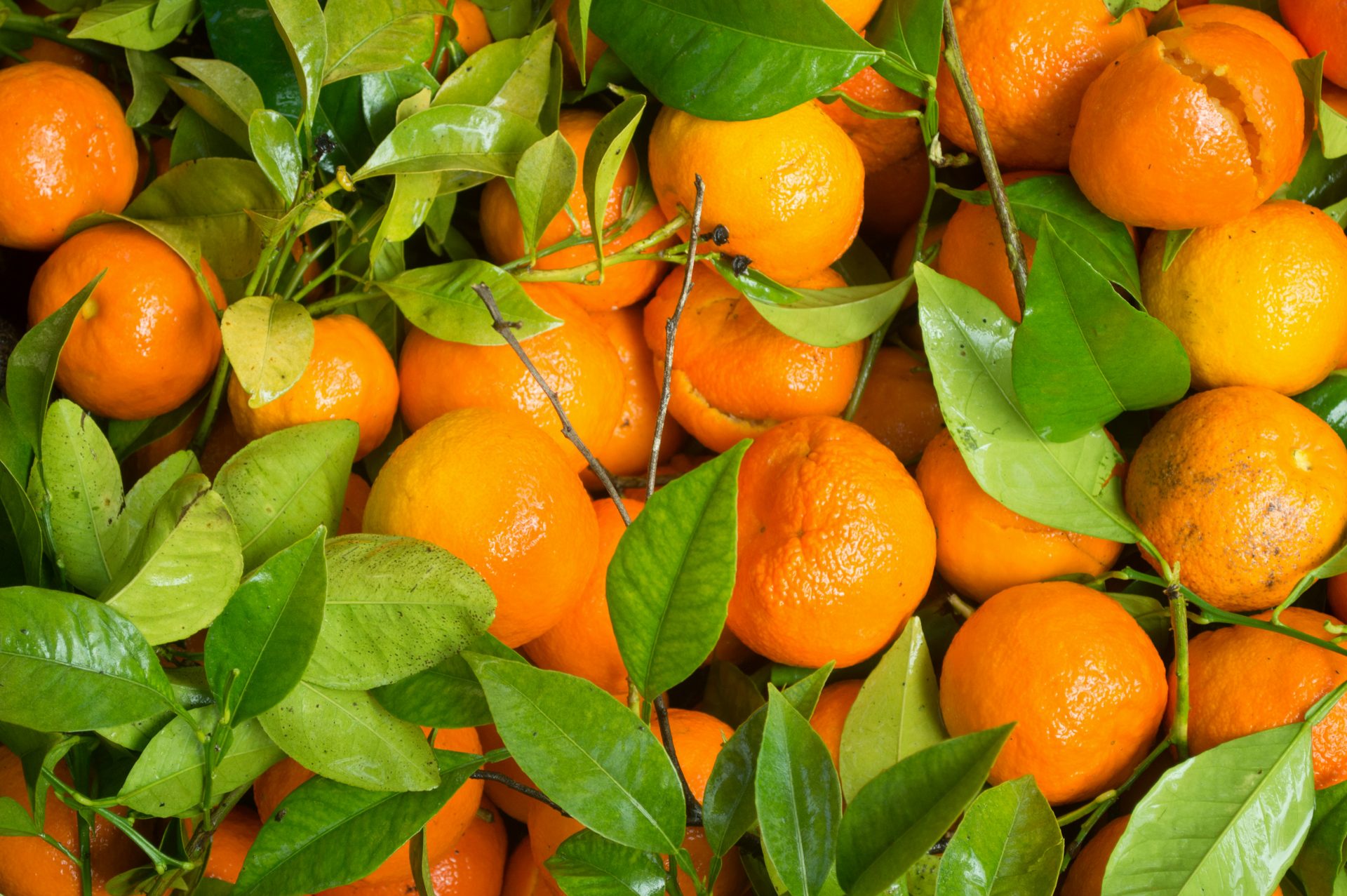
Nectarines are one of summer’s best stone fruits — sweet, juicy, and gone before you know it. If you’ve ever found yourself with more nectarines than you can eat before they go soft, you’re not alone. The good news is that freezing them is a practical, reliable way to hold on to that summer flavor for months.
This guide walks you through everything you need to know about freezing nectarines: how to do it correctly, how long they last, how to thaw them, and the best ways to put them to use once they come out of the freezer. Whether you picked up a flat at a farmers market or simply bought too many at the grocery store, this is the resource you need.
Can You Freeze Nectarines?
Yes, you can freeze nectarines. A nectarine is a type of stone fruit that’s similar to a peach, characterized by a smooth, plum-like rind and sweet white or yellow flesh. Stone fruits have a rather delicate flesh, and once fully ripened, you have to consume the fruit quickly — otherwise, rotting will set in. Freezing gives you a way around that tight window.
Freezing nectarines at their peak ripeness is a fantastic way to preserve their vibrant flavor and extend their shelf life, ensuring you can enjoy a taste of summer even during the colder months. There are important steps to take to ensure you achieve the best possible results and avoid common pitfalls like freezer burn and loss of texture.
One thing to keep in mind before you start: when frozen, the pit becomes bitter and taints the flavor. Always remove the pit before freezing — never freeze nectarines whole. When possible, preserve fresh, locally-grown nectarines for the best quality and nutritional value.
Pro Tip: Buy nectarines in bulk during peak summer season at your local farmers market or grocery store, then freeze them right away. You’ll have ready-to-use fruit for smoothies and baking all the way through winter.
Does Freezing Change the Texture or Taste of Nectarines?
Freezing preserves the flavor well, but it does affect texture. The freezing process may cause slight changes in the texture and flavor of nectarines. After thawing, they may become slightly softer and have a slightly altered taste. This is a normal result of ice crystals forming inside the fruit’s cells during freezing.
Once thawed, the texture of a frozen nectarine is distinct from that of a fresh nectarine. They will perform less well in new applications, including a salad, due to their high water content. Frozen nectarines are perfect for smoothies, directly from the freezer, and work great in baked or cooked recipes. However, a frozen nectarine’s texture is different from fresh once thawed. For this reason, they won’t do as well in fresh applications, such as a salad.
The flavor, on the other hand, holds up remarkably well when you start with ripe fruit and freeze it properly. Underripe nectarines will not develop their full flavor after thawing, and overripe ones will become mushy and lose their texture. Ripe-but-firm is the sweet spot.
How to Freeze Nectarines the Right Way
The method you use matters. Flash-freezing individual slices before bagging them is the standard approach used by home food preservation experts, and it prevents the fruit from clumping into one solid mass.
Step 1: Select and Prepare Your Fruit
Not all nectarines are created equal when it comes to freezing. The ideal nectarine for freezing should be ripe, firm, and slightly yielding to gentle pressure. Avoid fruit that is overly soft, bruised, or has any signs of decay.
Rinse the nectarines thoroughly under cool running water and pat them dry. Excess moisture can lead to ice crystals forming during freezing, impacting the fruit’s texture. Nectarines do not need to be peeled if you don’t mind the skins. The skin of the nectarine gets rough once it has been frozen, though this isn’t a major problem when it comes to smoothies.
Step 2: Pit and Slice
Cut the nectarine in half and remove the pit. Leave the fruit in halves, or cut it into slices. Slices are generally easier to work with later, especially for smoothies and baking. Try to slice the fruit into similar-sized slices to ensure the fruit will freeze equally.
Step 3: Prevent Browning
As you cut the nectarine, dip the pieces into a wash of lemon juice and water — mix 3 tablespoons of lemon juice into 1 quart of water. This prevents the fresh-cut fruit from browning. The lemon juice keeps the nectarines from turning brown, and the sugar draws the juice to the surface, blocking any air from being trapped inside and reducing the chance of freezer burn. If you skip the sugar, the lemon juice wash alone still does a solid job of preventing oxidation.
Alternatively, the National Center for Home Food Preservation recommends dissolving ascorbic acid in cold water as an effective anti-darkening treatment. To prevent darkening, dissolve 1/4 teaspoon (750 mg) ascorbic acid in 1/4 cup cold water for each quart of fruit, then sprinkle over the fruit.
Step 4: Flash Freeze on a Baking Sheet
Line a rimmed baking sheet with parchment or waxed paper. Place cut fruit on the sheet with space between each piece to prevent it from sticking together. Freeze until solid. Stick the baking sheet in the freezer and wait for 4 to 5 hours until the fruit slices are frozen solid.
Step 5: Transfer to Freezer Bags
Once the cut nectarines are frozen, transfer them carefully to a rigid plastic container or a resealable plastic bag. Label the package with the storage date, squeeze out as much air as you can before sealing, then put them in the freezer. Be sure to use freezer-grade zip-top bags, not regular ones. The freezer ones are thicker and much less likely to break, split, or allow freezer burn.
Store frozen nectarines in airtight containers or freezer bags at 0°F (-18°C) or below. Freeze packaged fruits as quickly as possible to 0°F or below. For quickest freezing, place containers in a single layer in the freezer.
Pro Tip: Vacuum sealing is worth the investment if you freeze fruit regularly. Vacuum sealing removes almost all air from the packaging, significantly reducing the risk of freezer burn and oxidation — and it is especially beneficial for long-term storage.
How Long Can You Freeze Nectarines?
Properly frozen nectarines, stored in airtight containers or freezer bags, can last for 8–12 months in the freezer. After this time, they may still be safe to eat, but their quality may decline due to freezer burn and loss of flavor.
Frozen nectarines can be stored in the freezer for up to 6–12 months without significant loss of quality. For the best taste and texture, it’s ideal to consume them within the first 6 months of freezing. The Taste of Home editorial team recommends using frozen fruit within three months for optimum flavor.
Unsweetened, dry-packed fruits will lose quality faster than those packed in sugar or syrup. If long-term storage is your goal, packing nectarine slices in a light sugar syrup or with a small amount of ascorbic acid gives them a better chance of retaining flavor and color over time.
| Storage Method | Estimated Freezer Life | Best For |
|---|---|---|
| Dry pack (no sweetener) | Up to 3–6 months (best quality) | Smoothies, quick use |
| Sugar or syrup pack | Up to 12 months | Pies, cobblers, long-term storage |
| Vacuum sealed | Up to 12+ months | Any use; maximum quality retention |
How to Thaw Frozen Nectarines
The way you thaw nectarines makes a real difference in how they turn out. To thaw frozen nectarines, transfer the desired amount from the freezer to the refrigerator and let them thaw slowly overnight. Thawing nectarines at a gradual pace helps them retain their juiciness and prevents unwanted mushiness.
If you need them thawed quickly, you can place the frozen nectarines in a bowl of cold water for about 30 minutes to an hour until they are completely thawed. Avoid thawing them at room temperature for extended periods — this speeds up bacterial growth and accelerates softening.
For smoothies and blended drinks, you don’t need to thaw at all. If you want to make smoothies with your nectarines, it is often fine to put them directly into the blender from the freezer. Using them frozen also gives your smoothie a thicker, colder consistency without watering it down with ice.
Important Note: Once thawed, use nectarines promptly. Once you have defrosted your nectarines, consume them quickly before they begin perishing. Refrigerate them immediately after taking them out of the freezer to preserve their flavor, but only for a few days.
Can You Refreeze Nectarines After Thawing?
It is not advised to refreeze nectarines. The fruit perishes in quality during the thawing process, so defrosting it again will result in a significantly worse piece of fruit. The process of freezing and thawing breaks down the cell structure of the fruit, and refreezing can lead to further degradation in texture and flavor. It also increases the risk of bacterial growth.
The practical solution is to freeze nectarines in small, usable portions from the start. That way, you only pull out what you need for a single recipe or smoothie, and the rest stays safely frozen. This allows the nectarines to be removed from the freezer individually instead of in one large ice block.
If you thawed nectarines in the refrigerator and they still feel cold and firm, the National Center for Home Food Preservation notes that food thawed in the refrigerator can be safely refrozen, but there will usually be noticeable quality loss. Use your best judgment — if the texture is already mushy, cook them down into a sauce or jam rather than refreezing.
How to Use Frozen Nectarines (Best Uses After Freezing)
Frozen nectarines are genuinely versatile in the kitchen. Since their texture softens after thawing, they work best in applications where a firm bite isn’t required. Frozen nectarines are ideal for smoothies, jams, compotes, sauces, pies, crumbles, and cobblers. They may not be the best choice for eating fresh, as their texture will be softer than fresh nectarines. However, they are perfectly suitable for any cooked or blended application.
Here are some of the best ways to put them to work:
- Smoothies: Add frozen slices directly to the blender with yogurt, milk, or juice. They blend smoothly and add a natural sweetness without extra sugar.
- Cobblers and crisps: Frozen nectarines hold up well in baked desserts. No need to thaw first — just add a few extra minutes to your bake time.
- Jams and preserves: The softened texture of thawed nectarines makes them easy to cook down into jams, conserves, or fruit butters.
- Sauces and compotes: Simmer thawed nectarines with a little sugar and lemon juice for a quick topping for pancakes, waffles, or ice cream.
- Overnight oats and yogurt parfaits: Stir thawed nectarine pieces into oats or layer them in a yogurt bowl for a quick, nutritious breakfast.
- Pies and tarts: Use frozen nectarines as a filling for summer-style pies year-round. Their concentrated flavor works especially well in a buttery crust.
Nectarines are also a heart-healthy food worth incorporating into your regular diet. Unlike peaches, nectarines have twice the vitamin A content and more vitamin C than regular peaches, making them a nutritious addition to everything from breakfast bowls to baked goods. If you’re looking to get more fruit into your meals, they pair well with other whole plant-based foods as part of a balanced diet.
Pro Tip: You can create your own mixed bags of fruits by combining nectarines with similar stone fruits such as cherries, plums, peaches, and apricots. These can then be used to make crumbles, pies, and sauces.
Signs That Frozen Nectarines Have Gone Bad
Even in the freezer, nectarines can degrade over time. Knowing what to look for helps you avoid wasting good fruit — and avoid eating fruit that’s past its prime.
One of the most obvious signs of spoiled frozen fruit is an off smell. If you notice a strong, unpleasant odor when you open the container or bag, it’s likely that the fruit has gone bad. This smell can be a sign of bacterial growth. Also check for slime or mold on the surface of the fruit. Slime is a clear indication that the fruit has begun to break down and is no longer safe to eat.
Here are the key warning signs to check before using frozen nectarines:
- Off or fermented smell: If the fruit smells unusually fermented, dull, stale, or simply “wrong,” do not ignore it.
- Heavy freezer burn: Check nectarines periodically for signs of freezer burn, such as dryness, discoloration, or icy spots. Mild freezer burn is a quality issue, not a safety issue, but heavily burned fruit will taste bland or papery.
- Unusual discoloration: Strange discoloration, heavy browning, or a texture that feels abnormally damaged after thawing are all red flags.
- Visible mold: Any mold growth — even a small amount — means the fruit should be discarded. Mold can spread quickly, so it’s best to discard them immediately.
- Large ice crystals inside the bag: Large ice crystals, heavy frost inside the bag, and obvious dehydration usually indicate the product’s storage history has been compromised — it may have been exposed to temperature fluctuations, weak sealing, or repeated opening and closing.
The USDA and FDA both say freezer burn is primarily a quality issue, not a food-safety issue. The fruit may be dry, tough, or bland, but freezer burn alone does not automatically make it unsafe. When in doubt, use mildly freezer-burned nectarines in cooked applications like jams or cobblers where the texture matters less.
Eating a nutritious diet year-round is easier when you preserve seasonal produce well. If you’re interested in other healing foods or want to explore nutrients and foods that support overall health, keeping your freezer stocked with quality fruit is a great place to start.
Frequently Asked Questions
Can You Freeze Nectarines With the Skin On?
Once pitted, you can either remove the peels or keep them on — it’s your choice. The skin of the nectarine gets rough once it has been frozen, though this isn’t a major problem when it comes to smoothies. If you’re planning to use the nectarines in a pie or cobbler where skin texture matters, peeling before freezing gives you a better result.
Can You Freeze Overripe Nectarines?
Yes, freezing overripe nectarines is a great way to prevent them from going to waste. Be aware that overripe fruit may have a softer texture when frozen and thawed compared to firmer, ripe nectarines. Overripe nectarines are best used in smoothies, jams, or sauces after freezing — applications where a soft texture is no issue at all.
Do You Need to Blanch Nectarines Before Freezing?
While blanching is a common practice for freezing vegetables, it’s generally not recommended for nectarines. Blanching can alter the fruit’s texture and flavor, making it less desirable for most uses. Stick to the lemon juice or ascorbic acid treatment instead to prevent browning without affecting texture.
How Long Do Nectarines Last in the Fridge?
Nectarines will last in the fridge for 3 to 5 days, depending on how ripe they are. The riper they are, the less time they will last. If you won’t get through them within that window, freeze them right away rather than letting them go soft on the counter.
What Is the Best Way to Keep Frozen Nectarines From Clumping?
To prevent nectarines from sticking together in the freezer, freeze them in a single layer on a baking sheet before transferring them to bags. This ensures easy separation and prevents clumping. Once individually frozen, you can pour them loosely into a bag and grab exactly the amount you need each time.
Can Frozen Nectarines Be Used in Savory Dishes?
Frozen nectarines are a wonderful addition to smoothies, desserts like pies or cobblers, and even savory dishes like salads or salsas. Their natural sweetness pairs well with grilled chicken, pork, or fish when used in a quick pan sauce or fresh salsa. Thaw them first and drain any excess liquid before adding them to savory recipes.