
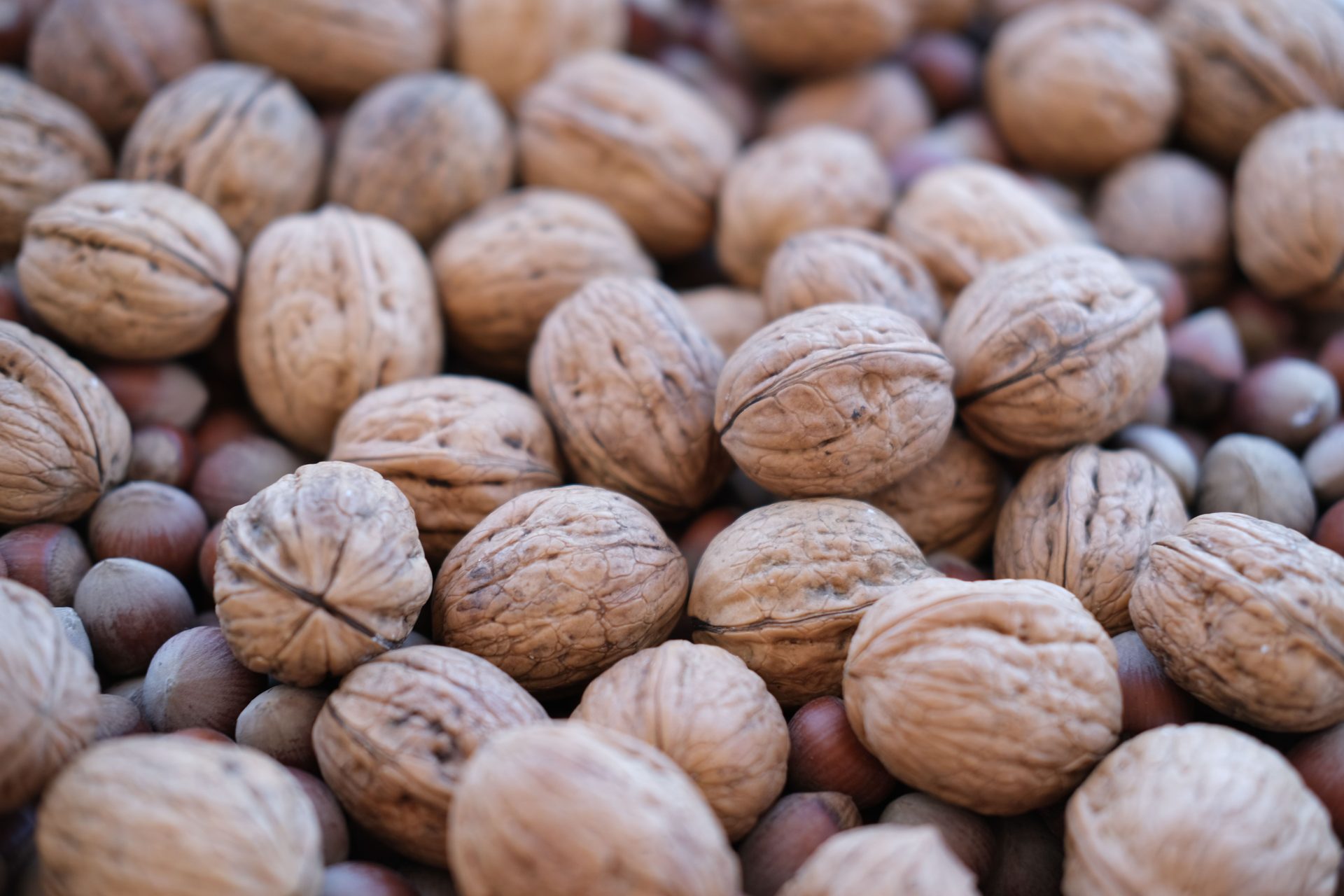
Walnuts are one of those pantry staples you buy in bulk — especially around the holidays or when you spot a good deal at Costco or your local grocery store. The problem is that walnuts don’t last long at room temperature , and a bag left on the counter can turn rancid before you get through half of it. So what’s the smartest move?
Freezing. Freezing allows you to preserve the freshness, texture, and taste of walnuts for far longer than any other storage method. Whether you bought a big bag from the store, harvested them from a backyard tree, or just want to stop throwing money away on spoiled nuts, the freezer is your best tool.
This guide walks you through exactly how to freeze walnuts, how long they last, how to thaw them, and what to do with them once they come out of the freezer. Walnuts are also worth keeping on hand for their nutritional value — they’re a well-known heart-healthy food and a great addition to a balanced diet.
Can You Freeze Walnuts?
Yes, you can freeze walnuts. To keep them fresh for up to a year, simply store them in an airtight container or a plastic freezer bag. This applies to both shelled and unshelled walnuts — the process is essentially the same either way.
Walnuts go rancid easily when exposed to warm temperatures, due to their high oil content, which allows them to spoil quickly if left at room temperature for a period of time. Keeping them chilled in the fridge or freezer extends their shelf life dramatically.
With a high oil content of 18 grams per ounce, Michigan State University Extension encourages proper storage and temperature control to maintain freshness and keep this tree nut from turning rancid. Freezing is the most reliable long-term solution, especially if you’re not going to use your walnuts within the next few weeks.
Pro Tip: According to the California Walnut Board , if you plan to store walnuts for a month or longer, go straight to the freezer rather than the refrigerator.
Does Freezing Change the Texture or Taste of Walnuts?
This is one of the most common concerns, and the good news is that freezing walnuts is very low-risk when done correctly. Freezing walnuts may seem unconventional at first glance, but it is a tried and tested method to preserve their freshness while protecting taste and texture.
The oils in the nuts prevent them from getting rock solid, which means frozen walnuts won’t turn into a brick in your freezer. You can grab a handful straight from the bag without much effort. There’s no need to thaw prior to using. If eating as a topping or a snack, be careful as they may have more of a crunch.
The one caveat is time. Freezing interrupts the spoiling process and keeps the nuts fresh for longer; however, over time the intensity of their flavor diminishes. For the best eating experience, aim to use your frozen walnuts within 12 months.
Freezing walnuts slows down the degradation of fatty acids, ensuring a fresh taste and optimal flavor whenever you want a healthy snack or want to add them to your favorite savory dishes. Walnuts are also rich in powerful nutrients that are worth preserving through proper storage.
How to Freeze Walnuts the Right Way
Getting the process right makes a real difference in quality. Here’s a step-by-step approach that works for both shelled and unshelled walnuts.
- Start fresh. Freeze walnuts as fresh as possible or right after purchase. The fresher they go in, the better they’ll come out.
- Inspect and sort. Remove any defective walnuts before freezing. Discard any that look shriveled, discolored, or smell off.
- Flash freeze for easy portioning. Lay your walnuts in a single layer on a baking sheet, ensuring they aren’t clumped together — this technique is commonly referred to as flash freezing. Once they’re frozen, transfer them to your chosen airtight container or freezer-safe bag.
- Seal out air. Remove as much air as possible from the container or bag before sealing to prevent the formation of ice crystals. A vacuum sealer works great here, but pressing the air out of a zip-top freezer bag works well too.
- Label and date. Mark the freezing date clearly on the container to help you keep track of your supplies.
- Store away from the door. Avoid placing your airtight container or freezer bag near the freezer door, as this area experiences the most temperature fluctuations.
Pro Tip: Store frozen walnuts in an airtight container or zip-top bag not only to prevent air and moisture from reaching them, but to keep them away from smells. Walnuts are prone to absorbing odors from other foods such as onions and fish, which can make them smell or even taste unpleasant.
If you’re buying walnuts in bulk — a common practice for American home bakers — for any walnuts that are leftover from an opened pack, it’s best to place them into a freezable container. You can either use a plastic freezer container that seals airtight or a sealable freezer bag.
Also, regardless of whether you have shelled or in-shell walnuts, wait to chop or shell them until you’re ready to use them. The same applies for ground walnut meal — don’t grind walnuts until you’re ready to add the walnut meal to your recipe. This will help maintain great flavor.
How Long Can You Freeze Walnuts?
Storage times vary slightly depending on the source, but the consensus is clear: the freezer dramatically extends walnut shelf life compared to the pantry or refrigerator.
| Storage Method | Estimated Shelf Life | Notes |
|---|---|---|
| Room temperature (pantry) | 2–4 weeks (shelled) | Keep in cool, dry, dark place |
| Refrigerator | Up to 6–12 months | Use airtight container; keep away from strong odors |
| Freezer (best quality) | 12–24 months | Airtight packaging; maintain 0°F or below |
| Freezer (safe to eat) | Indefinitely if kept frozen | Quality declines after 2 years |
Properly stored, shelled walnuts will maintain best quality for about 18 to 24 months in the freezer, but will remain safe to consume after that time if they have been continuously frozen. The freezer time shown is for best quality only — shelled walnuts kept constantly frozen at 0°F will keep safe indefinitely.
Walnuts can be stable for as long as two years in the freezer if they remain constantly frozen, but the longer they stay in there, the greater the risk of the flavor and quality declining. For practical purposes, plan to use your frozen walnuts within 12 months for the best flavor. Walnuts are a valuable healing food — keeping them fresh preserves their nutritional benefits too.
How to Thaw Frozen Walnuts
Thawing walnuts is simple, and in many cases you don’t even need to bother. They don’t need to be thawed before use and can be used straight from the freezer in most recipes.
When you do want to thaw them — for snacking or certain recipes — the process is quick. Walnuts thaw at room temperature within 15 minutes and can then be eaten or cooked with straight away.
A few additional thawing tips worth keeping in mind:
- For cooking and baking: If you will be cooking with the walnuts, or toasting them, you will not need to defrost them — they can be used straight from the freezer.
- For snacking: Let them sit at room temperature for 10–15 minutes. Bringing walnuts back to room temperature before eating can help them taste nuttier.
- For blending or grinding: You can chop frozen nuts in a blender or add already crushed walnuts to a dough without thawing first.
Key Insight: According to Diamond Nuts , frozen walnuts should be tempered by gradually raising the temperature in a humidity and temperature-controlled environment in order to minimize condensation and the resulting risk of mold. For home use, simply moving them from the freezer to the counter or fridge accomplishes this.
Can You Refreeze Walnuts After Thawing?
Technically you can, but it’s not recommended. Refreezing walnuts is not the best idea. Once you’ve decided to thaw your walnuts, aim to use the entire batch or portion you’ve taken out. Refreezing can impact the texture and sometimes even the taste.
Once walnuts have been defrosted, they are best stored in the refrigerator and eaten as soon after defrosting as possible. The simplest way to avoid this issue entirely is to freeze walnuts in small, portion-sized bags from the start. This way, the walnuts will not be frozen together, and it will be easy to grab a handful from the packaging rather than defrosting the whole batch.
Think about how you typically use walnuts — for baking, you might portion out half-cup amounts; for snacking, a small handful per bag works well. A little planning at the front end saves a lot of waste later.
How to Use Frozen Walnuts (Best Uses After Freezing)
Frozen walnuts are just as versatile as fresh ones. Because nuts contain oil, they don’t get rock solid in the freezer, which means they’re ready to go in almost any application. Here are the best ways to put them to work:
- Baking: Frozen walnuts work perfectly in banana bread, brownies, muffins, and cookies. Add them directly to the batter without thawing — they’ll warm up during baking.
- Salads and grain bowls: Toss a handful straight from the freezer onto a warm grain bowl and they’ll thaw in seconds from the heat of the dish.
- Oatmeal and yogurt: Sprinkle over hot oatmeal or overnight oats. They add crunch and healthy fats to your morning routine.
- Pesto and sauces: Frozen walnuts blend just as smoothly as fresh ones. Walnut pesto is a great alternative to pine nut versions.
- Toasting: If you will be toasting walnuts, you do not need to defrost them — they can be used straight from the freezer. Spread on a baking sheet and toast at 350°F for 8–10 minutes.
- Trail mix and snacking: Use them for snacking, as a topping for ice cream, or in parfaits. If you don’t like cold nuts, just bring them to room temperature.
Walnuts pair especially well with foods that support overall wellness. They’re a great addition to skin-healthy eating plans and liver-supporting diets, making them worth keeping stocked in your freezer year-round.
Signs That Frozen Walnuts Have Gone Bad
Even in the freezer, walnuts can eventually go bad — especially if they weren’t stored properly or have been in there for several years. Here’s what to look for before you eat them:
- Rancid smell: Rancid walnuts often emit strong odors. If your walnuts smell like paint thinner or rancid oil, it’s a clear sign that they’ve turned. A fresh walnut should have a slightly nutty aroma, but any strong or chemical-like smell is a red flag.
- Off taste: Fresh walnuts have a mild, sweet flavor. When walnuts go rancid, they develop an unpleasant taste, often compared to the flavor of cooking oil past its prime.
- Shriveled or dry appearance: The nuts will either have an off smell, a dry, shriveled appearance, or have a poor taste.
- Mold: If frozen walnuts develop slime or mold, they should be discarded immediately.
- Freezer burn: Look for white, dry patches on the surface of the walnut meat. Heavily freezer-burned walnuts are still safe to eat but will taste noticeably dry and bland.
Important Note: Walnuts can eventually still go rancid despite being frozen due to their high oil content, but this process is significantly slowed down in the freezer. Freezing extends the shelf life of walnuts but does not indefinitely preserve them. When in doubt, do a quick smell test before using.
For unshelled walnuts, you can look for signs that the shell has shrunk and dried out and just has an unhealthy look. If this happens, you should throw the walnut away. When you’re unsure about shelled walnuts, a quick taste of a single nut is the most reliable test.
Frequently Asked Questions
Can you freeze walnuts in their shells?
Yes, you can absolutely freeze unshelled walnuts. Freezing them in their shells can offer an excellent protective barrier against freezer burn and the infiltration of strong odors from other items in your freezer. That said, both shelled and unshelled walnuts work fine, but for the best results and convenience, freezing shelled walnuts is the way to go.
Should you freeze walnuts before using them?
If you’re going to use the walnuts right away, place them in your refrigerator. If you’ll be storing them for a month or longer, store them in your freezer. There’s no need to freeze walnuts if you’ll use them within a few weeks.
Can you freeze chopped or ground walnuts?
It is best not to freeze ground walnuts. If you are planning to use ground walnuts, freeze them whole and then grind them once they have been taken out of the freezer. You should avoid processing the nuts — chopping or grinding them — until you are ready to add them to your meal. This helps ensure the nuts have optimal flavor once thawed.
Do frozen walnuts need to be thawed before baking?
No. There’s no need to thaw nuts before using them in baked goods. Add them directly to your batter or dough from frozen — they’ll be perfectly fine once the item is baked.
How do you know if walnuts are still good after freezing?
Give them a quick smell test. Fresh walnuts smell mildly nutty. Walnuts that have gone bad may have an off smell, slimy texture, or visible mold. If you’re unsure, taste one — a rancid walnut has a noticeably bitter, chemical-like flavor that’s hard to miss.
Are frozen walnuts as nutritious as fresh ones?
By storing walnuts in the freezer, you can help preserve their nutritional value and enjoy their health benefits for a longer period. A one-ounce serving of walnuts provides important omega-3 fatty acids, two grams of fiber, and four grams of protein — and those benefits hold up well in the freezer. Walnuts are also among the best whole plant-based foods you can keep in rotation.