Can You Freeze Chicken Enchiladas? Everything You Need to Know

November 2, 2026
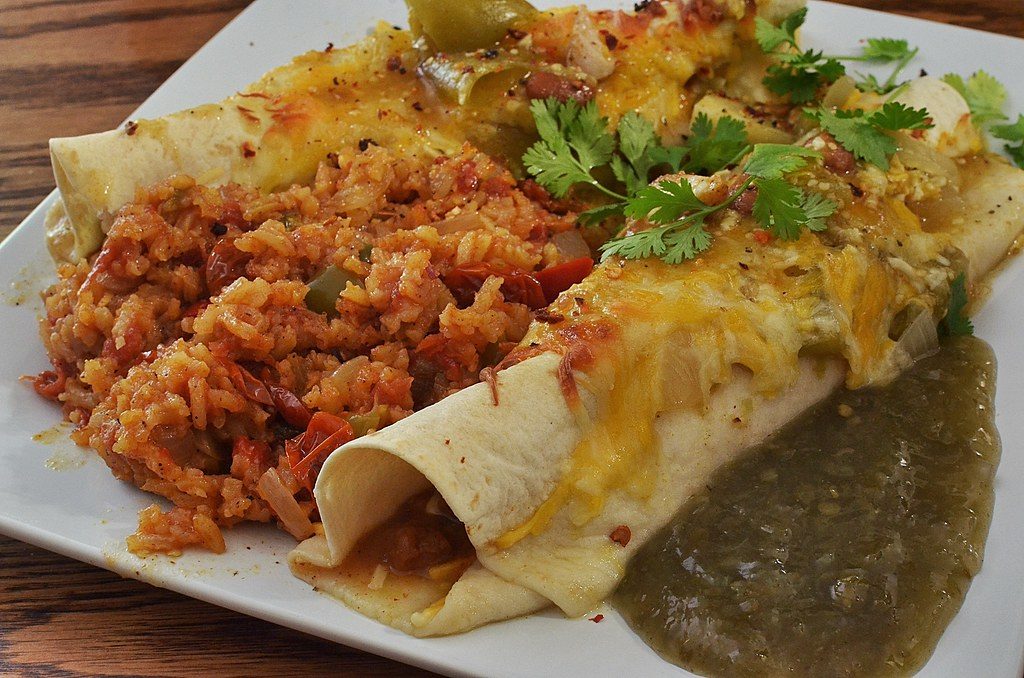
Chicken enchiladas are one of those dishes that practically beg to be made in large batches. They take real effort to assemble, so when you’re already rolling tortillas and simmering sauce, making twice as many just makes sense.
The good news: it doesn’t matter whether you’re making cheese, beef, veggie, or chicken enchiladas — any kind can be frozen. Chicken enchiladas hold up especially well in the freezer, making them one of the best candidates for weeknight meal prep. This guide walks you through everything — from the best freezing method to how to spot spoilage before it reaches your plate.
Can You Freeze Chicken Enchiladas?
Yes, you can absolutely freeze chicken enchiladas, and they’re one of the more freezer-friendly casserole-style dishes you can make. Chicken enchiladas freeze beautifully, keeping their flavor and texture even after reheating. You can freeze them in large glass containers to bake in the oven for a full meal, or in smaller sizes for an easy individual lunch.
When freezing chicken enchiladas, two main methods exist: freezing before baking (unbaked) and freezing after full baking. Each has distinct outcomes in texture, shelf life, and reheating needs. Most home cooks who do this regularly will tell you that unbaked is the way to go — and the reasons why are covered in the next section.
Having freezer enchiladas prepped and ready to bake is a huge time saver on busy weeknights. Whether you’re cooking for a family, batch-prepping lunches, or stocking your freezer before a busy stretch at work, chicken enchiladas are worth the extra effort upfront.
Does Freezing Change the Texture or Taste of Chicken Enchiladas?
Freezing does affect texture to some degree — but how much depends entirely on how you freeze them. Freezing uncooked enchiladas is preferable because the tortillas don’t become soggy after the enchiladas are baked, and the textures of the dish generally hold up better.
The biggest texture concern with frozen enchiladas is sogginess, which usually comes from excess moisture in the sauce soaking into the tortillas during freezing. Excess liquid causes sogginess, and thicker sauces reduce this risk. If you’re using a thin red enchilada sauce, consider thickening it slightly before assembling your batch.
There’s also a lesser-known issue with aluminum foil. There can be a faint metallic taste to sauce that has been frozen in contact with aluminum foil, which likely has to do with the interaction between the foil and acidic enchilada sauce. Freezing enchiladas without sauce and adding it right before baking avoids this problem.
Pro Tip: If you plan to freeze your enchiladas for longer than a few weeks, hold off on adding the sauce and cheese until baking day. This keeps the tortillas firm and prevents any off-flavors from developing.
As for taste, the chicken filling, spices, and cheese all hold up well. Spices and seasonings should remain vibrant, not muted or off-tasting, when properly stored. The main difference you may notice after freezing is a slightly softer tortilla — not a dealbreaker, but something to plan for.
How to Freeze Chicken Enchiladas the Right Way
The method you choose matters more than most people realize. Here are both approaches — unbaked and baked — along with a flash-freeze technique that saves your baking pans.
Method 1: Freeze Unbaked (Recommended)
The best way to freeze chicken enchiladas for meal prep is to assemble them unbaked and freeze before cooking. This method preserves texture, prevents sogginess, and allows direct baking from frozen — ideal for busy schedules.
- Assemble your enchiladas as usual — fill, roll, and place them seam-side down in your baking dish.
- Add sauce on top (or hold the sauce until baking day for the crispest results).
- Cover the pan with foil, then freeze until completely firm — this could take up to 3 hours. This is called flash freezing.
- Once firm, lift the enchiladas out of the pan using the parchment paper. If using vacuum seal bags, transfer the frozen enchiladas to a vacuum seal bag, label, and freeze. If using a disposable foil pan, wrap the pan in two layers of plastic wrap and a layer of aluminum foil to prevent freezer burn.
- Label with the date and contents before returning to the freezer.
Method 2: Freeze Already-Baked Enchiladas
If you have leftover baked enchiladas you want to save, freezing them after cooking is a solid option. Allow the enchiladas to cool, then cover each container with a layer of plastic wrap (this will help with freezer burn), followed by a layer of foil.
Keep in mind that unbaked enchiladas last up to 3 months in the freezer; baked ones peak at 1 to 2 months. Baked enchiladas also tend to have slightly softer tortillas after reheating, since the tortillas were already cooked once before freezing.
Disposable Pan Trick
Freezing a whole pan of uncooked enchiladas in vacuum bags rather than baking pans is worth considering, since baking pans take up a lot of space in the freezer and can’t be used when they’re holding frozen enchiladas. Disposable aluminum foil pans from the dollar store are a popular solution — use them for freezing, and your regular bakeware stays free.
Pro Tip: Freezing the rolled enchiladas and sauce separately prevents them from turning into a mushy mess. Store the sauce in a labeled freezer-safe container and add it on baking day.
How Long Can You Freeze Chicken Enchiladas?
Enchiladas may be frozen for up to 3 months if properly stored. After that point, they remain safe to eat but quality begins to decline. Frozen enchiladas will last up to 3 months if stored correctly. After that point, they’ll still be safe to eat, but they may develop freezer burn, which could cause textural changes.
| Freezing Method | Recommended Freezer Life | Notes |
|---|---|---|
| Unbaked (assembled, not cooked) | Up to 3 months | Best texture after baking; bake directly from frozen |
| Baked (fully cooked, then frozen) | 1 to 2 months | Tortillas soften slightly; thaw or reheat from frozen |
| Refrigerator (not frozen) | Up to 4 days | Cover tightly; reheat at 350°F until hot |
Freshness and quality at the time of freezing affect the condition of frozen foods. If frozen at peak quality, thawed foods emerge tasting better than foods frozen near the end of their useful life. So freeze items you won’t use quickly sooner rather than later.
How to Thaw Frozen Chicken Enchiladas
How you thaw your enchiladas affects both food safety and final texture. The good news is that for unbaked enchiladas, you don’t even need to thaw them first.
You don’t actually need to thaw frozen enchiladas prior to baking them. In fact, frozen uncooked enchiladas should be baked from frozen. This helps preserve the texture of the tortillas and prevents them from becoming soggy.
If you do want to thaw them first, the refrigerator is the only safe method. Perishable foods should never be thawed on the counter or in hot water, and must not be left at room temperature for more than two hours. Move the dish from the freezer to the fridge the night before, and if you opt to thaw the enchiladas before baking them, you’ll need to cook them within 24 hours.
Here’s how baking times change depending on whether your enchiladas are frozen or thawed:
- From frozen (unbaked): Bake at 350°F covered with foil for 30 minutes, then uncover and bake another 20 minutes or until the cheese is golden and bubbling.
- From thawed (unbaked): Bake at 350°F for 20 minutes, then uncover and bake another 5 to 10 minutes.
- From frozen (baked): Assemble in a freezer-safe dish, cover tightly, and bake at 350°F for 45 to 50 minutes covered with foil, then uncover and bake for another 10 minutes.
Pro Tip: If your sauce looks thick after thawing, add a small splash of broth to loosen it before baking. This keeps the filling moist and prevents the edges from drying out.
Can You Refreeze Chicken Enchiladas After Thawing?
Technically, yes — but with conditions. According to the USDA Food Safety and Inspection Service , once food is thawed in the refrigerator, it is safe to refreeze it without cooking, although there may be a loss of quality due to the moisture lost through thawing.
The key rule: thawing method determines whether refreezing is safe. Foods thawed by the cold water method should be cooked before refreezing. And do not refreeze any foods left outside the refrigerator longer than 2 hours — or 1 hour in temperatures above 90°F.
From a quality standpoint, refreezing is worth avoiding when possible. “Refreezing the food might result in undesirable changes in texture and some loss of flavor, but it will be safe to eat,” according to a registered dietitian at the Culinary Institute of America, as reported by Today. The tortillas in particular tend to get noticeably softer with each freeze-thaw cycle.
A smarter approach: portion your enchiladas into individual servings or small batches before freezing. That way, you only thaw what you need and avoid the refreezing question entirely.
How to Use Frozen Chicken Enchiladas (Best Uses After Freezing)
Frozen chicken enchiladas are more versatile than you might think. The most obvious use is baking them straight from the freezer as a weeknight dinner, but there are other ways to put them to work.
Straight-to-Oven Weeknight Dinner
Frozen enchiladas go straight from freezer to oven at 375°F for 25 to 30 minutes. If baking from fully frozen in a covered dish, add extra time and check that the center is heated through before serving. Pair with rice, beans, or a simple green salad for a complete meal.
Individual Portions for Lunch
If you flash-froze your enchiladas individually before storing them in bags, you can pull out just one or two at a time. Freezing enchiladas individually allows you to prepare them according to the number of servings you need. For example, if you have a potluck event coming up, remove a few units from your freezer bag and heat them in the oven or microwave.
Microwave Reheating for Single Servings
Warm individual portions in the microwave, loosely covered, until heated through. For larger portions, cover with foil and reheat in a 350°F oven until hot. To prevent rubbery tortillas in the microwave, reheat in 90-second intervals and check between rounds rather than blasting them all at once.
Topping Ideas to Freshen Things Up
Frozen and reheated enchiladas can taste just as good as fresh ones with the right toppings. Serve with your favorite enchilada toppings: avocado, sour cream, salsa, cilantro, guacamole, olives, and more. Fresh toppings added after reheating make a big difference in overall texture and brightness.
Chicken enchiladas pair well with a variety of whole plant-based foods on the side — black beans, roasted corn, or a simple avocado salad all complement the rich, savory filling without competing with it.
Signs That Frozen Chicken Enchiladas Have Gone Bad
Even in the freezer, food doesn’t last forever. Here’s how to tell whether your frozen chicken enchiladas are still good before you commit to reheating them.
- Freezer burn patches: Freezer burn shows up as dry, discolored patches caused by moisture loss due to air exposure. Small spots can be cut away, but heavy freezer burn throughout the dish affects flavor and texture significantly.
- Off odor after thawing: Even frozen chicken that has expired will begin to have an unpleasant odor. Unwrap your frozen chicken and give it a good sniff — any hint of foul or unpleasant odors is an indication that the chicken has spoiled.
- Slimy or sticky texture: If after thawing you touch the chicken and it feels sticky or tacky, run it under cool water. If the stickiness remains or it still feels slimy, the chicken has gone bad. Do not cook with it — throw it away.
- Color changes: The dulling of color in frozen vegetables and cooked foods is usually the result of excessive drying due to improper packaging or over-lengthy storage. Significant discoloration beyond normal fading is a sign to discard.
- Exceeded storage time: If your enchiladas have been in the freezer longer than 3 months, they may still be technically safe, but quality will have declined enough that they’re not worth eating.
Important Note: When thawing leftovers in a microwave, continue to heat until the food reaches 165°F as measured with a food thermometer — this is the USDA’s recommended safe internal temperature for reheated poultry dishes.
If you’re ever in doubt, the rule is simple: when in doubt, throw it out. No meal is worth a foodborne illness. For more on food safety and storage basics, it’s always a good idea to stay informed on best practices.
Frequently Asked Questions
Can You Freeze Chicken Enchiladas With Sour Cream Sauce?
Sour cream-based sauces can separate slightly after freezing and thawing, which affects the texture. To minimize this, use a thicker sauce and avoid over-freezing. Many cooks prefer to add a fresh dollop of sour cream on top after reheating rather than baking it into the sauce before freezing.
Can You Freeze Chicken Enchiladas With Corn Tortillas?
Yes. Corn tortillas generally perform better than flour tortillas in terms of holding their shape after thawing and reheating. If you’re planning to freeze a large batch, corn tortillas are a reliable choice for structural integrity.
Do You Need to Thaw Frozen Chicken Enchiladas Before Baking?
No — and for unbaked enchiladas, it’s actually better not to. Baking the enchiladas while they are still frozen prevents the dried-out texture that can result from defrosting them first. Just add extra baking time and keep them covered with foil for the first portion of cooking.
How Long Do Chicken Enchiladas Last in the Refrigerator?
Leftover enchiladas can be stored in an airtight container in the refrigerator for up to 3 days. Some sources say up to 4 days is safe, but for the best flavor and texture, aim to eat refrigerated enchiladas within 3 days of cooking.
Can You Freeze Store-Bought Rotisserie Chicken Enchiladas?
Yes. Leftover cooked chicken or a store-bought rotisserie chicken works well in freezer enchilada recipes. Rotisserie chicken is especially convenient because it’s already cooked and seasoned — just shred it, mix with your filling ingredients, and assemble as usual before freezing.
What’s the Best Way to Prevent Soggy Enchiladas After Freezing?
To maintain the best texture, ensure the enchiladas are tightly wrapped during freezing to prevent ice crystals. When reheating, keep them covered initially to retain moisture, then uncover them later so any excess moisture can evaporate, preventing sogginess. Holding the sauce until baking day is the single most effective step you can take.
Chicken enchiladas are one of the most practical dishes you can keep stocked in your freezer. With the right method, they come out of the oven tasting close to freshly made — and the time you save on a busy Tuesday night makes every bit of that upfront prep worth it. For more food ideas and inspiration, check out food festivals in Texas or explore traditional Greek foods for more global meal prep inspiration.