Can You Freeze Cheese Sauce? (Yes — Here’s How to Do It Right)

November 1, 2026
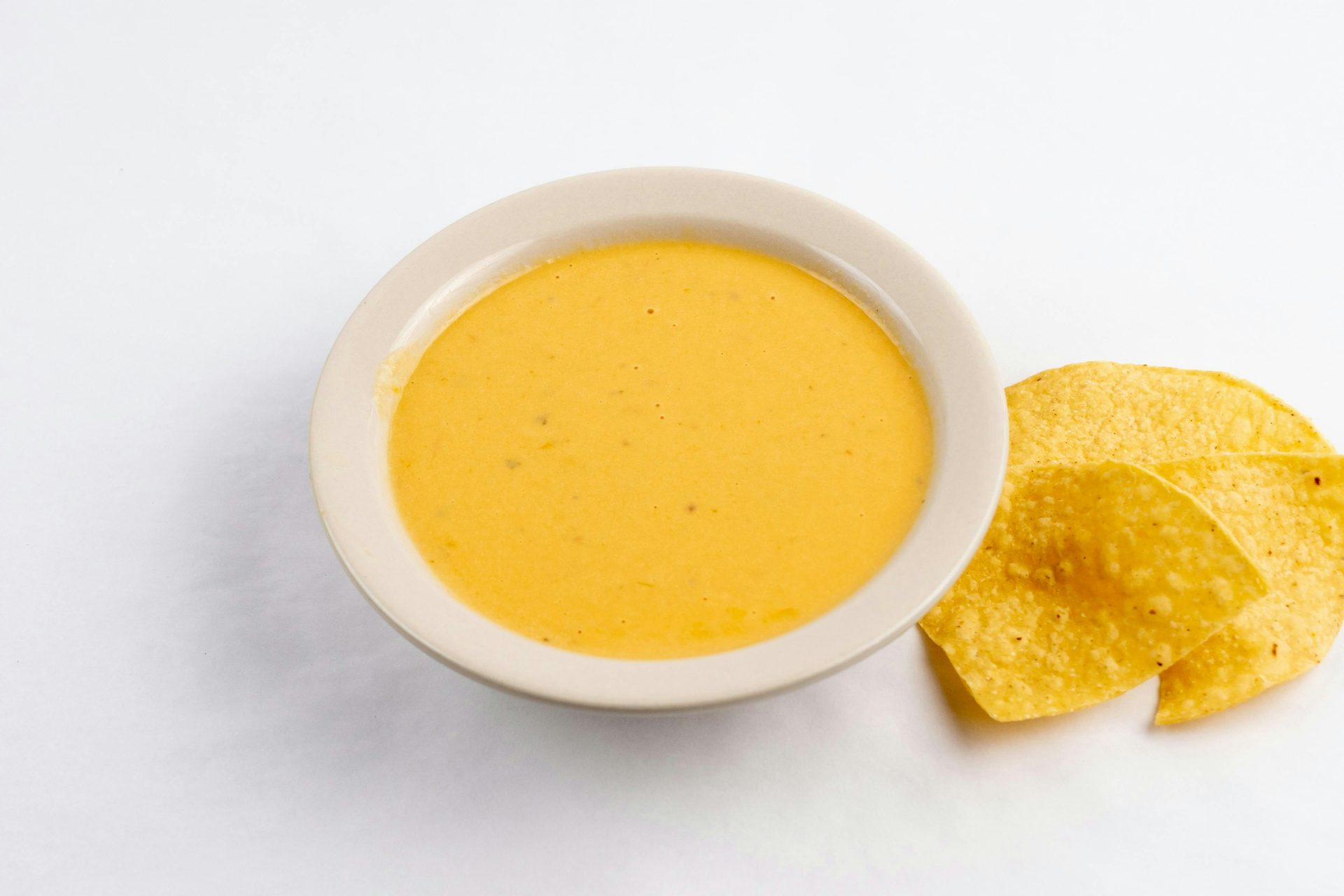
Cheese sauce is one of those kitchen staples that always seems to get made in bulk — whether you’re whipping up a big pot of mac and cheese, loading nachos for a game-day crowd, or drizzling it over steamed broccoli on a weeknight. The problem? You rarely need all of it at once.
The good news is that you can freeze cheese sauce. The less exciting news is that dairy-based sauces don’t come out of the freezer in perfect shape without a little know-how. The texture and flavor may change depending on the ingredients and freezing methods used. But with the right approach, frozen cheese sauce can absolutely save you time, reduce food waste, and deliver a satisfying result on a busy weeknight.
This guide walks you through everything — from how freezing affects your sauce to the best ways to store, thaw, reheat, and use it once it comes out of the freezer.
Can You Freeze Cheese Sauce?
Yes, you can freeze cheese sauce — but there’s a catch. When freezing cheese sauce, you’ll need to keep a few things in mind to ensure the taste and texture of the sauce isn’t completely ruined. The outcome depends heavily on the type of cheese you used and how carefully you freeze and thaw it.
Homemade cheese sauce tends to freeze better than store-bought varieties, because it doesn’t contain as many additives, which can diminish the quality of the texture and taste during the freezing process. That said, even jarred or canned cheese sauce can be frozen with acceptable results if you transfer it out of its original container first.
One important rule: never freeze cheese sauce in a can. According to the USDA, freezing cans can cause health problems. Always transfer leftover canned sauce to a freezer-safe container before storing it in the freezer.
Pro Tip: Sauces made with hard cheeses like cheddar, Parmesan, or Swiss freeze significantly better than those made with soft cheeses like cream cheese, brie, or ricotta. If you’re planning to freeze a batch, build your recipe around a hard cheese from the start.
Some of the most freezer-friendly cheese sauce varieties include classic cheddar, nacho cheese, mornay, and béchamel-based sauces. Blue cheese sauce, on the other hand, is not the best candidate — it will lose its creamy texture and the flavor will degrade rapidly. A better option is to freeze a plain white sauce and stir the blue cheese in after you defrost and reheat it.
Does Freezing Change the Texture or Taste of Cheese Sauce?
Freezing does change cheese sauce, and it helps to understand why. When you freeze cheese sauce, the delicate emulsion of fat, water, and proteins starts to break down. The water content forms ice crystals that push apart the fat molecules, while the proteins begin to clump together. This is why thawed cheese sauce often appears grainy or separated — the once-smooth emulsion has been physically disrupted at a microscopic level.
Hard cheeses like cheddar or Swiss contain about 30–35% fat and hold up better because their protein structure is more stable. Soft cheeses like brie or cream cheese (with 50–60% fat) become greasy when frozen because their high fat content separates more dramatically.
The flavor itself typically holds up well. Although the sauce may split in the thawing process, the taste does not change at all. What you’re mostly managing is texture — and that’s very fixable with the right reheating technique.
Sauces made with processed cheese, like American cheese, actually freeze best — they contain emulsifiers that help maintain texture. If you’re making a queso dip or nacho sauce and want the smoothest result after freezing, American cheese or a processed cheese blend is your best bet.
Pro Tip: Add 1/2 teaspoon of cornstarch per cup of sauce before freezing. This helps bind the water molecules and mimics the stabilizers found in commercial frozen cheese sauces.
How to Freeze Cheese Sauce the Right Way
Proper technique makes all the difference. Follow these steps to give your cheese sauce the best possible chance of coming out of the freezer in good shape.
- Cool it completely first. Make sure your cheese sauce has cooled to room temperature before transferring it to freezer-safe containers or bags. This prevents condensation and ice crystals from forming as the sauce freezes. Don’t leave it out for more than two hours, though — that’s the food safety window for perishable dairy.
- Portion it out. Divide your sauce into individual portions or larger batches depending on your needs. Smaller portions are convenient for quick meals. Think about how you’ll use it — a single serving for pasta versus a family-sized portion for nachos are very different amounts.
- Use the ice cube tray method for small portions. You can freeze the sauce in ice cube trays to get easy-to-use small portions, and once frozen solid, pop the cheese “cubes” into a zip-top freezer bag for long-term storage.
- Choose the right container. Glass or rigid plastic containers prevent oxygen exposure better than bags, which can lead to off-flavors. Leave 1/2-inch headspace to account for expansion — cheese sauces can expand by up to 10% when frozen.
- Seal tightly and label. Clearly label the freezer-safe container and note the date on which it was prepared — it’s much easier to do this before adding the cheese sauce. Include the type of cheese sauce so you know exactly what you’re working with later.
- Transfer quickly after portioning. Do not leave portions in the tray for longer than 1 hour or you run the risk that your sauce will suffer from freezer burn.
If you want to improve your sauce’s freeze-thaw stability before it even goes into the freezer, incorporate thickening agents such as a roux (butter and flour) or cornstarch during preparation. This gives the sauce more structure to hold together through the freezing process.
How Long Can You Freeze Cheese Sauce?
Storage time recommendations vary slightly by source, but the general consensus points to a window of one to six months — with quality declining the longer the sauce sits.
| Storage Condition | Recommended Timeframe | Quality Notes |
|---|---|---|
| Freezer (best quality) | 1–3 months | Optimal flavor and texture |
| Freezer (still safe) | Up to 6 months | Flavor and texture may degrade |
| Refrigerator (after thawing) | Use within 3–4 days | Reheat gently before serving |
For best results, use the cheese sauce within 3–4 months of freezing. While it is still safe to consume beyond that timeframe, the quality and taste may start to deteriorate. Some sources allow up to six months for homemade sauces made with hard cheeses, but the sooner you use it, the better it will taste.
Cheese sauce will keep for around 3 months in the freezer providing it is stored in airtight containers. Because it’s dairy-based, you shouldn’t keep it in the freezer for much longer than 3 months. Think of three months as your practical target and six months as the absolute outer limit.
How to Thaw Frozen Cheese Sauce
How you thaw cheese sauce matters just as much as how you freeze it. Rushing the process is one of the most common reasons people end up with a grainy, separated mess.
The best way to thaw frozen cheese sauce is in the refrigerator overnight. A gradual thawing process helps to maintain the texture and flavor of the sauce. Once thawed, give the cheese sauce a good stir to ensure it is well-combined.
If you place dairy out on the countertop, you run the risk of it going bad if your room is too warm. Stick with the fridge method whenever possible — it’s the safest and produces the smoothest result.
If you’re short on time, the microwave works as a backup option. You can defrost your cheese sauce in the microwave, but make sure it is on the lowest setting and thaw in short bursts of just 10 to 20 seconds, stirring between each burst to ensure it defrosts evenly.
Pro Tip: If your thawed sauce looks separated or grainy, don’t panic — that’s completely normal. For an even smoother result, use a little indirect heating: fill a medium-sized saucepan with water and bring it to a simmer on the stove. Place a glass bowl on top of the pan, making sure the bottom of the bowl isn’t touching the water. Add the thawed cheese sauce to the bowl and, as the indirect heat slowly warms it, whisk continuously until it starts to become smoother.
Can You Refreeze Cheese Sauce After Thawing?
It is strongly recommended that you do not refreeze cheese sauces. There is an increased risk of foodborne pathogens if you refreeze cheese sauce. There’s a high risk of bacterial growth if the sauce is left at room temperature for too long during the thawing process.
You can’t refreeze already frozen and thawed cheese sauce — which is exactly why portioning before you freeze is so important. When you freeze in individual servings, you only thaw what you need, and you never have to worry about leftovers that can’t safely go back in the freezer.
This is also why the ice cube tray method is particularly useful for US households where cheese sauce gets used in small amounts — over baked potatoes, mixed into scrambled eggs, or drizzled on a quick plate of nachos. Thaw one or two cubes at a time rather than an entire container.
How to Use Frozen Cheese Sauce (Best Uses After Freezing)
Once your cheese sauce is thawed and reheated, it works beautifully in cooked applications where any slight texture change becomes invisible. Frozen cheese sauce is best suited to cooked applications, such as sauces, gratins, baked dishes, and toppings, rather than for serving fresh.
Here are some of the best ways to use your thawed cheese sauce:
- Mac and cheese: Frozen cheese sauce takes mac and cheese to the next level, making it extra creamy and flavorful. Simply reheat and toss with freshly cooked pasta.
- Nachos: Thawed nacho cheese sauce is a crowd-pleaser. Reheat gently and pour over tortilla chips with your favorite toppings — jalapeños, black beans, and sour cream are classic American additions.
- Vegetables: Pour reheated cheese sauce over steamed broccoli, cauliflower, or roasted potatoes for an easy side dish. Cheese sauce works great over steamed vegetables, roasted potatoes, or sausage sandwiches.
- Baked dishes: Use thawed cheese sauce as a base for casseroles, lasagna, or potato gratin. The baking process further smooths out any texture issues from freezing.
- Soup base: Stir thawed cheese sauce into a pot of broccoli cheddar soup or potato soup to add richness and body without starting from scratch.
- Dipping sauce: Reheat and serve alongside soft pretzels, chicken tenders, or raw veggies for a quick snack or appetizer.
When reheating, always go low and slow. Gently heat the thawed sauce on the stovetop over low heat, stirring frequently to prevent scorching. If the sauce is too thick, add a splash of whole milk and gently heat it to achieve the desired consistency. You can also check out how other sauces behave in the freezer for more context on freezing dairy-adjacent foods.
Signs That Frozen Cheese Sauce Has Gone Bad
Even when stored properly, cheese sauce can go bad in the freezer. Knowing what to look for protects you and your family from eating spoiled food.
| Warning Sign | What It Means | What to Do |
|---|---|---|
| Sour or off smell after thawing | Bacterial growth has occurred | Discard immediately |
| Pink, green, or black discoloration | Mold or spoilage | Discard immediately |
| Severe freezer burn (large icy patches) | Prolonged air exposure | Discard or trim heavily affected areas |
| Grainy or separated texture | Normal freezing effect — not spoilage | Whisk vigorously while reheating |
| Watery or runny after thawing | Fat/water separation — usually fixable | Whisk and reheat gently with added cheese |
It’s worth noting that graininess and separation are not signs of spoilage — they’re normal side effects of freezing a dairy-based emulsion. According to the U.S. Food and Drug Administration, freezer burn does not pose harm to you or your family’s health, but it can compromise the flavor and quality of the cheese sauce.
The real red flags are smell and visible mold. If your thawed cheese sauce smells sour, tangy in an unpleasant way, or has any unusual discoloration beyond a slight yellowing, throw it out. When in doubt, don’t eat it. For more on how food storage and diet connect to overall health, the guides on heart-healthy foods and foods that support liver function offer useful perspective on making smarter choices in the kitchen.
Frequently Asked Questions
Can You Freeze Store-Bought Cheese Sauce?
You can freeze store-bought cheese sauce, although you probably won’t get results as good as with homemade. All those additives can work against the quality of the sauce after it has been frozen, thawed, and reheated. Transfer it from the original jar or can to a freezer-safe container before freezing.
Can You Freeze Nacho Cheese Sauce?
Yes, you can freeze nacho cheese sauce, especially if you follow a recipe that uses high-fat ingredients such as whole milk. You may find it separates a little once thawed, but a vigorous stir over a low heat can fix this pretty quickly.
Can You Freeze Cheddar Cheese Sauce?
Yes, you can freeze cheddar cheese sauce. With cheddar being a hard cheese, it is one of the best cheese sauces to freeze. It will retain a punchy cheesy flavor and the texture is unlikely to split dramatically during the freezing process.
Can You Freeze Cheese Sauce Made with Cream?
It’s not recommended to freeze cheese sauce with cream as an added ingredient. The cream will most likely split the sauce, and you’ll end up without that smooth consistency that makes cheese sauce so appealing. If your recipe calls for cream, consider adding it fresh when you reheat the sauce rather than including it before freezing.
How Do You Fix Grainy Cheese Sauce After Freezing?
Place the defrosted cheese sauce in a mixing bowl and whisk it vigorously until it becomes smoother. This is quick and effective — you should see immediate results. For stubborn separation, warm the sauce gently over low heat while whisking, and add a small splash of milk to help bring the emulsion back together.
Can You Freeze Vegan Cheese Sauce?
Vegan cheese can be a little temperamental when frozen, especially texturally. Although you can freeze vegan cheese sauce, it is likely to split and become quite grainy once it has been thawed. Whisking during reheating is especially important with vegan varieties.
How Long Does Cheese Sauce Last in the Fridge?
Homemade cheese sauce typically lasts 3 to 4 days in the refrigerator when stored in an airtight container. Use airtight containers to prevent exposure to air, which accelerates spoilage, and allow the sauce to reach room temperature before refrigerating to avoid raising the fridge temperature and causing condensation inside the container. If you don’t plan to use it within that window, freeze it instead. You might also find our guide on freezing store-bought sauces helpful for understanding how packaged products behave differently in the freezer.