Can You Freeze Raw Eggs? What You Need to Know Before You Try

November 1, 2026
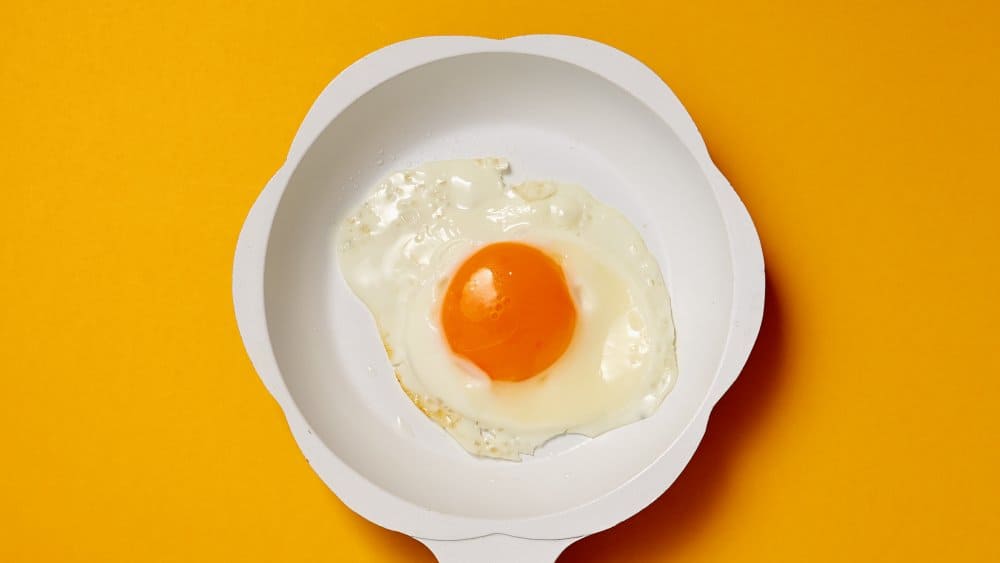
Yes, you can freeze raw eggs — and it’s one of the smartest ways to cut down on food waste in your kitchen. Whether you bought a bulk flat at Costco, you keep backyard chickens, or your carton is getting close to its date, freezing gives you a reliable way to hold onto eggs until you actually need them.
The process is straightforward, but there are a few rules you need to follow to get good results. Skip them, and you’ll end up with a grainy, gelled mess that’s difficult to cook with. Follow them, and your frozen eggs will work just as well as fresh ones in most recipes. Here’s everything you need to know.
Can You Freeze Raw Eggs?
While it’s not recommended to freeze raw eggs in their shells, you can still freeze raw yolks and whites — either separately or mixed. This distinction matters more than most people realize. The shell isn’t just a container — it’s the reason you can’t take the easy route and toss a whole carton in the freezer.
According to both the FDA and the U.S. Department of Health and Human Services, you should never freeze raw eggs in their shells. When raw eggs freeze, the liquid inside expands, which can cause the shells to crack. As a result, the contents can spoil and are at risk of bacterial contamination.
The FDA advises using frozen eggs within one year. Eggs should not be frozen in their shells. To freeze whole eggs, beat yolks and whites together. Egg whites can also be frozen by themselves. Once you crack them out of the shell and handle them properly, freezing is a safe and practical preservation method. You can learn more about the nutritional value you’re preserving in our guide to whole eggs.
Does Freezing Change the Texture or Taste of Raw Eggs?
Taste is mostly unaffected by freezing. The bigger concern is texture — specifically what happens to the yolk. Freezing egg whites does not result in a noticeable change in taste or texture. Contrarily, egg yolks take on a gel-like texture when frozen. To avoid this, egg yolks should be combined with salt, sugar, or egg whites prior to freezing.
The gelation property of egg yolk causes it to thicken or gel when frozen. If you freeze yolks as they are, they will eventually become so gelatinous that they will be almost impossible to use in a recipe. According to Penn State Extension, this results in undesirable appearance and texture, and the egg will also not mix as expected with other ingredients.
The albumen, or egg white, is less affected by freezing — it returns to its normal consistency after thawing and performs well in most cooking and baking applications. The flavor of properly frozen eggs remains close to fresh, so you won’t notice a difference in taste once the eggs are cooked into a dish.
Pro Tip: Add a pinch of salt to eggs you plan to use in savory dishes, or a small amount of sugar for sweet baked goods, before freezing. This one step prevents yolk gelation and keeps your eggs usable after thawing.
How to Freeze Raw Eggs the Right Way
The method you use depends on whether you’re freezing whole eggs, whites only, or yolks only. Each option has slightly different handling requirements, but all of them start with one rule: select fresh eggs and break each one separately into a clean saucer. Examine each for freshness and remove any pieces of shell before mixing with other eggs.
Freezing Whole Eggs
Thoroughly mix yolks and whites together. Do not whip in air. To prevent graininess of the yolks, add 1½ tablespoons sugar, 1½ tablespoons corn syrup, or ½ teaspoon salt per cup of whole eggs, depending on intended use.
Another method for freezing a whole-egg mixture is to use ice trays. Measure 3 tablespoons of egg mixture into each compartment. Freeze until solid, then remove the frozen cubes and package them in moisture-vapor resistant containers. Three tablespoons of the egg mixture — one cube — equals one whole egg. Label each container with the number of eggs and the date.
Freezing Egg Whites
Gently mix whites without whipping. Strain through a sieve. No sugar or salt is needed. Package with ½-inch headspace and seal before freezing. Two tablespoons of the egg-white mixture equal one egg white. For easy portioning, first freeze each white in a standard ice cube tray, then transfer to a freezer container.
Freezing Egg Yolks
Separate the eggs and stir yolks gently. To prevent graininess, add 1½ tablespoons sugar, 1½ tablespoons corn syrup, or ½ teaspoon salt per cup of egg yolks, depending on intended use. Strain through a sieve. Package with ½-inch headspace and seal before freezing. One tablespoon of the yolk mixture equals one egg yolk.
Key Insight: Use salt for eggs headed into savory recipes like omelets, quiches, or casseroles. Use sugar or corn syrup for eggs destined for cakes, custards, or other sweet baked goods. Label your containers accordingly so you don’t mix them up later.
For more ideas on how eggs fit into a broader healthy diet, check out our article on superfoods for a healthy heart.
How Long Can You Freeze Raw Eggs?
According to the USDA Food Safety and Inspection Service, you can freeze eggs for up to one year. That said, quality does decline over time, and some food experts suggest shorter windows for best results.
Frozen eggs last up to a year in the freezer, but raw eggs are best used within four months and cooked eggs within six months, according to Taste of Home. Raw eggs can be frozen for up to 12 months, while cooked egg dishes should be thawed and reheated within 2–3 months.
| Egg Type | Maximum Freezer Time | Best Quality Window |
|---|---|---|
| Whole eggs (beaten) | Up to 12 months | Within 4 months |
| Egg whites only | Up to 12 months | Within 6 months |
| Egg yolks only | Up to 12 months | Within 4 months |
| Cooked egg dishes | 2–3 months | Within 2 months |
Always label your containers with the date and number of eggs so you can track how long they’ve been stored. Keeping your freezer at a consistent 0°F (–18°C) helps maintain quality throughout the storage window.
How to Thaw Frozen Raw Eggs
Thawing correctly is just as important as freezing correctly. Freezing eggs is a practical way to preserve them, but thawing them correctly is crucial to maintain their texture and safety. Improper thawing can lead to a watery, grainy, or unsafe product.
The USDA Food Safety and Inspection Service is clear on this point: frozen egg products can be thawed in the refrigerator and stored for three days after opening. They can also be thawed under cold running water and cooked immediately. Do not thaw on the counter.
Here are your two safe options:
- Refrigerator thaw (best method): Place the frozen eggs in the fridge 8–12 hours before use. Slow thawing preserves texture and prevents bacterial growth.
- Cold water thaw (faster option): Submerge the sealed container in cold water. Change the water every 30 minutes to maintain safe temperatures. This method takes 1–2 hours.
Never use hot water or leave eggs at room temperature, as this increases the risk of bacterial growth. Use egg yolks or whole eggs as soon as they’re thawed. Thawed egg whites will beat to better volume if you allow them to sit at room temperature for about 30 minutes.
Can You Refreeze Raw Eggs After Thawing?
No — and this is a rule you should not bend. Never refreeze thawed eggs. This increases the risk of bacterial overgrowth and degrades quality. Thawed eggs should be used once, immediately.
The USDA FSIS backs this up directly: after thawing, cook and do not refreeze. Each freeze-thaw cycle breaks down the protein structure further, which worsens texture and creates conditions where bacteria can multiply more easily.
The best way to avoid this situation is to freeze eggs in single-serving portions from the start. Freezing them in an ice cube tray — where each cube equals one egg — means you only thaw exactly what you need. This approach eliminates the temptation to refreeze leftovers and keeps your stored eggs in the best possible condition.
Important Note: The USDA confirms that freezing inhibits bacterial growth, though it does not kill bacteria already present. Always start with fresh, clean eggs and handle them with clean hands and utensils throughout the freezing process.
How to Use Frozen Raw Eggs (Best Uses After Freezing)
Frozen and thawed raw eggs work well in most cooked applications. Use thawed frozen eggs only in dishes that are thoroughly cooked. The texture changes that happen during freezing are largely unnoticeable once the egg is incorporated into a recipe and cooked through.
Best uses for frozen whole eggs or yolk-white blends:
- Scrambled eggs and omelets
- Breakfast casseroles and frittatas
- Quiches and egg bakes
- Baked goods like cakes, muffins, and quick breads
- Pancake and waffle batter
- Egg-based sauces like hollandaise (cooked to safe temperature)
Best uses for frozen egg whites:
- Meringues and angel food cake
- Soufflés
- Protein-boosted smoothies (when cooked first)
- Egg white omelets
Previously frozen eggs are not very appetizing when fried or poached, as they’ve already been mixed prior to freezing. If you want to make fried or poached eggs, this is better suited to eggs that have been preserved by other methods. Frozen eggs are best used in baking or cooking rather than for frying, as their texture changes slightly.
Eggs are a powerhouse ingredient in many recipes — if you’re curious about their broader health benefits, our guide to powerful nutrients and foods that fight cancer covers some of the key compounds found in everyday foods like eggs.
For sweet baking applications, remember to use eggs that were frozen with sugar or corn syrup rather than salt. Freezing preserves most essential nutrients in eggs, including high-quality protein, vitamin B12, and choline. Only minor texture and functional changes occur, not significant nutritional losses.
Signs That Frozen Raw Eggs Have Gone Bad
Even properly frozen eggs can go bad, especially if your freezer has had temperature fluctuations or the eggs were past their prime before you froze them. Knowing what to look for protects you from food safety risks.
After thawing, check for these warning signs before you cook with them:
- Off smell: A strong sulfur or rotten smell after thawing indicates spoilage. Do not consume.
- Unusual color: The yolk should remain bright yellow or orange. A grayish or greenish tint may suggest spoilage.
- Strange texture: While texture may be different due to freezing, the egg should not be slimy or overly runny.
- Discoloration in the white: If the egg white isn’t clear or cloudy white, it may be bad, per the USDA. If it has a green or iridescent look, it may have harmful bacteria and may not be safe to eat.
- Signs of freezer burn: Frozen products should show no signs of thawing and refreezing — ice crystals inside the container or a dried-out appearance on the egg surface are signs of quality loss.
If the smell and the appearance both seem off, err on the side of caution and toss the eggs. No recipe is worth a bout of food poisoning. The FDA’s egg safety guidelines recommend cooking eggs until both the yolk and white are firm to reduce the risk of foodborne illness.
Eggs are just one piece of a healthy diet. If you’re thinking about overall nutrition, our articles on fibroid healing foods and foods for healthy skin explore how the right ingredients support your body from the inside out.
Frequently Asked Questions
Can You Freeze Eggs in Their Shells?
No. When raw eggs freeze, the liquid inside expands, which can cause the shells to crack. As a result, the contents can spoil and are at risk of bacterial contamination. Always crack eggs out of the shell before freezing.
Can You Freeze Hard-Boiled Eggs?
It’s best not to freeze hard-boiled whole eggs and hard-boiled whites because they become tough and watery when frozen. You can freeze hard-boiled egg yolks to use later for toppings or garnishes — they hold up reasonably well on their own.
Do Frozen Eggs Lose Nutritional Value?
Freezing preserves most essential nutrients in eggs, including high-quality protein, vitamin B12, and choline. Only minor texture and functional changes occur, not significant nutritional losses. You’re not giving up nutrition by freezing — just accepting a small trade-off in texture for certain cooking methods.
How Do You Measure Frozen Eggs After Thawing?
If you froze eggs using an ice cube tray, the math is simple: three tablespoons of the egg mixture — one cube — equals one whole egg. Two tablespoons of the egg-white mixture equal one egg white. One tablespoon of the yolk mixture equals one egg yolk.
Can You Freeze Store-Bought Liquid Eggs?
Most commercially sold liquid egg products are already pasteurized and can be frozen in their sealed containers before opening. Frozen egg products can be thawed in the refrigerator and stored for three days after opening. Always check the package label for the manufacturer’s specific storage instructions, as some products are not intended for home freezing.
Is It Safe to Freeze Eggs That Are Close to Their Expiration Date?
Yes — as long as the eggs are still fresh when you freeze them. Freeze only clean, fresh eggs. The USDA states eggs may be refrigerated three to five weeks from the day you buy them and bring them home. Their sell-by date will usually expire during that time, but the eggs are still perfectly safe to cook and eat. If the eggs smell fine and pass a visual check, freezing them before they turn is a smart move. For more on egg-forward recipes and food traditions, explore our guide to traditional Greek foods, where eggs feature in many classic dishes.