Can You Freeze Cooked Eggplant? Everything You Need to Know

November 1, 2026
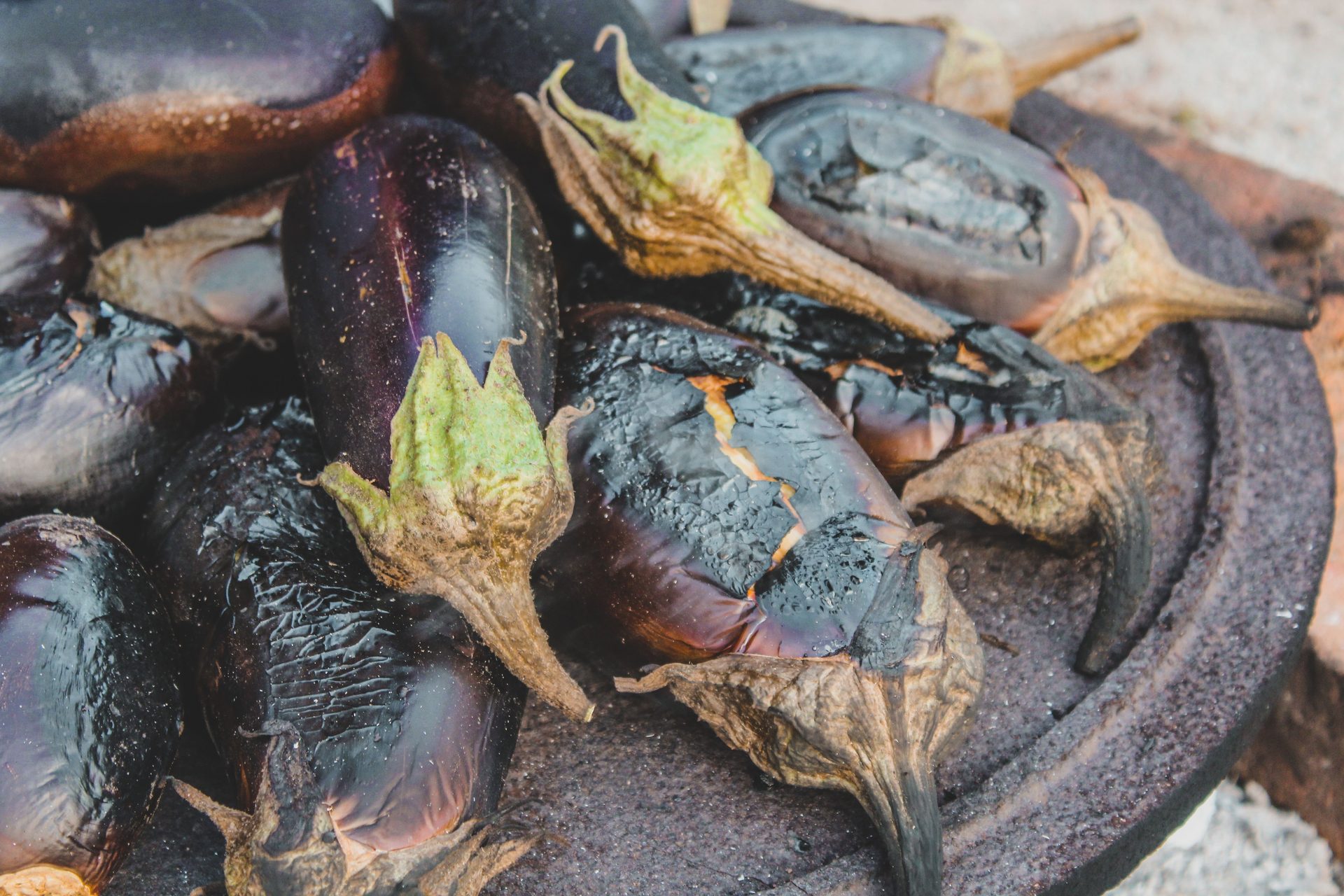
Cooked eggplant is one of those foods that seems like it should be easy to save for later — but if you’ve ever pulled a soggy, gray lump out of the freezer, you know it doesn’t always go as planned. The good news is that freezing cooked eggplant absolutely works, and the results can be surprisingly good when you follow the right steps.
Whether you’ve got leftover roasted eggplant, a batch of eggplant Parmesan, or a summer harvest you want to stretch into fall and winter, this guide walks you through everything: how to freeze it properly, how long it lasts, how to thaw it, and the best ways to put it to use once it comes out of the freezer.
Can You Freeze Cooked Eggplant?
Yes, you can freeze cooked eggplant — and freezing it after cooking is actually the best approach. A quick 10-minute sauté cooks out most of the water in the eggplant so it stands up better to freezing. Roasting works just as well and adds even more depth of flavor before it goes into the freezer.
Because eggplant consists of about 90% water, it does not freeze well in its raw state. Ice crystals form when you freeze raw eggplant, breaking down the cell walls and resulting in a mushy mess once thawed. Cooking first removes much of that moisture, which is the key to getting good results.
As long as you’re willing to take a few careful steps, you can freeze eggplant for use later. The method you choose for freezing depends on how you plan to use your eggplant afterward. Slices, cubes, and purée all freeze well — you just prep them differently.
Pro Tip: Before you cook and freeze, decide how you’ll use the eggplant later. That decision shapes everything — from how you cut it to how you package it.
Does Freezing Change the Texture or Taste of Cooked Eggplant?
Freezing does change cooked eggplant somewhat, and it helps to know what to expect before you pull it out of the freezer. While all eggplants become more watery after freezing, some types hold up better than others. Black (globe) varieties typically freeze better than Chinese and Thai eggplants.
Frozen cooked eggplant can last in the freezer for eight to twelve months, but for the best quality, it’s worth using it within a few months. The longer it’s stored, the more its texture and flavor can degrade. You’ll notice it becomes softer after thawing, which is why it works better in cooked applications than as a standalone side dish.
The flavor, however, holds up quite well. Roasting, baking, or sautéing the eggplant before freezing preserves its fresh taste and flavor while minimizing changes to its texture. Think of thawed cooked eggplant as best suited for dishes where a tender, yielding texture is welcome — soups, stews, sauces, and casseroles.
Eggplant cooked in sauce, like marinara or curry, freezes especially well. The sauce helps maintain the moisture and flavor of the eggplant during freezing and reheating. If you’re planning to freeze a whole dish rather than plain eggplant, that’s often your best bet for texture.
How to Freeze Cooked Eggplant the Right Way
The process depends on what form your cooked eggplant is in. Here are the three most common methods used in American home kitchens:
Method 1: Freezing Cooked Slices or Rounds
If you plan to use eggplant for sandwiches, eggplant Parmesan, or a dish that uses flat pieces, it’s best to freeze in slices. Cut the eggplant into approximately one-inch-thick slices, either lengthwise or crosswise, and bake on a large baking sheet at 350°F for about 15 to 20 minutes, just until tender.
Once cool, place the slices between wax paper to prevent sticking, and store in freezer bags or containers, making sure to prevent freezer burn. You can also flash-freeze the slices on a baking sheet for one to two hours before transferring them to bags — this keeps them from clumping together.
Method 2: Freezing Roasted Cubes
Place cubed eggplant in a 375°F oven for about 45 minutes, adjusting for humidity. Check for doneness and roast until the cubes are brown and the insides are creamy. Allow the eggplant to cool completely.
Spread the cooled cubes on a cookie sheet and place them in the freezer. Once frozen, transfer to freezer storage containers or bags for longer-term storage. The cubes don’t need to be thawed before use in most cases — you can drop them directly into soups or stir-fries, where they’ll thaw quickly and add rich eggplant flavor.
Method 3: Freezing as a Purée
When whole pieces aren’t necessary — such as when you plan to use eggplant for dips, sauces, soups, stews, and spreads — cook it whole and freeze just the purée. Start by poking the whole eggplant with a fork, then roast in a 400°F oven for 30 to 45 minutes, depending on the size, until it starts to collapse. Scoop out the flesh, let it cool, and freeze in airtight containers.
- Cool completely — never put warm eggplant directly in the freezer, as this raises the internal temperature and can cause ice crystal damage.
- Portion it out — divide the cooked eggplant into individual portions that suit your future recipe needs so you can thaw only what you require without waste.
- Wrap tightly — wrap portions tightly with plastic wrap or aluminum foil, making sure there are no openings or gaps to prevent freezer burn.
- Label and date — label each package with the contents and date of freezing so you can track how long it has been stored.
- Flash-freeze first when possible — transfer well-wrapped portions to the freezer, placing them in a single layer on a baking sheet initially to allow for faster freezing.
Pro Tip: Use heavy-duty freezer bags rather than standard zip-lock bags and squeeze out as much air as possible before sealing. Thin sandwich bags or bags with trapped air will cause your eggplant to develop a “freezer taste” within weeks.
How Long Can You Freeze Cooked Eggplant?
Frozen cooked eggplant can last in the freezer for eight to twelve months. That said, sources vary slightly on the sweet spot for quality. Frozen eggplant can be stored for up to nine months, but it’s best to consume it within six months for optimal taste and texture.
For plain cooked eggplant without sauce, cooked eggplant can typically be frozen for up to three months while maintaining good quality. After that period, it may start to develop freezer burn or lose its taste. Eggplant frozen as part of a complete dish — like a sauce or casserole — tends to hold up longer because the surrounding liquid protects it.
| Form | Recommended Freezer Life | Best Quality Window |
|---|---|---|
| Roasted slices or cubes (plain) | Up to 12 months | Within 3–6 months |
| Eggplant purée | Up to 12 months | Within 6 months |
| Eggplant in sauce or stew | Up to 12 months | Within 6–9 months |
| Breaded/fried eggplant | Up to 3 months | Within 1–2 months |
| Eggplant Parmesan (assembled) | Up to 3 months | Within 1–2 months |
Always label your bags with the date so you’re not guessing later. If you freeze eggplant regularly, consider using a first-in, first-out system in your freezer to make sure older batches get used before newer ones.
How to Thaw Frozen Cooked Eggplant
How you thaw your eggplant matters, especially for texture. The safest and most texture-friendly method is a slow thaw in the refrigerator. Take the desired portion of cooked eggplant out of the freezer and let it thaw in the refrigerator overnight or for several hours before using.
You can also defrost it in the microwave using the “defrost” setting, but this may affect the texture. Use the microwave method only when you’re in a hurry and plan to cook the eggplant immediately afterward in a dish where texture matters less.
For most dishes, you can add the frozen eggplant directly into the cooking process without thawing at all. This works especially well for soups, stews, pasta sauces, and stir-fries, where the eggplant will thaw and heat through quickly in the hot liquid or pan.
Important Note: After thawing, cooked eggplant releases extra liquid. Pat it dry with paper towels before using it in dishes where excess moisture would be a problem, like eggplant Parmesan or a grain bowl topping.
Can You Refreeze Cooked Eggplant After Thawing?
Refreezing thawed cooked eggplant is not recommended. Each freeze-thaw cycle breaks down the cell structure further, making the texture progressively mushier and less appealing. The flavor also deteriorates with each cycle.
From a food safety standpoint, eggplant that was thawed in the refrigerator and kept there can be refrozen within one to two days, but the quality loss usually isn’t worth it. A much better approach is to divide the cooked eggplant into individual portions that suit your future recipe needs so you can thaw only what you require without wasting any.
If you thawed eggplant at room temperature or in warm water, do not refreeze it. Room temperature thawing creates conditions where bacteria can multiply, and refreezing won’t reverse that. Use it immediately or discard it.
How to Use Frozen Cooked Eggplant (Best Uses After Freezing)
Frozen cooked eggplant is most successful in recipes where it gets cooked again or blended into something. Dishes that rely on a firm, crispy eggplant texture — like a freshly fried slice — won’t be as satisfying with frozen-and-thawed eggplant. But in the right applications, it’s genuinely excellent.
- Soups and stews — Roasted cubes of eggplant are valuable additions to soups and stir-fries, and they thaw directly in the pot without any extra prep.
- Pasta sauces — Stir thawed purée or cubes into a marinara or tomato-based sauce for a hearty, meaty texture without the meat.
- Eggplant Parmesan — You can freeze eggplant Parmesan, and the best part is you don’t even need to thaw it — simply bake it straight from the freezer.
- Dips and spreads — You can freeze eggplant dip like baba ganoush; just make sure to place it in an airtight container before freezing. Thaw overnight in the fridge and stir well before serving.
- Casseroles and lasagna — Roasted eggplant freezes well and can be used as a flavorful addition to various dishes like pasta or grain bowls.
- Ratatouille and caponata — Use frozen eggplant in stews, chili, dips, or ratatouille. If time and freezer space permit, go ahead and prepare your favorite eggplant dishes, such as caponata, moussaka, or roasted eggplant soup.
Eggplant is a nutritional powerhouse worth preserving. It shows up in heart-healthy food lists and is a staple in whole plant-based diets. Freezing a batch means you always have it on hand for quick weeknight meals.
Signs That Frozen Cooked Eggplant Has Gone Bad
Even frozen food has a shelf life, and cooked eggplant is no exception. Here’s what to look for before you use it:
- Freezer burn — White or grayish dry patches on the surface indicate freezer burn. The eggplant is still safe to eat, but the affected areas will taste bland and have a dried-out texture. Trim those sections away before using.
- Off smell — A fresh eggplant has little odor. A sour, fermented, or rotten smell means spoilage — discard it. This applies to thawed cooked eggplant as well.
- Unusual color — Some darkening is normal after freezing, but discard it if there is extensive browning, dark soft spots, or mold with white, green, or black fuzzy growth.
- Slimy texture — Slimy, wet skin (or flesh) is an indicator that the eggplant has gone bad. Once thawed cooked eggplant becomes slimy rather than just soft, it’s time to toss it.
- Visible mold — If there’s visible mold or rotten smells, you’ll know for sure that the eggplant is off. Don’t try to scrape mold off cooked eggplant — discard the entire portion.
Important Note: When in doubt, throw it out. Cooked eggplant is inexpensive and easy to replace. Food safety always takes priority over avoiding waste.
Eggplant’s role in healthy eating goes well beyond the freezer. It’s featured in discussions about nutrients and foods that support cancer prevention and appears regularly in liver-supportive eating plans. Keeping a frozen supply means you can work it into your diet year-round without relying on seasonal availability.
Frequently Asked Questions
Can You Freeze Eggplant Parmesan?
Eggplant Parmesan is made with sliced rounds of eggplant that are breaded and then layered with tomato sauce and cheese. Since the eggplant has already been cooked in this recipe, yes — you can freeze eggplant Parmesan. Freeze it in an airtight, oven-safe container and bake straight from frozen when you’re ready to eat.
Can You Freeze Baba Ganoush or Other Eggplant Dips?
Yes, you can freeze eggplant dip like baba ganoush. Make sure to place it in an airtight container before freezing. Leave a little headspace at the top of the container since the dip expands slightly as it freezes. Thaw overnight in the refrigerator and stir well before serving.
Can You Freeze Stuffed Eggplant?
Stuffed eggplants can be frozen, but the texture of the filling may change after thawing. Keep this in mind when deciding whether to freeze stuffed eggplants. Fillings that contain rice or grains tend to hold up better than those with high dairy content.
How Long Does Cooked Eggplant Last in the Fridge Before Freezing?
Cooked eggplant keeps in the refrigerator for three to five days when stored in an airtight container. If you know you won’t use it within that window, freeze it as soon as possible — the fresher it goes in, the better it comes out. If you have a whole eggplant in your refrigerator that you’re not going to use within three to four days, it’s best to freeze it before it starts to soften and turn brown. Once it gets to that point, there’s really no saving it.
Is It Better to Freeze Raw or Cooked Eggplant?
To make sure you have a usable product on the other side of freezing, you’ll need to blanch or cook your eggplant beforehand. Cooking is generally the better route since it removes more moisture and gives you a ready-to-use ingredient. If you want to freeze vegetables without cooking them first, blanching is the minimum step required to preserve quality.
Does Cooked Eggplant Freeze Better Than Raw?
While you can freeze eggplant without blanching, the storage life drops significantly. Unblanched eggplant usually begins to degrade in quality after just four to six weeks, whereas blanched or fully cooked eggplant can stay high-quality for nine to twelve months. Cooking is always the better choice for long-term freezer storage.
What Is the Best Cooking Method Before Freezing?
Roasting, baking, or sautéing the eggplant before freezing preserves its fresh taste and flavor and minimizes the changes to its texture. Roasting is often preferred because it drives off the most moisture and concentrates flavor. Sautéing works well for cubes and is faster if you’re short on time. For dips and spreads, roasting the whole eggplant and then puréeing the flesh gives the best results. You can explore how eggplant fits into broader home food preservation strategies for a full seasonal approach.
Eggplant shows up across many food traditions — from Greek cuisine to Egyptian cooking to South African food traditions. Freezing cooked eggplant is a practical way to keep this globally loved ingredient stocked in your kitchen no matter the season. Whether you’re prepping for a busy week or preserving a garden surplus, the steps above will help you get the most out of every batch.