
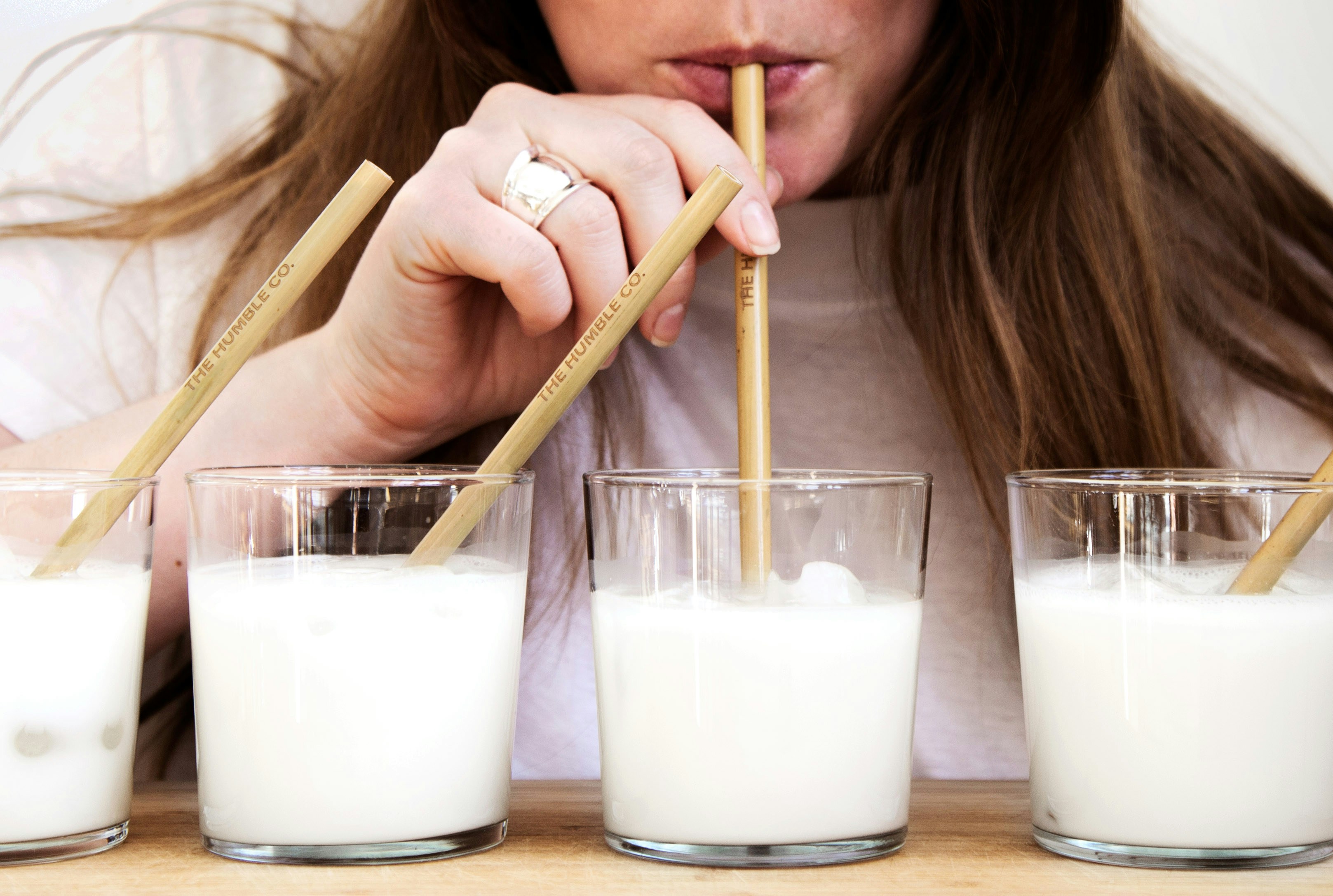
Most Americans toss out more milk than they care to admit. Whether you bought a gallon for one recipe or stocked up during a sale, finishing it before the expiration date does not always happen. The good news: your freezer is a legitimate solution.
You can freeze and unfreeze milk safely, but a few details make the difference between milk that still works well and milk that goes straight down the drain. This guide covers every step — from the right containers to the best ways to use thawed milk — so you get the most out of every carton.
Can You Freeze Milk?
Freezing milk is a way to extend its shelf life and prevent waste, but there are a few key things to know to ensure the best quality. The short answer is yes — regular dairy milk, plant-based milks, and even breast milk can all go in the freezer. What varies is how well each type holds up after thawing.
Most milk is freezable and will maintain its quality if frozen for up to 3 months. Frozen milk retains its nutritional profile when it thaws, and the sooner someone freezes it, the better the milk quality after thawing. The enzymes and fat-soluble vitamins it contains may decrease very slightly but largely remain the same.
Not all milk types freeze equally well, though. Nut milks do not freeze well, as they tend to separate and have an off texture after being thawed, according to registered dietitian Beth Czerwony of the Cleveland Clinic. Soy milk may curdle and take on an unappealing color, and oat milk is also likely to have texture issues after freezing. For plant-based milks, plan to use them in cooked or blended applications after thawing rather than drinking them straight.
Pro Tip: Freeze milk as soon as possible after purchasing — ideally before its “use by” date. The fresher the milk when it goes in, the better it tastes when it comes out.
One practical reason many US households freeze milk: since freezing milk suspends the spoilage process, it is a great way to store your excess and avoid food waste. If you buy a gallon for a holiday recipe and know you will not finish it in time, the freezer is a smarter move than the trash.
Does Freezing Change the Texture or Taste of Milk?
Yes — and it helps to know what to expect before you open that container of thawed milk. When milk freezes, the water inside forms ice crystals that disrupt the emulsion, causing fat globules to clump together. This process, known as phase separation, is the root cause of the textural and flavor changes. Upon thawing, the fat and water may not completely re-emulsify, leading to a less homogenous mixture. This can result in a grainier texture, a slight watery taste, and a perceived loss of richness.
Thawed milk will have a milder flavor and there will be changes in its texture and color. Milk can become grainy and sometimes yellowish once thawed. These changes are not harmful — frozen milk is perfectly safe to drink and use for cooking, baking, and preparing drinks.
The extent of these changes depends on several factors, including the type of milk — whole, 2%, or skim — the freezing process, and the thawing process. Milk with a higher fat content, such as whole milk, tends to experience more pronounced changes compared to skim milk. Skim milk is more freezer-friendly than full-fat milk because milk with a higher fat content separates more readily when thawed.
Freezing has minimal impact on the nutritional value of milk. The calcium, protein, and fat content remain essentially unchanged. So while the texture shifts, the nutrition stays intact — a worthwhile trade-off if you are using it for cooking.
For plant-based options, almond, soy, oat, and flax milks all separate and become grainy after freezing, just like dairy milk. In some cases the texture change is more pronounced because plant-based milks rely on added stabilizers and emulsifiers to stay smooth, and those systems break down during freezing.
How to Freeze Milk the Right Way
The container you choose and how you prepare the milk before freezing both affect the quality you get back. Follow these steps to freeze milk properly.
- Choose the right container. The best container to freeze milk in is an airtight, freezer-safe plastic container. Because the milk will expand, it is helpful to leave about an inch of space at the top. Avoid cardboard cartons and regular glass — liquids like milk expand when frozen, which could break glass bottles.
- Freeze before the expiration date. Freeze milk on or before the best before date. Freezing milk as quickly as possible will help retain its taste and nutritional profile.
- Use smaller portions. Large containers like gallons will take a long time to freeze and thaw, so freezing in smaller containers — such as half-gallons — is preferable. For recipes, ice cube trays work especially well. Two cubes in the average ice cube tray equals about 1/4 cup of milk.
- Seal tightly to block odors. Milk is highly susceptible to picking up odors from other foods in the freezer, which can change the milk’s flavor once thawed. An airtight container will help keep out unwanted smells.
- Label with the date. Label containers with the date so you can track the three-month window.
You can also freeze milk in ice cube trays or smaller portions if you only need it for recipes. Smaller portions freeze faster, which produces smaller ice crystals and slightly less separation when thawed. This is one of the simplest ways to make sure thawed milk still performs well in the kitchen.
Pro Tip: If you freeze milk in an original plastic jug, pour out about half a cup first to make room for expansion. A completely full container can crack or burst in the freezer.
If you store breast milk, the process is slightly different. Breast milk should be frozen in freezer-safe bags or food-safe containers that are 2–4 ounces, according to the Centers for Disease Control and Prevention. Do not use disposable bottle liners or containers not intended to store and freeze food. You can also learn more about whether breast milk has uses beyond infant feeding if you have an oversupply.
How Long Can You Freeze Milk?
Milk is safe for up to three months in the freezer, but you should consume it within three days after thawing. If you want to retain all of its nutritional value, thaw and consume it after the milk has been in the freezer for six weeks, according to registered dietitian Beth Czerwony.
Milk will last for several months in the freezer, but for the best quality, use it within the first month. After that point, milk will begin to separate and turn grainy. You also do not want to risk freezer burn.
| Milk Type | Best Quality Window | Maximum Safe Freeze Time | Use After Thawing |
|---|---|---|---|
| Whole / 2% / Skim dairy milk | 1–3 months | Up to 6 months | Within 3–7 days |
| Oat milk | 1–2 months | Up to 3 months | Within 3 days (blend before use) |
| Soy milk | 1–2 months | Up to 3 months | Within 3 days (shake well) |
| Almond / Nut milk | 1 month | Up to 3 months | Within 3 days (best blended) |
| Breast milk | Up to 6 months | Up to 12 months | Within 24 hours (fridge-thawed) |
If milk is about to expire, freezing will not “reset” it. You will still only have a few days after thawing. Freeze it while it is still fresh and you will get much better results on the other end.
How to Thaw Frozen Milk
How you thaw milk matters just as much as how you freeze it. The wrong method can leave you with spoiled milk or uneven heating that affects quality.
The best method: thaw in the refrigerator. The safest method is to move frozen milk from the freezer to the refrigerator and let it thaw overnight. Allow 24–36 hours for milk to thaw fully in the fridge. This keeps the milk at a safe temperature throughout the entire process.
The faster method: cold water bath. If you are running short on time, submerge your frozen milk in an airtight container in a bowl of cold water placed in the fridge. It will take about an hour to defrost. Change the water after 30 minutes or so.
What to avoid: Do not set frozen milk out on the counter. Since bacteria multiplies between 40–140°F, defrosting frozen milk on the counter puts the milk in a bacteria “danger zone,” which can make it unsafe to ingest, according to the USDA. Microwaving is also not recommended — it may kill beneficial enzymes and can cause hot spots that burn the mouth.
Once thawed, give the milk a good shake or stir. Once it thaws, milk may separate into solids and liquid, but shaking it will return it to its smooth texture. If shaking is not enough, you can stir, shake, or beat it with a hand mixer or immersion blender to restore some smoothness.
Important Note: Thawed milk should go back in the refrigerator immediately. Keep it at or below 39.2°F. Use dairy milk within 3–7 days of thawing and do not leave it at room temperature for more than two hours.
Can You Refreeze Milk After Thawing?
For regular dairy milk, the answer is no. Refreezing milk makes the texture worse and raises food safety risk. Freezing in small portions solves this — only thaw what you need. Each freeze-thaw cycle damages the fat structure further, leaving you with milk that is increasingly grainy and watery.
For breast milk, the rules are more nuanced. Frozen breast milk that has started to thaw but still contains ice crystals can be refrozen. If breast milk has completely thawed but still feels cold, put it in the refrigerator and use it within the next day or throw it away. This guidance comes directly from the Centers for Disease Control and Prevention (CDC) .
Repeated freezing and thawing leads to loss of nutritional value and affects the taste and texture of breast milk. It is recommended to refreeze breast milk no more than once. Each freeze-thaw cycle can degrade nutritional quality and affect taste and texture.
The practical takeaway for all types of milk: freeze in small, single-use portions so you never need to refreeze. Pull out only what you need, when you need it.
How to Use Frozen Milk (Best Uses After Freezing)
The texture change from freezing is permanent. Thawed milk will not taste the same as fresh milk straight from the bottle. Plan to cook with it, and it will do the job well. Here are the best ways to put thawed milk to work.
- Baked goods: Most people prefer to cook with thawed milk rather than drink it. Thawed milk works well in baked goods like hot milk cake and even chicken potpie. Muffins, pancakes, quick breads, and biscuits are all excellent choices.
- Smoothies: Frozen milk can be a great addition to smoothies and other cold beverages. Blending it with fruits, yogurt, or other ingredients can effectively mask any texture changes.
- Soups and sauces: Creamy soups, white sauces, and gravies all benefit from milk, and the slight texture difference disappears once the milk is heated and combined with other ingredients.
- Oatmeal and hot cereals: Thawed milk works perfectly for stovetop oatmeal. The heat and stirring smooth out any separation.
- Milk ice cubes for coffee: Try making milk ice cubes for your next iced coffee. They chill your drink without watering it down.
- Custards and puddings: The key is to choose recipes where the milk is cooked or blended with other ingredients, making the texture or taste difference less noticeable.
If you are looking for more ways to build a nutrient-rich diet around whole foods, check out this guide to whole plant-based foods or explore superfoods for a healthy heart to see how dairy fits into a balanced eating plan.
Key Insight: For plant-based milks, skip the thawing step entirely when using them in smoothies. Blend directly from frozen for a better texture result than thawing first.
Signs That Frozen Milk Has Gone Bad
Even frozen milk can spoil, especially if it was not stored correctly or sat in the freezer too long. Knowing what to look for protects you and your family.
Smell: This is your most reliable indicator. If the milk smells off or gets lumpy, throw it out — it has gone bad. Fresh milk has a clean, neutral scent. Sour, rancid, or otherwise unpleasant odors mean the milk should not be consumed.
Texture after shaking: Pay attention to any signs of spoiling, such as a strong odor or lumpy consistency. Some graininess after thawing is normal and can be fixed by shaking or blending. But if the milk stays lumpy and clumped even after vigorous shaking, that is a sign it has broken down beyond normal fat separation.
Color: A yellowish tint after thawing is caused by fat separating from the water and by riboflavin (vitamin B2), which has a natural yellow color. Both are normal. However, any gray, pink, or otherwise unusual coloration is a red flag — discard the milk.
Taste: If the smell and appearance check out but you are still unsure, a small taste will tell you quickly. Sour, bitter, or “off” flavors mean the milk has spoiled.
Freezer burn: If you see a thick layer of ice crystals or dried-out patches on the surface of the milk, it may have developed freezer burn. The milk is technically safe but will taste flat and stale. Use it only in cooked applications where the flavor will be masked.
| What You Notice | Normal or Problem? | What to Do |
|---|---|---|
| Slightly yellowish color | Normal (riboflavin) | Shake and use |
| Grainy or separated texture | Normal (fat separation) | Shake, blend, or whisk |
| Sour or rancid smell | Problem | Discard immediately |
| Lumpy after shaking | Problem | Discard immediately |
| Gray or pink color | Problem | Discard immediately |
| Heavy freezer burn / ice crust | Quality issue | Use only in cooked recipes |
Good food storage habits extend well beyond milk. If you want to keep your diet aligned with health goals, explore how certain foods support liver function or learn about powerful nutrients found in everyday foods.
Frequently Asked Questions
Does freezing milk destroy its nutrients?
Freezing has minimal impact on the nutritional value of milk. The calcium, protein, and fat content remain essentially unchanged. You may lose a tiny amount of heat-sensitive vitamins, but the overall nutritional profile stays intact.
Can you freeze milk in the original carton?
Milk can be frozen in the original container, as long as it is not glass, according to Nicole Martin, PhD, assistant research professor in dairy foods microbiology at Cornell University. That said, cardboard cartons can absorb freezer odors and may not seal as tightly as an airtight plastic container, so transferring to a dedicated freezer container is always a better option.
Can you freeze lactose-free milk?
Yes. Lactose-free milk freezes the same way as regular dairy milk. The lactose-removal process does not affect how the milk behaves in the freezer, and the same texture changes apply after thawing.
How long does thawed milk last in the fridge?
Consume thawed milk within three days after thawing. Some sources allow up to seven days if the milk was very fresh when frozen, but three days is the safer benchmark for most households.
Can you freeze evaporated milk or condensed milk?
Evaporated milk can be frozen in an airtight container for up to three months. Sweetened condensed milk is trickier — sweetened condensed milk does not turn fully solid in the freezer due to its high sugar content, so it stays scoopable but may separate slightly. Both work well in baked goods after thawing.
Is thawed milk safe for babies?
For infant formula or cow’s milk given to older babies, the same thawing rules apply — always thaw in the refrigerator, never on the counter or in the microwave. For breast milk specifically, follow CDC breast milk storage guidelines closely, as the rules around timing and refreezing are stricter. You can also read more about the properties of breast milk for additional context.
Does the type of freezer matter?
As long as the temperature of the freezer is 0°F or below, the type of freezer does not matter. The temperature of kitchen freezers is typically 0°F. Deep freezers and chest freezers may be colder than 0°F, which can actually extend storage life slightly. A standard household freezer works fine for the three-month window recommended for dairy milk.