Can You Freeze Fresh Mushrooms? What Actually Works (and What Doesn’t)

November 1, 2026
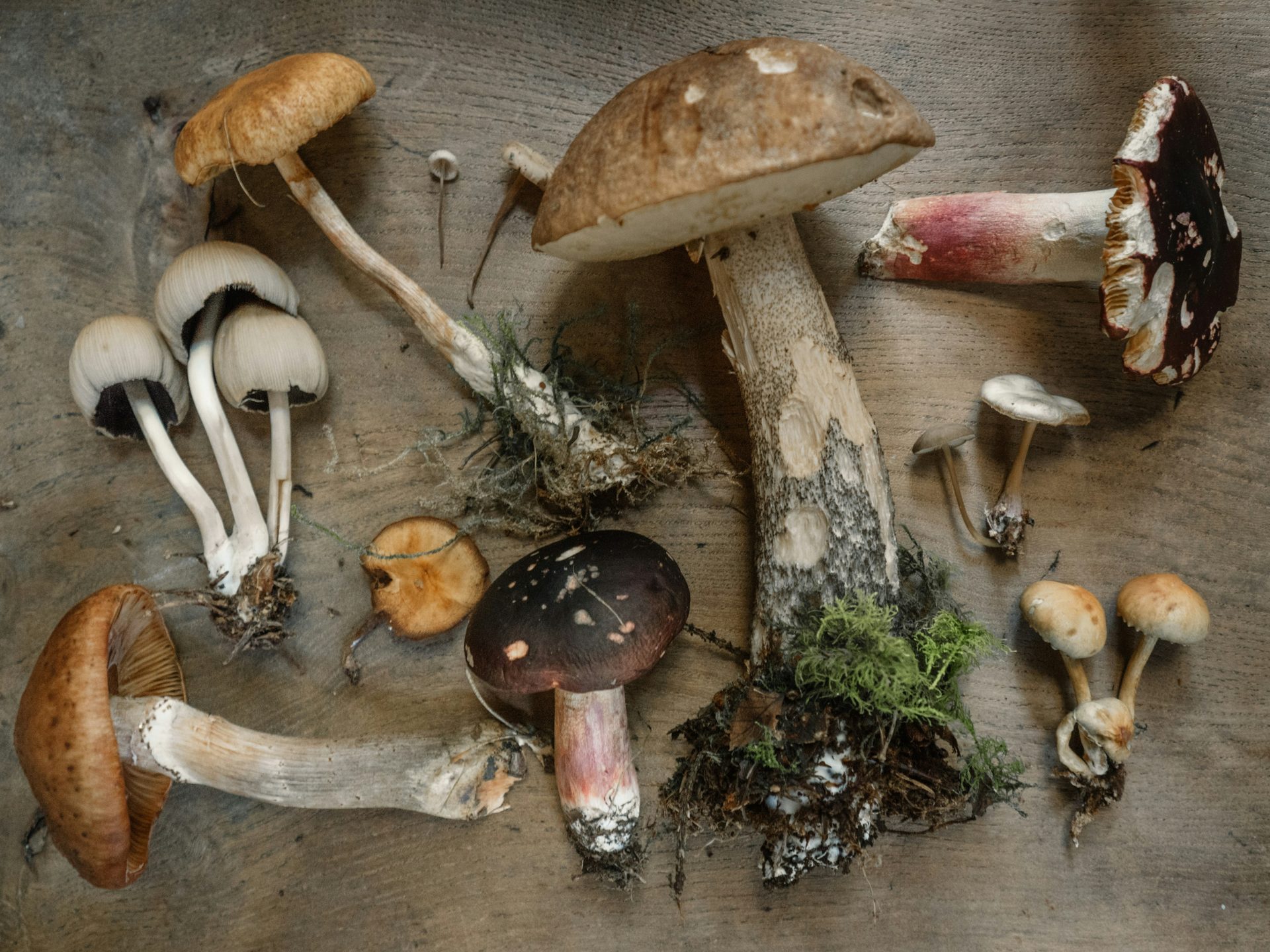
Fresh mushrooms are one of the most useful ingredients in any American kitchen — but they’re also one of the fastest to spoil. While certainly delicious, fresh mushrooms don’t last long, with a shelf life of about a week by the time they make it to your refrigerator. If you’ve ever bought a big pack from Costco or grabbed an extra container at the grocery store, you’ve probably found yourself racing to use them before they go slimy.
Freezing is a practical solution, but mushrooms behave differently in the freezer than most other vegetables. Mushrooms are roughly 80–90% water, according to USDA FoodData Central, and water expands when it freezes — those ice crystals puncture the mushroom’s cell walls, which is why a thawed raw mushroom can feel mushy and release a lot of liquid. The good news is that a little prep goes a long way toward preventing that outcome.
This guide walks you through everything you need to know: whether freezing changes the taste, the right way to do it, how long frozen mushrooms last, and the best ways to use them once they come out of the freezer. You can also check out this overview of different types of mushrooms to see which varieties you’re working with before you start.
Can You Freeze Fresh Mushrooms?
Yes, you can put fresh mushrooms in the freezer. It’s a good idea that helps them last longer and cuts down on waste. You can freeze them when they are raw, sautéed, or steamed. Each method produces slightly different results, and the one you choose should depend on how you plan to use them later.
While you certainly can take fresh mushrooms straight from the package to the freezer, it’s better to freeze mushrooms cooked than raw. That said, raw freezing is still a valid option when you’re short on time — as long as you understand what to expect from the texture afterward.
Check freshness first. Only freeze mushrooms that are still firm, dry, and blemish-free. Mushrooms that have gone bad will be slimy, mushy, and noticeably darker in color. Freezing won’t rescue mushrooms that are already declining. If they’re already on the way out, no freezing method will save them.
Pro Tip: Whole fresh mushrooms last 7 to 10 days in an airtight container in the refrigerator, while sliced mushrooms last 4 to 7 days. Freeze them within that window while they’re still at their best.
Does Freezing Change the Texture or Taste of Fresh Mushrooms?
Freezing mushrooms alters their cellular structure, resulting in a softer texture compared to fresh ones. When thawed, frozen mushrooms release more moisture due to ice crystal formation during the freezing process. This is the most significant change you’ll notice, and it’s the main reason preparation method matters so much.
The freezing process doesn’t significantly impact the umami flavor of mushrooms. Both fresh and frozen varieties retain their earthy, savory taste. However, frozen mushrooms may have a slightly less intense flavor due to moisture loss during thawing.
How you freeze them directly affects how much texture change you’ll experience. Sautéing before freezing reduces moisture content and develops the mushrooms’ flavor through browning. Thawed sautéed mushrooms have the most usable texture and the deepest flavor of either method. Blanching sits in the middle — better than raw, not quite as flavorful as sautéed.
Freezing does lower some nutrients, but frozen mushrooms are still a healthy and low-calorie food that can be added to meals. Most fiber, potassium, and minerals stay intact. There is a small reduction in folate, riboflavin, and thiamine, which is common in frozen vegetables generally. If you’re interested in how mushrooms fit into a broader healthy diet, this article on superfoods for a healthy heart is worth a read.
How to Freeze Fresh Mushrooms the Right Way
There are three methods for freezing fresh mushrooms: raw, steam-blanched, or sautéed. The right choice depends on your schedule and what you plan to cook. Almost all varieties of mushrooms can be frozen, but the best candidates are those that are fresh and free from bruises or blemishes. Popular types like button, cremini, and portobello mushrooms freeze well and maintain a good texture upon thawing.
Regardless of method, start by cleaning your mushrooms properly. Gently wipe the mushrooms with a damp cloth or soft brush to remove any dirt. It’s important not to soak them in water, as they absorb moisture, which can lead to a mushy texture when thawed.
Method 1: Sautéing Before Freezing (Best Results)
When you sauté mushrooms before freezing, you cook off most of the surface and internal water, concentrate the flavor, and lock in a firmer texture. They thaw beautifully and behave almost exactly like fresh-cooked mushrooms in a recipe. This is the method most recommended by food preservation experts.
- Slice or quarter the mushrooms to your preferred size.
- Heat one tablespoon of oil in a large skillet over medium-high heat. Add the mushrooms in a single layer and sauté until browned, about 3 minutes. Work in batches and add more oil as needed — crowding the pan causes steaming instead of browning.
- Transfer to a plate or baking sheet lined with a paper towel and let cool completely. Pack the cooled mushrooms into freezer-safe bags, press out as much air as possible, and seal. Label each bag with the date and place in the freezer.
Method 2: Steam Blanching (Solid Middle Ground)
Blanching stops enzyme actions which can cause loss of flavor, color, and texture. It’s faster than sautéing and adds no fat, making it a good option if you want to keep the mushrooms neutral for a variety of future recipes.
- Bring a large pot of water to a rolling boil. Add the sliced mushrooms to the boiling water. Boil for about 2 minutes. The National Center for Home Food Preservation at the University of Georgia recommends steaming whole mushrooms for 5 minutes, buttons or quarters for 3½ minutes, and slices for 3 minutes as an alternative to boiling.
- Immediately transfer the blanched mushrooms to a bowl of ice water to halt the cooking process. After cooling, drain the mushrooms and pat them dry with paper towels to remove excess moisture.
- Cool promptly, drain and package, leaving ½-inch headspace. Seal and freeze.
Method 3: Freezing Raw (Quickest Option)
If you decide to freeze raw mushrooms, be sure to evenly slice and flash-freeze them before you pack them into bags so they’ll freeze evenly. Plan to use them within six months. Raw freezing takes only about 5 minutes of prep and works fine for soups and stews where texture is less critical.
- Wipe mushrooms clean and slice to your preferred thickness.
- Flash freeze by spreading mushrooms in a single layer on a rimmed baking sheet and freeze for about 2 hours until completely solid before transferring to bags. This prevents the mushrooms from clumping together in a solid mass, making it much easier to grab exactly the amount you need. It’s worth the extra step if you anticipate using small portions at a time.
- Transfer to airtight freezer bags, press out all air, seal, and label with the date.
Pro Tip: Freezer burn risk is high if air isn’t removed from packaging. Vacuum sealing helps significantly. If you don’t have a vacuum sealer, press out as much air as possible before sealing the bag.
How Long Can You Freeze Fresh Mushrooms?
How long your frozen mushrooms stay good depends on how you prepared them before freezing. Food kept at a steady 0°F (-18°C) stays safe to eat essentially indefinitely — freezing stops the growth of bacteria, yeasts, and molds, according to the USDA Food Safety and Inspection Service. What changes over time is quality, not safety.
For peak quality, use the following timeframes as your guide:
| Freezing Method | Best Quality Window | Safe Up To |
|---|---|---|
| Sautéed before freezing | Up to 9–12 months | 12 months |
| Steam blanched | Up to 9 months | 12 months |
| Frozen raw | 1–3 months | 6 months |
Putting mushrooms in the freezer makes them last longer, but the quality goes down over time. Mushrooms stay safe for up to a year, but the taste is best if used sooner. Raw frozen mushrooms are best within 1–3 months, since they haven’t been treated to slow enzyme activity. Keep your freezer at or below 0°F (-18°C) — frequent temperature swings speed up quality loss and freezer burn.
If you’re freezing other produce alongside your mushrooms, you might also find it helpful to know how to freeze fresh uncooked zucchini or whether you can freeze fresh watermelon chunks using similar methods.
How to Thaw Frozen Fresh Mushrooms
Here’s where most people go wrong: one of the best parts of cooking with frozen sliced mushrooms is there’s no need to defrost. Simply take them straight from the freezer and add to your recipe. This is almost always the best approach.
If you move your frozen mushrooms to the fridge for a few days or leave them out on the counter at room temperature for a few hours, they may not fare well. During the thawing process, mushrooms naturally release water, which translates to soggy mushrooms once they defrost.
There is one exception. If you’re making blended burgers or blended meals, frozen mushrooms would be hard to incorporate into the blend. In this case, you can place your mushrooms in the fridge for up to 24 hours before making the meal. But be warned: any longer and you may compromise their texture, taste, or freshness.
If you do thaw in the fridge, this keeps them from becoming overly soggy or watery. Avoid thawing at room temperature, as doing so can change texture and increase spoilage risk.
Can You Refreeze Fresh Mushrooms After Thawing?
Refreezing mushrooms after they’ve been thawed is not recommended. It’s best not to refreeze mushrooms after thawing, for quality reasons — each freeze-thaw cycle softens them further. By the time you’ve gone through two freeze-thaw cycles, the texture will likely be too soft and watery to be enjoyable in most dishes.
Avoid refreezing thawed mushrooms. Inspect after thawing: if you detect off-odors, sliminess beyond the expected softened texture, or freezer burn affecting taste, discard them.
The best way to avoid this situation is to freeze mushrooms in small, portioned bags. That way, you only pull out what you need for a single meal and never have to refreeze a partial batch. Label your freezer bag with the freezing date and whether the mushrooms were raw or cooked so you always know exactly what you’re working with.
Pro Tip: Freeze mushrooms in 1-cup portions — a common measurement in soups, sauces, and stir-fry recipes — so you can grab a bag and cook directly without any guesswork or leftover portions to deal with.
How to Use Frozen Fresh Mushrooms (Best Uses After Freezing)
Expect a softer texture from thawed mushrooms, especially if they were frozen raw. The flavor stays earthy and still pairs well with sauces and vegetables. Avoid putting mushrooms that have been thawed in salads or meals that are eaten fresh.
Frozen mushrooms shine brightest in cooked dishes where the texture change is either invisible or actually welcome. Here are the best applications:
- Soups and stews: Imperfect texture disappears into creamy broths. Think chicken noodle soup, beef stew, or a classic cream of mushroom.
- Pasta sauces: Toss frozen mushrooms directly into a simmering tomato or cream sauce — they’ll cook through in minutes and add deep umami flavor.
- Stir-fries: Rapid heat and sauce masks texture changes, making this one of the easiest applications for frozen mushrooms.
- Casseroles and baked dishes: Recipes like stews, casseroles, and stir-fries are where frozen mushrooms work best, since the texture doesn’t matter as much.
- Omelets and scrambled eggs: Add straight from the freezer into a hot pan — the excess moisture cooks off quickly.
- Pizza topping: Pre-cook frozen mushrooms in a dry skillet for a minute or two before adding to pizza to avoid a soggy crust.
- Blended burgers: Frozen mushrooms work well in blended burger recipes where you need to incorporate them into the mix. Thaw in the fridge for up to 24 hours before blending.
While the texture of frozen mushrooms might be slightly softer than fresh, their flavor remains intact, making them a convenient and valuable addition to any dish. For more ideas on how mushrooms and other whole foods can support your health, see this guide to whole plant-based foods.
Signs That Frozen Fresh Mushrooms Have Gone Bad
Even in the freezer, mushrooms can eventually decline in quality or, in rare cases, spoil. Knowing what to look for keeps your meals safe and your freezer organized. Freezing preserves quality — it can’t rescue mushrooms that are already on the way out.
Watch for these warning signs when you pull mushrooms from the freezer:
- Sliminess: A wet, sticky, or tacky film is the most common sign of spoilage. This shouldn’t be present on properly frozen mushrooms.
- Dark spots or widespread discoloration: A few darker patches can be fine, but widespread browning or blackening means they’re past their prime.
- Visible mold: Mold is a particularly concerning indicator of spoilage. It can appear as fuzzy patches or powdery growth on the surface. If you see mold, it’s best to discard the entire batch, as mold can produce toxins that are harmful to human health.
- Freezer burn: Freezer burn occurs when the mushrooms are exposed to air in the freezer, causing moisture to evaporate and form ice crystals. This can result in a dry, discolored, and tough texture. While freezer-burned mushrooms are still safe to eat, they may have a less appealing taste and texture.
- Off smell after thawing: Smells caused by fermentation or bacterial growth are clear signs of danger. Avoid mushrooms with even a mildly “off” smell.
- Excessive water release: If they are difficult to separate or have a sticky consistency, this could be a sign of spoilage. Additionally, if the mushrooms release a lot of water or have a watery texture after thawing, it may indicate they have been stored for too long.
When in doubt, throw it out. The cost of a bag of mushrooms is never worth the risk of foodborne illness. For broader food safety and healthy eating guidance, the USDA Food Safety and Inspection Service has detailed resources on safe handling of frozen foods.
Frequently Asked Questions
Can You Freeze Mushrooms Without Cooking Them First?
Yes, you can freeze mushrooms raw — but they will become soft and spongy when thawed, making them unsuitable for salads or dishes where texture matters. If you’re planning to use them in soups, stews, sauces, or stir-fries, freezing raw is perfectly fine.
Do You Need to Thaw Frozen Mushrooms Before Cooking?
No. Add them straight from the freezer into hot pans, soups, sauces, and stir-fries. Thawing first usually just adds excess moisture you’ll have to cook off anyway.
Can You Freeze Store-Bought Sliced Mushrooms?
Yes, the same rules apply to store-bought sliced mushrooms. For best quality, give them a quick sauté or blanch before freezing. If you freeze them raw, use them within 1–3 months for the best texture.
Why Are My Thawed Mushrooms Watery and Rubbery?
Mushrooms are about 80–90% water, and freezing forms ice crystals that break down their cell walls, releasing liquid when they thaw, according to USDA FoodData Central. Cooking or blanching first removes much of that water and gives you a firmer result.
What Types of Mushrooms Freeze Best?
Cooked mushrooms tend to retain firmer texture after freezing, especially varieties like shiitake or portobello, although slight softening still occurs. Portobello mushrooms and wild mushrooms hold their shape better when frozen cooked. Button and cremini mushrooms also freeze well when sautéed or blanched first.
Can Frozen Mushrooms Be Used in Salads?
Don’t expect frozen-then-thawed mushrooms to work in raw applications like a fresh salad. Freezing changes the texture, so they’re a cooking ingredient from this point forward. Stick to hot, cooked dishes for the best results.
Freezing fresh mushrooms is one of the smartest ways to reduce food waste and always have a flavorful ingredient on hand. The key is choosing the right prep method — sauté or blanch when you can, flash-freeze raw when you’re in a hurry — and using them in cooked dishes where their softer texture is a non-issue. With proper storage and labeling, a well-stocked freezer bag of mushrooms can transform a weeknight dinner in minutes. For more ideas on building a well-stocked, health-conscious kitchen, explore these guides on fibroid healing foods and powerful nutrients and foods that fight cancer.