Can You Freeze Lemon Curd Cheesecake? (What You Need to Know)

October 26, 2026
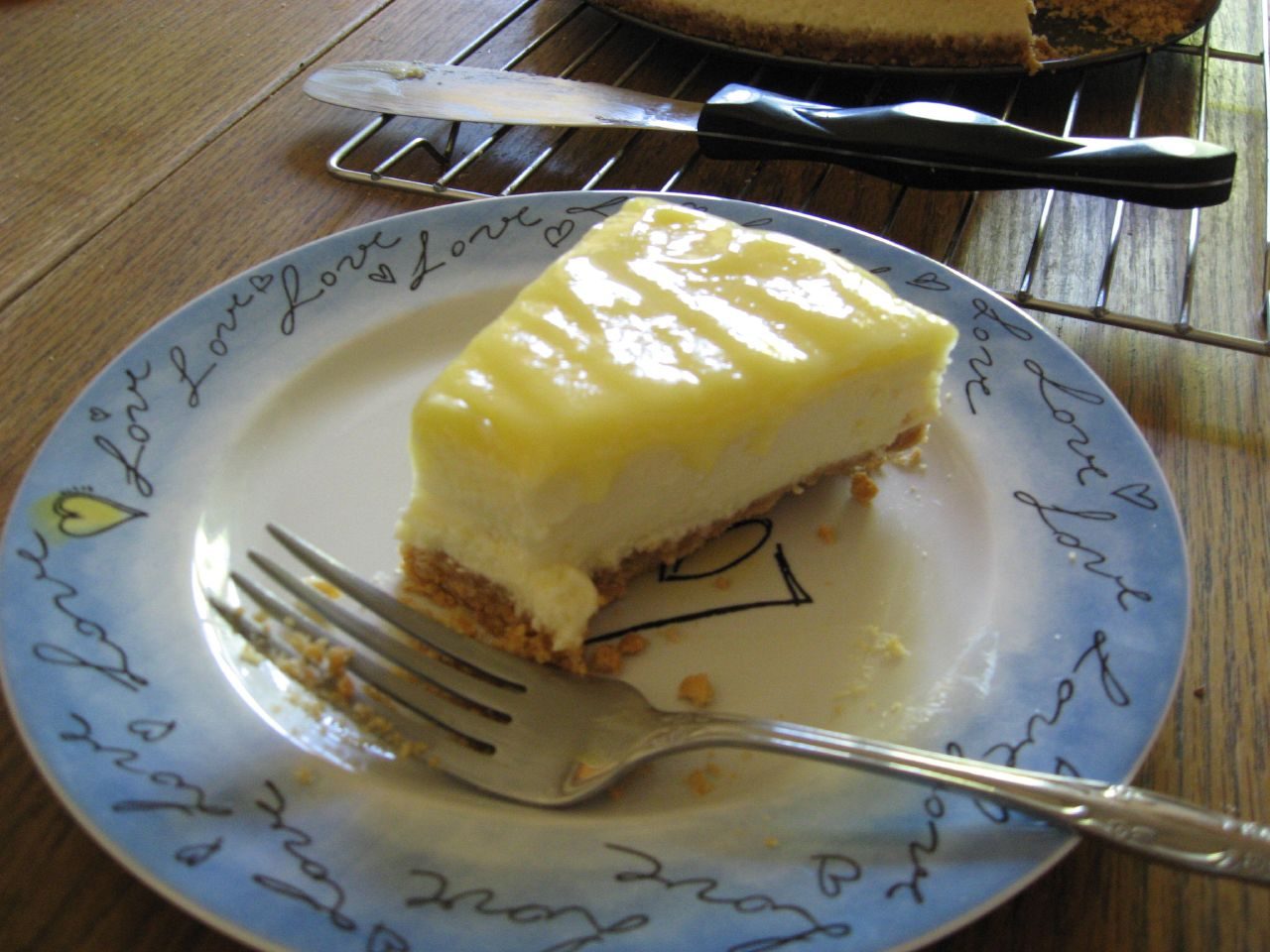
Lemon curd cheesecake is the kind of dessert you want to make ahead — and the good news is that freezing it is absolutely possible. Whether you baked a full cheesecake for a party and have half left over, or you want to prep weeks in advance, the freezer is your friend here.
That said, there are a few important rules to follow. Lemon curd cheesecake has multiple components — a buttery graham cracker crust, a rich cream cheese filling, and a bright, tangy lemon curd topping — and each one behaves differently in the freezer. Get the method right, and your cheesecake will come out tasting nearly as good as the day you made it.
Can You Freeze Lemon Curd Cheesecake?
Yes, you can freeze lemon curd cheesecake for up to three months. Both baked and no-bake versions can go into the freezer, though baked cheesecakes tend to hold up better through the freeze-thaw cycle. The key detail most people miss is what not to freeze alongside the cheesecake base.
For best results, freeze without the lemon curd topping and just top the cheesecake with the curd before serving. The same applies to whipped cream — the cheesecake should be frozen without the lemon curd topping or the whipped cream. Both toppings are better added fresh after thawing.
If your lemon curd is made separately and stored on its own, that’s easy to handle. To store lemon curd for longer, keep it in an airtight container or bag in the freezer for up to 3 months. You can freeze the curd and the cheesecake base independently, then bring them together right before serving.
Pro Tip: If you already topped your cheesecake with lemon curd before deciding to freeze it, scrape off as much of the curd as possible before wrapping. Save it in a small jar in the fridge for up to one week and use it when you thaw the cheesecake.
Does Freezing Change the Texture or Taste of Lemon Curd Cheesecake?
Freezing does affect cheesecake to some degree, but when done correctly, the changes are minimal. No-bake cheesecakes tend to degrade in texture when frozen and are best enjoyed fresh, while baked cheesecakes can be frozen and generally retain their quality. If you baked your lemon curd cheesecake in a water bath, you’re in the best position for a successful freeze.
You can freeze the undecorated cheesecake without the lemon curd and whipped cream topping, but you do need to let it set in the fridge first — setting it in the freezer will affect the texture and it won’t be as nice. This step is non-negotiable: the cheesecake needs to be fully chilled and firm before it ever goes into the freezer.
The lemon curd topping itself freezes reasonably well on its own, but its texture can shift slightly after thawing. Defrost the curd overnight in the fridge or at room temperature for an hour, then stir until smooth before serving. A quick stir after thawing restores most of its glossy consistency.
As for flavor, a well-wrapped cheesecake loses very little of its bright lemon taste. If your cheesecake tasted good going into the freezer, there’s a solid chance it will taste good when removed if stored properly.
How to Freeze Lemon Curd Cheesecake the Right Way
Proper wrapping is the single most important factor. Air and moisture are the enemies — they cause freezer burn and ice crystals that ruin both the texture and flavor of your cheesecake. Follow these steps for the best outcome.
- Chill it completely first. Chill the baked cheesecake completely, then wrap tightly in plastic wrap, followed by a layer of heavy-duty foil. Never put a warm or room-temperature cheesecake directly into the freezer.
- Hold the toppings. Do not freeze the cheesecake with lemon curd or whipped cream on top. Add those fresh when you’re ready to serve.
- Wrap it tightly. You’ll need plastic wrap and aluminum foil to prepare cheesecake for freezing — the first step involves wrapping the cheesecake tightly in plastic wrap. Follow that with a layer of heavy-duty aluminum foil.
- Add a freezer bag. Freeze the cheesecake in a large freezer bag or freezer-friendly storage container for an extra layer of protection against odors and freezer burn.
- Use a cardboard base. Placing the cheesecake on a cardboard round is helpful — the cardboard base protects the crust from freezer burn and provides a sturdy foundation when freezing, moving, and thawing.
- Label it. Write the date on the bag or foil so you know exactly how long it’s been in the freezer.
If you want to freeze individual slices rather than a whole cheesecake, put the slices in the freezer uncovered on a container or baking sheet for a few hours until frozen solid, then wrap them individually in parchment paper and aluminum foil and place in a freezer-friendly bag. This method makes it easy to pull out just one or two slices at a time.
Pro Tip: The less air that comes into contact with your cheesecake, the better it will retain its quality. You can also place the double-wrapped cheesecake in a vacuum seal bag for extra protection.
How Long Can You Freeze Lemon Curd Cheesecake?
The cheesecake will keep well in the freezer for up to 3 months. Most baking sources agree on this window as the sweet spot for both safety and quality. You can technically freeze it longer — properly stored frozen cheesecake will maintain best quality for about 6 months in the freezer, although it will usually remain safe to eat after that — but texture and flavor do decline the longer it stays frozen.
For the lemon curd stored separately, store it in an airtight container or bag in the freezer for up to 3 months. Try to use both the cheesecake base and the curd within the same timeframe so everything is fresh when you assemble and serve.
| Storage Method | Cheesecake Base | Lemon Curd (Separate) | Whipped Cream |
|---|---|---|---|
| Refrigerator | 3–5 days | Up to 1 week | 1–2 days |
| Freezer (best quality) | Up to 3 months | Up to 3 months | Not recommended |
| After thawing (fridge) | 3–5 days | 3–5 days | Add fresh only |
How to Thaw Frozen Lemon Curd Cheesecake
Thawing is just as important as freezing. The goal is a slow, even thaw that preserves the creamy texture of the filling and keeps the graham cracker crust from getting soggy.
Thaw overnight in the refrigerator before serving. For a whole cheesecake, a whole cheesecake needs 8–12 hours in the fridge to thaw fully. Plan ahead and move it from the freezer the night before you need it. A whole cheesecake will need considerable time to thaw — and not at room temperature, or you’ll risk bacteria forming.
If you froze individual slices, the process is quicker. You can defrost individual slices in the fridge overnight, or at room temperature for 30 minutes. The fridge method is safer and gives a more even result, but the 30-minute room-temperature option works fine if you’re short on time and plan to eat the slice right away.
Once thawed, gradual thawing prevents condensation and a soggy crust. Once thawed, let the cheesecake sit at room temperature for 30 minutes — this restores its creamy texture. After that brief rest, add your lemon curd topping and whipped cream and serve.
When you’re ready to begin thawing, transfer the cheesecake from the freezer to the refrigerator, removing the outer foil layer but leaving the plastic. Once the cheesecake is partially thawed, remove the plastic and transfer it onto a serving plate. Since the cheesecake is still partially frozen, it will be easier to move around and not as unwieldy.
Pro Tip: Add the lemon curd topping only after the cheesecake is fully thawed and has rested at room temperature. Spreading cold curd on a cold cheesecake can make it clump and slide off rather than forming a smooth, even layer.
Can You Refreeze Lemon Curd Cheesecake After Thawing?
Refreezing is not recommended. Avoid refreezing thawed cheesecake, as this can compromise food safety and quality. Each freeze-thaw cycle draws moisture out of the filling, which makes the texture increasingly grainy and dry. The lemon curd topping also breaks down further with repeated freezing.
Once taken out from the freezer, avoid refreezing as it might not be safe to do so. The dairy content in cheesecake — cream cheese, eggs, and heavy cream — makes it particularly susceptible to bacterial growth when repeatedly cycled through temperature changes.
The best way to avoid this problem is to freeze the cheesecake in individual slices before you ever thaw the whole thing. That way, you only pull out what you need and the rest stays safely frozen. Consume within 2–3 days of thawing for optimal taste and texture.
How to Use Frozen Lemon Curd Cheesecake (Best Uses After Freezing)
A properly thawed lemon curd cheesecake is excellent for any occasion where you’d serve it fresh. Here are the best ways to use it after it comes out of the freezer.
- Make-ahead entertaining. Freeze the cheesecake base up to three months before a dinner party or holiday gathering. Thaw it the night before, add fresh lemon curd and whipped cream the day of, and it looks and tastes like you made it that morning.
- Weeknight dessert. Keep frozen slices on hand for easy weeknight treats. A slice thaws in the fridge in a few hours or at room temperature in about 30 minutes.
- Cheesecake parfaits. If the texture softens slightly after thawing, crumble the cheesecake into cups layered with fresh berries, lemon curd, and whipped cream for an easy parfait. This works especially well with no-bake versions that may be a bit softer post-freeze.
- Cheesecake bites. Slice the thawed cheesecake into small squares or rectangles and top each piece with a small dollop of lemon curd. These are easy to serve at gatherings without the need for plates and forks.
Add dollops of lightly sweetened whipped cream to soften the tang of the curd and balance the richness. A few fresh berries or thin lemon slices on top make it feel finished without much extra effort. Blueberries, raspberries, and strawberries pair especially well with the bright lemon flavor. If you enjoy the bright citrus notes of lemon curd, you might also enjoy exploring the health benefits of lemon or the flavor-forward combination in ginger and lemon tea.
Signs That Frozen Lemon Curd Cheesecake Has Gone Bad
Even frozen food has a shelf life, and cheesecake is no exception. Before serving a thawed cheesecake, give it a quick check using your eyes, nose, and fingertips.
Freezer burn. If dry spots or discoloration have developed on the frozen cheesecake, freezer burn has begun to set in — this will not make the cheesecake unsafe to eat, but it will harm the texture and taste. Freezer-burned sections tend to be dry and chalky. You can cut them off if the rest of the cheesecake looks fine.
Mold. Mold is a clear sign of spoilage. Look for fuzzy spots in green, blue, or white colors on the surface. If you see mold anywhere on the cheesecake, discard the entire thing — do not cut around it.
Off smell. Your nose is the best tool to spot bad cheesecake. Fresh cheesecake smells creamy with a slight tang. A sour, foul, or off-putting smell means it’s gone bad. Keep in mind that lemon curd has a naturally tangy scent, so focus on whether the smell is pleasantly citrusy or genuinely unpleasant and rancid.
Slimy texture. If your cheesecake starts smelling funky with a sour, off-putting odor, or feels slimy with a strange film on its surface, it has obviously gone bad. A properly thawed cheesecake should feel smooth and firm, not wet or sticky.
Strange taste. Bad cheesecake tastes much more sour than the normal cream cheese tang. If you’re uncertain after checking the appearance and smell, take a very small taste. If something seems off, don’t finish the slice. If you’re not sure about your cheesecake’s safety, don’t take chances — getting rid of it is better than risking food poisoning.
Proper storage and smart food handling go hand in hand. If you’re interested in building a kitchen focused on health-supporting ingredients, check out these fibroid healing foods or explore superfoods for a healthy heart for more food storage and nutrition ideas.
Frequently Asked Questions
Can you freeze a no-bake lemon curd cheesecake?
Yes, but with caveats. You can freeze the undecorated cheesecake without the lemon curd and whipped cream topping, but you do need to let it set in the fridge first — setting it in the freezer will affect the texture and it won’t be as nice. No-bake cheesecakes are softer and more mousse-like, so they may be slightly less firm after thawing. They still taste good, but the texture may be a bit looser than a freshly made version.
Can you freeze lemon curd by itself?
Lemon curd will keep in the fridge in an airtight container or jar for up to one week. To store for longer, keep it in an airtight container or bag in the freezer for up to 3 months. Freezing lemon curd separately is actually the preferred approach — it gives you much more flexibility when it comes to assembling and serving the finished cheesecake.
How long does lemon curd cheesecake last in the fridge without freezing?
Store any leftovers in an airtight container in the fridge for up to 4 days. Some sources put the window at 4–5 days. For the best flavor and texture, try to eat refrigerated cheesecake within the first 2–3 days.
Can lemon curd cheesecake sit out at room temperature?
Always keep this cheesecake chilled. Because the filling contains dairy and eggs, it should not sit at room temperature for more than 1–2 hours. This is especially important during warm weather or outdoor gatherings. If your cheesecake has been sitting out for more than 2 hours, it is safest to discard it rather than refrigerate it and serve it later.
Does the graham cracker crust hold up after freezing?
Yes, when wrapped properly. The main risk to the crust is moisture, which can make it soggy during thawing. Transfer the frozen cheesecake to the refrigerator 24 hours before serving — this gradual thawing prevents condensation and a soggy crust. Avoid thawing at room temperature, which causes more condensation and can soften the crust significantly. You can find more ideas for foods that support overall wellness in this guide to whole plant-based foods.
Can you freeze store-bought lemon curd cheesecake?
Freezing is a practical option for extending the life of both homemade and store-bought cheesecake. The same rules apply: remove any whipped cream topping before freezing, wrap it tightly, and thaw overnight in the refrigerator. Check the original packaging for any specific storage notes from the manufacturer, as some store-bought versions contain stabilizers that may affect how they freeze. For more food storage and nutrition content, explore this overview of foods for healthy skin or this guide to powerful nutrients and cancer-fighting foods.