Can You Freeze Gravy Made with Cornstarch? (What to Expect)

October 25, 2026
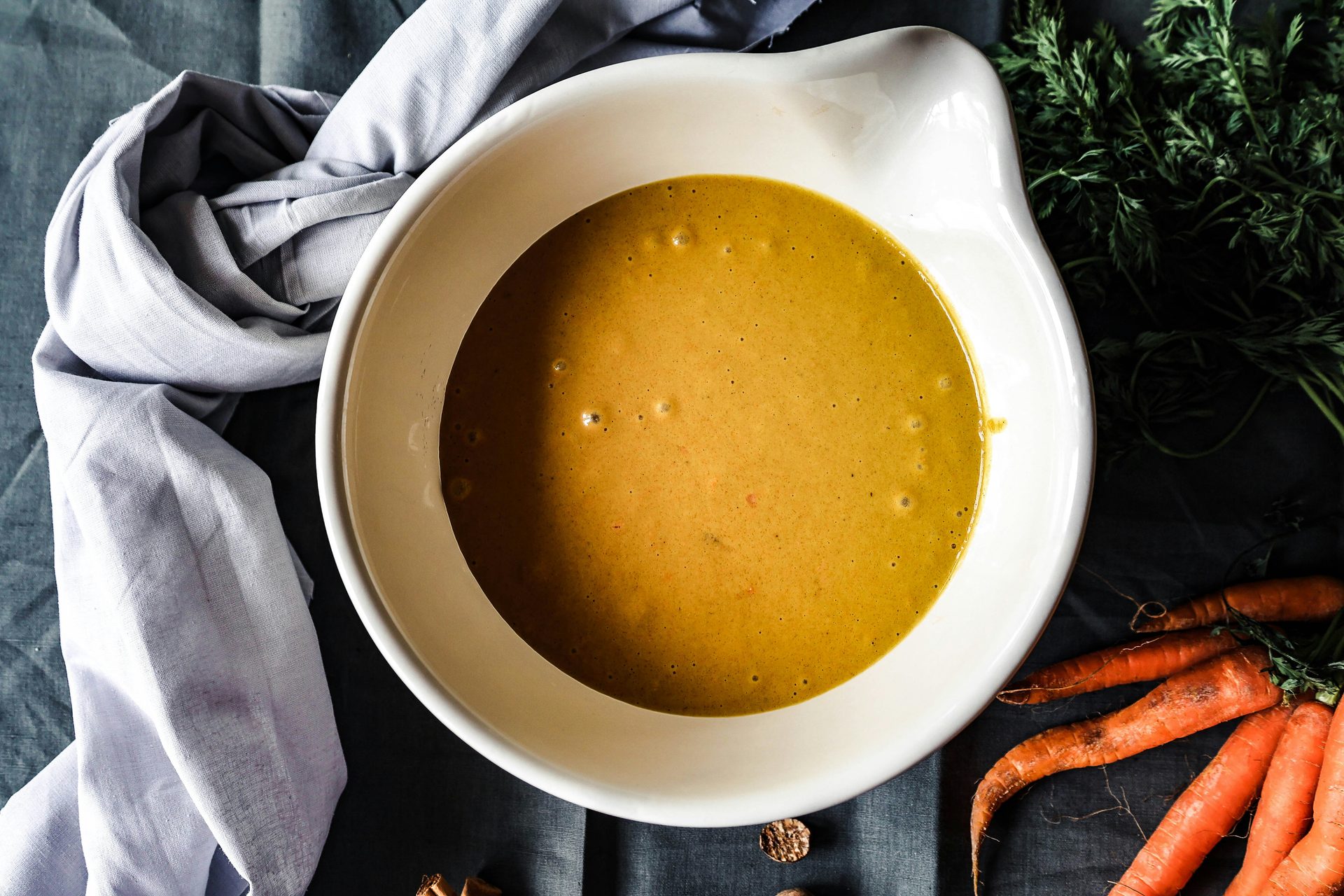
Cornstarch gravy is a weeknight staple and a Thanksgiving table hero — but what happens when you make too much? Freezing is a smart option, and yes, it works. The catch is that cornstarch behaves differently in the freezer than most people expect, and skipping a few key steps can turn silky gravy into a watery, separated mess.
This guide walks you through everything you need to know about freezing cornstarch-based gravy: what changes, what stays the same, how long it keeps, and how to bring it back to life after thawing. Whether you’re meal-prepping for the week or saving holiday leftovers, you’ll have a clear plan by the end.
Can You Freeze Gravy Made with Cornstarch?
Yes, you can freeze gravy made with cornstarch, but it might separate or become slightly watery upon thawing. That’s not a reason to avoid freezing it — it just means you need to go in with the right expectations and know how to fix it on the other side.
Cornstarch has long been a cook’s not-so-secret weapon, thanks to its incredible thickening properties. According to Bob’s Red Mill, cornstarch is made up of sponge-like molecules that grow and expand when heated. That expansion is what gives your gravy its thick, glossy texture — but freezing disrupts that structure.
Gravies thickened with cornstarch are actually less likely to separate than those thickened with flour. If you’re planning to freeze gravy, you might want to consider using cornstarch as your thickening agent. So while cornstarch isn’t perfect for freezing, it’s still one of the better options available.
Pro Tip: If you know ahead of time that you’ll be freezing a batch, make the gravy slightly thinner than usual. It will thicken further as it freezes, so starting a little loose helps it thaw to the right consistency.
Does Freezing Change the Texture or Taste of Gravy Made with Cornstarch?
Texture change is the main thing to prepare for. When gravy is thickened with cornstarch, the starch granules release long, straight chains of glucose called amylose. The stringy amylose molecules tangle and form a netlike structure that gives the gravy its thick consistency. When the gravy cools, the amylose crystallizes and the netlike structure breaks down, causing it to weep or break.
Ice crystals can disrupt the starch network. This might make the gravy thinner or more gel-like when thawed. You may open the container and find liquid pooled on top with a denser layer underneath — that’s normal separation, not spoilage.
The good news is that the flavor holds up well. Flavor boosters like herbs and spices stay strong in the freezer. Adding them helps keep your gravy’s taste after thawing. The bigger concern is always texture, not taste.
It’s important to note that frozen and thawed gravy made with cornstarch may have a slightly different consistency compared to when it was freshly prepared. The freezing process can affect the thickening properties of cornstarch, resulting in a slight change in texture. A vigorous whisk over heat fixes most of this — more on that in the thawing section below.
How to Freeze Gravy Made with Cornstarch the Right Way
The steps you take before the gravy hits the freezer make a big difference in how well it comes out on the other side. Follow this process to give your gravy the best shot at a smooth recovery.
- Cool it completely first. Let the gravy cool to room temperature — it’s a critical step in food safety to prevent bacterial growth, according to the CDC. Never put hot gravy directly into the freezer, as it can raise the freezer’s temperature and potentially put other foods at risk.
- Skim excess fat. Beef gravy can separate when thawed because of the fat. Cooling it fast and removing extra fat before freezing helps avoid this.
- Portion it out. Freeze the gravy in small portions to make it easier to use later. Sizes like 1/4 cup or 1/2 cup work well. An ice cube tray is also a great option for very small amounts — once frozen solid, pop the cubes into a labeled freezer bag.
- Use the right containers. Freeze it in airtight, freezer-safe containers, leaving a bit of room at the top for expansion. Ensure there is at least one inch of headspace, because as the liquid freezes and expands, it can cause breakage in a sealed container.
- Double-bag if using freezer bags. If your frozen gravy is in a freezer bag, place it inside an extra bag or another container, as nicks and tears in the plastic are not uncommon in the freezer, and a leaky bag of gravy in your refrigerator is not a mess you want to deal with.
- Label everything. Label each container or bag with the date of freezing and the type of gravy so there’s no guessing later.
- Set your freezer to the right temperature. Ensure your freezer is at the proper temperature — 0°F (-18°C) or below — to maintain the safety and quality of frozen foods.
Pro Tip: Avoid overcooking the gravy before freezing. Prolonged boiling after adding the cornstarch slurry can cause the gravy to break down and become thin again — which makes the texture problem worse after thawing.
How Long Can You Freeze Gravy Made with Cornstarch?
Storage time depends on what’s in your gravy. Per the USDA, regular meat-based gravy can be stored in the freezer for four to six months. That’s the outer limit for safety, but quality starts to decline before that point.
The FDA recommends using frozen gravy within three to four months for optimal quality. For cornstarch-based gravy specifically, staying within that three-to-four-month window gives you the best chance of a smooth texture after reheating.
| Gravy Type | Refrigerator | Freezer (Best Quality) | Freezer (Safe Limit) |
|---|---|---|---|
| Meat-based (beef, chicken, turkey) | 3–4 days | 3–4 months | 4–6 months |
| Vegetable-based | 3–4 days | 3–4 months | Up to 4 months |
| Dairy-containing (cream gravy) | 1–2 days | Not recommended | 1 month (poor quality) |
While freezing gravy made with cornstarch can help extend its usability, it is best to consume it within a reasonable timeframe for optimal taste and texture. Extended freezing can affect the quality of the gravy. If you’re planning to ship frozen food to family or friends, meat-based gravy is one of the better candidates — just keep it within that three-month window.
How to Thaw Frozen Gravy Made with Cornstarch
Thawing correctly is just as important as freezing correctly. Thawing in the fridge is the safest way. It keeps the temperature right to stop bacteria from growing. Plan ahead — smaller portions may thaw overnight, while larger containers can take a full day.
If you need it faster, you have two options. For quick thawing, use cold water or the microwave. For the cold water method, change the water every 30 minutes. Always thaw in the fridge, cold water, or microwave — never at room temperature.
Once thawed, don’t just warm it up and hope for the best. Reheating the defrosted gravy to reverse the crystallization and re-form a stable gel is the key fix. Bringing the gravy to a full boil and then whisking it vigorously returns previously broken gravy to its normal consistency, according to testing by America’s Test Kitchen.
After it has warmed up, your thawed gravy may need some adjusting to re-texturize it to your liking. If the gravy has become too thick, whisk in a splash of warm water as it heats up. Or, if your gravy is too watery, whisk a bit of cornstarch with warm water in a separate bowl first, then add the mixture gradually.
Pro Tip: Always reheat your gravy to a rolling boil to ensure food safety. This is especially important for meat-based gravies. After boiling, reduce the heat and whisk constantly until smooth.
Can You Refreeze Gravy After Thawing?
This one is straightforward: no. It is not advisable to refreeze gravy that has already been thawed. The repeated freezing and thawing can affect the texture and overall quality of the sauce. Beyond texture, there’s a food safety concern — each thaw cycle gives bacteria more opportunity to multiply.
The best way to avoid this situation is to freeze in small, single-use portions from the start. Dividing gravy into small portions reduces contamination and temperature fluctuation. That way, you only thaw exactly what you need for a given meal and never have to deal with leftovers from leftovers.
If you thawed more than you need, use the extra within two days — stored in the fridge in an airtight container — rather than putting it back in the freezer.
How to Use Frozen Gravy (Best Uses After Freezing)
Thawed cornstarch gravy works great in most of the same ways as fresh gravy, especially in dishes where it gets incorporated into other ingredients. Here are the best ways to put it to use:
- Mashed potato topping. The classic. Even if the texture isn’t perfectly silky, it blends right into mashed potatoes and tastes identical to fresh gravy.
- Pot pies and casseroles. Frozen-then-thawed gravy is ideal here because it gets baked into the dish anyway. Any separation disappears completely during cooking.
- Open-faced sandwiches. Ladle reheated gravy over sliced roast beef, turkey, or chicken on toast — a staple comfort meal across the US that uses every drop of leftover gravy.
- Poutine. Thawed gravy reheats perfectly for this Canadian-American favorite. Pour it over fries and cheese curds straight from the stovetop.
- Soup or stew base. Stir thawed gravy into soups or stews to add body and depth. Beef gravy works especially well in vegetable beef soup.
- Rice or biscuits. Spoon reheated gravy over white rice or split biscuits for a quick, filling meal that stretches leftovers without any effort.
Once your gravy is piping hot, taste it for seasoning. It may need another dash of salt, black pepper, or spices of your choice at that point. Freezing can mute flavors slightly, so a quick seasoning check before serving goes a long way.
If you enjoy experimenting with different ingredients in your cooking, you might also find inspiration in lists like foods that start with G or foods that start with R — both include ingredients that pair naturally with gravy-based dishes.
Signs That Frozen Gravy Has Gone Bad
Separation and a gel-like texture after thawing are normal and fixable. Spoilage is a different story. Knowing the difference keeps you from throwing out good gravy — and from eating bad gravy.
Start by assessing visual cues such as texture and color. Abnormally soft, slimy, moldy, or discolored gravy means it’s spoiled. Even if you remove the slime or mold, leftover microbes can still potentially cause a foodborne illness, according to food safety expert Tamika Sims, Ph.D., of the International Food Information Council .
Here are the specific signs to watch for before reheating any thawed gravy:
- Sour or off smell. If the gravy smells sour or is overly slimy, those are telltale signs that your gravy has gone bad.
- Visible mold. Any fuzzy growth — regardless of color — means the entire batch should go in the trash.
- Unusual color. Gravy that has turned pink, gray, or developed dark spots is no longer safe.
- Sliminess. A slimy or sticky texture that doesn’t go away after stirring is a red flag.
- Freezer burn. Failing to seal the container tightly can cause freezer burn, which deteriorates the texture and flavor. Heavily freezer-burned gravy is safe but unpleasant — use your judgment on whether it’s worth reheating.
If you notice any strange odors or discoloration in your thawed gravy, it’s better to err on the side of caution and throw it out. When in doubt, toss it — foodborne illness from improperly stored gravy is not worth the risk.
Important Note: Gravy left out overnight should always be discarded, even if it smells fine. Bacteria that cause illness don’t always produce noticeable odors or visual changes, so time at room temperature is the deciding factor, not appearance.
Frequently Asked Questions
Does cornstarch gravy freeze better than flour gravy?
Gravies thickened with cornstarch are less likely to separate than those thickened with flour. Both will experience some texture change, but cornstarch-based gravy tends to recover more easily with heat and whisking. America’s Test Kitchen found that both types “wept” after freezing, but both also recovered after being brought to a full boil and whisked vigorously.
Can you freeze gravy that contains dairy?
Gravy that contains dairy ingredients doesn’t do well in the freezer, as the milk products tend to cause a lot of separation. You can try it, but be aware it will not hold up nearly as well as other types of gravy and may require extra work to reconstitute upon defrosting. If you know you’ll be freezing a batch, leave the cream or milk out and add it fresh when reheating.
What is the best container for freezing gravy?
An airtight container specially designed for holding liquids is the best option for freezing gravy for a long time. Glass containers with tight-fitting lids work well, as do rigid plastic freezer containers. Freezer bags are convenient for flat storage but double-bag them to prevent leaks. Ice cube trays are ideal for freezing small amounts that you can portion out as needed.
Is arrowroot a better thickener if you plan to freeze gravy?
You may want to swap cornstarch for arrowroot. It’s ideal for bulk cooking since it isn’t affected by freezing, so you won’t get the separated texture that thawed cornstarch produces. Just skip the arrowroot when it comes to dairy-based dishes — it may get slimy and ruin your gravy. For non-dairy meat and vegetable gravies, arrowroot is a solid swap if you’re cooking specifically for the freezer.
How do you fix gravy that separated after thawing?
Pour the thawed gravy into a saucepan and bring it to a full boil over medium heat, whisking constantly. Reheating gently over low to medium heat while whisking, and adding a splash of stock, water, or cream, usually returns a set gravy to a smooth, pourable consistency. If it’s still too thin after boiling, mix a teaspoon of cornstarch with cold water in a separate bowl and whisk it in gradually until you reach the right thickness.
Can you freeze store-bought gravy after opening?
Yes. The same rules apply to opened jarred or canned gravy as to homemade. Transfer it to an airtight freezer-safe container, leave headspace for expansion, label it with the date, and use it within three to four months for best quality. For store-bought gravy, you can follow the “Best If Used By” or “Use By” date for freshness guidance, but for both store-bought and homemade gravy, there are signs of spoilage that should be watched for as good food safety practice, according to the International Food Information Council.
If you’re building out a well-stocked freezer and want to know more about other foods worth preserving, check out our guides on foods that start with F, foods that start with C, and foods that start with A for ingredient ideas that store well and pair easily with gravy-based meals.