Can You Freeze Pumpkin Puree from a Can? (Yes — Here’s How)

October 26, 2026
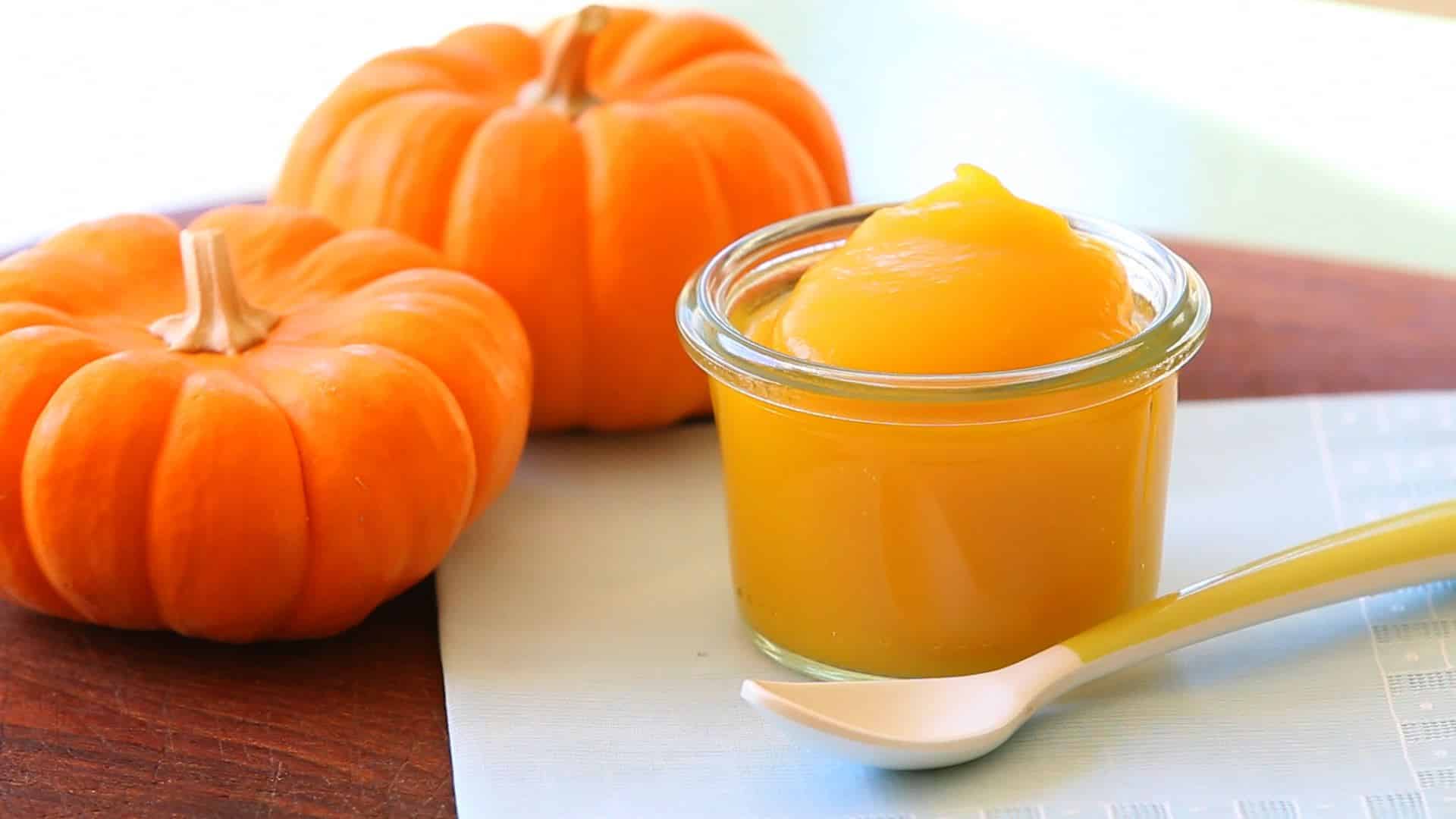
You cracked open a 15-ounce can of pumpkin puree for a single recipe, used half a cup, and now you’re staring at the rest of it wondering what to do. Sound familiar? Most American home cooks face this exact situation every fall — and plenty of times throughout the year. The good news is that freezing canned pumpkin puree is one of the easiest food storage wins in the kitchen.
Whether you’re prepping for Thanksgiving, baking a batch of pumpkin muffins, or just want to stop throwing away perfectly good food, this guide walks you through everything you need to know — from how to freeze it correctly to how long it lasts and what to make with it once it’s thawed.
Can You Freeze Pumpkin Puree from a Can?
The good news is that canned pumpkin puree freezes beautifully if done correctly. This applies whether you have a few spoonfuls left over or nearly a full can sitting in your fridge. Freezing is far better than letting it sit in the refrigerator and go to waste.
According to the USDA, opened low-acid canned goods such as pumpkin puree last for up to four days in the fridge. That’s a tight window if you don’t have a recipe ready to go. A freezer stocked with frozen pumpkin is a practical way to extend its shelf life and ensure you have pumpkin puree on hand for your next recipe — and freezing leftover puree prevents food waste instead of throwing away what’s left of the can.
One thing to note before you freeze: there are two main types of canned pumpkin — pumpkin puree and pumpkin pie filling. Don’t confuse the two. Pumpkin puree is just plain pumpkin and is therefore more mild, earthy, and naturally semi-sweet. This guide covers plain pumpkin puree, not the sweetened and spiced pie filling variety.
Pro Tip: Never freeze pumpkin puree inside the metal can. Transfer it to a freezer-safe bag or airtight container first. Metal cans are not designed for freezer use and can affect the quality of the puree.
Does Freezing Change the Texture or Taste of Pumpkin Puree?
Pumpkin puree freezes beautifully without any change in texture or flavor after thawing. This makes it one of the more freezer-friendly foods you’ll work with. Unlike dairy-based sauces or egg-heavy mixtures, pumpkin puree holds its smooth consistency well through the freeze-thaw cycle.
That said, there is one minor thing to watch for. Freezing may slightly alter the texture by releasing extra water from the puree. You can easily drain this extra liquid by placing a damp cloth inside a sieve and pouring the puree into it, letting it drain until it reaches the consistency you need. This step is optional — most recipes won’t require it.
After thawing, the puree might separate slightly. Give it a good stir to bring back its consistent texture, and don’t drain off the liquid, as that moisture will be factored into your recipes. For recipes like soups or smoothies, any texture changes will go completely unnoticed.
How to Freeze Pumpkin Puree the Right Way
The method you use matters more than most people realize. Freezing pumpkin puree in the right portions and containers protects its quality and makes your future cooking much easier. Here’s how to do it step by step.
- Portion it out first. The best way to freeze pumpkin puree is to portion it into smaller amounts. This lets you thaw exactly what you need without defrosting the whole batch. Think about how you typically use pumpkin — if a recipe calls for one cup, freeze it in one-cup portions.
- Choose your container. Freezer bags are excellent for saving space, while airtight containers work well if you’re freezing a larger portion. Silicone bags are another solid option — they thaw quickly and lay flat in the freezer.
- Use an ice cube tray for small portions. Spoon the puree into ice cube trays or silicone molds and freeze until solid. Once frozen, transfer the cubes to a sealed freezer bag or airtight container. This is a great way to avoid freezer burn and preserve the puree’s nutritional value and flavor.
- Try a muffin tin for mid-sized portions. Ladle half-cup scoops into a muffin tin or one-tablespoon mounds into an ice cube tray. Smooth out the portions, freeze them, pop them out when solid, and transfer to an airtight freezer bag.
- Remove as much air as possible. Press the air out of freezer bags before sealing to reduce the risk of freezer burn. The flatter the bag, the faster it thaws later.
- Label everything. Mark the bags or containers with the date of freezing. Pumpkin puree can be kept in the freezer for about 7 to 8 months.
Pro Tip: If you’re freezing in glass jars, use wide-mouth jars only and leave at least half an inch of headspace at the top. The liquid expands as it freezes, and leaving enough headspace in the jar prevents breakage.
How Long Can You Freeze Pumpkin Puree?
The answer depends on your priorities — safety versus peak quality. For the best quality, frozen pumpkin puree should be used within three to six months. While it can last longer in the freezer, the texture and flavor may begin to degrade after this time.
Pumpkin puree stays good for up to a year in the freezer, though the texture and quality will be best if used within a few months. Think of the three-to-six-month window as your sweet spot for flavor, and anything beyond that as a safety net rather than a quality guarantee.
| Storage Method | How Long It Lasts | Quality Notes |
|---|---|---|
| Refrigerator (opened can) | Up to 4 days | Transfer to airtight container for best flavor |
| Freezer (airtight bag or container) | 3–6 months (best quality) | Ideal window for flavor and texture |
| Freezer (vacuum-sealed) | Up to 12 months | Quality may decline after 6 months |
How to Thaw Frozen Pumpkin Puree
Thawing pumpkin puree is straightforward, and you have a few good options depending on how much time you have. Be sure to thaw your pumpkin puree safely — avoid leaving it at room temperature for more than 2 hours, as this can lead to bacterial growth.
- Refrigerator (best method): If you know in advance you’re going to use the frozen puree, thaw it in the refrigerator overnight. This is the safest and most hands-off approach. Plan for 12 to 24 hours.
- Warm water bath (fast method): Submerge the tightly sealed pumpkin in a large bowl of warm water. It’ll be thawed in 10 to 15 minutes. This works best with freezer bags where the pumpkin is squished flat.
- Microwave (quickest method): To thaw pumpkin puree in the microwave without overheating, use the defrost setting or the lowest power level, heating in short 20 to 30-second bursts. Stir or flip the puree between intervals to ensure even thawing, continuing until it reaches a spoonable consistency.
- Straight from frozen (for soups and smoothies): If you’re using it in a soup recipe or a smoothie, you don’t have to defrost it at all. Just drop the frozen portion directly into the pot or blender.
Once thawed, make sure your puree isn’t still ice cold or partially frozen. This ensures your ingredients will incorporate properly and the recipe will turn out as expected. Use the defrosted pumpkin within 3 days.
Can You Refreeze Pumpkin Puree After Thawing?
This is a common question, and the short answer is: it’s better to avoid it. Once you’ve thawed the pumpkin puree, try not to refreeze it. Refreezing can affect its quality and texture as well as food safety.
The best way to sidestep this problem entirely is to freeze in small, recipe-ready portions from the start. When you only thaw what you need, you never end up with excess thawed puree that needs to go back in the freezer. Portioning it into smaller amounts lets you thaw exactly what you need without defrosting the whole batch.
Important Note: If you thawed pumpkin puree in the refrigerator and it has been there for fewer than 4 days, it is generally safe to use — but refreezing it is still not recommended due to the potential for texture and quality loss.
How to Use Frozen Pumpkin Puree (Best Uses After Freezing)
Frozen pumpkin puree can be used just like fresh. Once thawed and stirred, it performs the same as a freshly opened can in virtually every recipe. Here are the best ways to put it to work in your kitchen.
Baked goods are where frozen pumpkin puree shines. Much like bananas, pumpkin puree adds moisture and flavor to quick bread recipes. Use it in pumpkin bread, muffins, pancakes, waffles, cookies, and bars. It’s also the base for a classic pumpkin pie — a staple on traditional holiday tables across the US and around the world.
Soups and savory dishes are another strong use. Stir thawed puree into butternut squash soup, blend it into a creamy pumpkin pasta sauce, or add it to chili for extra body and a mild sweetness. For smoothies, you can toss frozen cubes right into the blender — they make protein shakes super thick and creamy.
Breakfast additions are easy and satisfying. Stir extra pumpkin into your morning oatmeal with a pinch of cinnamon, nutmeg, and brown sugar. You can also blend it into yogurt parfaits or mix it with cream cheese as a spread for toast or bagels.
Drinks are worth trying too. You can make a pumpkin latte right at home using your leftover pumpkin along with cinnamon, ginger, and nutmeg for a warmup. A small spoonful also works well stirred into hot cocoa.
Pumpkin puree is also a nutrient-dense ingredient worth keeping on hand year-round. Pumpkin has a lot of amazing health benefits — it’s a great source of vitamins A and C. Adding it to smoothies, soups, or baked goods is an easy way to work more nutrients into your everyday meals, alongside other whole plant-based foods.
| Recipe Type | Examples | Thaw Required? |
|---|---|---|
| Baked goods | Muffins, bread, pie, pancakes, cookies | Yes — thaw fully |
| Soups and stews | Pumpkin soup, chili, pasta sauce | No — add frozen |
| Smoothies | Protein shakes, fall smoothies | No — blend frozen |
| Breakfast | Oatmeal, pancakes, yogurt parfait | Yes — thaw or microwave |
| Drinks | Pumpkin latte, hot cocoa | Yes — thaw fully |
Signs That Frozen Pumpkin Puree Has Gone Bad
Frozen pumpkin puree is generally very stable, but it can go bad — especially if it wasn’t stored properly or has been in the freezer too long. Here’s what to look for before you use it.
- Freezer burn patches: White or grayish dry spots on the surface of the puree indicate freezer burn. The puree is still safe to eat, but the affected areas will taste bland or off. Cut or scrape those spots away before using.
- Off smell after thawing: Fresh pumpkin puree has a mild, earthy, slightly sweet smell. If it smells sour, fermented, or otherwise unpleasant after thawing, discard it.
- Unusual color: Pumpkin puree is a consistent deep orange. If you notice gray, green, or black discoloration that isn’t just freezer burn, that’s a sign of spoilage.
- Mold: Any visible mold means the puree should be thrown out immediately, no exceptions.
- Slimy texture after thawing: Thawed pumpkin puree may be slightly looser than fresh, but it should never feel slimy or slippery. That texture change signals bacterial growth.
The best way to avoid these issues is to freeze in airtight, properly sealed containers, label everything with the date, and use the puree within the recommended three-to-six-month window. Freezing pumpkin leftovers preserves the taste, nutritional value, and color of the pumpkin puree — but only when it’s stored correctly.
Pro Tip: When in doubt, throw it out. Pumpkin puree is inexpensive enough that it’s never worth the risk of eating something that’s gone off.
Frequently Asked Questions
Can you freeze an entire can of pumpkin puree at once?
While you can freeze cans of the golden squash, it’s best not to freeze it inside the can itself. Transfer the contents to a freezer-safe bag or airtight container first, then freeze. You can freeze the full contents of a can in one container if you plan to use it all at once, but portioning is smarter for flexibility.
How long does opened canned pumpkin last in the fridge?
According to the USDA, opened low-acid canned goods such as pumpkin puree last for up to four days in the fridge. If you don’t have a recipe planned within that window, freeze it right away.
Does frozen pumpkin puree taste different than fresh from the can?
Pumpkin puree freezes very well — its flavor and creamy texture are perfectly preserved. Most people notice no difference at all when using it in baked goods, soups, or other cooked recipes.
Can you freeze pumpkin pie filling the same way?
You can freeze pumpkin pie filling using the same method, but keep in mind that pumpkin pie filling has added sugar and spices, so it has far more limited uses than plain pumpkin puree. It works well if you’re planning to use it specifically for pie, but it won’t substitute for plain puree in savory or neutral recipes.
What’s the difference between freezing in bags versus containers?
Freezer bags are excellent for saving space, while airtight containers work well if you’re freezing a larger portion. Bags can be laid flat to stack easily in the freezer and tend to thaw faster. Rigid containers are better if you want to protect the puree from being crushed or absorbing odors from other frozen foods.
Can I use frozen pumpkin puree in donuts or other fried baked goods?
Yes — thawed pumpkin puree works in any recipe that calls for canned pumpkin, including donuts. If you enjoy experimenting with frozen ingredients in baked treats, you might also find it helpful to read about how freezing works with other popular baked goods.