
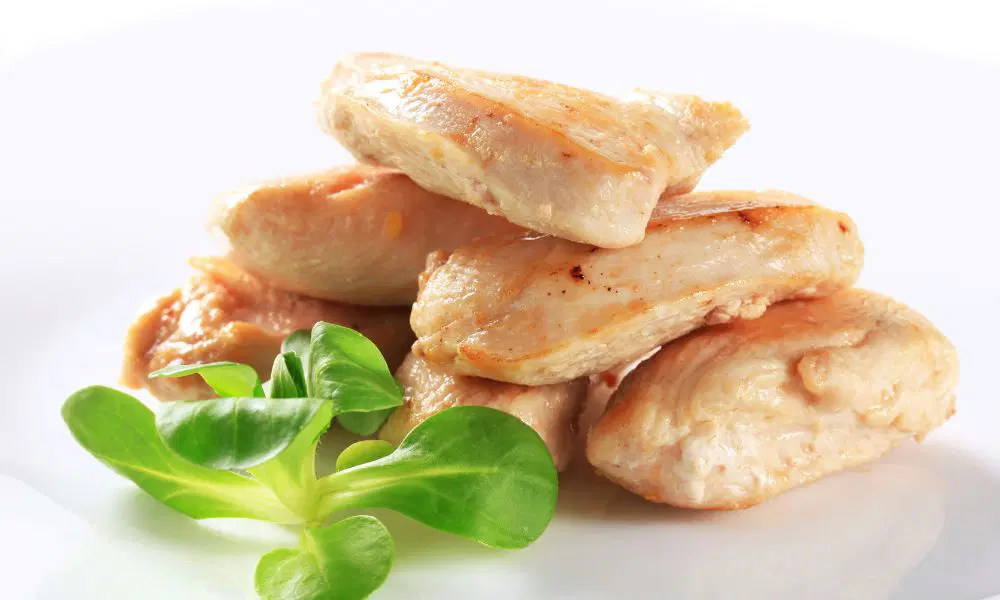
You cooked a big batch of chicken three days ago, and now you’re wondering whether it’s too late to freeze it. The good news: you’re still within the safe window. The USDA recommends that chicken that’s been cooked and refrigerated be used within 3 to 4 days, and for food safety purposes, it’s not advised to freeze already cooked chicken after the third day. So if you’re on day three, freezing right now is the right call.
Whether you’re dealing with leftover rotisserie chicken, grilled breasts, or a whole roasted bird, this guide covers everything you need to handle it safely — from wrapping it correctly to thawing it without risking foodborne illness. You’ll also find out how long frozen chicken actually stays good, what to do with it after it thaws, and the signs that tell you it’s time to toss it.
Can You Freeze Chicken?
Yes — chicken freezes well, and doing so is one of the most practical ways to cut down on food waste in an American household. You can freeze almost any kind of cooked chicken. Whether it’s roasted, grilled, poached, or sautéed, as long as it’s cooked thoroughly, you can preserve its flavor in the freezer.
Raw chicken freezes just as well. Use raw chicken within 1 or 2 days of refrigerating it, or freeze it at 0°F. If kept frozen continuously, it will be safe indefinitely. The key phrase there is “continuously frozen” — temperature fluctuations are where quality problems start.
The one situation where you should not freeze chicken is if it has already been frozen and defrosted previously. The only time you shouldn’t freeze cooked chicken is when it has already been frozen and defrosted. Not only will the texture be off, but it can cause foodborne illness.
Pro Tip: Freeze chicken sooner rather than later. Freshness and quality at the time of freezing affect the condition of frozen foods. If frozen at peak quality, thawed foods emerge tasting better than foods frozen near the end of their useful life. So freeze items you won’t use quickly sooner rather than later.
Does Freezing Change the Texture or Taste of Chicken?
Freezing does affect chicken’s texture and flavor to some degree, but proper packaging keeps those changes minimal. Raw meat and poultry maintain their quality longer than their cooked counterparts because moisture is lost during cooking. That means cooked chicken is slightly more susceptible to texture changes than raw chicken in the freezer.
The bigger threat to quality is freezer burn. Freezer burn is a term for the moisture lost from frozen food. It’s what happens when meat left in your freezer for a long time loses moisture and begins to look discolored or shriveled. The surface may be covered in ice crystals. The result after thawing is dry, tough meat with a muted flavor.
The reassuring part: freezer burn doesn’t make chicken unsafe to eat, but it significantly affects the quality, resulting in a dry, tough texture and a loss of flavor. You can trim off the affected spots and still use the rest. Moist cooking methods — soups, stews, and slow-cooker dishes — do a good job of masking any texture changes in mildly freezer-burned chicken.
Nutritionally, freezing is a non-issue. The freezing process itself does not destroy nutrients. In meat and poultry products, there is little change in nutrient value during freezer storage. So you’re not giving anything up on that front.
How to Freeze Chicken the Right Way
Good packaging is the single most important factor in preserving frozen chicken. Air is the enemy — it causes freezer burn and pulls flavor out of the meat. Follow these steps for the best results.
- Let it cool first. Chicken should not be frozen hot or warm. Instead, it should be at room temperature or cold. Placing hot chicken in the freezer will affect the temperature of the surrounding foods and possibly set up a breeding ground for any bacteria present to multiply.
- Portion it out. Divide the cooked chicken into smaller, meal-sized portions before freezing. This not only makes it easier to thaw and use only what you need, but also promotes faster and more even freezing, preserving the quality of the chicken.
- Wrap it tightly. Seal the cooked chicken in airtight containers or heavy-duty freezer bags to prevent freezer burn and maintain freshness. Removing excess air ensures a longer shelf life and preserves the flavor and texture of the chicken.
- Double-wrap for long storage. If you plan to freeze chicken longer than 2 months, overwrap the porous store plastic packages with airtight heavy-duty foil, plastic wrap, or freezer paper, or place the package inside a freezer bag.
- Label every package. Clearly label each container or bag with the date of freezing and a brief description of the contents. This helps you keep track of how long the chicken has been in the freezer and ensures you use the oldest items first.
- Store it deep in the freezer. Store your chicken in the deepest part of the freezer where temperature is most stable and the chicken won’t be disturbed every time you open the door.
Pro Tip: Vacuum sealing is the most effective method for preventing freezer burn and extending shelf life. If you freeze chicken regularly, a vacuum sealer pays for itself quickly in food saved.
How Long Can You Freeze Chicken?
How long frozen chicken stays good depends on whether it’s raw or cooked. The table below summarizes guidelines from the USDA Food Safety and Inspection Service (FSIS) and FDA storage chart .
| Chicken Type | Freezer Storage (Quality) |
|---|---|
| Whole raw chicken | Up to 1 year |
| Raw chicken parts (breasts, thighs, wings) | Up to 9 months |
| Ground chicken or giblets | 3–4 months |
| Cooked chicken (plain) | 3–4 months for best quality |
| Cooked chicken in broth or sauce | Up to 6 months |
The guidelines for freezer storage are for quality only — frozen foods stored continuously at 0°F (–18°C) or below can be kept indefinitely. That means a piece of chicken frozen for five months is still safe to eat; it just may not taste as good as one frozen for two months. It is safe to freeze ready-prepared chicken. For best quality, flavor, and texture, use it within 4 months.
For raw chicken specifically, if kept frozen continuously, chicken will be safe indefinitely, so after freezing, it’s not important if any package dates expire. For best quality, taste, and texture, keep whole raw chicken in the freezer up to one year; parts, 9 months; and giblets or ground chicken, 3 to 4 months.
How to Thaw Frozen Chicken
Thawing chicken safely is just as important as freezing it correctly. Once thawed, microbes can again become active, multiplying under the right conditions to levels that can lead to foodborne illness. The USDA recommends three safe methods.
Refrigerator thawing (best method): The best way to thaw chicken is to move the frozen package from the freezer onto a plate and into the fridge, and then let it thaw gradually. Because it can take a full day for chicken to thaw in the fridge, this method is best if you’re planning ahead for a meal the next day. Boneless chicken breasts, bone-in parts, and whole chickens may take 1 to 2 days or longer to thaw.
Cold water thawing (faster method): Chicken may be thawed in cold water in its airtight packaging or in a leak-proof bag. Submerge the bird or cut-up parts in cold water, changing the water every 30 minutes to be sure it stays cold. A whole 3- to 4-pound broiler-fryer or package of parts should thaw in 2 to 3 hours. Cook immediately after using this method.
Microwave thawing (quickest method): Follow your microwave’s defrost settings. Cook immediately after thawing, as parts of the chicken may begin cooking during the defrost cycle.
Per the USDA’s guidelines, you should never thaw chicken on the counter or in hot water, nor should you leave it at room temperature for more than 2 hours. Countertop thawing pushes the meat into the bacterial “danger zone” (40–140°F) where pathogens multiply rapidly.
Important Note: If frozen chicken is thawed in the refrigerator, the defrosted chicken can last in the fridge for an additional 1–2 days before cooking. If you used the cold water or microwave method, cook it right away — no extra fridge time.
Can You Refreeze Chicken After Thawing?
This is one of the most common questions about chicken storage, and the answer depends on how you thawed it. Once food is thawed in the refrigerator, it is safe to refreeze it without cooking, although there may be a loss of quality due to the moisture lost through thawing.
If you thawed chicken using the cold water or microwave method, the rules change. After cooking raw foods which were previously frozen, it is safe to freeze the cooked foods. If previously cooked foods are thawed in the refrigerator, you may refreeze the unused portion. Freeze leftovers within 3–4 days.
Do not refreeze any foods left outside the refrigerator longer than 2 hours; 1 hour in temperatures above 90°F. This guideline is especially relevant during summer months across the US, where kitchen temperatures can climb quickly.
According to Taste of Home , the USDA confirms it is safe to refreeze cooked chicken, although it should be refrozen within three to four days of thawing. The USDA cautions that you should not refreeze cooked chicken that has been left out of the refrigerator for more than two hours.
Keep in mind that each freeze-thaw cycle degrades texture. It’s generally not recommended to refreeze previously frozen cooked chicken — each time you freeze and thaw meat, there’s a potential for bacterial growth. The general rule of thumb is to cook, freeze, defrost, and reheat your food only once. If you have extra thawed chicken, use it in a second dish rather than refreezing it again.
How to Use Frozen Chicken (Best Uses After Freezing)
Frozen chicken that’s been thawed works great in most recipes, though moist cooking methods tend to produce the best results — especially if the chicken has any mild freezer burn. Here are the most practical ways to use it.
- Soups and stews: Shredded or diced chicken adds protein to chicken noodle soup, white bean chili, or tortilla soup. The broth environment rehydrates the meat and masks any texture changes. Chicken noodle soup freezes well — most soups do.
- Tacos and burritos: Shredded thawed chicken works perfectly with bold spices, salsa, cheese, and sour cream. The toppings cover any mild off-notes from freezer storage.
- Casseroles: Dishes like curries, soups, or casseroles are ideal for using up freezer-burned chicken. The sauce provides moisture and flavor throughout cooking.
- Stir-fries and fried rice: Slice thawed cooked chicken thin and toss it in a hot wok with vegetables and sauce. The high heat and savory sauces make it hard to detect any texture difference.
- Chicken salad: Diced thawed chicken mixed with mayo, celery, and seasonings works well for sandwiches and wraps. Note that chicken salad itself should not be frozen — the mayo will separate and create a terrible texture.
- Pasta dishes: Toss sliced thawed chicken with marinara, alfredo, or pesto sauce for a quick weeknight dinner.
If your chicken has noticeable freezer burn, trim dry areas, add moisture through marinades or brines, and choose cooking methods that bring tenderness back. Braising in chicken broth for 45–60 minutes is one of the most effective ways to restore moisture to dry, freezer-burned meat. You can find more ideas for building nutritious meals around chicken and other proteins in this guide to whole plant-based foods and in this overview of superfoods for a healthy heart.
Signs That Frozen Chicken Has Gone Bad
Frozen chicken doesn’t spoil in the traditional sense while it’s solidly frozen, but it can go bad before freezing or show signs of quality loss after thawing. In order to tell if your chicken has gone bad, you’ll need to defrost it first. Changes in color or texture are hard to detect if the chicken is frozen solid. Once it’s thawed, you’ll be able to see if there’s a green or grayish color or foul odor — if so, toss the chicken.
Here’s how to tell the difference between freezer burn (quality issue) and actual spoilage (safety issue):
| Sign | Freezer Burn (Quality Issue) | Spoilage (Safety Issue — Discard) |
|---|---|---|
| Color | White, gray, or pale patches on surface | Green, iridescent sheen, or widespread gray after thawing |
| Texture | Dry, leathery, or tough spots | Slimy or sticky surface after thawing |
| Smell | Slightly stale or bland after thawing | Sour, rancid, or pungent odor |
| Ice crystals | Small crystals — normal | Large clumpy crystals suggest thaw-refreeze cycle |
| Mold | None | Any fuzzy growth — discard immediately |
Freezer burn signs include dry, whitish or gray patches, ice crystals, a firm or leathery feel on the surface, and no strong off odors once thawed. Spoilage signs include a sour or rancid smell, sticky or slimy surface, a green or iridescent sheen, unusual softness, or mold after thawing. These are reasons to discard.
Freezing doesn’t kill bacteria, but they are destroyed by thorough cooking. That’s why proper thawing matters so much — you don’t want to give bacteria a warm environment to multiply before the chicken ever hits the heat. Cooking chicken to an internal temperature of 165°F (74°C) will kill most bacteria, but it’s no salvage for spoiled chicken. If it’s bad, cooking won’t make it safe to eat.
If you’re building a diet around lean proteins and want to understand which foods support your health long-term, check out these guides on nutrients and foods that fight cancer and foods that support liver function.
Frequently Asked Questions
Can you freeze 3-day-old cooked chicken?
Yes. Cooked chicken is considered safe for 3–4 days in the refrigerator when stored properly in an airtight container. While it may appear fine on day five, food safety guidelines recommend discarding it after four days to reduce the risk of foodborne illness. Day three is still within the safe window, so freeze it now rather than waiting another day.
Can you freeze raw chicken that’s been in the fridge for 3 days?
No. Raw chicken should be cooked or frozen within 1–2 days when stored at 40°F or below. After three days, bacterial growth risk increases significantly, even if the chicken looks or smells normal. Raw chicken that’s been in the fridge for three days should be cooked immediately, not frozen.
Does freezing chicken kill bacteria?
Freezing keeps food safe by slowing the movement of molecules, causing microbes to enter a dormant stage. Freezing preserves food for extended periods because it prevents the growth of microorganisms that cause both food spoilage and foodborne illness. Freezing to 0°F inactivates any microbes — bacteria, yeasts, and molds — present in food. But inactivating is not the same as killing. Always cook thawed chicken to 165°F.
How long does cooked chicken last in the freezer?
When stored properly in the freezer, cooked chicken can remain safe to eat for up to 6 months, however, it’s recommended to consume frozen cooked chicken within 3 to 4 months for the best quality.
Can you freeze a whole rotisserie chicken?
When purchasing fully cooked rotisserie or fast food chicken, be sure to eat or refrigerate it within 2 hours. If it is hot at the time of purchase and won’t be used within 2 hours, cut it into several pieces and refrigerate in shallow, covered containers. Eat within 3 to 4 days, either cold or reheated to 165°F. You can absolutely freeze rotisserie chicken — just pull the meat off the bones first, portion it, and seal it in airtight freezer bags.
What temperature should your freezer be set to?
Food stored constantly at 0°F will always be safe. Only the quality suffers with lengthy freezer storage. Use a freezer thermometer to confirm your appliance is hitting that mark, especially in older units.
For more food safety and nutrition content, explore these related guides on fibroid healing foods, foods for healthy skin, and cancer-causing foods to avoid. You can also find practical tips on how to get food out of wisdom tooth holes and browse the pros and cons of eating seafood for a broader look at protein choices.