Why Is My Monstera Drooping? Causes, Diagnosis, and Fixes

August 31, 2026
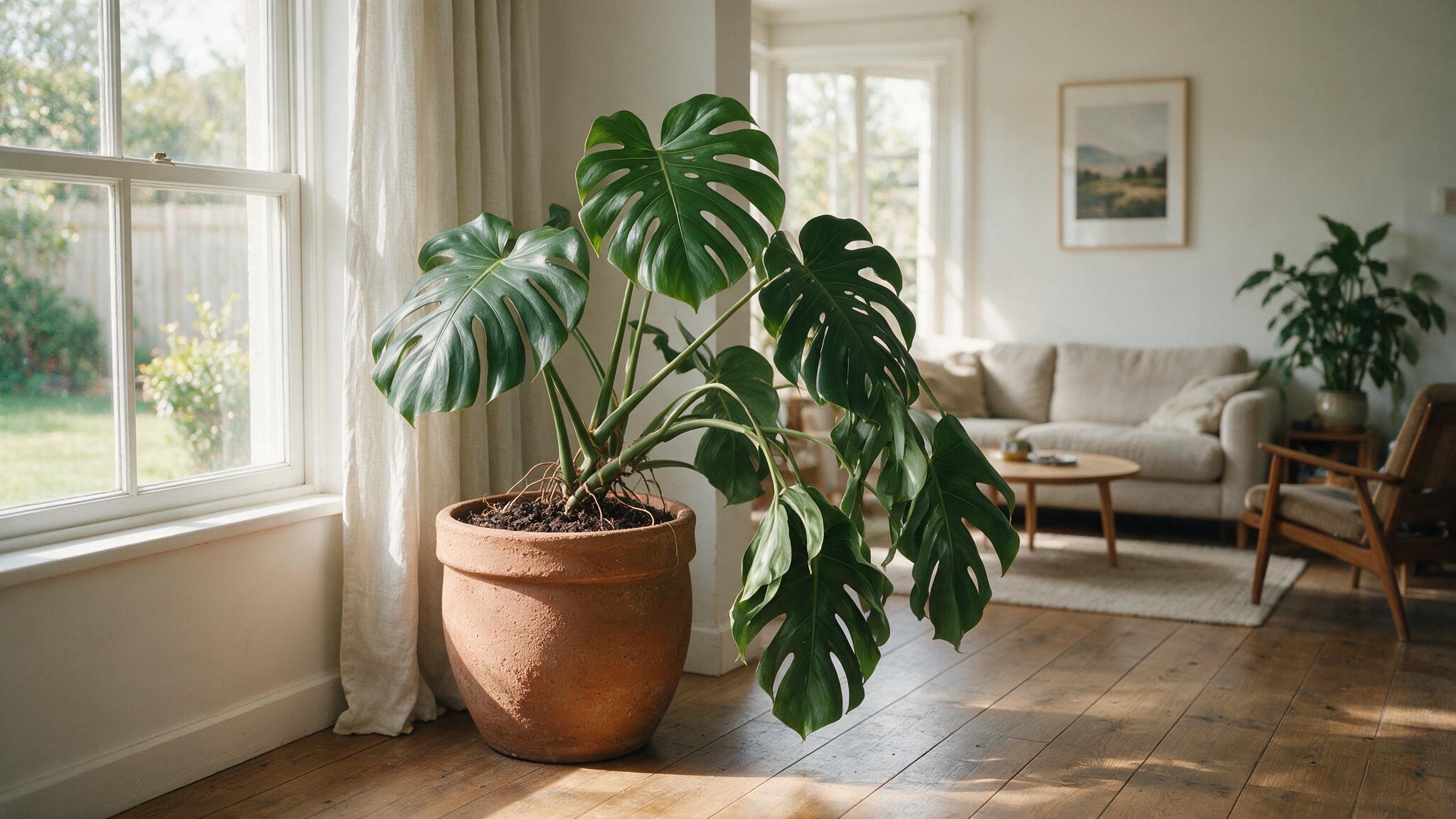
You walk past your monstera and something looks off — those big, gorgeous leaves that usually fan out proudly are hanging limp, like the plant just gave up. It’s one of the most common distress signals a monstera sends, and the good news is that it’s almost always fixable once you know what you’re looking for.
Drooping in monsteras is not a disease — it is a symptom. The leaves lose their turgor pressure (the internal water pressure that keeps cells firm), which causes them to hang limply instead of holding their characteristic upright or outward posture. Understanding what’s behind that pressure loss is the key to getting your plant back on track.
This guide walks you through every major cause of monstera drooping, how to pinpoint the right one, and exactly what to do about it — so you’re not guessing or accidentally making things worse.
What Does It Mean When Your Monstera Is Drooping?
Monstera deliciosa (Monstera deliciosa), commonly called the Swiss cheese plant, is a tropical climber native to the rainforests of Central America. In its natural habitat, it grows under a dense canopy where it receives filtered light, consistent moisture, and warm, humid air. When something in your home disrupts those conditions, drooping is usually the first sign.
Monstera leaves droop primarily due to improper watering, inadequate light, or poor root health. The most common cause is overwatering leading to root rot, but underwatering, low humidity, and insufficient support also contribute.
Monstera plants store water in their cells to maintain leaf structure — a process called turgor pressure. When your monstera is droopy from lack of water, the cells collapse, causing that characteristic floppy appearance. The same collapse happens when root damage prevents water from reaching the leaves at all, even when the soil is wet.
Drooping is your plant’s way of asking for help. The faster you identify the cause, the faster it recovers. You can explore more types of plants and their common care challenges to build a broader understanding of what your houseplants need.
Is Drooping in Monstera Always a Sign of a Problem?
Not always — and this is worth knowing before you start adjusting your care routine. Healthy monsteras naturally exhibit slight leaf sag at night due to nyctinasty — a circadian response — so timing matters. If leaves perk up by mid-morning, no intervention is needed.
Repotting stress, known as transplant shock, often causes temporary drooping. This occurs due to root disturbance and adjustment to new soil. Keep the plant hydrated and in stable conditions — it usually recovers within 7–10 days.
Persistent, daytime drooping paired with soft stems, yellowing leaf margins, or soil that stays soggy for more than five days requires immediate action. That’s the drooping you need to investigate. A single limp leaf on an otherwise healthy plant is very different from a whole plant collapsing mid-afternoon.
Pro Tip: Check your monstera at the same time each day — mid-morning is ideal. If leaves are consistently droopy by 10 or 11 a.m., something is wrong. If they’re perky by then, your plant is likely fine.
Watering Issues Causing Monstera Drooping
Watering problems are the single most common driver of monstera drooping. Droopy monstera leaves are most commonly caused by watering issues, which account for approximately 70% of cases, followed by lighting problems and root constraints. The tricky part is that both overwatering and underwatering look almost identical from the outside.
Underwatering
Dehydration is the number one reason monsteras droop. These tropical plants need consistent moisture — not soggy soil, but reliably damp conditions that mimic the humid forest floor where they naturally grow. When the soil dries out too much, the roots cannot pull enough water into the stems and leaves, and turgor pressure drops.
An underwatered monstera shows several telltale signs beyond drooping: the soil pulls away from the edges of the pot and feels bone-dry even two inches below the surface. The leaves may also feel thin and papery, and new growth can appear stunted or misshapen.
If the drooping is caused by underwatering, dehydrated leaves usually recover within 24 to 48 hours of a thorough watering. Water deeply until it flows freely from the drainage holes, then let the pot drain completely before returning it to its saucer.
Overwatering
Overwatering can produce drooping that looks very similar to underwatering. When the soil stays perpetually saturated, oxygen cannot reach the roots, and they begin to suffocate and decay. Damaged roots lose their ability to absorb water, so even though there is plenty of moisture in the soil, the plant effectively experiences drought at the cellular level.
The leaves will droop with soft stems when excess water is the problem, compared to underwatered leaves that become dry and brittle. Check the soil: if it’s still wet several days after your last watering, overwatering is the likely culprit.
Going forward, water only when the top 2 inches of soil are dry — that’s typically every 7–10 days in summer and 14–21 days in winter, though soil type and pot material affect this significantly.
Pro Tip: Never follow a fixed watering calendar for your monstera. Always check the soil first. Stick your finger 2 inches deep — if it feels dry at that depth, it’s time to water. If it still feels moist, wait another day or two.
| Symptom | Underwatered | Overwatered |
|---|---|---|
| Soil feel | Bone dry, pulling from pot edges | Wet or soggy days after watering |
| Leaf texture | Thin, papery, crispy edges | Soft, mushy stems; yellowing leaves |
| Spots | Light brown, crispy spots at leaf edges | Dark brown, soft spots starting on lower leaves |
| Recovery time | 24–48 hours after watering | 1–3 weeks after correcting and possibly repotting |
Light Conditions Behind Monstera Drooping
Monstera drooping can also be a sign of poor lighting conditions. These plants hail from tropical forests, where they thrive under the canopy of large trees, receiving filtered sunlight. Too much direct sunlight can scorch their leaves, while too little can stunt their growth and cause drooping. Finding that sweet spot of bright, indirect light will keep your monstera perky and thriving.
Low light reduces photosynthesis, weakening the plant. Direct sunlight can scorch leaves, leading to stress-induced drooping. Insufficient light causes leggy growth and weak stems. In low-light situations, you may also notice that new leaves come in smaller and without the signature splits (fenestrations) the plant is known for.
Place your monstera near a bright, indirect light source — east or north-facing windows are ideal. In many US homes, a spot a few feet back from a south- or west-facing window works well, especially if sheer curtains diffuse the afternoon sun. If your space doesn’t offer enough natural light, check out our guide to the best houseplants for low-light areas to see whether a different plant might suit your setup better — or consider a grow light for your monstera.
Monsteras tend to droop in winter because they’re getting less light. If your plant is fine through spring and summer but starts drooping in November or December, reduced daylight hours are likely a factor. Moving it closer to a window or adding a full-spectrum grow light can make a real difference during those darker months.
Soil, Nutrients, and Root Health Causing Monstera Drooping
Even when your watering schedule is on point, the wrong soil or a cramped pot can cause the same drooping symptoms. Root health is the foundation of a happy monstera, and it’s worth checking if other fixes haven’t worked.
Poor Soil and Drainage
The soil is the medium through which your monstera accesses water, oxygen, and nutrients. Poor soil quality is an underappreciated cause of drooping that many plant owners overlook. Monsteras need a chunky, well-draining mix that holds some moisture but never becomes waterlogged.
Monstera plants need a light, airy soil mix that drains well. A mix of potting soil, perlite, and orchid bark allows water to drain freely while retaining just enough moisture for the plant’s needs. Avoid garden soil or heavy clay-based mixes, which compact over time and hold far too much moisture.
Even the best potting mix breaks down over time. Organic components decompose, perlite migrates to the surface, and the mix becomes increasingly dense and compacted. Plan to refresh the top few inches of soil annually, and do a full repot with completely fresh mix every two to three years.
Root Rot
Root rot is caused by a number of fungi developing in the soil and attacking the roots. The fungus develops when there is too much moisture in the soil and no airflow around the roots. Despite watering, if the leaves appear limp or droopy, this may indicate the roots are unable to take up water because of rot. If you notice a musty or rotten odor coming from the soil when you water, that’s a strong indicator of root rot.
If you suspect root rot, unpot your monstera and inspect the roots. Healthy roots are white to light tan and firm. Rotting roots are brown or black, mushy, and may have a foul smell. Using sterilized scissors or pruning shears, trim away all affected roots. Repot into fresh, well-draining potting mix in a clean pot with drainage holes. Hold off on watering for two to three days to let any cut surfaces callus over, then resume a careful watering schedule.
Root-Bound Plants
Monsteras are known for their quick growth, often outgrowing their containers when left in the perfect conditions. Regularly putting out new leaves, they can become unruly, with massive root systems that need space to expand. If the roots begin to wrap around each other and have nowhere to move to, your monstera will struggle to absorb the moisture and nutrients needed to survive.
The fix for this problem is to repot your monstera, giving it more space to grow. Choose a pot around one size up for a slower-growing plant and two sizes up for a quick-growing plant. Always choose a pot with drainage holes, and avoid jumping to an oversized pot, as excess soil holds moisture that roots can’t yet absorb.
Nutrient Deficiency
A nutrient-starved monstera can also lose its structural strength and droop over time. To support vigorous growth, feed your monstera once or twice a month during the active growing season (spring and summer) using a high-quality indoor plant fertilizer. Pull back on feeding in fall and winter when growth naturally slows. A balanced liquid fertilizer with equal parts nitrogen, phosphorus, and potassium works well for most monsteras.
Environmental Stress Triggering Monstera Drooping
Your monstera’s environment — temperature, humidity, airflow, and physical support — plays a bigger role in leaf posture than many plant owners realize. Several environmental factors can cause drooping that has nothing to do with watering.
Temperature and Drafts
The ideal temperature range for monstera is 65–85°F (18–29°C). Keep it away from cold drafts, heaters, or AC vents. In American homes, this means being mindful of placement near exterior doors, drafty windows, and central air vents — all common culprits in summer and winter alike.
If your monstera gets caught by frost, the water in the cell walls freezes and forms ice crystals. There is less dissolved organic matter between the cells, so the freezing point is higher. This causes water to move from inside the cells to condense on the ice. All the water ends up frozen, and when there is no liquid water in the leaf, it will wilt. Monstera leaves will not recover from frost damage.
Low Humidity
Low humidity below 40% dries leaf edges and weakens turgor pressure. Aim to keep humidity levels above 50%. If your home is dry — especially in winter — consider using a humidifier or placing your monstera near a pebble tray with water. Many US homes run especially dry during winter heating season, which is when you’re most likely to see humidity-related drooping.
Lack of Physical Support
Monsteras are hemiepiphytes — they grow both in the ground and epiphytically. They need to be staked. If they’re not staked, the entire plant will droop, and eventually snap under its own weight.
While not mandatory, a moss pole provides support for mature plants, mimicking natural climbing conditions. Supported monsteras develop thicker stems and resist drooping better than unsupported ones. If your monstera is getting large and sprawling, adding a moss pole or bamboo stake is one of the simplest fixes for persistent drooping.
Pests and Disease Leading to Monstera Drooping
A lot of houseplant pests like thrips and spider mites bite holes in the leaves and suck out the juices, hence the drooping. Pest-related drooping is easy to overlook because the insects themselves are often too small to spot without close inspection.
Common Monstera Pests
Common pests include occasional spider mites, mealybugs, or thrips, especially in dry indoor conditions. Thrips are particularly troublesome. When thrip nymphs suck the sap out of the leaves, this can lead to a reduction in turgor pressure — the pressure from the inside of the leaf and stem tissues that helps your plant maintain its rigidity. If you notice your leaves are flimsy, wilty, droopy, or curling, you might have a thrip issue.
Spider mites prefer dry environments. You can help prevent them by regularly wetting the foliage or by putting a humidifier close to the plant. Check the undersides of leaves for fine webbing — a telltale sign of spider mites. Mealybugs show up as white, cottony clusters along stems and leaf joints.
Treating Pest Infestations
- Wipe leaves: Use a damp cloth to physically remove pests from both leaf surfaces. This is a good first step for any infestation.
- Neem oil: Neem oil is a standard treatment for insect infestations on plants. Follow the dilution directions on the bottle and add a little liquid soap. Spray down the plant and let the mixture dry.
- Insecticidal soap: Effective against soft-bodied pests like mealybugs, aphids, and spider mites. Spray thoroughly, covering undersides of leaves.
- Quarantine: Quarantine an infected indoor monstera to prevent spread to other plants.
- Repeat treatments: Repeat the treatment process every 4–7 days until you no longer see pests and your plant’s condition stabilizes.
If you’re struggling to keep pests away from your houseplants, learning how to keep cats out of houseplants can also help — cats brushing against plants can spread pests between them. You might also find plant identification apps useful for getting a second opinion on unusual symptoms.
How to Diagnose Why Your Monstera Is Drooping
Because so many different problems produce the same drooping symptom, a methodical approach saves time and prevents you from accidentally making things worse. Monsteras often droop for more than one reason simultaneously — a recently repotted plant near a heating vent with inconsistent watering can show transplant shock, low humidity, and early root rot all at once.
Work through this diagnostic sequence before making any changes:
- Check the soil moisture first. Use a moisture meter to get an accurate picture of what’s going on in the root ball. If you don’t have a moisture meter, you can use a wooden stick or your finger to gauge the moisture level of the soil. Readings of 1–2 (dry) suggest underwatering; readings of 6–10 (wet/soggy) confirm overwatering.
- Look at the leaves closely. Soft, dark-brown spots that show up on the lower leaves first indicate overwatering and root rot, especially if your monstera’s stems are also getting dark and mushy. Crispy, light-brown spots are usually a sign of underwatering.
- Smell the soil. A sour or musty odor when you water points strongly to root rot from overwatering.
- Inspect the roots. If soil moisture and leaf symptoms don’t give you a clear answer, gently unpot the plant. Healthy roots are firm and white; rotted roots are brown, mushy, and smelly.
- Check the environment. Is the plant near an AC vent, a drafty window, or a heating register? Has it been recently repotted or moved? These environmental shifts can cause temporary drooping with no watering issue at all.
- Inspect for pests. Check both the tops and undersides of leaves for tiny moving specks, webbing, white cottony residue, or black fecal spots.
Important Note: Apply one fix at a time. Overcorrecting kills plants faster than the original problem. Use a diagnostic approach to identify the most likely primary cause, apply one fix, and give the plant 5–7 days to respond before reassessing.
How to Fix a Monstera That Is Drooping
Once you’ve identified the cause, here’s how to address each one effectively. Recovery timelines vary: with proper care, droopy monstera leaves typically perk up within 24–48 hours for minor issues, or 1–2 weeks for more serious problems like root damage.
Fix Underwatering
Water deeply and thoroughly, allowing water to run out of the drainage holes. Bottom-watering — setting the pot in a shallow tray of water for 20–30 minutes — is especially effective when soil has become hydrophobic and repels water from the top. Drain fully before returning to its spot. Never leave the pot sitting in standing water.
Fix Overwatering
Stop watering immediately and move the plant to a spot with bright, indirect light to help the soil dry faster. If the soil smells bad or the roots are mushy, you need to repot. Carefully remove your monstera from the pot and rinse as much of the soil off the roots as you can. If you see any rotting roots, carefully trim those away. Then repot the plant into fresh soil in a clean pot with good drainage.
Fix Light Problems
Move your monstera to a brighter spot with indirect light. An east-facing window is ideal for gentle morning sun. If natural light is limited, a full-spectrum LED grow light positioned 12–18 inches above the plant can supplement effectively. While monsteras can tolerate medium light conditions, too little light may slow growth and lead to smaller leaves. Avoid placing your monstera in direct sunlight — prolonged exposure can cause leaf burn and discoloration.
Fix Environmental Stress
Avoid cold drafts and heating vents. Move the plant at least 3–4 feet from any air conditioning or heating registers. Maintain humidity above 50% using a humidifier or pebble tray. If your monstera is large and floppy, install a moss pole and gently tie stems to it with soft plant ties to restore upright posture.
Fix Root-Bound Conditions
Repot into a container one to two sizes larger with fresh, well-draining mix. After repotting, water lightly and keep the plant in a stable, bright location while it adjusts. Expect some temporary drooping for up to 10 days as the roots settle in — this is normal transplant shock.
Fix Pest Infestations
Isolate the plant immediately. Wipe all leaf surfaces with a damp cloth, then apply diluted neem oil or insecticidal soap, covering the tops and undersides of every leaf. Repeat every 4–7 days for at least three to four weeks to break the pest lifecycle. For severe infestations, remove the most damaged leaves entirely.
You can also use plant identification and care apps to help confirm your diagnosis before committing to a treatment plan.
How to Prevent Monstera Drooping Going Forward
Prevention is far easier than recovery. Most cases of monstera drooping are repeat occurrences that come from the same overlooked habits. A few simple adjustments to your routine can keep your plant standing tall year-round.
- Water by soil feel, not by schedule. Water when the top two inches of soil feel dry, which typically works out to every 7 to 10 days in the growing season and every 10 to 14 days in winter. Always check the soil rather than following a fixed schedule, because environmental factors like temperature, humidity, and pot size significantly affect how quickly the soil dries.
- Use the right pot and soil. Always plant your monstera in a pot with drainage holes. If you use decorative pots without drainage, make sure to take the plant out of the inner pot after watering to prevent water from collecting at the bottom. After watering, empty the saucer beneath the pot to prevent the roots from sitting in standing water.
- Fertilize through the growing season. Feed with a balanced liquid fertilizer every 4–6 weeks during the growing season (spring through early fall) to support vigorous growth and larger leaves. Reduce or stop feeding in winter.
- Maintain stable temperatures and humidity. Keep your monstera in a spot that stays between 65°F and 85°F with humidity above 50%. If your monstera is near a drafty window or heater, move it to a more stable spot to avoid leaf damage.
- Repot proactively. Repot every 1–2 years to refresh the soil and give roots room to grow. Don’t wait until the plant is severely root-bound and drooping before acting.
- Inspect leaves regularly. A weekly wipe-down of the leaves keeps dust off (which blocks light and invites pests) and gives you a chance to catch early pest signs before they become infestations.
- Provide support as the plant grows. A moss pole provides support for mature plants, mimicking natural climbing conditions. Supported monsteras develop thicker stems and resist drooping better than unsupported ones.
If you love growing statement houseplants, you might also enjoy reading about different types of rubber plants or exploring different types of aloe vera plants — both are similarly rewarding and relatively low-maintenance once you understand their needs.
FAQ
Why Is My Monstera Drooping After Repotting?
Repotting stress, known as transplant shock, often causes temporary drooping. This occurs due to root disturbance and adjustment to new soil. Keep the plant hydrated and in stable conditions — it usually recovers within 7–10 days. Avoid fertilizing immediately after repotting, as this can stress already-sensitive roots.
Can a Drooping Monstera Recover?
Yes, if the cause is corrected early. Leaves regain turgor within days once proper watering, lighting, and humidity are restored. Severely damaged leaves may not fully recover and should be pruned. Healthy but limp leaves can recover with proper care. Cutting too early removes energy-producing foliage needed for recovery.
Why Are Only Some Leaves Drooping, Not All?
Partial drooping often points to localized issues. Lower leaves drooping while upper leaves stay firm can indicate early root rot affecting the bottom of the root system, or simply that older leaves are receiving less water as the plant prioritizes new growth. Check the soil moisture and inspect the lower stems and roots for any soft, dark spots.
Why Is My Monstera Drooping Even Though the Soil Is Moist?
Despite watering, if the leaves appear limp or droopy, this may indicate the roots are unable to take up water because of rot. Moist soil plus drooping leaves is a classic sign of root rot — the roots are damaged and can’t transport water even though it’s available. Unpot the plant and inspect the roots to confirm.
How Often Should I Water My Monstera to Prevent Drooping?
Water every 7–10 days in summer and every 14–21 days in winter, depending on light and humidity. Always check that the top 1–2 inches of soil are dry before watering. These are guidelines, not rules — your home’s specific conditions may require more or less frequent watering.
Does Low Humidity Cause Monstera Drooping?
Yes. Low humidity below 40% dries leaf edges and weakens turgor pressure. This is especially common in US homes during winter when heating systems dry out indoor air significantly. A humidifier, pebble tray, or grouping your monstera with other plants can all help raise local humidity levels.
Is My Monstera Toxic to Pets?
Monstera is toxic to pets if ingested, so keep it away from curious cats and dogs. If you have pets that like to nibble on plants, check out our guides on plants that repel cats and keeping cats out of houseplants for practical strategies to protect both your plant and your pet.