Can You Freeze Cooked Carrots? Everything You Need to Know

November 5, 2026
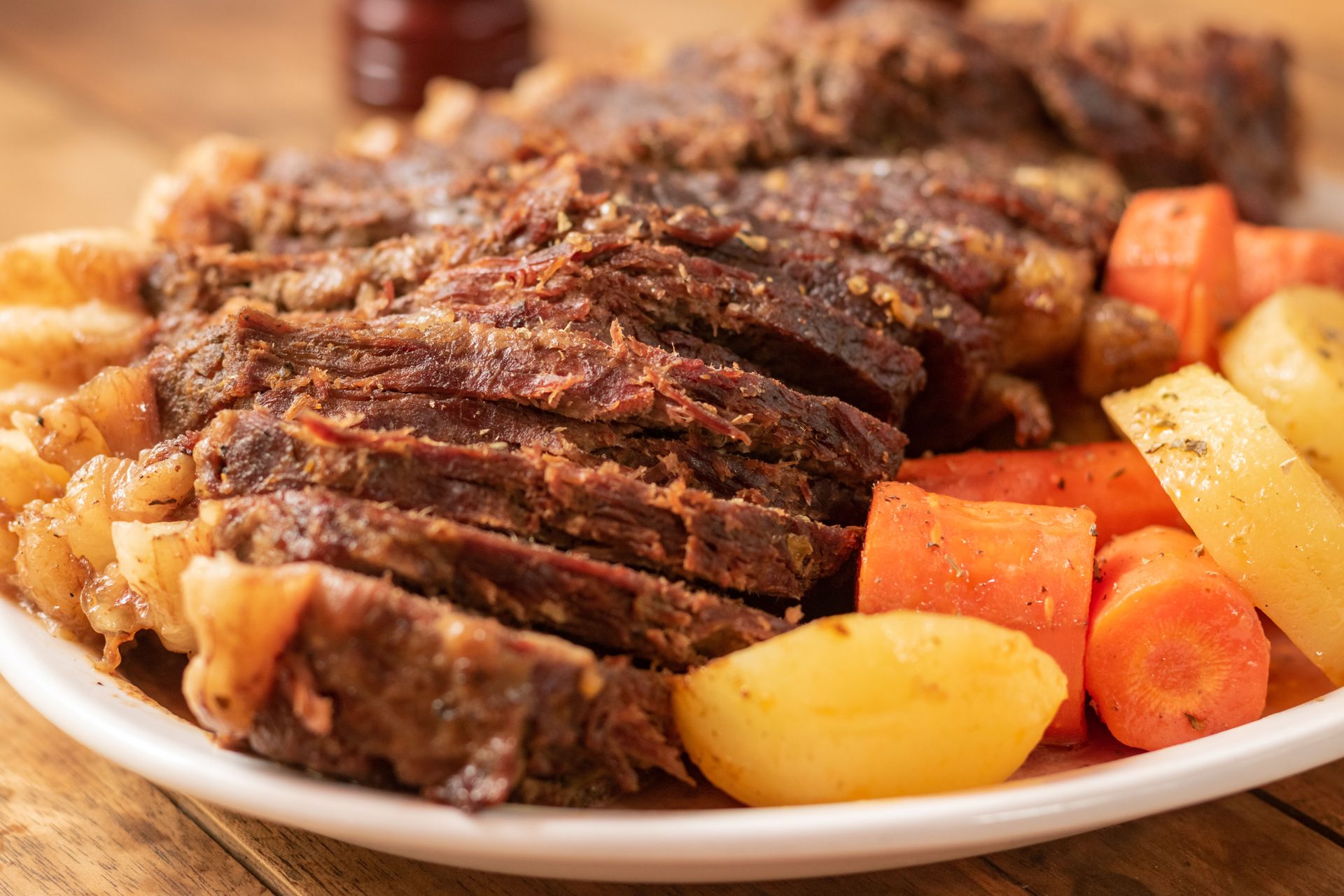
Cooked carrots are one of those vegetables that seem to pile up fast — whether you roasted a big batch for Sunday dinner, boiled too many for a stew, or steamed a side dish nobody finished. The good news is that freezing them is a real, practical option that saves both food and money.
This guide walks you through everything: whether freezing changes the taste and texture, the right way to freeze cooked carrots, how long they stay good, how to thaw them safely, and the best ways to put them to use once they come out of the freezer.
Can You Freeze Cooked Carrots?
You can freeze carrots that have been cooked — whether you’ve boiled, steamed, or roasted too many. This applies to whole cooked carrots, sliced rounds, diced pieces, and even mashed or pureed carrots. Freezing is a straightforward way to extend their shelf life well beyond what the refrigerator allows.
You should use or freeze your cooked carrots and any cooked dishes within 3 to 4 days of cooking them. Waiting longer than that before freezing increases the risk of spoilage, so don’t put it off if you know you won’t finish them.
Freezing cooked carrots offers real advantages as a food preservation method. Frozen vegetables can last for months without spoiling, which allows flexibility in meal planning, and having cooked carrots ready to go can save you time during busy weeknights. If you’re already cooking in large batches — a common practice for American home cooks trying to stretch grocery budgets — freezing cooked carrots fits right into that routine.
Pro Tip: Freeze cooked carrots in the portion sizes you typically use for a single meal. This way you only thaw what you need and avoid wasting the rest.
Does Freezing Change the Texture or Taste of Cooked Carrots?
Yes — and it’s worth being upfront about this. You should be aware that texture might change when cooked carrots are thawed, due to a loss of moisture during the freezing process. Because carrots were already softened during cooking, they tend to come out of the freezer softer still.
Frozen carrots can end up a bit rubbery due to moisture loss from the freezing process, which is why using them in recipes where their crisp texture shines — like crudité — is not recommended. The same logic applies to cooked carrots: they won’t hold up well as a standalone reheated side dish the way freshly cooked ones do.
Carrots freeze well in terms of flavor — the taste of the vegetable is largely preserved during the process. However, the texture does become softer after thawing, which is why you’ll want to use frozen carrots only in cooked dishes like sautés, soups, and stews, not raw in salads or as sticks.
You’ll find better results when you freeze cooked carrots that are then going to be incorporated into another dish, such as carrot soup. If you do freeze cooked carrots to reheat and enjoy as a side dish, be aware that the texture and taste may be a little different from before the dish was frozen.
How to Freeze Cooked Carrots the Right Way
The steps below apply whether your carrots were boiled, steamed, or roasted. The key is to cool them quickly, package them well, and remove as much air as possible before they go in the freezer.
- Cool completely first. Never put hot or warm carrots directly into the freezer. Let them cool to room temperature, then refrigerate for 30 minutes if needed. Putting warm food in the freezer raises the internal temperature and can affect surrounding items.
- Drain off excess moisture. Remove excess moisture using a towel or kitchen paper before freezing, because excess water can cause ice crystals and ruin the texture.
- Flash freeze on a baking sheet. Arrange carrots in a single layer on a baking tray to prevent sticking, then freeze until frozen solid. This step takes one to two hours and keeps pieces from clumping together into a solid block.
- Transfer to airtight packaging. Resealable plastic freezer bags work best because you can squeeze out as much air as possible to prevent freezer burn. Freezer-safe glass containers also work well.
- Label with the date. Label your containers or bags with the date and contents to make it easier to find what you need later on.
- Leave a little headspace. Make sure to leave some space at the top of the container or bag, as the carrots will expand slightly when frozen.
Pro Tip: If you can’t fit a baking sheet flat in your freezer, place the carrots directly in resealable plastic freezer bags and lay the bags flat in the freezer until fully frozen. Avoid overpacking the bags and try to keep the carrots in a single layer.
For pureed or mashed cooked carrots, simply pour into airtight containers and let cool completely before freezing. Silicone ice cube trays or muffin tins work great for portioning purees before transferring to bags.
Carrots are a nutritious vegetable worth preserving — they’re also highlighted as one of the superfoods for a healthy heart, so keeping a stash in the freezer makes it easy to add them to meals regularly.
How Long Can You Freeze Cooked Carrots?
Cooked carrots can typically be frozen for about 10 to 12 months without a significant loss in flavor or texture. However, for the best quality, it is recommended to consume them within 6 months. Beyond this period, the taste and texture may begin to deteriorate, leading to a less enjoyable eating experience.
Compare that to blanched (but not fully cooked) carrots: frozen carrots will last in the freezer for up to a year, though quality decreases with time. Blanched carrots will be good for a year, while unblanched carrots are best used within 2 to 3 months.
| Carrot Type | Maximum Freezer Life | Best Quality By |
|---|---|---|
| Cooked (boiled, steamed, roasted) | 10–12 months | 6 months |
| Blanched (not fully cooked) | Up to 12 months | 8–12 months |
| Raw, unblanched | 2–3 months | 1–2 months |
| Pureed / mashed | Up to 12 months | 6 months |
Maintain your freezer at a consistent 0°F (-18°C) to keep your carrots safe. Frequent temperature fluctuations can affect texture and flavor. According to the USDA Food Safety and Inspection Service , food stored constantly at 0°F will always be safe — though quality is a separate matter.
How to Thaw Frozen Cooked Carrots
For most recipes, you don’t need to thaw cooked carrots at all. The best thing about frozen carrots is that they typically can be used straight from the freezer. For many side dishes, stir-fries, and soups, you can use the sliced or cubed carrots directly from the freezer and avoid any thawing steps. Simply add the frozen carrots directly to the soup mixture or stir fry and let cook until they are tender.
When you do need to thaw them — for example, for a baked dish or a mash — here are your three options:
- Refrigerator overnight: The safest method. Thaw them in the refrigerator overnight, as this slow thawing process helps to preserve the texture and flavor.
- Cold water: Transfer them to the refrigerator overnight, run them under lukewarm water to start the thawing process, or carefully defrost them using your microwave.
- Microwave: Use the defrost setting and check frequently to avoid cooking the edges while the center is still frozen.
Important Note: There is no need to thaw frozen carrots before cooking; in fact, it is best to cook them straight from frozen. As your frozen diced carrots begin to thaw, they will become soft and mushy. To help ensure the best texture, cook them straight from the freezer.
Once thawed, microbes that were inactivated during freezing can again become active, multiplying under the right conditions. Since they will then grow at about the same rate as microorganisms on fresh food, you must handle thawed items as you would any perishable food. Use thawed cooked carrots within 24 hours and keep them refrigerated until you’re ready to cook.
Can You Refreeze Cooked Carrots After Thawing?
This is a question worth taking seriously. The short answer is: it’s not a good idea, and in most cases you should avoid it.
Once thawed, don’t refreeze — cook immediately in your pan, pot, or bowl. Refreezing degrades texture significantly, and it also creates a food safety risk. Once thawed, frozen carrots behave like fresh produce and are highly perishable. Do not refreeze thawed carrots as it will severely degrade their texture and quality. Cook them within the recommended timeframe.
There is one narrow exception. According to the USDA , if food is partly frozen, still has ice crystals, or is as cold as if it were in a refrigerator (40°F), it is safe to refreeze or use. It’s not necessary to cook raw foods before refreezing. That said, even a safe refreeze will hurt texture — so if you can cook them instead, do that.
The best way to avoid this situation entirely is to freeze cooked carrots in small, meal-sized portions from the start. Divide the cooked carrots into portion sizes that you typically use for meals. This way, you only thaw what you need, reducing waste and maintaining the quality of the remaining carrots.
How to Use Frozen Cooked Carrots (Best Uses After Freezing)
Frozen cooked carrots aren’t ideal for every dish, but they shine in many everyday American recipes. The key is to use them in applications where a softer texture works in your favor rather than against you.
Frozen carrots are best used in soups, stews, casseroles, or other hot dishes. You don’t even need to thaw them, or shorten the cooking time, when using them in these kinds of recipes. Think weeknight chicken noodle soup, beef stew, pot roast, or a vegetable casserole — all dishes where soft carrots are expected and welcome.
Here are the best uses for your frozen cooked carrots:
- Soups and stews: Drop them in frozen and let the broth do the work. There are plenty of ways to incorporate your frozen carrots that often don’t even require thawing, like adding frozen carrots directly to hot vegetable stock on the stove before blending for a tasty and nutritious carrot soup.
- Casseroles and pot pies: Frozen carrots can be used straight from the freezer and added to soups, stews, casseroles, and pot pies.
- Mashed carrot dishes: Frozen carrots are best used in hot dishes, especially soups, stews, and mashed carrots that can do with the extra moisture.
- Stir-fries and rice dishes: Frozen shredded carrots also work well as an addition to vegetable stir-fries, rice dishes, and much more.
- Baked goods: Thawed and drained cooked carrots can be blended into carrot cake batter, muffins, or quick breads where moisture is an asset.
What to avoid: Don’t eat frozen carrots raw in salads or as crudité sticks, because the texture is much softer after freezing. Also keep in mind that the carrots may release more moisture than fresh carrots when cooking, so they may need an extra minute or two when sautéing.
Carrots are also widely recognized for their health benefits. They appear on lists of foods that promote healthy eyesight and are often cited for their antioxidant content — another reason to keep them stocked in your freezer rather than letting them go to waste.
Pro Tip: Start with high heat to quickly defrost and get good caramelization, then reduce to medium heat to finish cooking. This prevents the outside from burning before the inside is heated through.
Signs That Frozen Cooked Carrots Have Gone Bad
Even in the freezer, cooked carrots can decline in quality or — in rare cases — become unsafe. Here’s what to look for before you use them.
Freezer burn: One of the most obvious signs is freezer burn — white, dry patches on the carrots. That happens when the carrots are exposed to air in the freezer, and the moisture in the carrots evaporates, leaving behind dry spots. Freezer-burned foods may look unappetizing and have an unpleasant texture and off-flavor, but they’re usually still safe to eat. You can cut away the affected areas and use the rest.
Discoloration: Fresh frozen carrots should have a nice, bright orange color. If you notice they’ve turned a duller shade, or there are brown or black spots, that’s a red flag. These color changes could be a sign of oxidation or the growth of mold.
Off smell: A sour, alcoholic, or generally unpleasant odor indicates spoilage. Trust your nose — if something smells wrong, don’t use them.
Slimy or mushy texture after thawing: Excessive softness or sliminess after thawing means the carrots are likely bad. If the carrots feel slimy or excessively soft and mushy, they’re likely spoiled.
Compromised packaging: Proper packaging is important — the packaging should be airtight to prevent air and moisture from getting in. If the bag or container has any holes or tears, it’s an open invitation for spoilage. Once the packaging is compromised, it’s only a matter of time before the carrots start to go bad.
As a general rule, most frozen carrots are good for about 8 to 12 months if stored properly. After that, quality starts to decline. If you’re unsure how long a container has been in the freezer — which is exactly why labeling matters — err on the side of caution.
For more ideas on making the most of your food storage and reducing waste, check out this guide on freezing fresh uncooked zucchini, which covers similar techniques for another common garden vegetable.
Frequently Asked Questions
Can You Freeze Carrots That Were Cooked in a Soup or Stew?
Yes. Carrots that were cooked as part of a soup or stew can be frozen along with the rest of the dish. Just make sure the entire dish cools completely before freezing, and store it in airtight, freezer-safe containers. The carrots will be soft when reheated, which is perfectly fine in a brothy dish.
Do You Need to Blanch Carrots Before Freezing Them?
Blanching carrots in boiling water quickly deactivates certain enzymes found in carrots, which helps to slow the natural degradation process. This means blanched carrots retain better color, flavor, texture, and overall quality longer — for up to a year in the freezer. However, if your carrots are already fully cooked, blanching is not necessary — they’ve already gone through a heat process.
How Long Do Cooked Carrots Last in the Refrigerator Before Freezing?
The most common spoilage sign for cooked carrots is mold, which typically starts to show up after 5 to 7 days of refrigeration. That’s why you should use or freeze your cooked carrots within 3 to 4 days. Don’t wait until they’re already on the edge — freeze them while they’re still at their best.
Can You Freeze Glazed or Seasoned Cooked Carrots?
Yes, though results vary depending on the glaze. Butter-based or honey-glazed carrots freeze reasonably well and reheat nicely in a saucepan. Cream-based sauces tend to separate upon thawing and may result in a watery texture. If you plan to freeze glazed carrots, simpler seasonings hold up better than rich cream sauces.
Can You Freeze Baby Carrots After Cooking?
Yes. The same process applies — cool completely, drain excess moisture, flash freeze in a single layer, then transfer to airtight bags. Cooked baby carrots will be quite soft after freezing, so plan to use them in soups, stews, or mashed dishes rather than as a standalone side.
Is It Safe to Eat Cooked Carrots That Have Been Frozen for Over a Year?
Freezing keeps food safe by slowing the movement of molecules, causing microbes to enter a dormant stage. Freezing preserves food for extended periods because it prevents the growth of microorganisms that cause both food spoilage and foodborne illness. That said, quality — not safety — is the concern after 12 months. The carrots may be safe to eat but will likely have a poor texture and muted flavor. When in doubt, use the smell and texture tests described above.
Carrots are a versatile, nutrient-rich vegetable that deserve a spot in your regular meal rotation. For more on the power of plant-based eating, explore this overview of whole plant-based foods and how they support long-term health.