Why Are My Spider Plant Leaves Pale? Causes, Fixes, and Prevention Tips

September 4, 2026
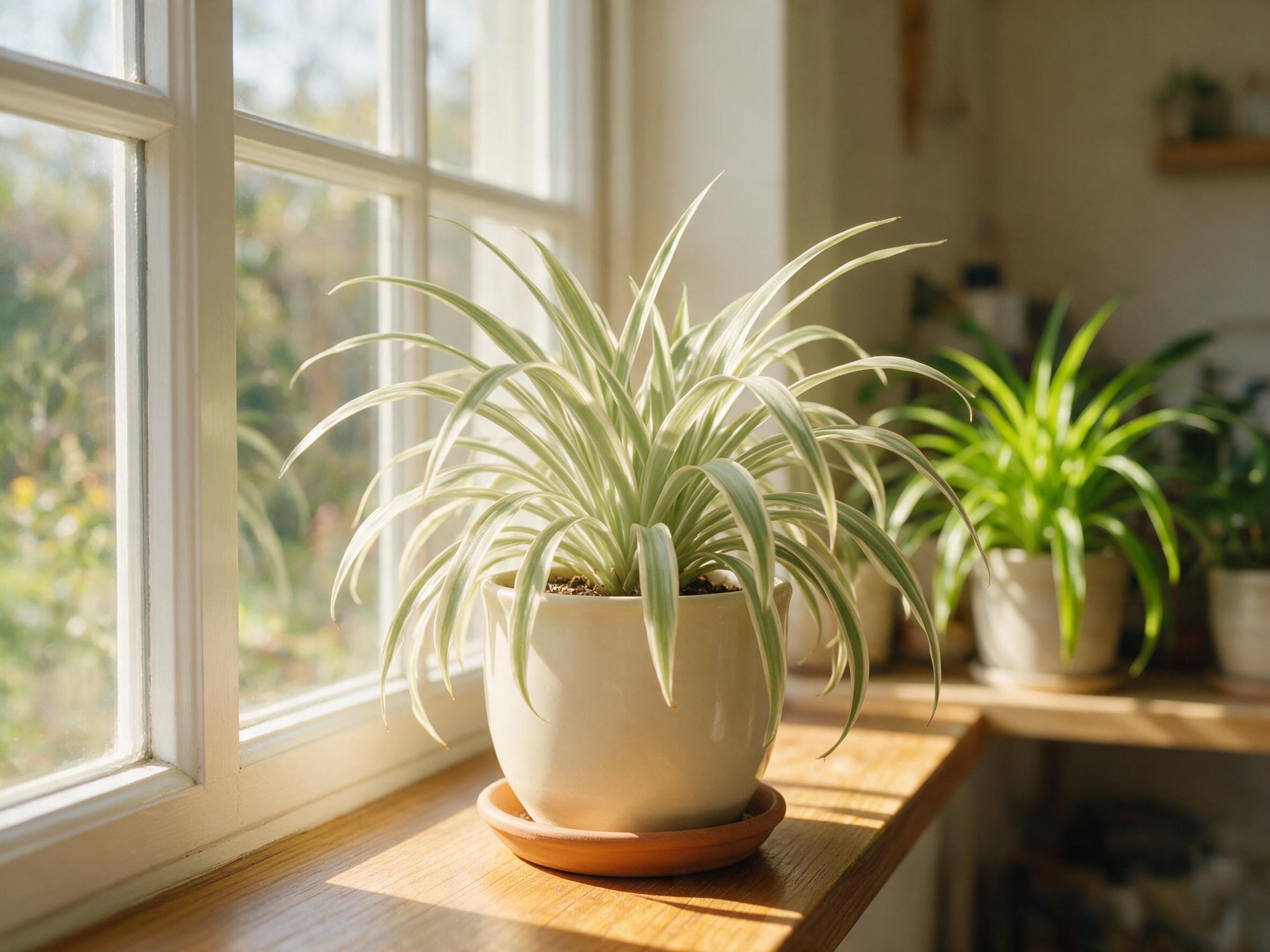
You glance at your spider plant and something looks off — the leaves that once had rich, bright color now look washed out, faded, or almost translucent. It’s one of the more unsettling things to notice as a plant owner, especially when your plant has been doing just fine.
The good news is that pale leaves on a spider plant are almost always fixable. It’s usually a sign that the plant is under stress or that something in its care routine needs adjusting. This guide walks you through every possible cause — from watering habits and light placement to soil health, pests, and environmental stress — so you can pinpoint the problem and get your plant back to looking its best.
What Does It Mean When Your Spider Plant Has Pale Leaves?
If you’ve noticed your spider plant losing its rich green hue and turning pale or yellowish, it’s a clear sign of environmental or cultural stress. The fading can show up in several ways: leaves that turn a dull, washed-out green; foliage that looks almost translucent; or, in variegated varieties, stripes that lose their crisp contrast.
The natural color variation of the spider plant, or Chlorophytum comosum, can differ from one plant to another. Your spider plant can be totally healthy with somewhat lighter green leaves. It’s only when the leaves look very pale that you should worry, especially if this recent change in color is accompanied by leaf tip browning and/or limping.
Pay attention to where the paleness appears, how quickly it developed, and whether the leaves feel firm, soft, or crispy. These clues will help you narrow down the cause quickly.
Is Pale Coloring in Spider Plants Always a Sign of a Problem?
Not always — but most of the time, yes. Spider plants continuously shed their oldest, outermost leaves as new growth emerges from the center. One to three lower leaves yellowing per month with the rest of the plant looking healthy is normal leaf cycling and requires no intervention beyond removing the yellow leaves.
If more than three per month are yellowing, or if yellowing appears on young and mid-age leaves as well, investigate overwatering, light, or water quality as the cause. In other words, a single pale or fading lower leaf is probably just the plant’s natural cycle at work. A plant where most of the foliage looks faded or washed out is telling you something needs to change.
Pro Tip: Take a quick photo of your plant every two weeks. Comparing photos side by side makes it much easier to spot whether paleness is spreading or staying isolated to a few older leaves.
Watering Issues Causing Spider Plant Pale Leaves
Watering problems — both too much and too little — are among the most common reasons spider plant leaves go pale, and they can look surprisingly similar at first glance.
Overwatering
Overwatering is one of the top reasons for pale spider plant leaves. Soggy soil leads to oxygen deprivation and root decay, impairing nutrient absorption. An overwatered C. comosum will quickly turn pale. The variegation, if present, will remain, but the green parts of the foliage will become quite pale, and the entire leaf might almost appear translucent.
The plant has likely been watered on a fixed schedule regardless of soil moisture, or the potting mix is too dense and retains moisture too long, or the pot has no drainage hole. To check, stick your finger in the soil and feel for moisture. If it feels wet, you’ve overwatered. The soil should feel like a well-wrung-out sponge after being watered, and the top inch should always be allowed to dry out between watering.
Underwatering
One of the most common reasons your spider plant is turning white or pale is not enough water. If your spider plant’s soil has gone completely dry, it will start to turn pale in color. And if you keep waiting and not watering, you will start to get yellow leaves starting at the base of the plant.
Many people are so afraid of overwatering that they don’t thoroughly soak their potting mix and thus, ironically, end up dehydrating their plants. If you leave dry pockets of soil in your pot, those roots will suffer and your plant will then start to suffer and potentially turn pale and whitish.
Water Quality
We add chlorine to the water to make tap water safe to drink, but some households have water with an excessive amount of chlorine and fluoride. When these two chemicals build up in spider plant soil, they reach the roots. Spider plants may display pale leaves and brown tips as a result. Switch to filtered, distilled, or rainwater, or simply leave tap water out for 24 hours before using it on your plant.
Light Conditions Behind Spider Plant Pale Leaves
Light is one of the fastest causes of color change in spider plants, and it works in both directions — too little and too much will both drain the color from your plant’s leaves.
Too Little Light
If you have your plant in low light, the leaves of your spider plant can fade in color. Oftentimes, for variegated spider plants, the white stripe on the leaves can fade in color when they have a lack of light. This happens because the plant tries to compensate by producing more chlorophyll. It isn’t receiving enough sun, so it’s turning some of that white or yellow growth green to become more efficient at photosynthesis.
Variegated spider plants can even lose their white stripes entirely and turn solid green when in low light for too long. If your plant is sitting far from any window, especially in a north-facing room during winter, this is likely your culprit. Check out our guide to the best houseplants for low-light areas to see how spider plants compare to other options.
Too Much Direct Sun
The problem with direct sun is that it affects spider plants very quickly, which means that it can cause the leaves to turn pale in just a matter of days. Spider plants thrive in bright, indirect light. Direct sunlight, especially during peak hours, can bleach chlorophyll from the leaves, resulting in a pale, washed-out appearance.
If you abruptly move your plant to a new location with substantially more direct sun — particularly if you move your indoor spider plant outside right into full sun — your plant will scorch and turn white. Sun scald in plants is not reversible. Once leaves are scorched, they will not return to their former appearance.
Pro Tip: Place your spider plant near an east- or north-facing window where it receives gentle morning light without harsh midday sun. If only south- or west-facing windows are available, use sheer curtains to diffuse intensity.
Soil, Nutrients, and Root Health Causing Spider Plant Pale Leaves
What’s happening beneath the soil surface has just as much impact on leaf color as light and water. Compacted soil, depleted nutrients, and cramped roots can all lead to that faded, washed-out look.
Nutrient Deficiencies
A lack of nutrients, particularly nitrogen or key micronutrients, can also affect leaf pigmentation and structure. Without the right nutrients, the plant can’t maintain healthy chlorophyll levels, and the leaves may become dull, pale, or thinner than usual. This loss of density in the leaf tissue can make them look slightly translucent, even if the plant is otherwise receiving proper care.
Insufficient iron uptake is one of the most frequently seen nutrient deficiencies in all types of cultivated plants. Leaf chlorosis is its most distinctive symptom — this is when the leaves turn yellow but the veins stay green. That pattern of yellow between green veins is a helpful diagnostic clue. Fertilize every 4–6 weeks during spring and summer with a balanced houseplant fertilizer (such as a 10-10-10 formula). Reduce or stop feeding in fall and winter when growth slows.
Over-Fertilizing and Salt Buildup
If you fertilize monthly, the soil can build up toxic levels of salt. Leach the pot after fertilizing to prevent the salts from burning the roots. Salt accumulation damages the root tips and prevents the plant from absorbing water and nutrients properly, which eventually shows up as pale or yellowing foliage.
Root-Bound Conditions
Another reason you may have pale leaves is if your plant has gotten very root-bound. Spider plants have very vigorous root systems and they will soon fill your pot. If your plant’s roots have become very crowded, it will be more difficult to keep your plant hydrated and thus could result in pale, whitish leaves.
Repotting is part of essential spider plant care, and skipping it puts your plant at risk of becoming root-bound. A healthy plant should outgrow its pot no matter its growth habit and rate. When the pot becomes too small for the roots to grow, your spider plant becomes root-bound. Spring is generally the best time to repot. To learn more about the different varieties you might be growing, see our overview of types of spider plants.
Environmental Stress Triggering Spider Plant Pale Leaves
Even when watering and light are on point, environmental factors inside your home can push a spider plant toward pale, stressed-looking foliage.
Temperature and Cold Drafts
Yellowing and fading can occur after exposure to drafts or temperatures below roughly 50–54°F (10–12°C). Keep your plant in stable temperatures between 60–75°F (15–24°C), away from drafts and cold windows. In US homes, this means keeping spider plants away from air conditioning vents in summer and drafty single-pane windows in winter.
Low Humidity
Spider plants prefer moderate humidity of 40–60%. In dry indoor air, especially during winter heating, leaf tips may brown and overall color may fade. Increase humidity by placing the plant on a pebble tray with water or using a humidifier.
Transplant Shock
Plants can also get yellow or pale leaves if they are moved to a new environment. It is simply a symptom of shock and will clear up once the plant adapts to its new surroundings. You can expect some issues like droopy leaves or pale color if you just brought your plant home or after repotting. Your plant is adjusting to the new situation. Give it some time to settle in before you do anything else.
Pests and Disease Leading to Spider Plant Pale Leaves
Insect pests are easy to overlook until the damage is already visible. Several common houseplant pests cause pale, stippled, or washed-out leaves by feeding on the plant’s sap.
Spider mites, aphids, and mealybugs feed on sap, reducing chlorophyll and causing stippling, yellowing, or pale patches. Each pest leaves slightly different clues:
- Spider mites: Fine webbing and tiny dots on leaves — treat with neem oil or insecticidal soap.
- Mealybugs: White cottony masses in leaf axils — remove with an alcohol-dipped swab.
- Aphids: Clustered on new shoots — wash off with water or apply horticultural oil.
Indoor plants don’t get many pest issues unless they came from the nursery with bugs or you introduce a new houseplant that has hitchhikers. If you put your plant outside in summer, it will be exposed to many insect pests. Most common are sucking insects whose feeding behavior reduces the sap in the plant and can introduce diseases.
On the disease side, white fuzz on your spider plant is probably powdery mildew — a type of fungus that covers the plant’s leaves and stems with what looks like powdered sugar. Powdery mildew thrives in humid, stagnant air and can cause a pale, dusty appearance on leaf surfaces. Improve air circulation and treat with a diluted neem oil solution. If you’re unsure what you’re looking at, a plant identification app can help — see our picks for the best iPhone apps for identifying plants or the best Android apps for identifying plants.
How to Diagnose Why Your Spider Plant Has Pale Leaves
Before you start changing your care routine, take a few minutes to read the clues your plant is giving you. The texture and pattern of the paleness often points directly to the cause.
| What You See | What It Likely Means |
|---|---|
| Pale, soft, almost translucent leaves; wet soil | Overwatering or root rot |
| Pale, limp leaves; bone-dry soil | Underwatering |
| Bleached or scorched pale patches; crispy texture | Too much direct sun |
| Uniformly faded green; slow growth; dim location | Insufficient light |
| Yellow between veins; veins stay green | Iron or nutrient deficiency |
| Pale with tiny dots or fine webbing | Spider mite infestation |
| Pale with white cottony clumps | Mealybug infestation |
| Pale after moving or repotting | Transplant shock |
| Pale with brown tips; fluoride-heavy tap water area | Water quality / mineral buildup |
If you observe your plant being pale and droopy, stick your finger in the soil. If it is bone dry, then you need to water. If it feels wet, then you may have root rot. This single test eliminates two of the most common causes right away.
Check the roots by removing the plant from the pot: healthy roots are white and firm; rotted roots are brown, black, or grey and feel mushy. If you suspect pests, check the undersides of leaves and the leaf axils closely with a magnifying glass or a phone camera.
How to Fix a Spider Plant That Has Pale Leaves
Once you’ve identified the cause, here’s how to address it effectively. Work through the relevant steps below rather than making multiple changes at once — that way, you’ll know what actually worked.
Fixing Watering Problems
- Check soil moisture before every watering. Only allow the top inch or two of the potting mix to feel dry, then give your plant a good soak and allow excess water to drain away.
- If the soil is soggy, stop watering immediately and let it dry out. Remove the plant from its pot and inspect the roots.
- If at least 30% of the root mass remains as healthy white tissue, cut away all brown and mushy roots back to healthy tissue, dust cut surfaces with activated charcoal, and repot in fresh well-draining mix. The plant will look stressed for 2–4 weeks while the root system rebuilds.
- Switch to filtered, distilled, or rainwater if your tap water is high in fluoride or chlorine.
Fixing Light Problems
- Move a pale plant in low light to a brighter spot with indirect light. Light from east-facing windows that get gentle morning sun is a great option, but west-facing windows will also work.
- If scorching is the issue, move the plant back from the window or add a sheer curtain to filter the light.
- If you move your plant outdoors, always put it in full shade first. After a few days in full shade, then you can gradually introduce some sun.
- If natural light is limited, move your plant somewhere where it gets plenty of bright, indirect light, or make use of a grow light.
Fixing Soil and Nutrient Problems
- Repot into fresh, well-draining potting mix if the soil is compacted or salt-crusted. Ensure that a potting mix holds moisture but drains well at the same time. Always maintain a pH level of 6 to 7.
- If the plant is root-bound, move it up one pot size (no more than 2 inches wider) and use fresh mix.
- Begin a regular fertilizing schedule: at the very most, feed once every two weeks with a mild houseplant fertilizer during spring and summer. Stop feeding in fall and winter.
- For suspected iron deficiency, add blood meal to the soil surface or use a chelated iron supplement.
Fixing Pest and Disease Problems
- Isolate the affected plant immediately to prevent spreading to other houseplants.
- Treat spider mites and aphids with insecticidal soap or neem oil, covering all leaf surfaces including undersides.
- Remove mealybugs manually with an alcohol-dipped cotton swab, then follow up with a neem oil spray.
- For powdery mildew, improve air circulation and apply a diluted neem oil or baking soda solution to affected areas.
- If leaves are severely discolored or damaged, pruning improves appearance and redirects energy to healthy growth. Use clean scissors to avoid spreading pathogens.
Important Note: Whether translucent or pale leaves can recover depends largely on the cause and how early you catch it. In mild cases — such as brief periods of underwatering or temporary light stress — the plant often bounces back without too much trouble. Leaves that are already scorched, severely rotted, or heavily pest-damaged will not recover, but new growth will come in healthy once the underlying issue is resolved.
How to Prevent Spider Plant Pale Leaves Going Forward
A consistent, simple care routine keeps pale leaves from coming back. Spider plants are forgiving, but they do have preferences — and sticking to them makes a real difference.
- Water by feel, not by schedule. Wait until the soil is dry to your second knuckle before watering again. The soil should be about 75% dry before you water again.
- Use the right water. Use filtered or rainwater and water only when the top inch of soil is dry. If you use tap water, let it sit uncovered overnight first.
- Place in bright, indirect light year-round. Avoid placing your spider plant too far from a window, where too little light will cause pale foliage as well as weak leaves.
- Fertilize seasonally. Don’t feed at all during the winter, and stick to a schedule of just once every other month with an all-purpose liquid fertilizer during the growing season.
- Repot when needed. Check roots annually. If roots are circling the bottom or poking through drainage holes, it’s time to size up.
- Monitor humidity. In dry US climates or during winter heating season, use a pebble tray with water or a small humidifier near your plant to maintain adequate moisture in the air.
- Inspect regularly for pests. Watch for mealybugs, aphids, scale, whiteflies, and mites, especially after bringing your plant in from outdoors or introducing a new houseplant nearby.
If you have cats that tend to chew on your houseplants, it’s worth knowing that spider plants can be mildly attractive to cats — see our tips on how to keep cats out of houseplants to protect your plants from damage that can stress them and contribute to discoloration. You might also explore plants that repel cats as a complementary strategy.
If you enjoy growing other low-maintenance houseplants alongside your spider plant, our guides to different types of rubber plants and different types of aloe vera plants are great places to explore next. For outdoor growing ideas, our roundup of types of plants covers a wide range of options.
FAQ
Why Are My Spider Plant Leaves Pale and Limp at the Same Time?
If your spider plant’s leaves are pale as a result of lack of moisture, you may also notice that your plant is droopy as well. Drooping plants can also be the result of root rot, but the only way to tell is to feel your potting mix. Bone-dry soil means you need to water; wet, soggy soil points to root rot.
Can Pale Spider Plant Leaves Turn Green Again?
Whether pale leaves can recover depends largely on the cause and how early you catch it. In mild cases, the plant often bounces back without too much trouble. When you correct these issues promptly, the plant’s overall health can improve quickly. Some leaves may regain their firmness, and most importantly, the new growth will come in healthy, strong, and vibrant. Severely scorched or rotted leaves will not reverse — trim them off so the plant redirects energy to new growth.
Why Is My Variegated Spider Plant Losing Its White Stripes?
White or cream variegated sections in spider plant leaves are turning yellow rather than staying white because the plant is not receiving enough light to maintain its pigmentation correctly in the pale sections, or because tap water fluoride has accumulated and is affecting the leaf margins. Move to a brighter position with bright indirect light and switch to filtered or distilled water. New growth will emerge with the correct white variegation if the light level is adequate.
How Often Should I Water My Spider Plant to Prevent Pale Leaves?
There is no single schedule that works for every home — it depends on your pot size, soil type, humidity, and season. The reliable method is the finger test: only allow the top inch or two of the potting mix to feel dry, then give your plant a good soak and allow excess water to drain away. In most US homes, this works out to roughly once a week in summer and every 10–14 days in winter.
Can Too Much Fertilizer Cause Pale Leaves?
Yes. Over-fertilizing causes salt buildup in the soil, which burns roots and prevents the plant from absorbing water and nutrients normally. A lack of nutrients is less often a problem than other issues on this list because spider plants aren’t heavy feeders, meaning they don’t need a lot of food. If you suspect salt buildup, flush the soil thoroughly with water several times to leach out the excess minerals, then resume a lighter feeding schedule.
Should I Remove Pale Leaves from My Spider Plant?
Yes, you should remove any yellow or pale leaves from your spider plant. This will let the plant focus its energy on its healthy leaves. Cutting them off has two benefits: it allows you to monitor whether new yellowing is continuing (which tells you whether your corrections are working), and it removes a source of minor stress from the plant since the plant is still investing resources into maintaining dying tissue. Use clean, sharp scissors and cut at the base of the affected leaf.