Why Are My Roses Not Blooming? Real Causes and Honest Fixes

September 16, 2026
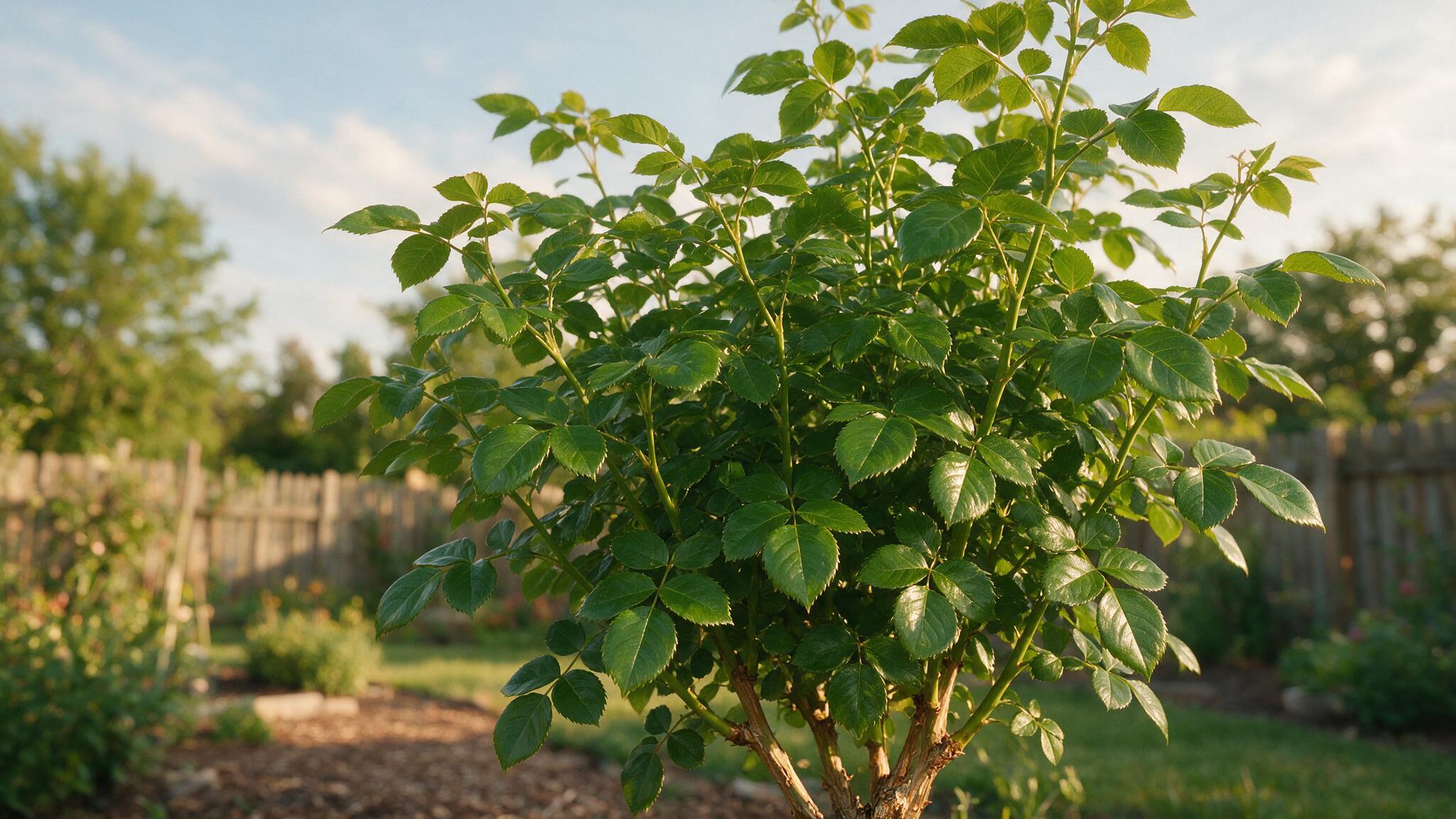
You planted your roses with care, you’ve been watering them, and they look green and healthy — so why aren’t there any flowers? It’s one of the most common and genuinely frustrating things that happens in American gardens, and the answer is almost never one single thing.
The good news is that most causes are fixable once you know what you’re actually looking at. This guide walks you through what’s happening to your rose right now, what’s normal versus what signals a real problem, the main trigger behind the lack of blooms, the factors that make it worse, what you can and cannot reverse, and how to set yourself up for a better season next year.
What’s Actually Happening to Your Rose Right Now
When a rose stops blooming, it’s not being stubborn — it’s redirecting energy. Roses don’t scream when something feels off. They simply stop producing flowers until conditions feel safe again. Understanding that principle makes every other cause easier to diagnose.
The first thing to check is whether your rose is supposed to be blooming right now at all. Once-blooming roses — species roses, old garden roses, and single-flush ramblers — bloom once per year, typically June through early July in most US zones. After that, they’re done. What you’re seeing in August is a normal cycle, not a failure.
If you have a repeat-bloomer, a mid-season pause is also completely normal. Between flush cycles, repeat-blooming roses often take four to six weeks to build energy for the next bloom. If the plant has been actively deadheaded, the soil nutrition is sound, and the sun is adequate, a mid-season lull is not a cause for concern — the next flush is forming.
You may also be dealing with what’s called “rose blindness.” Rose blindness is a disorder that diverts the plant’s energy so it cannot produce blooms. Flowering shoots develop normally but fail to develop a terminal flower bud. Leaf and stem growth can appear perfectly healthy, with no sign of dieback. The cause is unknown, but could be linked to environmental factors such as adverse weather conditions damaging the shoot tip or the plant being grown in an excessively shady area.
Pro Tip: Before troubleshooting, identify your rose type. Check the tag or look it up using a plant identification app — knowing whether you have a once-bloomer or a repeat-bloomer changes every decision you make.
Is This Normal, or a Sign Something’s Wrong?
Some situations look alarming but are completely expected. Others are genuine warning signs. Here’s how to tell them apart.
Likely normal:
- A newly planted rose that hasn’t bloomed yet. In its first growing season, the plant’s energy goes primarily underground — establishing roots deep enough to access soil moisture and nutrients consistently through summer heat and drought. Visible growth above ground is modest, and bloom production is minimal or, in some cases, absent entirely.
- A climbing rose in its first or second year. Climbing varieties, especially the New Dawn Climbing Rose or the Lady Banks Rose, often require two to three years to establish before they can produce their flower displays.
- A once-blooming rose that has finished its single annual flush and gone quiet for the rest of summer.
- A repeat-bloomer resting between cycles in mid-summer heat.
Worth investigating:
- A mature, established rose that bloomed reliably for years and has suddenly stopped.
- Shoots that look healthy but never form a bud — this is classic rose blindness.
- Lush, deep-green foliage with zero buds — often a nitrogen imbalance.
- A rose that leafs out beautifully and still fails to flower — the buds that would have bloomed may have been lost during winter.
- Buds that form but shrivel or drop before opening. Pests such as aphids, thrips, and spider mites can attack developing buds, causing them to shrivel or drop before they open.
A grafted rose adds one more variable. Like many hybrid tea and floribunda roses, hybrid tea climbers are grafted onto a hardy rootstock. If the graft union dies, the rootstock will take over and produce lush, often thornier growth with different flowers — or none at all. If your rose’s foliage or flower color has changed, this may be what happened.
The Real Trigger Behind Roses Not Blooming
If your roses are not blooming, the problem usually comes down to one of five core issues: sunlight, water, nutrition, pruning, or maturity. Of these, two tend to catch gardeners off guard the most: pruning timing and nitrogen overload.
Pruning at the Wrong Time
Wrong pruning timing is the most consequential and the most commonly misdiagnosed cause — once you cut a once-blooming rose at the wrong point in the season, you won’t get flowers back until next year. This is especially true for climbers and old garden roses.
Once-blooming roses — old garden roses, most ramblers, and traditional climbing roses — set their flower buds on canes that grew the previous year. This old wood carries latent buds that develop into the spring and early summer display. If you pruned those canes in late autumn or early spring, you removed this season’s flowers before they had a chance to open.
Repeat-bloomers work the opposite way. Repeat-blooming roses — hybrid teas, floribundas, and grandifloras — flower on the current season’s new growth. For these, late-winter pruning, just as buds begin to swell, roughly February through April depending on your USDA zone, is correct. Hard pruning drives the vigorous new canes that produce the best flowers.
Too Much Nitrogen
Perhaps the most common reason for roses not blooming properly is too much nitrogen as a result of high-strength or high-frequency fertilizer use. All plants require nitrogen, phosphorus, and potassium to grow well, but an overabundance of nitrogen in the soil promotes foliage growth at the expense of flowers.
The visual clue is hard to miss: if your rose looks like it belongs in a leaf catalog — lush, soft, deep green, and still no buds — nitrogen is usually involved. Some gardeners also use lawn fertilizer near roses, which is often too nitrogen-heavy for flowering shrubs.
The fix is straightforward. Switch to a fertilizer with a significantly higher phosphorus and potassium ratio, such as 5-10-10. These elements signal the plant to produce buds and blooms. According to Blooming Expert , one non-negotiable timing rule applies to all rose types: stop all feeding after mid-August. Nitrogen applied late in the season pushes soft new growth that won’t harden before frost, leaving the rose vulnerable to winter damage and setting up another bloom-free spring.
Not Enough Sun
Roses bloom best when planted in full sun — at least six hours of sun per day. Roses in too much shade have fewer blooms and a more spindly appearance as the plant grows leggy searching for more light. Many American backyards look sunny but have pockets of “bright shade” that aren’t the same as direct sun.
According to the Heirloom Roses blog, you should observe your garden’s sunlight patterns throughout the day. If needed, prune back nearby shrubs or low-hanging tree branches. If the location is permanently too dark, the most effective solution is to carefully transplant the rose to a sunnier spot during its dormant season.
Inconsistent Watering
Inconsistent watering stresses the rose. Severe drought causes the plant to drop buds and halt blooms to conserve resources. Conversely, constantly soggy soil suffocates the roots, preventing them from drawing up the oxygen and nutrients required for flower production.
A rose may set buds, then drop them when water levels swing too sharply. Water deeply rather than frequently and shallowly. Aim for about one inch of water per week, more in hot weather or sandy soil. The Gardening Know How team notes that the University of Illinois Extension advises that roses need at least one inch of water per week for strong root development.
Other Factors That Can Speed It Up or Make It Worse
Once the main trigger is in play, several secondary factors can pile on and deepen the problem. Knowing these helps you understand why one rose in your yard may struggle while another thrives just a few feet away.
Soil pH Out of Range
Begin the growing season with a soil test to make sure that the soil pH is in a range that allows the rose plant to take up the nutrients it needs. Roses prefer to grow in soil with a pH between 6 and 6.5. If the pH level is off target, any fertilizer you add will be less effective because the pH locks nutrients in the soil.
If your soil is too alkaline, adding compost or peat moss can help lower its pH, making nutrients more available to the roots. Your local cooperative extension office can test your soil and give you specific amendment recommendations for your region — a worthwhile step before spending money on fertilizer. You can also explore a broader range of plant types that may suit your soil conditions better if pH correction proves difficult.
Pests Attacking the Buds
The most common insect pest that compromises a rose’s blooms is the aphid. These small green insects feed on the sap of roses and are particularly attracted to developing buds, which is why they are such a problem. Aphids cause damage to the leaves and flowers, which can contort their growth and cause a poor display.
Aphids are especially problematic for roses with an excess of nitrogen fertilizer, as the nitrogen increases the amount of sap and softens the plant tissue so that the sap is more easily accessible to the aphids. Beyond aphids, fungal diseases like black spot, powdery mildew, and botrytis blight can also weaken plants and reduce their ability to produce flowers.
To manage pests without wiping out beneficial insects, spray the rose targeting the buds with an organic insecticidal soap, and encourage a good garden ecosystem rather than using chemical pesticide spray, which indiscriminately kills beneficial insects like ladybugs that naturally control the aphid population.
Missed Deadheading
Not deadheading when necessary is one of the biggest mistakes that lead to roses not blooming. Removing the dead heads means that the rose directs its energy into producing more flowers. For repeat-bloomers, this one habit makes a noticeable difference across the entire season.
For hybrid tea roses, snap the faded flower off just below the head — this faster technique encourages the next bloom more quickly. For shrub and other types, cut to just above the first outward-facing, five-leaflet leaf. One exception: species roses, ramblers, and many shrub roses grown specifically for their ornamental autumn hips should not be deadheaded, as doing so removes a main feature of the plant.
Environmental Stress and Extreme Heat
Extreme temperatures, drought, or prolonged rainy periods can stress rose plants, causing them to halt flower production. Roses thrive in mild, consistent conditions with well-drained soil and moderate moisture levels. In the American South and Southwest, summer heat waves are a common culprit for mid-season bloom shutdowns that gardeners often misdiagnose as a fertilizer problem.
If temperatures have been in the mid to high 90s for several days, roses can easily become stressed due to the heat, and a lack of water makes that stress ten times worse. A two- to three-inch layer of organic mulch around the base of the plant (kept away from the canes) helps regulate soil temperature and retain moisture during heat events.
Pro Tip: Lawn weed-and-feed products applied near roses are a sneaky cause of bloom failure. According to the New York Botanical Garden , a common source of trouble is lawn weed-and-feed products distributed on nearby grass that either stray onto rose roots or are carried there by water. Air currents can also move spray products.
Can You Reverse It?
Honest answer: it depends on the cause. Some situations respond quickly; others have already closed the window for this season.
What you can fix this season:
- Nitrogen overload — Stop any nitrogen-heavy fertilizer, apply a phosphorus-forward formula like 5-10-5, and give the plant four to six weeks. You should see bud formation resuming, though you may not get a full flush until the next natural bloom cycle.
- Aphids and soft pests — Knock them off with a strong water spray or treat with insecticidal soap. Blooms can recover within a few weeks once the pressure is removed.
- Rose blindness on a few shoots — Cut the blind shoot back halfway to a healthy outward-facing bud, and the plant typically responds with late-season blooms within four to six weeks.
- Missed deadheading on a repeat-bloomer — Start now. The plant will redirect energy toward new buds relatively quickly.
What you cannot undo this season:
- Wrong pruning timing on a once-bloomer — If you pruned your rambler or old garden rose in late winter, those buds are gone. The plant is fine; you simply won’t see flowers until next year. Just give the plant a year to recover and it should be fine.
- A failed graft union — If the graft union dies, the rootstock will take over and produce lush, often thornier growth with different flowers, or none at all. You can keep the plant if you like the rootstock’s growth, but the rose you purchased is gone.
- Winter bud damage already done — If winter damage is the cause, the plant may recover on its own once weather stabilizes. The key is not to mistake temporary damage for permanent loss. But the blooms for this cycle are not coming back.
- A rose past its productive life — Some roses reach a point where they bloom less each year even with good care. Try rejuvenation pruning — remove up to two-thirds of old wood. If it still declines, replacing it can be the kindest, smartest choice.
The most important thing to remember: a non-blooming rose is rarely a dead rose. Most of the time, the plant is healthy and simply needs one or two conditions corrected. Check out the different types of roses available if you decide a fresh start with a more suitable variety makes sense for your yard.
How to Prevent It Next Season
Prevention is much easier than diagnosis, and a handful of consistent habits will carry you through most seasons without a bloom failure. Here’s what to put in place before next spring.
Get a Soil Test First
This single step prevents more problems than any other. Send a soil sample to your cooperative extension diagnostic lab to get an accurate reading and good advice on what additions should be incorporated. Then amend the soil around the base of the roses with organic compost or well-rotted manure to condition it, adding both texture and a complex system of soil components that support healthy rose growth.
Match Your Pruning to Your Rose Type
Write this down and put it somewhere you’ll see it in late winter:
- Repeat-bloomers (hybrid teas, floribundas, grandifloras): Prune after the worst of winter weather has passed and before growth begins. Roses that only bloom once a year are typically pruned after the flowers fade.
- Once-blooming climbers, ramblers, and old garden roses: Prune immediately after flowering — late June or July for most US zones — and you’ll see the display return the following year.
- Pruning too late in the season can reduce the number of flowers you’ll have next year and risk damage to the health of the plant. Pruning stimulates new growth, and tender growth at the end of the season is at greater risk of winter damage.
Feed Strategically, Not Generously
Fertilize roses each month from April through September for increased quality and quantity of blooms. The key word is balance. Continue to feed every two to four weeks during the growing season depending on the type of fertilizer used. In late summer to early fall, apply a slow-release fertilizer with low nitrogen content such as bone meal to promote root growth and next year’s blooms. Stop fertilizing six to eight weeks before your average first frost date to prevent new growth from being damaged by frost.
For an organic boost, alfalfa is one of the best overall organic amendments, resulting in more vigorous growth and increased bloom production. You can find it as alfalfa meal or pellets at most garden centers.
Protect Canes Before Winter
Mulch the base of the plant before hard freezes. Protect exposed canes in windy or very cold sites. Wait until spring to prune out dead wood so you can see where living tissue begins. Choose cold-hardy varieties for exposed locations. In USDA zones 5 and colder, this step alone can be the difference between a full bloom season and a spring full of blind shoots.
Space and Site Thoughtfully
It is best practice to plant roses around three feet apart to ensure each rose has enough light and energy to bloom, and to reduce the risk of fungal disease by increasing airflow around the foliage while giving you space to move around the rose for pruning and regular deadheading.
If you’re starting fresh with a new planting, consider disease-resistant varieties suited to your region. Gardeners in the South and Southwest dealing with deer pressure can cross-reference deer-tolerant plants to find varieties less likely to be browsed before they bloom. Those in Florida and other warm-climate states may also benefit from reviewing drought-tolerant plants to find companions that won’t compete aggressively with roses for water.
Pro Tip: According to Garden Design , if sticking to a regular fertilizer schedule seems impractical, you can still grow beautiful roses by choosing low-maintenance varieties. Landscape roses are a simple way to add lots of color to your garden. Unlike hybrid teas, these resilient plants don’t require extensive fertilizing or other care — simply apply a controlled-release fertilizer in early spring.
FAQ
My Rose Has Lots of Green Leaves but Zero Flowers. What’s Wrong?
This is the clearest sign of nitrogen overload. If you have a giant rose with no blooms, it’s likely getting too much nitrogen. You can fix this by amending the soil from elsewhere in your garden to cut down on the nitrogen content in that area. Switch to a bloom-booster fertilizer with higher phosphorus and potassium, and stop all feeding after mid-August.
My Climbing Rose Bloomed Last Year but Nothing This Year. What Happened?
Almost always, this is wrong pruning timing. If you pruned it in autumn or late winter, you removed the old-wood canes carrying this season’s buds. Prune climbing and rambling roses immediately after flowering next year — late June or July for most US zones — and you’ll see the display return.
Is Rose Blindness a Disease? Should I Spray Something?
Rose blindness is a developmental disorder, not an infection or pest problem. No spray will fix it. Cut the blind shoot back halfway to a healthy outward-facing bud, and the plant typically responds with late-season blooms within four to six weeks.
How Long Does It Take for a Newly Planted Rose to Bloom?
Bare-root roses planted in spring produce first blooms eight to twelve weeks after planting, but these are sparse compared to what’s coming. Full, mature bloom production — the display that matches the catalog image — usually arrives in year three. By year three, with correct care, you should see the performance you planted it for.
My Buds Are Forming but Not Opening. What Does That Mean?
A few things can cause this. Bud balling — where outer petals bind together in wet weather and prevent the flower from opening — is one possibility. The outer petals of a flower bind together as they begin to open, resulting in the flower becoming “balled.” If only a few roses are involved, it’s a relatively simple job to carefully peel away the outer petals, leaving the flower free to bloom fully. Also check for phosphorus deficiency: according to Jackson & Perkins , if your rose is producing buds but they’re not opening, it’s probably a sign that your rose doesn’t have enough phosphorus.
Can I Move My Rose to a Sunnier Spot?
Yes — and if shade is the problem, it’s often the only real fix. The best time to transplant roses is in the spring and fall, when temperatures are cool enough to make the transition smoother. Avoid moving roses during the heat of summer, and keep the transplanted plant well watered until it re-establishes. You can use a plant identification app to research your specific variety’s sun requirements before you dig.