Orange Tree Leaves Curling: Causes, Fixes, and Prevention Tips

September 2, 2026
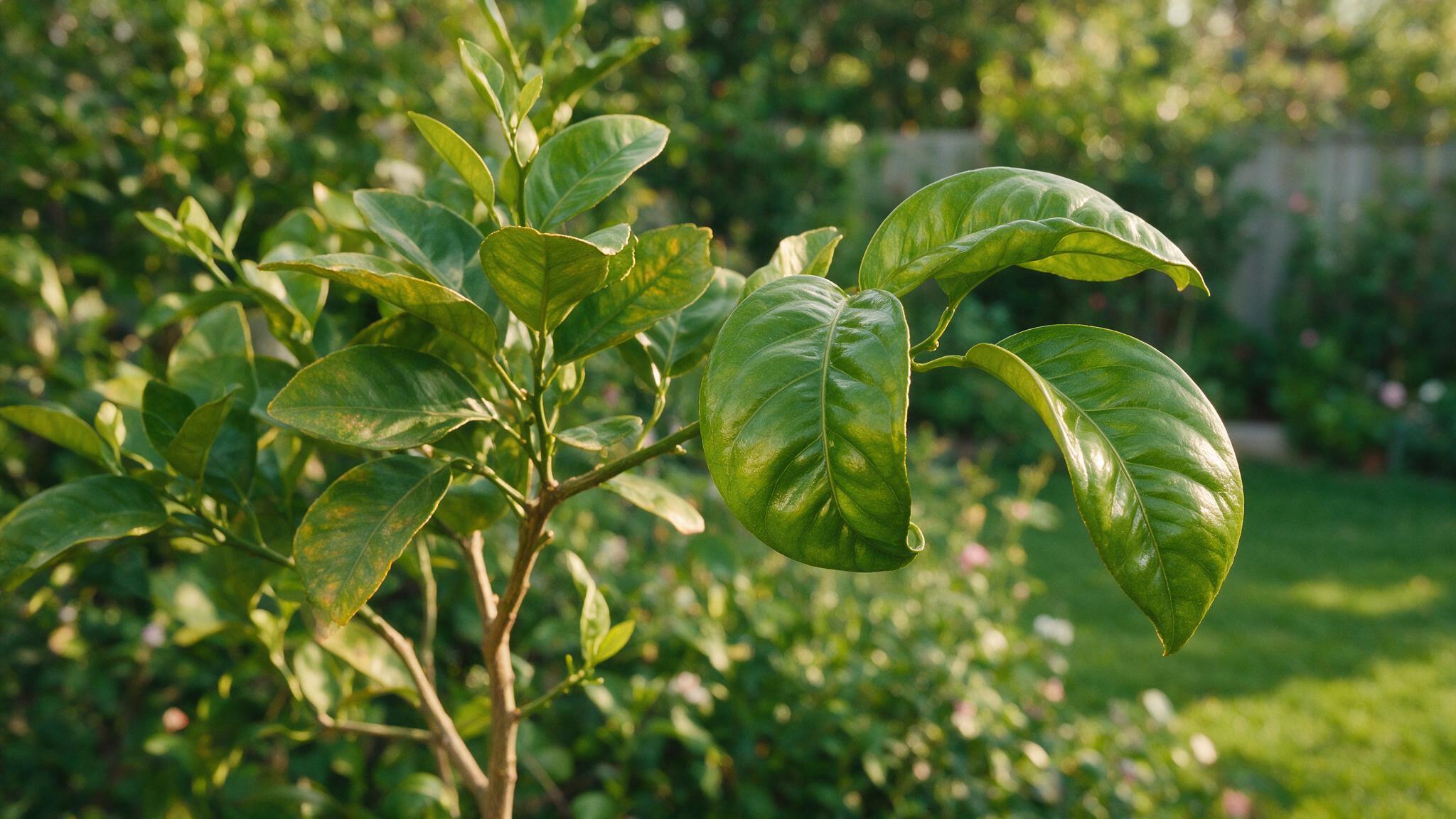
You step outside to check on your orange tree and notice the leaves are curling. It is one of those plant problems that feels urgent, and for good reason — leaf curling on an orange tree is not a disease in itself but rather a physical symptom indicating the plant is under stress and attempting to protect itself. The good news is that once you understand what is driving the curl, fixing it is usually straightforward.
Orange trees are a beloved fixture in American backyards, patios, and even sunny living rooms from California to Florida and the Gulf Coast. Whether yours is growing in the ground or in a container, curling leaves are a signal worth taking seriously. This guide walks you through every major cause, how to diagnose the problem, and exactly what to do about it.
What Does It Mean When Your Orange Tree Leaves Are Curling?
Leaf curling on an orange tree is a physical symptom indicating the plant is under stress and attempting to protect itself — often a defense mechanism such as minimizing the leaf’s surface area to slow down the rate of water loss or to shield tender new growth from environmental threats. Think of it as your tree sending a distress signal rather than suffering from a specific illness.
Diagnosing the exact cause requires careful observation, as the type of curl provides a specific clue about the underlying issue affecting the orange tree. The direction of the curl matters a great deal. When the tree is under-watered, the leaves curl inward along their length, taking on a tight, taco-like shape. A downward curl where the edges of the leaves shrivel facing downward is a sign your citrus tree is suffering from potassium deficiency.
There are four major reasons for leaf curl in orange trees: pests, disease, water stress, and weather. Paying attention to the shape, color, and location of the curling leaves will point you toward the right solution before you spend time or money on the wrong fix.
Pro Tip: Before treating your orange tree, take a photo of the curled leaves from both the top and underside. Note whether the curl is upward, downward, or inward — and whether the leaves are still green, yellowing, or browning. This single observation will cut your diagnosis time in half.
Is Leaf Curling in Orange Trees Always a Sign of a Problem?
Not always. Some curling is completely normal, and knowing the difference will save you unnecessary worry. Sometimes orange foliage will cup downward in the late fall or early winter, which is normal and nothing to worry about, since new growth will emerge with ordinary shaped leaves in the spring.
Leaf curling is the tree’s way of reducing stress, and when conditions improve, healthy new growth usually returns. If your tree is otherwise healthy — producing new shoots, holding its color, and not dropping leaves in large numbers — mild seasonal curling during a heat wave or cold snap is not cause for alarm.
That said, if your orange tree’s leaves are curling inward, upward, or dropping suddenly, do not panic — these symptoms are common and usually reversible once the underlying cause is addressed. The key is to look at the full picture: the direction of the curl, any color changes, and what the weather and care routine have looked like recently.
Watering Issues Causing Orange Tree Leaf Curling
Drought stress is the most common cause of leaf curl in citrus, and it is also the easiest to identify and remedy. Underwatering causes leaves to curl inward to reduce moisture loss. You can tell that the citrus leaf curl is caused by drought stress because the leaves will remain green as they curl. Check the soil at the base of the tree — if it is dry a few inches down, more water is the answer.
Overwatering can be just as damaging, suffocating roots and limiting nutrient uptake, and both conditions can result in curled leaves followed by leaf drop. Orange trees prefer deep watering followed by a brief drying period, and constantly wet soil or frequent shallow watering stresses the root system.
The water demand of an orange tree is higher than many gardeners expect. As an example, an orange tree with a 14-foot canopy needs 29 gallons of water a day in July when it is dry. Container-grown trees dry out even faster, so checking soil moisture every day or two during summer in states like Texas, Arizona, or Florida is not excessive.
Pro Tip: Push a finger or a wooden dowel two inches into the soil near the root zone. If it comes out dry and clean, it is time to water. If it comes out damp and dark, hold off for another day or two.
Light Conditions Behind Orange Tree Leaf Curling
Orange trees need full sun — typically six to eight hours of direct sunlight daily — but too much intense, unfiltered sun during summer can push them into stress. Citrus is susceptible to sunburn, which will cause leaves to curl as well as peppering fruit with yellow or brown blotches. Curling citrus leaves with yellow, brown, or grey spots may be sunburned, and this usually occurs on outer leaves exposed to the longest periods of direct sunlight during warm-to-hot weather, usually on the south and west sides of trees.
For potted orange trees kept indoors or on a patio, insufficient light can also cause stress that leads to curling. Orange trees thrive on stability, and sudden changes in temperature, light, or humidity can trigger leaf curling. Moving a container tree from a shaded porch to full afternoon sun without a gradual transition period is a common mistake that results in scorched, curled leaves.
If sunburn is the culprit, young trees benefit from temporary shade cloth during peak afternoon heat — especially in hot, dry US climates like Southern California, Nevada, or Arizona. Established in-ground trees typically adapt on their own once well-watered and mulched. You can learn more about choosing the right types of plants suited to your local light and climate conditions before adding new trees to your yard.
Soil, Nutrients, and Root Health Causing Orange Tree Leaf Curling
Nutrient stress is a major contributor to curling orange tree leaves. Low potassium can affect leaf structure and water regulation, while magnesium deficiency often causes yellowing between veins before leaves curl or drop. This is especially common in potted trees or sandy soils where nutrients leach quickly.
Curling can be a secondary symptom of specific nutritional imbalances, often presenting alongside chlorosis. Magnesium deficiency typically causes a distinct inverted V-shaped pattern of green near the base of the leaf while the areas between the veins turn yellow, and this deficiency often causes older leaves to curl upward at the edges because magnesium is a mobile nutrient — the tree pulls it from older foliage to support new growth.
Soil pH is another factor that US growers often overlook. The soil’s pH level plays a role in nutrient availability, and if the soil is too alkaline, it can lock up micronutrients like iron and zinc even if they are physically present — when the tree cannot absorb these elements, it struggles to produce chlorophyll, resulting in stunted, yellowed, and sometimes distorted or curled leaves. Orange trees prefer a slightly acidic soil pH of 6.0 to 7.0. To treat leaf curl that comes with yellow discoloration, correct the soil pH to 6.0–7.0 and feed the plants with enough fertilizer, preferably one containing more potassium.
| Deficiency | Leaf Symptom | Recommended Fix |
|---|---|---|
| Magnesium | Yellowing between veins, older leaves curl upward | Apply Epsom salt (magnesium sulfate) around the base |
| Potassium | Leaf tips yellow and curl downward | Use a citrus-specific fertilizer with added potassium |
| Iron / Zinc | New leaves pale, distorted, or curled | Correct soil pH; apply chelated micronutrient spray |
| Nitrogen | General yellowing and weak growth | Apply balanced citrus fertilizer in spring and summer |
One disease that citrus plants — especially those in pots — can be susceptible to is root rot, which occurs when your plant is overwatered or placed in a spot with poor drainage. Root rot prevents the tree from absorbing water and nutrients normally, so the leaves curl even when the soil appears moist. If you suspect root rot, inspect the roots for dark, mushy tissue. To remedy root rot, trim off the damaged roots of the plant, remove any roots that are dead or blackened, and rinse the remaining roots before planting it back in fresh soil.
Environmental Stress Triggering Orange Tree Leaf Curling
Orange tree leaves curl with extreme hot or cold weather or major swings in temperature of 30°F or more. Orange trees generally grow in temperatures between 35°F to 90°F and can get stressed if their temperature falls outside of this range. For the best chance of growth and preventing leaf curling, keep your orange trees within 60°F to 80°F if possible.
Extreme heat stress causes a similar tight, longitudinal curling as under-watering, as the tree acts to deflect intense solar radiation and prevent the leaf tissue from burning. Sudden temperature shifts, particularly cold snaps, can also trigger a protective curl, and the leaves may curl and turn brown or black at the tips due to cellular damage from freezing, especially on the outer canopy.
Wind is another underrated stressor. Wind burn is a potential cause of citrus leaf curl, and if you notice your plant being blown about, try moving it to a spot that is more sheltered from the wind. In the US, this is a common issue for orange trees on exposed patios or hillsides in coastal regions. Humidity levels also play a role in leaf health — the optimal humidity for sweet oranges is between 50% and 70%, and low humidity can lead to leaf curling and browning tips.
If an orange tree was recently planted or repotted and now has curled leaves, it is likely due to transplant shock — a condition that occurs when the plant is exposed to a new environment and has to establish a new root system. Avoid transplanting unless necessary, as it can take up to one year for recovery.
Pests and Disease Leading to Orange Tree Leaf Curling
Citrus leaf curl is caused by pests, extreme heat or cold, diseases, underwatering, and nutrient deficiency. Aphids, mealy bugs, scales, and mites damage the leaves of citrus trees, making them shrivel and curl. Pests are one of the more visible causes — if you look closely at the undersides of curled leaves and spot tiny insects, sticky residue, or fine webbing, insects are likely the culprit.
The sweet orange tree (Citrus sinensis) is particularly vulnerable to several sap-sucking insects. Aphids are a primary concern — signs of an aphid infestation include sticky residue (honeydew), curled leaves, and distorted growth. Spider mites are another pest to watch for, leaving fine webbing on leaves and causing stippling and curling.
The citrus leaf miner is one of the most common culprits, causing new leaves to appear tightly curled, twisted, and distorted — this damage occurs when the larva tunnels just beneath the leaf surface of tender new flush, leaving a silvery, winding trail that prevents the leaf from expanding normally.
Disease is another serious category. Both bacterial blast and botrytis disease result in leaf curling. Bacterial blast begins with black spots on the petiole and moves on to the axil, and eventually the leaves curl, wither, and drop. Citrus canker, a bacterial disease, manifests as scabby lesions on fruit, leaves, and twigs surrounded by a yellow halo — unlike damage from weather or physical injury, canker lesions are raised. If you spot these, it is time to report to agricultural officials, especially in regions like California where the disease is considered exotic.
In the US, Asian citrus psyllid is a major concern because it spreads Huanglongbing (citrus greening disease). This disease is characterized by leaf mottling, yellowing across veins, and stunted growth, and it can be devastating, leading to bitter-tasting fruit and tree decline. If you grow citrus in Florida, Texas, or California and notice these symptoms, contact your local agricultural extension office immediately. You can also explore plant identification apps to help document symptoms before reaching out to an expert.
Important Note: Citrus greening disease (HLB) and citrus canker are regulated diseases in many US states. Do not move plant material across state lines if you suspect either disease. Contact your state’s Department of Agriculture for guidance.
How to Diagnose Why Your Orange Tree Is Curling
Diagnosing curling leaves is a process of elimination. Work through the following steps systematically rather than guessing and applying multiple treatments at once.
- Observe the curl direction. Inward, taco-shaped curl typically signals underwatering or heat stress. Downward curl at the tips points to potassium deficiency. Twisted, distorted new growth suggests leaf miners or psyllids.
- Check the leaf color. Look for visual signs like curling, yellowing, or browning of leaves, which indicate stress. Green curled leaves usually mean water or temperature stress. Yellow curled leaves suggest a nutrient issue or overwatering.
- Inspect the undersides of leaves. To identify if an insect infestation could be the cause, take a look at the underside of affected leaves. Look for tiny bugs, webbing, honeydew residue, or silvery trails.
- Check the soil. Push a finger two inches into the soil. Bone dry means underwatering; soggy and foul-smelling may indicate root rot from overwatering.
- Review recent changes. Check the soil, assess your watering habits, and consider environmental factors. A recent repot, fertilizer application, cold snap, or heat wave can all trigger curling.
- Look at which leaves are affected. Magnesium deficiency often causes older leaves to curl upward at the edges. Pest damage from leaf miners tends to affect only the newest flush of growth.
How to Fix an Orange Tree That Is Curling
Once the cause is identified, correcting leaf curl is usually straightforward — focus on stabilizing the tree rather than forcing rapid growth. Here is a practical action plan organized by cause.
For underwatering: Water slowly and deeply at the driplines of the trees, preferably using chlorine-free water. Mature citrus trees in dry soil may need 12 hours or more of watering with a hose on a slow trickle at one or more locations around the trees to resolve drought stress.
For overwatering and root rot: Stop watering immediately and allow the soil to dry out. Improve drainage by amending the soil with perlite or coarse sand. If you are dealing with heavy soil, consider amending it with organic matter to improve drainage and prevent root rot. For potted trees, check that drainage holes are clear and unobstructed.
For nutrient deficiencies: Using a balanced fertilizer, such as NPK 10-10-10, during the growing season can help restore health. If magnesium deficiency is suspected, incorporate Epsom salt into your regimen — just 1 tablespoon per gallon of water can make a significant difference. Always test soil pH before amending. You may need to add lime to raise the pH or sulfur to lower it, but test your soil first.
For heat and environmental stress: During extreme heat, provide afternoon shade to reduce stress on your orange tree. Mulch the soil and increase watering frequency during extreme heat. For cold snaps, cover canopies with cloth or plastic sheets overnight to protect them from mild frost.
For pest infestations: Control methods for aphids include using insecticidal soap or introducing beneficial insects like ladybugs. For aphids, insecticidal soap is a reliable option — apply it every 7–10 days until the pests are gone. For spider mites, mix 2 tablespoons of neem oil per gallon of water and spray in the evening for best results.
For fungal and bacterial disease: To combat bacterial blast, apply copper spray to the infected orange. During rainy springs, applying organic copper spray every 10 days discourages both bacterial blast and botrytis. Remove and dispose of infected plant material rather than composting it. For tips on keeping your plants healthy overall, the types of trees guide covers general tree care principles that apply to citrus as well.
Pro Tip: Avoid heavy pruning or applying fertilizer to a tree that is already stressed from leaf curl. Avoid heavy pruning or over-fertilizing stressed trees — healthy new growth is a better indicator of recovery than saving damaged leaves.
How to Prevent Orange Tree Leaf Curling Going Forward
Prevention is far easier than treatment. A consistent care routine eliminates most of the conditions that trigger leaf curl in the first place.
- Water deeply and consistently. A great way to control and stabilize how much water your citrus trees get is to install irrigation or timed sprinklers so they have a consistent water source.
- Mulch the root zone. Cover most of the soil surface under citrus trees with up to 2 inches of coarse mulch extending past the driplines, but avoid placing mulch within a foot of the trunk of mature trees.
- Feed on a schedule. A seasonal fertilization schedule can make a significant difference — fertilize in early spring and late summer to support optimal growth and resilience against stressors.
- Prune for airflow. Citrus trees benefit from regular pruning to enhance airflow, promote photosynthesis, and stimulate growth. If left unpruned, your tree will be more susceptible to the spread of diseases from contaminated soil and other infected leaves.
- Monitor weekly. Regular monitoring is essential for the health of your orange tree — inspect the leaves weekly for any signs of pests or diseases to catch issues early.
- Protect from temperature extremes. Keep your potted citrus trees where the temperature range is between 60–90°F to prevent leaf damage. In colder US regions, bring container trees indoors before the first frost.
- Test your soil annually. A simple soil test from your local cooperative extension service will flag pH and nutrient problems before they show up as curled leaves. Most US states offer low-cost testing through their land-grant university extension programs.
Pairing good cultural practices with regular observation gives your orange tree the best chance of staying healthy year-round. If you enjoy growing fruit trees and edible plants, you might also find it useful to explore companion planting strategies that can support overall garden health. For those curious about the nutritional payoff of all that effort, check out the amazing reasons to eat an orange every day — it is a good reminder of why your tree is worth caring for.
Frequently Asked Questions
Why are my orange tree leaves curling inward?
When the tree is under-watered, the leaves curl inward along their length, taking on a tight, taco-like shape — this action minimizes transpiration, conserving the plant’s limited moisture supply by reducing the surface area exposed to the sun and air. Heat stress can produce the same tight inward curl, so check both soil moisture and recent temperatures before deciding on a fix.
Can an orange tree recover from leaf curl?
Yes — if the underlying issue is fixed, new healthy leaves usually emerge within weeks. Focus on correcting the root cause rather than removing the curled leaves. Do not remove curled leaves manually — let the tree drop damaged leaves naturally and focus on correcting care conditions.
Is leaf curl on orange trees always caused by pests?
Leaf curl is not always caused by pests — most cases are related to watering, nutrition, or environmental stress rather than insects. That said, always check the undersides of leaves for signs of insect activity as part of your diagnosis.
How do I tell the difference between underwatering and overwatering leaf curl?
Drought-stress leaf curl can be identified because the leaves will remain green as they curl. Overwatered trees often show yellowing alongside the curl, and the soil will feel wet or smell musty. Root rot — a consequence of overwatering — may also cause wilting that does not respond to additional water.
What should I do if I suspect citrus greening disease?
Citrus greening is characterized by leaf mottling, yellowing across veins, and stunted growth, and it can be devastating, leading to bitter-tasting fruit and tree decline. If you suspect it, do not attempt to treat it yourself. Contact your state’s Department of Agriculture or your local cooperative extension office right away, as this is a regulated disease in most citrus-growing US states.
How often should I fertilize my orange tree to prevent leaf curl?
Use a balanced citrus fertilizer during active growth to prevent nutrient-related stress. For most US climates, that means feeding in early spring, early summer, and early fall — and skipping fertilizer during winter dormancy or when the tree is already stressed.