Why Are My Carrot Tops Turning Yellow? Causes, Fixes, and Prevention

August 25, 2026
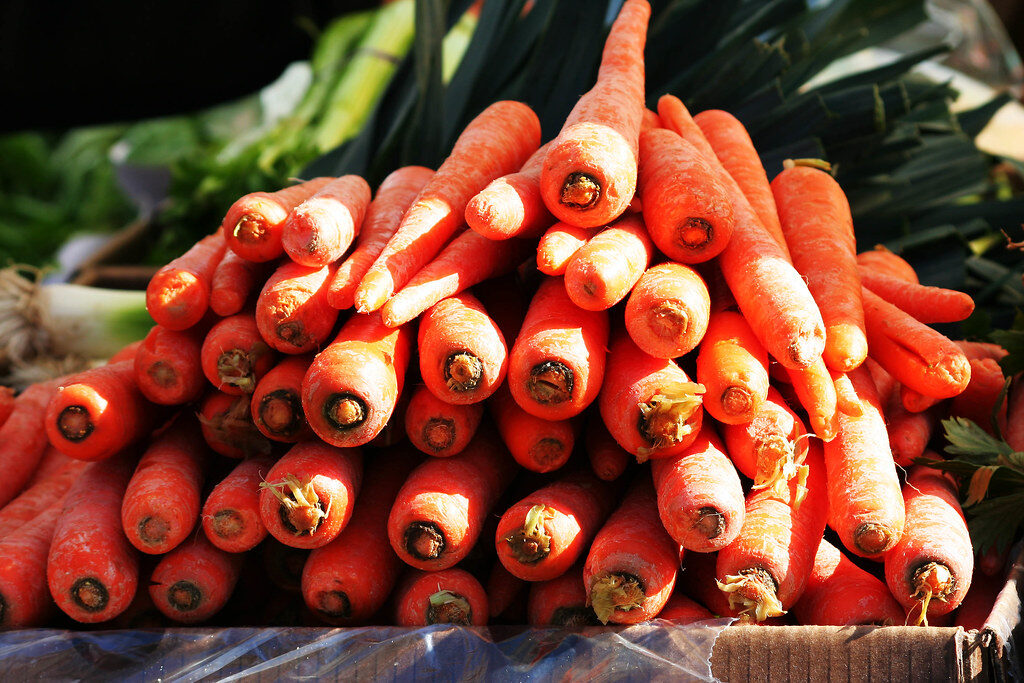
You step outside to check on your carrot patch, and instead of a bed of lush, feathery green tops, you find a sea of yellow. It’s frustrating — especially when the roots below look perfectly fine. Yellowing carrot tops are one of the most common complaints among home gardeners across the United States, and the good news is that most causes are fixable once you know what you’re looking at.
The challenge is that yellow tops can point to a wide range of problems, from something as simple as inconsistent watering to a more serious disease like aster yellows. This guide walks you through every possible cause, how to tell them apart, and exactly what to do to get your carrot patch back on track.
What Does It Mean When Your Carrot Tops Are Turning Yellow?
Carrot tops turning yellow is a symptom called chlorosis — the loss of green pigmentation in leaves. Leaves turn yellow when they lose chlorophyll, the pigment responsible for the green color and essential for photosynthesis. When your carrot foliage can’t produce enough chlorophyll, you’ll see that familiar fade from bright green to pale yellow.
In carrots (Daucus carota), the tops are the plant’s primary engine for photosynthesis. They pull energy from sunlight and convert it into the sugars that feed root development. When the tops struggle, the roots often follow. Yellowing carrot leaves are a sign that something is awry beneath the soil.
The tricky part is that yellowing alone doesn’t tell you which problem you’re dealing with. The pattern of yellowing — where it starts, how fast it spreads, and what other symptoms appear alongside it — gives you the real clues. Chlorosis often starts in specific parts of the plant depending on which nutrient is missing — older leaves or newer growth — which helps pinpoint the deficiency.
Is Yellowing in Carrot Tops Always a Sign of a Problem?
Not always. A small amount of yellowing on the oldest, lowest leaves of a mature carrot plant can be perfectly normal. As plants age, they redirect resources away from older foliage toward new growth and root development. A few yellow leaves at the base of an otherwise healthy, vigorous plant are usually nothing to worry about.
Yellowing can also appear naturally as carrots approach harvest maturity. Carrots should be ready for harvest about 60–80 days after sowing seeds, depending on the variety. If your tops are starting to yellow right around that window and the roots look good, it may simply be time to harvest rather than time to troubleshoot.
However, if the yellowing is widespread, spreading rapidly, appearing on new growth, or accompanied by wilting, spots, or stunted roots, that’s a different story. Those patterns point to a real problem that needs attention.
Pro Tip: Before assuming the worst, check how old your carrot plants are. A few yellow lower leaves on a plant that’s 60-plus days old and otherwise healthy often means harvest time is near — not that something is wrong.
Watering Issues Causing Carrot Top Yellowing
Water issues — either too much or too little — are the leading reason behind yellow leaves. For carrots specifically, both extremes create problems that show up in the foliage before you ever see trouble in the root.
Overwatering is the more common culprit in American home gardens. When your plant’s soil is overly wet, roots can’t breathe. They suffocate, shut down, and stop delivering the water and nutrients plants need. You’ll often see the tops go limp and yellow at the same time, and the soil will feel soggy or have a sour smell.
Underwatering produces a different pattern. If you notice your plant has yellow leaves that are curling inwards and the soil is dried out or pulling away from the edges, it’s likely under-watered. With carrots, drought stress also causes the roots themselves to become tough, forked, or stunted as the plant conserves resources.
Every week, give your carrots at least an inch’s worth of water to help them thrive. The goal is consistently moist — not wet, not bone dry. Watering your carrots is less about sticking to a rigid schedule and more about feeling the soil’s vibe. If the top inch is dry, it’s time to water.
Poor drainage compounds both problems. An excess of watering may also cause yellowing leaves on plants. When it rains, soils with poor drainage, like clay soils, may become densely packed and saturated, preventing oxygen from reaching the soil’s surface. If your garden has heavy clay soil, raised beds or soil amendments are worth considering.
Light Conditions Behind Carrot Top Yellowing
Carrots are sun-loving vegetables, and insufficient light is a surprisingly common cause of pale, yellowing tops — especially for gardeners growing in partially shaded spots or under trees. Carrots require full sun to part sun, ideally at least six hours of direct sun. When they get less than that, photosynthesis slows, chlorophyll production drops, and the foliage fades.
Select a location in the garden that has full sun for growing carrots. Ideally, the plants should receive 6–10 hours of sunlight each day. Carrots grown in less sun will not produce robust roots, which is the part of the plant we harvest and enjoy.
On the flip side, too much intense afternoon sun during a heat wave can also stress the plant. Regularly monitor your carrots for signs of distress, such as leaf yellowing or wilting, and tweak their light exposure as needed. During peak summer heat, consider providing partial shade to prevent stress and sunburn.
If your carrot bed is shaded by a fence, building, or neighboring plants for more than half the day, that’s the first thing to address. Relocating the bed or thinning overhead obstructions can make a significant difference. You can also check out low-light plant options if your space simply doesn’t get enough sun for carrots.
Soil, Nutrients, and Root Health Causing Carrot Top Yellowing
Nutrient deficiencies are a major driver of yellow carrot tops, and the pattern of yellowing tells you a lot about which nutrient is missing. Direction of yellowing matters: bottom-up suggests a mobile nutrient like nitrogen or magnesium; top-down points to an immobile nutrient like iron or calcium.
Here’s what to look for with the most common deficiencies:
- Nitrogen: Nitrogen deficiency shows up as a general yellowing. Older leaves closest to the stem turn yellow first. Nitrogen moves through soil easily and leaches away with rain and irrigation, making it the most common deficiency in vegetable gardens.
- Iron: Yellowing between the veins while veins remain green is a classic sign of iron deficiency. This typically shows up on newer, younger leaves first.
- Magnesium: Magnesium shortage has older leaves turning yellow at the edges. A foliar spray of Epsom salt (magnesium sulfate) can provide a quick fix.
- Potassium: When the edges start to yellow, it’s a magnesium or potassium issue. Potassium deficiency often causes leaf margins to scorch and curl.
Soil pH plays a big role in whether your carrot plants can actually access nutrients, even if those nutrients are present. Carrots enjoy a pH of 6.0 to 6.5. They do not grow robustly in very acidic soil or soil that is too rich in nitrogen. When pH is off, nutrients get locked up in the soil and become unavailable to roots — a condition that looks exactly like a deficiency even when the soil has plenty of nutrients.
Root health is the other piece of this puzzle. Carrot tops may yellow and wilt if root damage is severe. Compacted soil, rocky ground, or waterlogged conditions can all damage or restrict root development, cutting off the plant’s ability to take up water and nutrients regardless of what’s in the soil. Carrots grow best in loose, fine-textured soil. Mix 3–4 inches of compost into the top 10–12 inches of the planting area using a garden fork.
Pro Tip: Run a soil test before reaching for fertilizer. A soil test cuts through the guesswork, letting you target the deficiency head-on. Many US cooperative extension offices offer affordable testing, and home test kits are widely available at garden centers.
For a broader look at how companion plants can support soil health in your carrot bed, see this guide on plants to grow with carrots.
Environmental Stress Triggering Carrot Top Yellowing
Carrots are cool-season vegetables, and temperature extremes — in either direction — can push them into stress that shows up as yellowing tops. They’re a cool-season vegetable, faring well in spring and fall. Too harsh a summer heat can stress them, so check your USDA hardiness zone and plant accordingly.
Carrots have the best growth potential and taste the finest when the average temperature during the night is around 55°F and the average temperature during the day is approximately 75°F. When summer temperatures push well above that range, the foliage can yellow, and root quality declines. In hot climates across the South and Southwest, this is a common midsummer problem.
Cold stress is equally problematic at the other end of the season. Exposure to below-freezing temperatures or prolonged exposure to temperatures below 65°F early in the season can cause yellowing. Protect young plants from cold with floating row covers or hot kaps.
Overcrowding is another environmental stressor that gardeners often overlook. When carrots are planted too close together, they compete for light, water, and nutrients — and the result is often yellowing, stunted growth, and poor root development. Thin your carrots to at least 2–3 inches apart once seedlings are established. Pair carrots wisely, too; the right companion plants can actually reduce competition and improve growing conditions.
Pests and Disease Leading to Carrot Top Yellowing
Several pests and diseases specifically target carrot tops and cause yellowing as a primary or early symptom. Knowing which one you’re dealing with changes your response completely.
Common Pests
Pests can turn your carrot leaves yellow. Aphids, spider mites, and leafhoppers are the usual suspects. They suck the life out of leaves, leaving them pale and sickly. Aphids are tiny, oval, yellowish to greenish pear-shaped insects that colonize the undersides of leaves. They leave behind sticky excrement called honeydew which can turn into a black sooty mold.
Carrot rust fly maggots cause the plants to turn yellow with stunted growth. Most plants eventually die. The problem is hard to identify at first because the green tops look healthy until the plant dies. If you pull a struggling carrot and find tunneling or discoloration in the root, carrot rust fly is likely the culprit.
Root-knot nematodes cause knots on the roots, making it impossible for the plants to bring up the nutrients they need throughout the rest of the plant. A nematode infestation quickly causes the death of your carrots.
Common Diseases
Aster yellows is one of the most serious diseases you can encounter in a carrot patch. Aster yellows can infect carrots. This disease is caused by a bacteria-like phytoplasma, an obligate intracellular parasite that is transmitted by the aster leafhopper, Macrosteles quadrilineatus. Active in summer, these leafhoppers pick up the phytoplasma as they feed from infected plants, only to spread it to new hosts for the rest of their lives. Once infected, a plant will warp and become stunted. New leaves will turn yellow, old ones will turn reddish purple, and carrot roots can become deformed and distorted. There is no cure for aster yellows. You should pull infected specimens as soon as you notice symptoms, as well as any nearby weeds like dandelions that could potentially play host to the disease, and dispose of them in the trash.
Alternaria leaf blight is caused by the fungus Alternaria dauci. Infected leaves exhibit greenish-brown, water-soaked lesions along the margins, which increase in size, darken to brown or black, and develop chlorotic yellow halos. Older leaves tend to develop symptoms first, and if lesions occur on the petioles, infected leaves can quickly die. If 40 percent or more of a leaf becomes infected, it turns yellow, completely wilts, and dies.
Bacterial soft rot, caused by Erwinia carotovora, causes the leaves of infected plants to turn yellow and wilt before they eventually collapse. This soilborne bacterium survives on plant debris and enters established plantings through root or shoot wounds, often in overwatered soils and during warm spring and summer temperatures.
Bacterial leaf spot is caused by Pseudomonas and Xanthomonas species. Early symptoms are yellow areas on leaves and stems that become brown in the middle. Advanced symptoms are brown streaks on the leaves and stems that may have yellow halos.
Important Note: Preventing carrot diseases is easier than treating them. Whether a disease is caused by a fungal or bacterial pathogen, once the disease has taken hold, it’s difficult to treat it. Early identification is everything.
How to Diagnose Why Your Carrot Tops Are Yellowing
Good diagnosis means slowing down and observing before you act. Work through these steps in order to narrow down the cause:
- Check the pattern of yellowing. Is it starting on older, lower leaves (likely nitrogen or magnesium deficiency, or overwatering) or on new, upper growth (possible iron deficiency or aster yellows)? Yellowing leaves are often an early warning sign that your plant is struggling with nutrient imbalance, particularly deficiencies of nitrogen, iron, magnesium, sulfur, or zinc. Recognizing the pattern — whether yellowing starts on old vs. new leaves or whether veins stay green — can help identify which nutrient might be lacking.
- Inspect the soil moisture. Stick your finger 2 inches into the soil. Underwatered soil feels dry, while overwatered soil feels soggy and may even have pooling water on the surface.
- Look for pest evidence. Check the undersides of leaves for aphids, spider mites, or sticky honeydew residue. Look for sticky honeydew or white cottony growth to tell the difference between bug bites and fungal problems.
- Examine the roots. Pull one plant carefully. Look for tunneling (carrot rust fly), knots (nematodes), soft rot (bacterial soft rot), or hairy side roots (aster yellows or nematode damage).
- Consider the timing and temperature. Is it midsummer and extremely hot? Have you had a cold snap? Plants can show similar signs of stress for different reasons including overwatering, underwatering, mineral deficiency, temperature stress, and so on.
- Test your soil. Test your soil annually to understand its nutrient content and pH level. It’s not just dirt; it’s the lifeline of your carrot plants. Amend it based on test results to ensure your plant gets what it needs.
If you want extra help identifying what’s going on in your garden, a plant identification app can be a useful tool. Check out the best iPhone apps for identifying plants or the best Android apps for identifying plants for options that can help you spot pests and disease symptoms.
How to Fix a Carrot Plant That Is Yellowing
The fix depends entirely on the cause, so use your diagnosis from the previous section to guide your response. Here’s what works for each scenario:
Watering Problems
If overwatering is the issue, hold off on watering until the top inch of soil dries out, and check that your bed has adequate drainage. For underwatering, water deeply and consistently. Water deeper and less often. Plants benefit from deep watering rather than frequent light waterings. They prefer a good drink as opposed to a light shower. This encourages the roots to grow deeper, enabling the plant to access more nutrients in the soil and not dry out as quickly.
Nutrient Deficiencies
Match the fix to the deficiency you identified. For nitrogen, think blood meal or a high-nitrogen fertilizer. For iron deficiency, chelated iron supplements are effective. For magnesium, a sprinkle of Epsom salts does wonders. Always follow label directions — moderation is key; too much of a good thing can backfire. If pH is off, add lime to raise it or sulfur to lower it before adding fertilizer.
Pest Control
Neem oil and insecticidal soap are effective organic options. They’re tough on pests but gentle on the planet. For aphids, a strong blast of water from a hose can knock colonies off leaves. Neem oil is one of the most effective treatments for the carrot rust fly. For nematodes, introduce beneficial predatory nematodes to the soil to combat destructive species.
Disease Management
For fungal diseases like Alternaria leaf blight, avoiding overhead watering and rotating crops every two to four years can both help prevent infections. Watering with a chemical that treats fungal diseases may halt the progression. Copper drenches are especially useful on crops like carrots. After mixing the copper dust with water, drench the soil around the roots as well as the plants. For aster yellows, removal is the only option — there is no cure.
Environmental Stress
For heat stress, providing afternoon shade or planting in filtered light can give carrots the amount of light they need while keeping soil temperatures lower during the hottest part of the day. Mulch not only keeps weeds at bay, but also reduces soil temperatures and retains moisture.
How to Prevent Carrot Top Yellowing Going Forward
Prevention is far easier than treatment, and a few consistent habits will keep your carrot tops green through the entire growing season.
- Start with the right soil. The soil where you plant your carrot seeds has a significant impact on how successfully they will grow. Ensure that your soil is well-tilled and loose so that the carrot can grow down into the ground without obstacles. Carrots will grow best in loose soil that is full of organic matter and well-decomposed compost.
- Test and amend soil pH. Regularly test soil every 2–3 years and amend accordingly. Maintain optimal soil pH tailored to specific crops. For carrots, that’s a pH of 6.0 to 6.8.
- Rotate your crops. Rotate crops to prevent depletion of specific nutrients from soil. Rotating also breaks pest and disease cycles — especially important for aster yellows and fungal blights. Avoid planting carrots in the same bed more than once every two to three years.
- Use row covers. Aster yellows appears as yellow new leaves above ground and deformed roots with tufts of hairs. Remove and destroy infected crops. This disease is spread by leafhoppers and can be prevented using floating row cover over new plantings.
- Keep weeds under control. Keep weeds at bay, because some diseases, such as aster yellows, are transmitted by leafhoppers, which are insects that lay their eggs on nearby weeds.
- Mulch your beds. Mulching will assist in water conservation and will maintain a cooler soil temperature. A 2-inch layer of grass clippings or straw works well around carrot tops.
- Choose disease-resistant varieties. One of the best ways to proactively reduce the severity of leaf blight diseases is to use pathogen-free and treated seeds. Resistant varieties are also important. Several carrot varieties resistant to at least one of these diseases are now commercially available.
- Plant at the right time. Carrots are cool-season crops, which means that many problems growing carrots happen if you try to grow them as a warm-season crop. In most of the US, spring and fall plantings are far more successful than midsummer sowings.
Pairing your carrots with the right neighbors can also make a real difference. Some companion plants repel pests and improve soil structure. The guide on what to grow with carrots covers the best options in detail. For a broader look at vegetable garden planning, the types of plants guide is a helpful starting point.
Pro Tip: An integrated pest management approach is necessary to effectively manage carrot diseases. This entails integrating and applying a variety of proactive management options, which include planting clean seed, using resistant or more tolerant carrot varieties, rotating crops, and reducing plant stress through adequate nutrition and irrigation.
FAQ
Can yellow carrot tops still produce edible carrots?
It depends on the cause. If the yellowing is due to a nutrient deficiency or mild water stress that you catch early, the roots may still be perfectly edible. However, if the cause is aster yellows or bacterial soft rot, the roots are often deformed, bitter, or slimy and should not be eaten. Always pull and inspect the root before consuming.
Why are only the lower carrot leaves turning yellow?
Yellowing that starts from the lower leaves and moves up suggests underwatering or a nutrient deficiency, particularly nitrogen deficiency. It can also be a normal sign of aging in mature plants approaching harvest. Check your watering schedule and soil nitrogen levels first.
Why are the new carrot leaves turning yellow while older ones stay green?
This pattern points to an iron deficiency or aster yellows disease. With aster yellows, new leaves will turn yellow while old ones turn reddish purple, and carrot roots can become deformed and distorted. Iron deficiency produces yellowing between the leaf veins on new growth. A soil test will confirm which one you’re dealing with.
How often should I water carrots to prevent yellowing?
Every week, give your carrots at least an inch’s worth of water to help them thrive. In hot, dry climates — common across much of the American South and Southwest in summer — you may need to water more frequently to maintain consistent moisture. Always check the soil before watering rather than following a fixed schedule.
Can I save a carrot plant with aster yellows?
No. There is no cure for aster yellows. You should pull infected specimens as soon as you notice symptoms, as well as any nearby weeds like dandelions that could potentially play host to the disease, and dispose of them in the trash. Do not compost infected plants, as the disease can spread.
Does shade cause carrot tops to turn yellow?
Yes. Without enough direct light, carrots may end up with lush tops but disappointingly small roots. Over time, insufficient light causes the foliage to yellow and weaken. Carrots need at least six hours of direct sun daily to stay healthy. If your garden is limited on sunlight, consider plants that are better suited to low-light conditions for those spots.
What is the best fertilizer for yellowing carrot tops?
There’s no single best fertilizer — it depends on the deficiency. Balanced fertilization is the cornerstone of vibrant carrot leaves. Nitrogen, potassium, and phosphorus — the big three of plant nutrition — should be in harmony. Run a soil test first, then choose a fertilizer that addresses your specific deficiency rather than applying a general-purpose product and hoping for the best. According to Pennington , proper fertilization and premium plant foods can help when nutrient deficiencies are to blame, but getting the diagnosis right first is what makes the difference.