Why Are My Broccoli Leaves Turning Yellow? Causes and Fixes

September 1, 2026
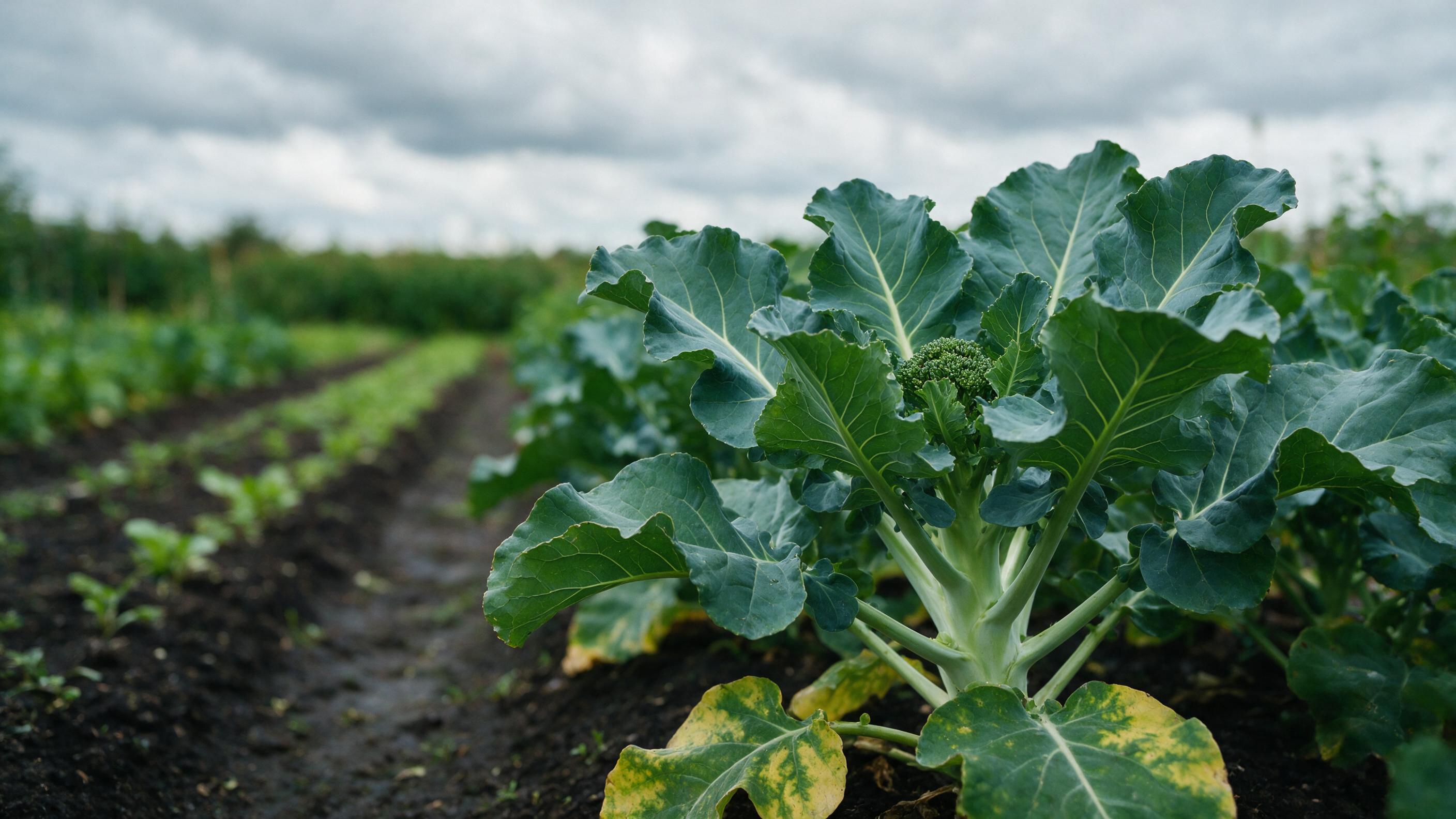
Stepping out to your garden and finding your broccoli leaves have gone from deep green to a dull, patchy yellow is one of those moments that stops you in your tracks. You put in the work, and now something is clearly off. The good news is that yellow leaves on broccoli are one of the most common issues home gardeners across the United States run into, and in most cases, the fix is straightforward once you know what you’re looking at.
Broccoli (Brassica oleracea var. italica) is a cool-season crop that thrives with the right balance of moisture, light, and nutrients. When any of those elements falls out of balance, the leaves are usually the first part of the plant to show it. This guide walks you through every major cause of yellowing broccoli leaves, how to tell them apart, and exactly what to do about each one.
What Does It Mean When Your Broccoli Leaves Are Turning Yellow?
Yellowing can sneak in slowly or show up overnight, affecting leaves, stems, or even the heads — and in most cases, it’s your plant trying to tell you something, whether it’s stress, a lack of nutrients, or unfavorable growing conditions. Think of yellow leaves as your broccoli’s way of sending a distress signal before things get worse.
Broccoli leaves can turn yellow for different reasons, and identifying the pattern of yellowing is the first step toward finding the cause. The location of the yellowing matters enormously:
- Lower leaves only: Lower leaves yellowing first may point to nitrogen deficiency or natural aging.
- New growth yellowing: New growth turning yellow is possibly linked to pests, nutrient imbalance, or overwatering.
- Whole plant turning pale: A whole plant going pale yellow likely signals stress from water, soil, or heat.
- Yellow spots or patches: Spots or patches of yellow may signal disease, such as fungal infections like downy mildew.
- Yellow leaf edges: Yellow edges often point to nutrient problems — a lack of potassium or magnesium — with edges turning yellow first, then brown.
Once you’ve identified the pattern, you’re already halfway to a diagnosis. The sections below break down every cause in detail so you can match what you’re seeing to the right solution.
Is Yellowing in Broccoli Always a Sign of a Problem?
Not always. Sometimes, yellow broccoli leaves simply mean the plant is maturing, and older leaves die off naturally — this is normal and nothing to fear. If you notice a few lower leaves going yellow while the rest of the plant looks healthy and the head is developing well, you may just be watching the plant’s natural life cycle in action.
If only the oldest leaves are yellowing while new growth looks healthy, it may just be part of your broccoli’s normal lifecycle. The same goes for the head itself: if left unharvested, broccoli heads mature into many tiny, bright-yellow flowers that produce seeds for another generation, and as the heads mature and the flower buds start to swell, the heads become more and more yellow until the flowers burst forth.
The key distinction is whether the yellowing is spreading, affecting new growth, or accompanied by other symptoms like wilting, spots, or stunted growth. If it is, that’s your cue to dig deeper.
Pro Tip: Before assuming the worst, check whether your broccoli is close to harvest. If the head is tight, green, and plump, a few yellowing lower leaves are rarely cause for concern. Focus your attention on yellowing that moves upward or appears on younger leaves.
Watering Issues Causing Broccoli Leaves to Turn Yellow
Broccoli loves consistent moisture, but too much water is one of the fastest ways to stress your plant — if roots are sitting in soggy soil, they can’t absorb oxygen properly, which leads to root rot, and that’s when yellow leaves show up. On the flip side, too little water creates its own set of problems.
Overwatering and underwatering can both cause yellow leaves, but they look different: underwatering leads to wilted, dry leaves, while overwatering gives you yellow, mushy ones. Knowing which you’re dealing with saves you from accidentally making the problem worse.
Signs of Overwatering
- Yellow leaves usually appear first on the lower part of the plant, then move up if the issue isn’t addressed quickly. The soil feels constantly wet or waterlogged, and leaves may wilt even though the soil is moist.
- Roots may smell sour or look dark and mushy — signs of root rot setting in.
Signs of Underwatering
- Underwatering causes yellowing leaves, especially at the tips, along with wilting.
- The top inch or two of soil is bone dry to the touch.
How Much Water Does Broccoli Actually Need?
Broccoli needs about 1 to 1.5 inches of water every week. Broccoli prefers consistently moist soil — not waterlogged, but never dried out. Water deeply once the top inch of soil feels dry, and aim for morning watering to prevent moisture-loving fungal diseases.
Good drainage prevents water from sitting around the roots — waterlogged soil causes yellow leaves and root rot. Use raised beds or add sand to heavy clay soil. Tools like a drip irrigation system or a simple mulch layer help retain moisture, and a moisture meter can take the guesswork out of the equation.
Light Conditions Behind Broccoli Leaves Turning Yellow
Inadequate sunlight is a key factor — broccoli thrives with at least six hours of sun daily, and if your plants are overshadowed by taller crops or garden structures, their leaves may turn yellow due to insufficient energy for photosynthesis.
Your broccoli plant needs up to 6 to 8 hours of direct sunlight, and the absence of that will make the leaves turn yellow. In many American home gardens, this happens when broccoli is planted too close to tall tomato cages, fences, or structures that cast afternoon shade. If you’re growing broccoli in containers, moving the pot to a sunnier spot is often all it takes.
You might also wonder whether too much sun can cause yellowing. In hot climates like the American South or Southwest, intense summer heat can stress broccoli and bleach leaves. Using balanced fertilizer and providing some shade on especially hot days can help. Broccoli is a cool-season crop and performs best when temperatures stay moderate — it’s worth timing your planting accordingly for your USDA hardiness zone.
Pro Tip: If you’re growing broccoli in a spot that gets afternoon sun during summer heat waves, a shade cloth rated at 30–40% can protect leaves without cutting off the morning light your plant needs for photosynthesis.
Soil, Nutrients, and Root Health Causing Broccoli Leaves to Turn Yellow
Broccoli is a heavy feeder and especially sensitive to nitrogen shortages — when your plant doesn’t get enough of this essential nutrient, the oldest leaves (usually at the base) turn pale yellow first. But nitrogen isn’t the only nutrient that matters.
Common Nutrient Deficiencies and What They Look Like
Younger broccoli leaves turning pale or yellow from the bottom up often signal a lack of nitrogen, a vital nutrient for leaf growth. Magnesium deficiency can cause yellowing between the veins of older leaves, giving the plant a mottled look. Iron deficiency is less common but still possible, typically causing yellowing in the youngest leaves while veins stay green.
Broccoli is a very heavy feeder that requires high levels of soil nitrogen. Broccoli leaves turn yellow if the plant isn’t getting enough nitrogen, and with nitrogen deficiency, the bottom leaves turn first and the problem continues upward toward the head.
| Deficiency | Where Yellowing Appears | Other Clues | Quick Fix |
|---|---|---|---|
| Nitrogen | Older, lower leaves first | Pale green overall, stunted growth | Fish emulsion, blood meal, or balanced vegetable fertilizer |
| Magnesium | Between veins of older leaves | Mottled, interveinal chlorosis | Epsom salt foliar spray or soil amendment |
| Iron | Youngest leaves, veins stay green | Interveinal chlorosis on new growth | Adjust soil pH; chelated iron supplement |
| Potassium | Leaf edges and tips | Edges brown after yellowing | Balanced fertilizer with potassium (K) |
Soil pH and Root Health
Soil pH matters more than you might think — aim for the range between 6.0 and 7.0 to keep your broccoli’s roots absorbing nutrients efficiently. An improper pH level in the soil can cause yellowing leaves, because the soil’s pH level affects the plant’s ability to access nutrients. Even if nutrients are present in the soil, the plant can’t use them when the pH is off.
Test your soil; if it’s too acidic, add lime. For alkaline soils, sulfur is your friend. A basic soil test kit from your local garden center costs just a few dollars and can save your entire crop. Feed your broccoli with a high-nitrogen organic fertilizer like fish emulsion or blood meal, and aged compost or compost tea can supply steady, natural nitrogen without overwhelming young roots.
Root health also plays a direct role. Healthy roots are whitish yellow, while dark, rotting ones may smell foul. If you’re growing in containers, check the roots periodically by gently sliding the plant out of its pot. Compacted or waterlogged roots can’t take up nutrients regardless of how well-fertilized your soil is.
Environmental Stress Triggering Broccoli Leaves to Turn Yellow
Temperature extremes can stress the plant — cold snaps or heat waves make it harder for broccoli to maintain healthy, green foliage. Broccoli is a cool-weather crop, and in much of the United States, that means it performs best in spring and fall plantings rather than during peak summer heat.
Broccoli thrives in temperatures between 60°F and 70°F (15°C to 21°C), and extreme heat or cold can lead to yellowing leaves as the plant experiences stress. When temperatures spike above 80°F for extended periods, broccoli can bolt — rushing to flower and seed — which causes the head and leaves to yellow rapidly. If the head of your broccoli turns yellow before harvest, it’s likely overripe or beginning to bolt. High temperatures, delayed harvesting, or stress can all cause florets to yellow and flower prematurely — cut the head immediately if you see this happening, because the flavor and texture will decline rapidly once blooming starts.
Wind damage and transplant shock are two other environmental stressors that US gardeners often overlook. When you move seedlings from indoors to the garden, the sudden change in conditions can cause temporary yellowing as the plant adjusts. Mulching and proper watering keep the soil cool and moist, reducing environmental stress. A 2–3 inch layer of straw or wood chips around the base of each plant goes a long way toward buffering temperature swings.
Pests and Disease Leading to Broccoli Leaves Turning Yellow
Pests like aphids and caterpillars damage broccoli leaves by sucking sap or chewing leaves, causing yellow spots. Diseases such as downy mildew and bacterial leaf spot also make leaves yellow. Knowing which pest or pathogen you’re dealing with determines your treatment plan.
Common Pests
Aphids are a main broccoli pest that causes yellowing — these tiny insects feed on the broccoli plant, causing discolored leaves, and they also leave behind a sweet, sticky substance known as honeydew, which can attract other bad insects. Check the undersides of leaves for clusters of small, soft-bodied insects.
There are many broccoli pests, but cabbage worms are a common one — these are the larvae of a type of moth, and if you notice white and gray moths around your broccoli plants, it’s likely you’ll soon be dealing with cabbage worms that feed on the leaves, causing them to yellow. Flea beetles are tiny jumping insects that chew small holes in the leaves and can be controlled by using row covers early in the growing season.
Common Diseases
Fusarium yellows cause one side of the plant to turn yellow or pale green. Downy mildew starts with yellow or brown spots that merge, killing the leaf. Blackleg and clubroot are other culprits, leading to stunted growth and yellowing leaves.
Black rot starts with V-shaped yellow lesions found on the leaves, and when left unresolved, the leaves will begin to wilt and turn brown, which can also cause the entire plant to die. Since broccoli prefers cooler temperatures, black rot is a common issue when you plant this crop in a humid and hot environment.
Fusarium oxysporum, a ground-dwelling fungus that usually enters a broccoli plant through damaged or new roots, typically impacts the lower part of the plant first, then works its way up the stem to the leaves, which will yellow and fall off. Affected stems can also become stunted on one side, hindering growth and eventually killing the plant.
Important Note: Once a severe fungal infection like Fusarium yellows takes hold, there is little that can be done to save the affected plant. The best action is to remove the infected plant and inspect nearby broccoli plants for infection, sanitizing your equipment and hands to limit the spread.
How to Diagnose Why Your Broccoli Leaves Are Turning Yellow
When your plant starts looking unhealthy, a careful inspection can help you pinpoint the root cause quickly — start by checking the leaves for additional symptoms beyond yellowing, such as wilting, spotting, or stunted growth. Work through this step-by-step process before reaching for any treatment.
- Check the location of yellowing. Lower leaves first usually means nitrogen deficiency or natural aging. New growth yellowing points to overwatering, pests, or pH problems.
- Examine leaf texture and color pattern. Nutrient deficiencies tend to cause uniform discoloration or distinct patterns (like pale veins), whereas pest damage is often patchy or irregular.
- Inspect for pests. Look under leaves and along stems for tiny insects, webbing, or holes — clues of pests like spider mites or aphids. Also look for sticky honeydew residue or small holes in the leaf surface.
- Feel the soil. Stick your finger 1–2 inches into the soil. If it’s soggy, you may be overwatering. If it’s bone dry, your plant is thirsty.
- Test your soil pH. Broccoli likes soil with a pH of 6.0 to 7.0 — if the pH is off, the plant can’t use the nutrients well, leading to yellow leaves.
- Check your sun exposure. Count the hours of direct light your plant receives. Less than 6 hours per day is a likely contributor to yellowing.
- Look at the roots. Inspect the roots — healthy roots should be firm and white; any signs of rot or discoloration can signal serious problems that need immediate attention.
Using a plant identification app can also help you compare your plant’s symptoms against known disease and deficiency photos, which is especially useful if you’re a newer gardener. There are also excellent Android apps for identifying plant problems that work just as well in the garden.
How to Fix a Broccoli Plant That Is Turning Yellow
If you notice yellow leaves on your broccoli, there are several practical steps you can take to help your plants bounce back. First, review your watering routine — broccoli prefers consistently moist soil, not waterlogged but never dried out. Water deeply once the top inch of soil feels dry, and aim for morning watering to prevent moisture-loving fungal diseases.
Next, check that your plants are getting plenty of sunlight — broccoli thrives with at least 6 hours of direct sun each day. If shade is the culprit, consider whether you can trim back nearby plants or relocate containers.
For nutrient deficiencies, the fix depends on what’s missing:
- Nitrogen: Apply a nitrogen-rich organic fertilizer — liquid blends made for vegetables work especially well, such as fish emulsion or blood meal.
- General nutrient gaps: Feed your broccoli with a balanced fertilizer and consider soil testing to pinpoint exactly what’s missing.
- pH imbalance: If your soil test shows a problem, adjusting with lime (for acidic soil) or sulfur (for alkaline soil) can get you back on track.
For pests, start with the least aggressive approach. Spraying the plant with a mixture of horticultural neem oil and water will help kill off cabbage worm pests. Aphids suck sap from broccoli leaves, causing yellowing and curling — use insecticidal soap or introduce ladybugs to control them. Natural and chemical allies in pest and disease control range from neem oil to Bacillus thuringiensis (Bt) for caterpillars.
Prune away yellowed or damaged leaves with clean shears — this not only improves air circulation and reduces disease risk but also helps the plant redirect energy to healthier growth. Be gentle during pruning to avoid injury to healthy stems.
Remove yellow or dying leaves only if they’re dry, limp, or diseased — pruning them improves airflow and allows the plant to focus energy on healthy growth. However, don’t remove leaves that are still partially green and functioning, as they’re still contributing to photosynthesis.
If you enjoy growing vegetables alongside other plants, learning about companion planting strategies can also help you build a more resilient garden bed overall. Companion plants can deter pests naturally and improve the growing environment around your broccoli.
How to Prevent Broccoli Leaves from Turning Yellow Going Forward
Preventing yellow leaves on your broccoli plants starts with consistent care and attention to their growing environment. Water your plants evenly, aiming for moist but not soggy soil, and use well-draining, nutrient-rich soil. Space your broccoli at least 18 inches apart to promote airflow and prevent disease.
Here’s a prevention checklist to keep your broccoli healthy from planting to harvest:
- Amend soil before planting. Mix a layer of 2 to 4 inches of manure or compost into your garden two to four weeks before planting to provide sufficient nutrition.
- Maintain proper soil pH. Test your soil each season and keep it between 6.0 and 7.0.
- Fertilize on a schedule. Prevent nitrogen deficiency by fertilizing at planting, when the main head emerges, and after the first heads are harvested so side shoots grow.
- Mulch generously. Mulch around your broccoli plants to conserve moisture, keep roots cool, and minimize stress — natural wood chips or straw work well.
- Water at the base. Water at the base, not overhead, to adjust watering techniques and reduce fungal disease risk.
- Rotate crops annually. Change where you plant broccoli each year and avoid planting it in the same spot — this prevents soil diseases and pests and improves soil health.
- Inspect plants regularly. Stay proactive by checking your plants weekly for signs of stress, pests, or diseases — early detection is key to timely intervention and treatment.
- Harvest on time. Take the main head or side shoot when it ceases to expand, while the flower buds are plump but still green.
If you want to expand your edible garden beyond broccoli, exploring different types of plants can help you plan a more diverse and resilient garden layout. Understanding the range of leaf types across your garden can also sharpen your eye for spotting early stress signals in any plant, not just broccoli.
For those who enjoy broccoli in the kitchen as much as in the garden, check out these broccoli cooking methods to make the most of every harvest.
Pro Tip: Interplant with herbs like dill or chamomile to improve pest resistance and pollinator activity around your broccoli patch. This simple companion planting strategy can reduce the frequency of pest-related yellowing without any chemical intervention.
FAQ
Why are only the bottom leaves of my broccoli turning yellow?
Broccoli is a heavy feeder and especially sensitive to nitrogen shortages — when your plant doesn’t get enough of this essential nutrient, the oldest leaves (usually at the base) turn pale yellow first. It can also be a sign of natural aging. If new growth looks healthy and green, you likely don’t have a serious problem — just add a nitrogen-rich fertilizer and monitor the plant.
Can overwatering cause broccoli leaves to turn yellow?
Yes. When the whole leaf turns yellow uniformly, it often shows stress from overwatering or poor drainage — roots may not be getting enough oxygen. Let the soil dry out slightly between waterings and improve drainage if needed.
How do I know if my broccoli has a fungal disease?
Downy mildew starts with yellow or brown spots that merge, eventually killing the leaf. Fusarium yellows cause one side of the plant to yellow, and black rot creates distinctive V-shaped yellow lesions along the leaf margins. If you see any of these patterns, remove affected leaves immediately, improve air circulation, and avoid overhead watering.
Is it safe to eat broccoli with yellow leaves?
The leaves themselves are edible and generally safe even if slightly yellow, though they may taste more bitter. However, if the yellowing is caused by disease or heavy pest infestation, it’s best to discard the affected parts. The broccoli head is still fine to eat as long as it remains green, firm, and tightly budded.
How often should I fertilize broccoli to prevent yellowing?
Broccoli plants are heavy feeders — every couple of weeks, you will be required to provide them with at least a dosage of fertilizer. Use a balanced vegetable fertilizer at planting, then switch to a nitrogen-focused formula once the plant is actively growing. Always follow package directions and test your soil first to avoid over-fertilizing.
What pests most commonly cause yellow leaves on broccoli?
Broccoli plants can be infested and turn yellow by pests such as cutworms, flea beetles, aphids, cabbage loopers, mites, larvae, and beetles. Aphids and cabbage worms are the most frequent culprits in US home gardens. Check the undersides of leaves regularly and treat early with neem oil or insecticidal soap.
Can I save a broccoli plant that is completely yellow?
Yellow leaves don’t always mean the plant is dying — it shows stress or nutrient lack, and fixing care issues quickly can help the plant recover. If the yellowing is caused by a correctable issue like nitrogen deficiency, overwatering, or a pest infestation caught early, your plant has a good chance of bouncing back. If it’s caused by a systemic fungal disease like Fusarium, recovery is unlikely and removal is the best course of action to protect the rest of your garden.