Can You Freeze a Gluten and Dairy Free Cake? (Yes — Here’s How)

October 26, 2026
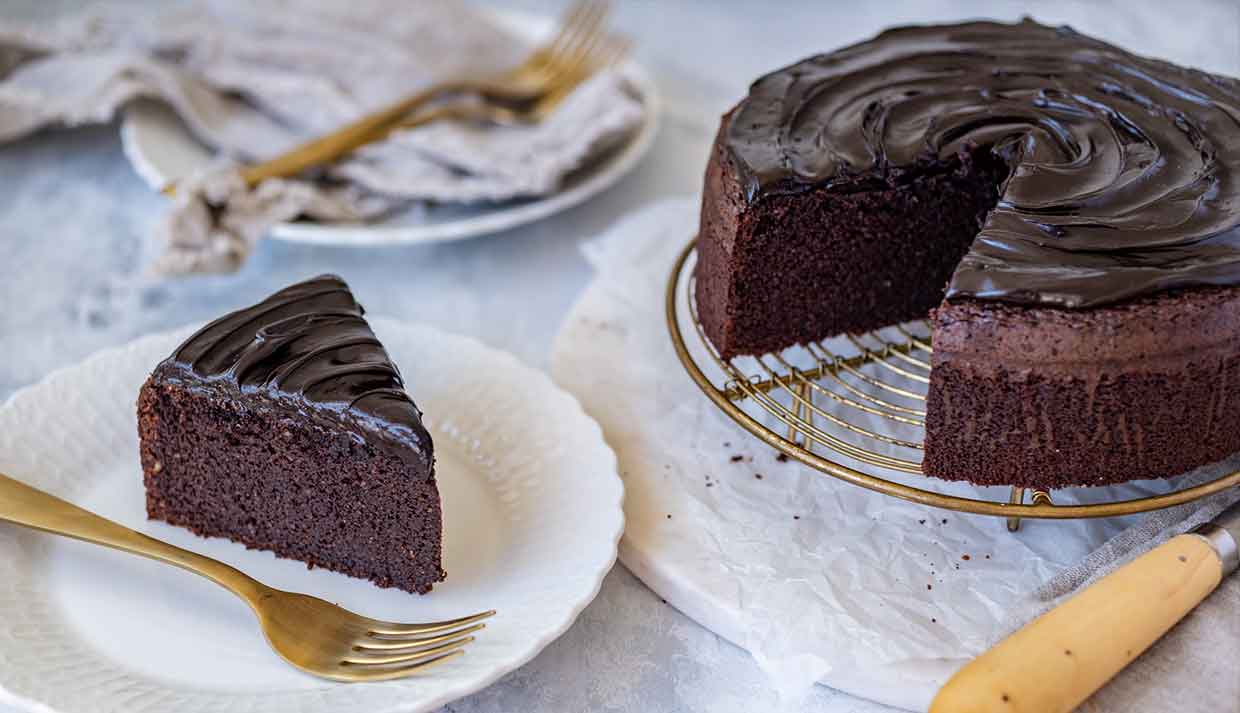
If you’ve put serious effort into baking a gluten and dairy free cake, the last thing you want is to watch it go stale two days later. The good news: freezing works beautifully for this type of cake, and in many cases the freezer is actually a better storage option than the fridge.
Whether you’re prepping ahead for a birthday, the holidays, or simply saving leftover slices, this guide walks you through everything you need to know — from wrapping technique to spotting freezer burn — so your cake comes out tasting just as good as the day you baked it.
Can You Freeze a Gluten and Dairy Free Cake?
Yes, you can absolutely freeze a gluten and dairy free cake. Freezing your gluten-free treats is a simple process with few complications. In fact, the freezer tends to preserve these cakes better than leaving them at room temperature, since gluten-free baked goods are more prone to drying out quickly.
If you want to freeze your gluten-free treats, it’s best to freeze whatever isn’t eaten the day it’s baked, because gluten-free baked goods tend to dry out more quickly than traditional goodies. Getting the cake into the freezer while it’s still at peak freshness makes a real difference in the final result.
You can bake the layers and freeze them, then take the cake out of the freezer the day of the party, make the dairy-free frosting, and assemble it. This make-ahead approach is popular with home bakers who need to plan around busy schedules. If you’re planning a gluten-free spread for a holiday gathering, check out these gluten-free Christmas desserts for more make-ahead ideas.
Pro Tip: Freeze cake layers unfrosted whenever possible. Frosting is much easier to apply to a cold, firm layer, and you’ll get cleaner results than trying to frost a freshly thawed cake at room temperature.
Does Freezing Change the Texture or Taste of a Gluten and Dairy Free Cake?
When done correctly, freezing has very little impact on taste or texture. Many bakers freeze cake layers intentionally before frosting because chilled cakes are easier to handle and slice cleanly. Freezing does not significantly affect taste when cake is frozen and thawed correctly — most flavor loss comes from improper storage rather than freezing itself.
Thawing out this cake does not affect its delicious texture and flavor, and you’ll save yourself a lot of time. That said, gluten-free cakes do have some quirks worth knowing about before you freeze.
Gluten-free baked goods can lose moisture faster, become gritty, or dry out more quickly than their wheat-based counterparts. This means wrapping is especially important — any air exposure will accelerate dryness. Nut and seed flours, like almond flour, contain natural oils that can go rancid, so store those baked goods in the fridge or freezer, especially in warmer climates.
On the dairy-free side, the milk substitutes and oils used in place of butter actually help the cake hold up well in the freezer. The trick to making moist gluten-free cake is to use a combination of sour cream and oil for richness — sour cream and oil work better than butter, as butterfat causes gluten-free flour to clump up and make a denser crumb. Cakes built with oil-based recipes tend to retain moisture better after thawing than butter-based ones. For more ideas on dairy-free baking, browse these dairy-free Christmas desserts.
How to Freeze a Gluten and Dairy Free Cake the Right Way
Proper technique is everything here. Follow these steps to get the best results:
- Cool completely first. It’s important to let your baked goods reach room temperature before you freeze or refrigerate them. If you box, wrap, bag, or otherwise seal them while they are still even somewhat warm, the steam they generate will get trapped and turn your food soggy.
- Wrap each layer individually. Wrap each round tightly in plastic wrap, followed by a layer of aluminum foil to prevent freezer burn. Place the wrapped rounds in a resealable freezer bag, label with the date, and store them flat in the freezer.
- Squeeze out the air. Wrap items tightly in plastic wrap, then again in aluminum foil or place them in a heavy-duty freezer bag. Squeeze out all the air. Even a small gap in the wrapping can cause freezer burn over time.
- Label with the date. Write the cake type and freeze date directly on the bag or foil. This saves you from guessing later and helps you use the cake within the recommended window.
- Store flat. Lay cake rounds flat in the freezer so they don’t shift or crack. Avoid stacking heavy items on top of them.
Pro Tip: Partially frozen cakes are super easy to decorate since they are stiffer and produce fewer crumbs — so don’t wait for them to thaw completely if you want to frost them.
What About Frosted Cakes?
You should refrigerate any gluten-free desserts with frosting if you want to preserve their decorative look. Frosting doesn’t hold up well under freezing conditions and may become difficult to eat. If you do need to freeze a fully frosted cake, place it in the freezer uncovered for about an hour first to firm up the frosting, then wrap it carefully.
Cream cheese and buttercream frostings freeze well, while more delicate whipped cream frostings may not hold up as nicely. Dairy-free whipped cream toppings, in particular, tend to separate after freezing and are best added fresh after thawing.
How Long Can You Freeze a Gluten and Dairy Free Cake?
Most sources agree on a consistent window for unfrosted cake layers. This recipe stays good in an airtight container in the fridge for up to 5 days or in the freezer for up to 3 months. For the best flavor and texture, though, aim to use the cake sooner rather than later.
When you freeze it, wrap it in plastic wrap and then store it in a freezer bag. It’s best not to freeze for longer than 2 months — preferably less than 6 weeks for best flavor. That shorter window is worth keeping in mind if you’re planning ahead for a specific occasion.
| Cake Type | Freezer Life | Notes |
|---|---|---|
| Unfrosted cake layers | Up to 3 months | Best quality within 6 weeks |
| Frosted cake (buttercream or vegan buttercream) | 1–2 months | Freeze uncovered first to firm frosting |
| Individual slices | Up to 2 months | Wrap each slice separately |
| Cake with whipped cream topping | Not recommended | Add topping fresh after thawing |
If you’re making cake well in advance for a holiday like Thanksgiving or Christmas, freezing layers a few weeks out is a smart strategy. See this guide to gluten-free Thanksgiving foods for more make-ahead planning ideas.
How to Thaw Frozen Gluten and Dairy Free Cake
Thawing slowly is the key to keeping your cake moist and avoiding condensation problems. Let the cake thaw, still wrapped, at room temperature for a few hours. This allows moisture to redistribute back into the crumb instead of evaporating.
Keeping the cake wrapped while it thaws is important. If you unwrap it right away, condensation forms on the surface of the cold cake and can make the exterior soggy. Leave the wrapping on until the cake feels close to room temperature, then unwrap and let it air out for 15–20 minutes before decorating or serving.
There are more than a few ways to thaw frozen treats, but the only way to do so without potentially ruining your food is to let it sit at room temperature. How long depends on the item’s size and density. While some people may recommend using a microwave’s thaw function or even an oven to bring gluten and dairy-free desserts back to life, these methods are difficult to measure precisely.
For a frosted cake, defrost frosted cakes by letting them warm up on the counter or in the fridge overnight. The fridge method is slower but gives you more control, especially if the cake has a dairy-free cream cheese frosting that could soften too quickly at room temperature.
Pro Tip: Allow the cake to reach room temperature by thawing for 2–3 hours if frozen. For clean slices, run your knife blade under hot water and dry it with a towel before each cut.
Can You Refreeze a Gluten and Dairy Free Cake After Thawing?
Technically, refreezing is possible, but it comes with trade-offs. Refreezing cake is generally safe if the cake was thawed properly and kept cold, but quality may suffer. Each freeze-thaw cycle pulls moisture from the crumb, and gluten-free cakes already have less structural resilience than wheat-based ones.
Partial thawing and refreezing can damage texture. If you thawed the cake at room temperature for several hours and it has fully warmed up, refreezing will noticeably affect the crumb. The cake will likely be drier and may become more crumbly after the second thaw.
The smarter approach is to freeze the cake in individual slices or portions from the start. Layer individual slices with plastic wrap and seal tightly. Individual pieces should keep for about two months so you can enjoy your birthday cake again even after the streamers are gone. That way, you only pull out exactly what you need and never have to refreeze.
How to Use Frozen Gluten and Dairy Free Cake (Best Uses After Freezing)
Frozen cake layers are incredibly versatile once thawed. Here are the best ways to put them to use:
- Assemble and frost for a party. You can bake the layers and freeze them, take the cake out of the freezer the day of the party, make the dairy-free frosting, and assemble it. This is one of the most practical uses — bake weeks ahead and decorate the day of.
- Serve as simple snack slices. Thawed unfrosted slices are great with a drizzle of dairy-free chocolate or a dusting of powdered sugar. No frosting required.
- Use in a trifle or parfait. Cube thawed cake and layer it with dairy-free whipped cream and fresh berries in individual glasses. This is a great way to use slices that are slightly dry after freezing.
- Make cake pops or crumble toppings. If a slice thawed a bit too dry to serve on its own, crumble it and use it as a topping for dairy-free ice cream or stir it into a parfait.
- Freeze ahead for holiday entertaining. Baking a gluten and dairy free cake in advance takes the pressure off during busy holiday seasons. Pair it with options from this list of gluten-free Christmas foods for a fully allergy-friendly spread.
If you’re building out a full gluten-free holiday dessert table, frozen cake pairs well alongside gluten-free Christmas appetizers and festive gluten-free Christmas drinks for a complete menu.
Signs That Frozen Gluten and Dairy Free Cake Has Gone Bad
Freezing slows spoilage but doesn’t stop it indefinitely. Freezing essentially pauses microbial growth and enzymatic activity, preserving the cake’s quality for an extended period. However, some changes in texture and flavor can still occur over time, especially if the cake is not properly wrapped.
Here’s what to look for before you thaw and serve:
- Freezer burn. Freezer burn typically appears as dry, leathery, and sometimes pale patches on the surface of the cake. Look for white or grayish-brown dry spots, and note that the affected areas may be tough and dehydrated, contrasting with the normally moist texture of the cake. This will not make the cake unsafe to eat, but it will harm the texture and taste.
- Off smell. Signs that a cake has gone bad include visible mold, an off or sour smell, changes in texture such as excessive dryness or sogginess, and discoloration.
- Mold spots. Mold can appear in various colors — green, white, black, or even fuzzy blue. It’s not always immediately visible on the surface; check under the cake, in crevices, or around any fillings or frosting.
- Slimy or watery frosting. The clearest signs are mold spots, a sour or off smell, or frosting that looks watery or slimy. If you notice any of these, it’s best to throw the cake away, even if some parts still look fine.
Important Note: If you notice signs of freezer burn, you can trim these areas away before serving. Freezer burn affects quality, not safety — but if you also detect an off smell or any mold, discard the cake entirely.
Frequently Asked Questions
Can you freeze a gluten and dairy free cake with frosting on it?
Yes, but results depend on the frosting type. Frosted cake can be frozen, but results depend on the type of frosting. Frosted cakes should be frozen uncovered briefly to firm the frosting, then wrapped tightly. Dairy-free buttercream freezes well, while dairy-free whipped cream does not — add that type of topping after thawing instead.
How long does a gluten and dairy free cake last in the fridge?
Use the fridge if your bake contains dairy, eggs as a main binder, fresh fruit, or a creamy frosting. The cooler temperature slows staling and spoilage. Just be sure it’s in an airtight container to prevent it from absorbing fridge odors. Most gluten and dairy free cakes last up to 5 days refrigerated. For longer storage, the freezer is the better choice.
Can you freeze individual slices of gluten and dairy free cake?
Yes, and this is actually the recommended approach. Cake slices can be frozen for up to 2 months if wrapped individually and stored airtight. Wrap each slice in plastic wrap, place in a freezer bag, and label with the date. Pull out only what you need rather than thawing the whole cake.
Does gluten-free cake taste different after freezing?
When thawed slowly and correctly, frozen cake often tastes very similar to freshly baked cake. The main risk is dryness from improper wrapping, not the freezing process itself. Use two layers of wrap and squeeze out all air before storing.
What gluten-free flour works best for a cake you plan to freeze?
Gluten-free cake turns out best when you use a high-quality 1:1 gluten-free baking flour. Look for a blend that contains xanthan gum so the cake has the structure it needs. You can learn more about your options in this guide to substitutes for gluten-free flour. Cakes made with a quality 1:1 blend tend to hold up better in the freezer than those made with single-ingredient flours like almond or coconut flour alone.
Can you freeze gluten-free cake batter instead of the baked cake?
Some batters can be frozen, but baked cake freezes more reliably. Gluten-free batters in particular can be unpredictable after freezing because the starches and gums may behave differently once thawed and baked. Bake first, then freeze for the most consistent results.