
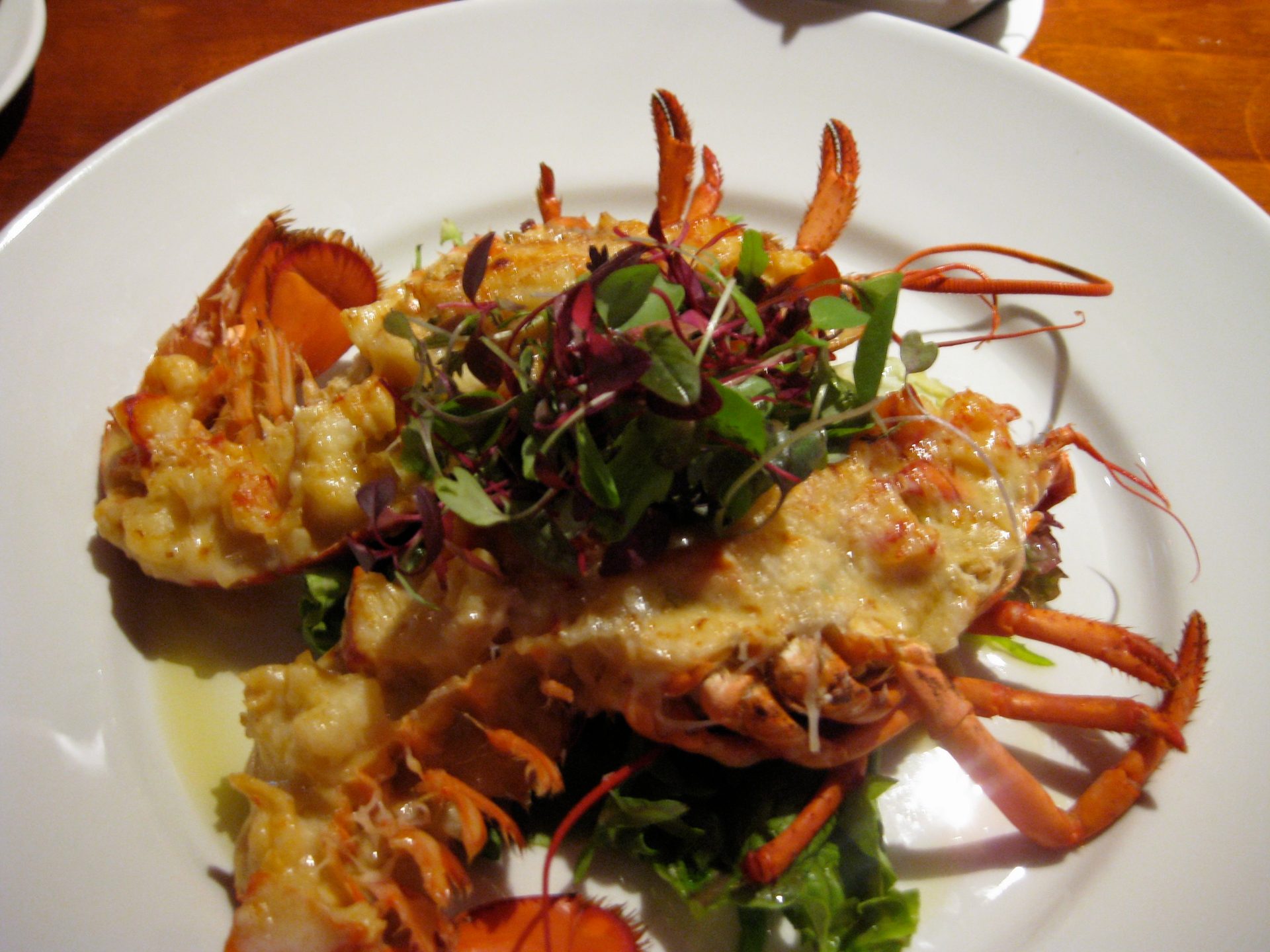
Lobster thermidor is rich enough to carry a meal on its own, which is exactly why the side dishes around it matter so much. According to The Kitchn, Lobster Thermidor is one of those old-school French dishes that doesn’t hold back on decadence and feels like a super-special treat. Pile on more heavy, buttery sides and you risk overwhelming the palate instead of complementing it.
The good news is you have plenty of balanced options, from light vegetables to simple starches that soak up the cognac-spiked sauce without competing with it. If you’re planning a full dinner party around the dish, you can even open with something easy and make-ahead, like a starter plate of savory bites or a classic deviled eggs appetizer, before guests move on to the main course. Below are 12 tried-and-true sides, organized by category, so you can build a plate that lets the lobster stay the star.
1. Risotto
Risotto is a natural match for lobster thermidor because both dishes rely on a creamy, built-in richness that feels intentional rather than heavy. A saffron version in particular works well here: Number Analytics notes that saffron risotto is a creamy and aromatic side dish that complements the lobster perfectly, with the subtle earthy flavor of saffron and the creamy texture of risotto enhancing the overall dining experience.
Keep the risotto on the simple side — Arborio rice, a splash of white wine, good stock, and a light finish of parmesan is all you need. If you’d rather lean into a different creamy starch entirely, the same logic that governs what to serve alongside alfredo applies here: pair rich with light, and let one component lead.
2. Rice Pilaf
Rice pilaf is a lighter alternative to risotto when you want a starch that doesn’t add extra cream to the plate. One recipe developer puts it plainly: lobster thermidor pairs wonderfully with a light salad, steamed vegetables, or a side of rice pilaf. The dry, separate grains give your fork something to catch between bites of the creamy lobster filling.
Toast the rice in a little butter before adding stock, and stir in fresh herbs like parsley or chives at the end. A squeeze of lemon zest brightens the pilaf without pulling focus from the main dish.
3. Garlic Bread
Garlic bread earns its spot on this list for one simple reason: that thermidor sauce is too good to leave on the plate. As Immaculate Bites puts it, it complements the lobster perfectly, and you’ll want to mop it all up with a slice of warm homemade garlic bread.
Pro Tip: Go light on the garlic and skip heavy herb blends. A simple butter, garlic, and parsley spread lets the bread do its job without competing with the cognac and Gruyère in the sauce.
If your table already leans Italian-American for other courses, the same bread works well alongside dishes like chicken parmesan, so it’s a safe choice if you’re feeding a mixed crowd.
4. Crusty Bread
Crusty bread is the rustic cousin of garlic bread, and it earns a place at the table for the same sauce-mopping reason, minus the added butter and garlic. A baguette or a country-style loaf with a firm crust and soft interior holds up well when torn and dragged through the sauce.
This option works especially well if you’re keeping the rest of the meal light, since it adds texture without extra fat or seasoning. Serve it warm, sliced thick, and let guests tear off pieces as they go.
5. Grilled Asparagus
Grilled asparagus brings a smoky, slightly charred edge that cuts through the richness of the thermidor sauce. Girls Can Grill recommends this pairing directly, noting that lobster thermidor is a rich creamy dish, so it pairs well with lighter side dishes like a fresh salad or grilled asparagus with lemon-caper vinaigrette.
Toss the spears in olive oil, salt, and pepper, then grill over medium-high heat just until they’re tender with visible char marks, about four to six minutes. A finishing squeeze of lemon juice ties the dish back to the citrus notes often used in the thermidor sauce itself. If grilling isn’t practical, the same bright, char-forward approach pairs just as well with grilled proteins like seared ahi tuna.
6. Steamed Asparagus
Steamed asparagus is the simpler, quicker sibling of the grilled version, and it’s one of the most frequently recommended sides for this dish. Steak University specifically calls it out, suggesting you pair lobster thermidor with simple sides such as steamed asparagus, roasted potatoes, or a crisp green salad, since these accompaniments complement the richness of the dish without overshadowing its distinct flavors.
Steam the spears for three to five minutes, just until they turn bright green and reach a slight bend without going limp. A light touch of butter or a drizzle of olive oil is plenty; anything heavier starts to compete with the sauce on your lobster.
7. Baby Glazed Carrots
Baby glazed carrots add a touch of natural sweetness that plays well against the savory, mustard-and-cognac flavor of the thermidor sauce. Keep the glaze simple: butter, a spoonful of honey or brown sugar, and a pinch of salt is enough to coat the carrots without turning them into a dessert.
Simmer whole baby carrots in a shallow pan with butter and a splash of water until they’re tender and the liquid reduces into a light glaze. This is a good choice if you want color on the plate without adding another heavy or starchy element — a point echoed by advice to stick with lightly seasoned, simple fresh vegetables devoid of exotic spices, sauces, toppings, or additives such as bacon bits or toasted nuts.
8. Blanched Green Beans
Blanched green beans are quick, crisp, and neutral enough to work with almost any variation of lobster thermidor you’re serving. Blanching keeps the beans snappy rather than soft, which matters when you’re already dealing with a soft, creamy main dish.
- Bring a pot of salted water to a rolling boil.
- Drop in trimmed green beans and cook for two to three minutes, until bright green.
- Immediately transfer the beans to an ice bath to stop the cooking.
- Drain, toss with a little butter or olive oil, and season with salt and pepper just before serving.
This approach lines up with general guidance for pairing vegetables with rich seafood dishes: choose fresh green vegetables such as asparagus, green beans, or spinach that pair well with the thermidor’s creamy sauce and mustard flavors.
9. Caesar Salad
Caesar salad brings crunch, acidity, and a savory anchovy backbone that holds its own next to a dish as rich as lobster thermidor. The romaine stays crisp, the dressing adds tang, and the parmesan echoes the cheese already melted over your lobster.
Key Insight: Go easy on the dressing. A Caesar salad made for this pairing should be lightly coated, not drenched, so it refreshes the palate rather than adding another layer of richness.
If you want a brighter, less traditional version, skip the croutons and add shaved parmesan and a squeeze of lemon instead. For a different kind of bright, acidic side that works with rich mains, the same principle shows up in what people serve alongside chicken piccata, where a sharp, citrus-forward element balances a buttery sauce.
10. Baked Potato
A classic baked potato is an easy, familiar side that most guests already know how to enjoy, and it does a good job of soaking up extra sauce. Number Analytics makes a similar case for a mashed version, noting that garlic mashed potatoes are a comforting and familiar side dish that pairs perfectly with the rich and buttery flavor of lobster thermidor, since the creamy texture and subtle flavor of garlic complement the lobster without overpowering it.
If you’d rather keep things simple, a plain baked potato with just butter, chives, and a little sour cream works just as well. It’s a steakhouse-style pairing, not unlike the simple starches typically served alongside A5 wagyu, where the goal is to support an expensive main course rather than overshadow it.
11. Baked Fingerling Potatoes
Baked fingerling potatoes offer the same comfort as a baked potato in a smaller, more elegant package that suits a formal plate better. Their thin skins crisp up nicely in the oven, and their waxy texture holds together well whether you’re tossing them whole or slicing them in half.
Toss the fingerlings in olive oil, salt, and rosemary, then roast at 400°F for 25 to 30 minutes, turning once halfway through. This is a smart choice when you want a potato side that looks intentional on a plated dinner rather than a casual one, since even sources that favor simplicity suggest pairing the dish with something like roasted potatoes rather than a more rustic preparation.
12. Green Bean Salad
A green bean salad is a cold or room-temperature alternative to blanched green beans, and it’s a good option if you’re plating a warm-weather dinner or need a dish you can make ahead of time. Blanch the beans as described earlier, then shock them in ice water and toss them cold with a simple vinaigrette.
- Shallots, thinly sliced, for a sharp bite
- Cherry tomatoes, halved, for color and acidity
- Toasted almonds or walnuts for crunch
- A light Dijon vinaigrette to tie it all together
Because the beans are served cool, this salad also works well as a make-ahead side when you’re juggling the timing of a more involved main course. It’s a lighter alternative to a traditional green or savory salad course, and it travels well if part of your dinner is happening outside the kitchen.
With twelve options spanning starches, vegetables, bread, and salad, you have enough variety to build a full plate around lobster thermidor without repeating textures or flavors. A good rule of thumb is to pick one starch, one vegetable, and either bread or salad, rather than serving all three starch options at once. If you’re planning the rest of the menu, consider bookending the meal the way a seafood-forward spread like a shrimp boil often gets built, with a lighter starter and an equally simple dessert, such as a slice of angel food cake, to close out the richness of the main course.