Traditional Zambian Clothing: Chitenge, Siziba, Musisi, and Mashushu Explained

November 19, 2026
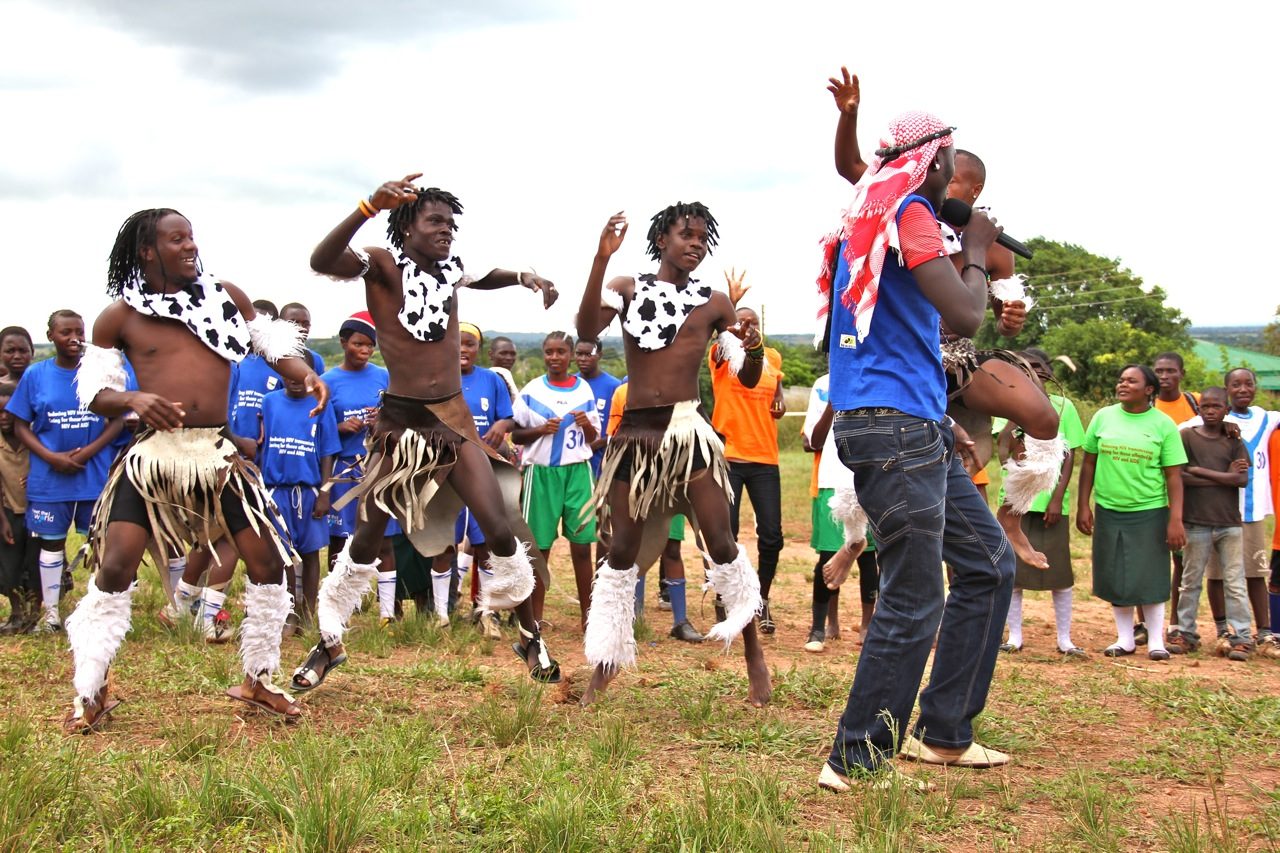
Traditional Zambian clothing reflects a country shaped by more than 70 distinct ethnic groups, each with its own weave of color, fabric, and meaning. Among the many garments worn across the country, four stand out for how often they appear in ceremonies, weddings, and everyday life: the chitenge, siziba, musisi, and mashushu. Rather than a single national costume, Zambia’s dress traditions form a patchwork tied closely to region, occasion, and the Lozi Kingdom of Barotseland in particular.
These four garments tell a story that stretches from royal river ceremonies to modern kitchen parties. Understanding what each one is, who wears it, and why it matters offers a clear window into how Zambians have preserved cultural identity while adapting to changing times.
Pro Tip: If you’re attending a Zambian wedding or kitchen party, ask the hosts about the dress code first. Many ceremonies call for guests to wear chitenge fabric even if the honorees are dressed in siziba or musisi outfits.
1. Chitenge
The chitenge is the fabric most people associate with Zambian dress, and for good reason. The chitenge is perhaps the most recognized form of traditional attire in Zambia, consisting of a piece of brightly colored fabric, usually adorned with intricate patterns. Women typically wrap it around the waist as a skirt, pair it with a matching blouse, or tie it as a headscarf, while men occasionally use it as a waist wrap during ceremonies. Known for its bold colors and intricate patterns, the chitenge is used in various ways, from everyday wear to tailored garments for special occasions. It also carries a social function beyond clothing. Chitenge cloth is often exchanged during ceremonies or given as a token of appreciation, which makes it as much a gift item as a garment. Among the Bemba, Zambia’s largest ethnic group, the chitenge takes a specific form. The Bemba wear a chitenge, a bright patterned cloth worn as a skirt or wrapped around the torso, with a matching blouse. Academic researchers have noted that chitenge dress is not static. A 2024 study published in the Journal of Cultural Studies observed that Zambian attire ranges across a spectrum, from traditionally wrapped chitenge to tailored versions blended with Western silhouettes. Headscarves made from the same cloth carry their own etiquette. Headscarves are an important aspect of traditional women’s clothing in Zambia, often made from the same fabric as the chitenge and worn to protect the hair and signify respect in certain cultural contexts. Travelers curious about how other cultures use wrapped fabrics as everyday dress can compare notes with traditional Indian clothing, where draped garments like the sari serve a similarly versatile role.
| Garment | Worn By | Primary Material | Common Occasions |
|---|---|---|---|
| Chitenge | Women and men, nationwide | Printed cotton or wax-resin fabric | Daily wear, weddings, gifts, headscarves |
| Siziba | Lozi men | White cotton, woven cloth | Kuomboka, weddings, kitchen parties |
| Musisi | Lozi women | Satin | Kuomboka, weddings, kitchen parties |
| Mashushu | Lozi men (paired with siziba) | Felt or wool | Royal ceremonies, formal occasions |
2. Siziba
The siziba is the formal dress of Lozi men, and it carries weight well beyond the Western Province where it originated. The Siziba, literally “a piece of cloth,” is the traditional formal dress of Lozi men, and originally reserved for royals and dignitaries at Kuomboka, it has grown into a symbol of Zambian national identity worn across all ethnic groups. The garment’s structure sets it apart from everyday dress. Apart from the siziba, men also put on a red beret called a lishushu, and the siziba consists of a white shirt, skirt, and long stockings. That wrapped skirt has earned comparisons abroad. Some compare the Siziba, where men wear a wrap skirt, to the Scottish kilt, though the Siziba existed among the Barotse community long before white settlers arrived and carries its own unique cultural meaning entirely separate from any external influence. The siziba’s biggest stage is the Kuomboka ceremony, when the Litunga, the king of the Lozi people, makes his annual journey by barge to escape the flooding Zambezi plains. His subjects and visitors line the shores of the Zambezi river clad in their Siziba and Musisi to welcome their leader after his six-hour journey. That ceremony typically happens around April, though the exact date shifts with water levels, and it appears alongside dozens of other regional ceremonies cataloged by Wikipedia’s overview of Zambian traditional ceremonies . Outside Kuomboka, the siziba has become part of everyday celebration. Nowadays at kitchen parties a bride would wear a musisi outfit and the groom would put on a siziba. Readers interested in how other national dress traditions pair male and female formal wear for weddings may find a useful comparison in traditional Pakistani clothing, where coordinated bridal and groom outfits follow a similar logic.
Important Note: Some sources, including local Zambian accounts, debate whether the siziba’s white-shirt-and-skirt style was influenced by British dress following King Lewanika’s 1902 visit to Britain, or whether it developed independently within Barotseland. Historians have not settled the question, and both views appear in cultural writing on the subject.
3. Musisi
The musisi is the counterpart to the siziba, worn by Lozi women on the same ceremonial occasions. This outfit is called a musisi in the singular and misisi in the plural, worn by women, while the men wear the siziba, and the musisi outfit can be worn at any special function celebrated by a particular family or individual. The garment is notable for how much fabric it demands. This outfit gobbles up a lot of material for it to be made, which is part of why it has such a dramatic, full silhouette. One attire specialist who makes musisi outfits in Ndola described the look in detail. She says the musisi is supposed to be worn with a matching blouse called the baki, as well as a small wrapper known as a chali. Construction and shape also distinguish the musisi from the siziba. The back part of the musisi is supposed to be longer than the front part, but for the siziba the front is longer than the back. That silhouette has earned the musisi a striking nickname in cultural writing: a design resource describing Lozi attire calls it a garment with a dramatic, peacock-like silhouette, one of the most distinctive garments in all of southern Africa. Pricing data gathered by the Times of Zambia from a Ndola-based designer found that, as of 2015, labor to make a musisi outfit started around 200 Zambian kwacha, while ready-made versions started around 500 kwacha depending on the material used. Those figures are dated and almost certainly higher today given inflation and fabric costs, so anyone budgeting for a musisi outfit should check current rates with a local tailor rather than rely on decade-old pricing. Beyond Kuomboka, the musisi has taken on a life at kitchen parties, a pre-wedding ritual common across Zambia. Some of the popular attires at kitchen parties are made out of chitenge material, and these outfits have become so popular whenever there’s a kitchen party. That blending of chitenge fabric into formal Lozi silhouettes mirrors a pattern seen in other national dress traditions, including traditional Japanese clothing, where regional textiles are often adapted into formal ceremonial garments.
Pro Tip: Because the musisi uses so much fabric, it is one of the more expensive traditional outfits to commission in Zambia. Ask a tailor for a fabric estimate before committing to a design, since satin and similar materials drive up cost quickly.
4. Mashushu
The mashushu is smaller than the other garments on this list, but it completes the formal look worn alongside the siziba. Local travel writing on Lozi culture groups it with several related accessories under one heading. The history of the beautiful traditional Lozi attire covers the Siziba, Musisi, Lishushu (Mashushu), Maseka, Mulamu, among others, showing that mashushu and lishushu refer to the same accessory in different spellings. That accessory is a red cap or beret worn by men. Apart from the siziba, men also put on a red beret called a lishushu. Worn at the same ceremonies as the siziba, including Kuomboka, weddings, and kitchen parties, the mashushu signals that the wearer is dressed in full formal Lozi attire rather than everyday clothing. Because the mashushu is an accessory rather than a standalone outfit, it rarely gets discussed on its own in most Zambian fashion writing. It shows up instead as a finishing detail, much like how a headpiece or cap completes a formal outfit in other cultural dress traditions, such as the structured headwear seen in traditional German clothing or the ceremonial hats worn in parts of traditional Australian clothing. Its red color is not incidental either. Across much of southern Africa, red dye and red cloth have historically carried associations with status, royalty, or ceremony, which fits the mashushu’s role as part of attire originally reserved for Lozi royals and dignitaries before it spread to wider use at Kuomboka and beyond, as noted by the Kuomboka cultural attire guide .
Traditional Zambian Clothing Beyond the Lozi
While the chitenge, siziba, musisi, and mashushu dominate discussions of Zambian dress, they represent primarily Lozi and nationwide fabric traditions rather than the full picture across Zambia’s ethnic map. Zambia attire refers to traditional clothing worn by various ethnic groups across a landlocked country in southern Africa with over 70 distinct linguistic communities, and these garments carry deep cultural, spiritual, and social significance. The Ngoni, who trace their origins to South Africa, bring a different visual language entirely. Ngoni women wear isidwaba, or colorful pleated skirts, with a beaded apron called injobvu, while men often dress with a leopard leather loincloth or a cotton cloth wrap with beaded embellishments. That beadwork tradition parallels practices documented among the Batonga people. The Batonga people in Zambia adopted the wearing of patched clothes and accessorizing with beads known as buulungu in the Chitonga dialect. Researchers tracing the history of Zambian dress describe it as a genuinely global story rather than a purely local one. Rich, dynamic, and globally interwoven histories shaped local material culture, introducing new textile and clothing practices that people in the region adapted to their own cultural sensibilities, absorbing diverse and changing styles inspired by Western formal wear, the colonial bush suit, and Chinese and Indian elements. A detailed account of this history appears in Cambridge University Press’s Dress Cultures in Zambia , which traces how local tailors absorbed outside influences without losing a distinctly Zambian identity. Those influences continue today. A buying guide for wedding attire notes that common forms include the chitenge, a colorful wraparound cloth, the kanzu, a long tunic often worn by men, and intricately embroidered dresses or shirts featuring symbolic motifs, typically made from cotton or wax-resin printed fabrics used in ceremonies such as weddings, funerals, initiation rites, and national holidays. Readers researching how wrapped and embroidered garments compare across regions may also find traditional Chinese clothing or traditional American clothing useful points of reference, since both traditions similarly blend regional fabric with tailored Western-style cuts.
Keeping the Tradition Alive
Traditional Zambian clothing faces the same pressure seen in many parts of the world, where younger generations often default to global fashion trends over ceremonial dress. The appeal of modern fashion is fuelled by its association with global trends, affordability, and versatility, making it more attractive to the younger generation, while traditional attire is often viewed as outdated or impractical for daily use. That same research points toward a workable middle ground rather than a binary choice between old and new. The study identifies the potential to integrate traditional elements into modern designs, creating a fusion that preserves cultural identity while embracing contemporary aesthetics, which could promote cultural continuity and pride while addressing the evolving needs of a modernised society. That is already happening with chitenge fabric in particular, which now shows up in tailored jackets, modern dresses, and accessories well outside its original wrap-skirt form. Anyone exploring how clothing choices intersect with culture, identity, and even daily comfort can find related reading in the clothing and style section of this site, which covers dress traditions and practical clothing questions from around the world.
From the everyday versatility of the chitenge to the ceremonial weight of the siziba, musisi, and mashushu, Zambia’s traditional dress reflects a culture that holds onto its roots while still making room for change. Each garment carries its own history, its own occasion, and its own place in a wardrobe shaped by more than a century of royal ceremony, colonial contact, and local craftsmanship. Together, they remain one of the clearest ways Zambians, and visitors lucky enough to witness Kuomboka, can see cultural identity worn in plain sight.