Traditional Kenyan Clothing: 12 Iconic Garments and Their Cultural Meaning

November 18, 2026
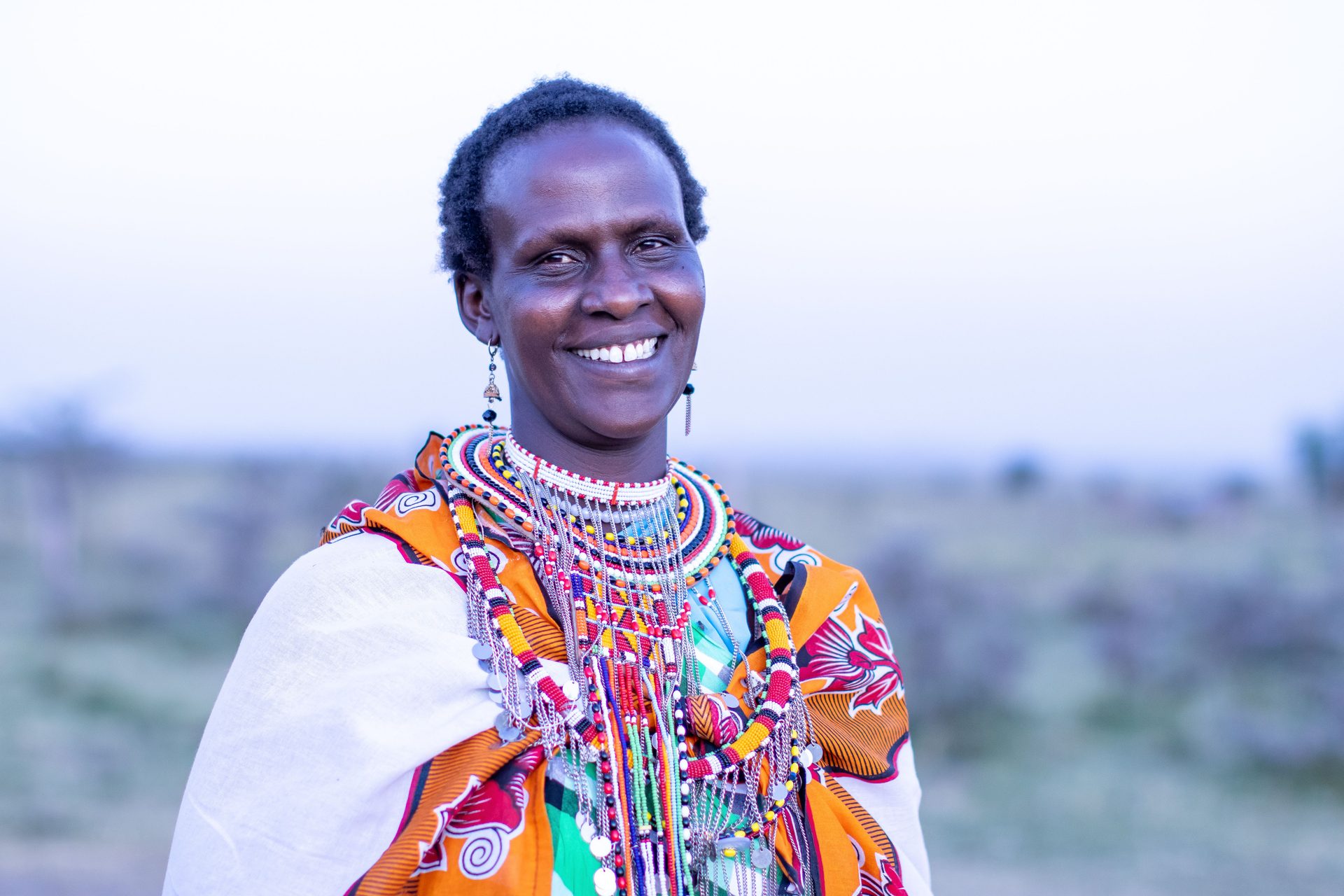
Traditional Kenyan clothing is often mistaken for something ancient and unchanged, but much of what visitors photograph on safari is newer than it looks. The red-and-blue checked cloth draped over Maasai shoulders, for instance, only replaced animal-hide garments in the 1960s , making it one of Kenya’s most recognizable textiles and also one of its more recent inventions.
Kenya is home to more than 40 ethnic communities along the coast, in the highlands, and across the Rift Valley, and each group has shaped its own approach to dress. From woven coastal wraps to beaded warrior cloaks, these garments mark age, marital status, religion, and rank. The twelve pieces below trace the threads that still run through weddings, festivals, and everyday life across the country.
| Garment | Associated Community | Typical Use |
|---|---|---|
| Shuka | Maasai | Everyday wrap, ceremonies |
| Kanga | Swahili coast | Wraps, headscarves, proverbs |
| Kikoi | Swahili coast | Men’s wrap, beachwear |
| Kitenge | Pan-Kenyan | Dresses, ceremonial wear |
| Kanzu | Swahili Muslim men | Religious and formal dress |
| Kofia | Swahili Muslim men | Cap worn with kanzu |
| Joho | Coastal elites | Ceremonial coat |
| Debwani | Swahili men | Formal underlayer wrap |
| Kaniki | Historic coastal communities | Plain everyday cloth |
| Buibui | Swahili Muslim women | Outer covering garment |
| Dera | Swahili and Somali-Kenyan women | Loose home or layered dress |
| Kilemba | Various Kenyan communities | Ceremonial turban of status |
1. Shuka
The shuka is the length of cloth draped and knotted around the body by Maasai men and women across southern Kenya and northern Tanzania. The word itself comes from the Maa language and means body wrappings , a plain description for a garment that carries a surprising amount of social information.
Before cotton arrived, Maasai herders wore animal hides treated with red ochre clay, a practice that stretches back over 1,500 years. The textile has been around for over 1,500 years and was traditionally produced with animal hides and skin rubbed with red ochre . American unbleached muslin, known locally as merikani, later replaced hides in the 1800s before giving way to the woolen and cotton checked cloth seen today.
Color still does real work in shuka dress. Blue shuka is traditionally worn by married individuals, while boys wear black in the months surrounding their circumcision ceremony , and older generations often favor ochre-dyed red for its practical camouflage against the savanna.
- Red shuka: courage, worn during the Adumu jumping ceremony
- Blue shuka: married status
- Black shuka: boys near circumcision age
- Checked red-and-blue: the pattern most associated with Maasai identity internationally
Pro Tip: If you are buying a shuka as a souvenir in Kenya, ask the seller about the color before purchasing. Several hues carry specific meaning within Maasai communities rather than being purely decorative.
2. Kanga
Kanga is the printed cotton cloth most associated with Swahili coastal dress, and it remains one of the most widely worn pieces of traditional Kenyan clothing today. Sold in matching pairs, each kanga measures roughly 150 by 110 centimeters and follows a fixed structure: a patterned border (pindo) surrounding a central motif (mji) and Swahili proverb or phrase (jina) .
The name likely comes from the guinea fowl, since kangas have been a traditional type of dress amongst women in East Africa since the 19th century , with early designs echoing the bird’s black-and-white spotted feathers. Historians trace the raw cloth to merikani, the same American unbleached cotton that shaped the shuka’s history, imported through Zanzibar and Mombasa.
Beyond the border and motif, the proverb printed along the edge is the garment’s real message. Women have long used kanga sayings to comment on relationships, politics, and daily life, a practice that distinguished stylish, freely chosen dress from the plainly dressed women who were enslaved or recently freed from slavery in the 19th century coastal economy.
Key Insight: A kanga is never considered complete without its jina, the printed Swahili proverb. Buying one without reading the phrase means missing half the garment’s purpose.
3. Kikoi
The kikoi is a woven cotton wrap historically worn by Swahili fishermen and coastal men, distinguished from the printed kanga by its striped, textured weave rather than block-printed patterns. It typically wraps around the waist, though it doubles as a shoulder cloth, headscarf, or beach towel depending on the occasion.
Along Kenya’s Indian Ocean coast, the kikoi has become a flexible, everyday textile rather than a formal one. The kikoi (a woven textile adapted across garment categories) now appears in shirts, bags, and home textiles sold well beyond Kenya’s coastline. Travelers visiting coastal towns like Lamu and Malindi often pick up a kikoi as both clothing and keepsake, a crossover similar to how patterned accessories cross categories in general clothing and style trends worldwide.
4. Kitenge
Kitenge is the bold, wax-printed cotton fabric found across East and Central Africa, closely related to the Ankara prints of West Africa but with its own regional motifs and naming conventions. In Kenya, kitenge is cut into dresses, shirts, head wraps, and accessories for both daily wear and ceremonial occasions like weddings and graduations.
What sets kitenge apart from plainer cottons is the density of its pattern work. Designs are often named after events, proverbs, or public figures, giving each print a story much like the symbolic silk motifs found in traditional Chinese clothing, where pattern and color likewise signal meaning rather than simple decoration.
Because kitenge is mass-produced and relatively affordable compared to hand-woven textiles, it has become one of the most accessible forms of traditional Kenyan clothing, worn by people across income levels and age groups.
5. Kanzu
The kanzu is a long, ankle-length robe, usually white or cream, worn by Muslim men along Kenya’s Swahili coast and in neighboring Uganda and Tanzania. Its simple, collarless cut reflects centuries of trade and cultural exchange with the Arabian Peninsula, where similar long robes have long been standard formal dress.
A kanzu is typically reserved for Friday prayers, Eid celebrations, weddings, and other formal religious occasions, though some older men wear it daily. The robe’s clean lines serve the same purpose as flowing formal tunics found elsewhere, including the long thobe-style garments documented in traditional Pakistani clothing, where modest, loose-fitting robes similarly signal respect and religious observance.
A kanzu is rarely worn alone for formal events. It is usually paired with a kofia cap, and for the most ceremonial occasions, topped with an embroidered joho coat.
6. Kofia
The kofia is a brimless, cylindrical cap, typically white and embroidered with intricate geometric or floral patterns, worn by Swahili Muslim men on Kenya’s coast. It functions much like the kufi or taqiyah caps worn across other Muslim communities worldwide, serving as a marker of religious identity alongside everyday style.
Embroidery quality and complexity on a kofia can signal craftsmanship and, in some cases, the wearer’s standing within the community. Hand-stitched versions with raised, white-on-white patterns are especially prized and often reserved for weddings and religious holidays rather than daily wear.
Regional cap traditions exist worldwide in forms that carry similar weight, from the embroidered kofia to the felt and embroidered hats found in traditional German clothing, where headwear likewise ties to specific regions and occasions rather than being purely decorative.
7. Joho
The joho is an ornate, often floor-length coat worn over a kanzu by Swahili men of status, historically linked to coastal sultans, chiefs, and dignitaries along Kenya’s shoreline. Made from velvet or brocade and trimmed with gold or silver thread, it signals rank in a way few other Kenyan garments do.
Today, the joho appears mainly at weddings, cultural ceremonies, and formal civic events, where it functions as a visible marker of heritage rather than daily attire. Its role as status-marking outerwear places it alongside other formal ceremonial coats worn across cultures, including the layered formality seen in traditional Japanese clothing, where outer robes similarly distinguish rank and occasion.
Important Note: A joho is almost always worn as part of a complete outfit with a kanzu underneath and a kofia on the head, not as a standalone garment.
8. Debwani
Debwani refers to a woven, often checkered or striped cloth traditionally worn by Swahili men as part of formal coastal dress, sometimes as an underlayer or wrap beneath a kanzu and joho combination. Its patterned weave sets it apart from the plain white kanzu, adding texture and visual contrast to a formal outfit.
Because debwani is less documented outside coastal Kenya than garments like kanga or kanzu, exact regional variations in its styling can differ between communities and towns. What remains consistent is its role as a supporting piece, meant to complement rather than replace the main robe. Woven textiles that carry this layered, complementary role appear in other dress traditions too, including the structured draping found in traditional Indian clothing, where woven fabrics are similarly built in layers.
9. Kaniki
Kaniki is a plain, undyed or black cotton cloth with a loaded history on Kenya’s coast. In the 19th century, it was the cheap, unadorned cloth associated with enslaved people and the region’s poorest residents, a stark contrast to the vivid, proverb-printed kanga that emerged around the same period.
That contrast was not accidental. Historians note that colorful, patterned cloth gave free coastal women a way to visually distinguish themselves from more plainly dressed women who were enslaved or recently freed from slavery , with kaniki representing the plain end of that spectrum. Today the cloth survives mostly in historical and cultural discussions of coastal dress rather than in regular wear.
10. Buibui
The buibui is a loose, usually black outer garment worn by Muslim women along Kenya’s Swahili coast, covering the body from head to ankle for modesty in public settings. It is frequently paired with a headscarf and, in more conservative communities, a face veil.
Functionally, the buibui serves the same purpose as the abaya worn across much of the Muslim world, prioritizing coverage and practicality over ornamentation. Full-coverage garments built around climate and modesty norms appear in many regional dress traditions, including some of the protective, practical layers documented in traditional Australian clothing, where rugged conditions similarly shaped simple, functional silhouettes.
Unlike the colorful kanga or kitenge, the buibui’s deliberate plainness is the point. It allows a woman to move through public space with minimal visual attention, a choice rooted in both religious practice and coastal social custom.
11. Dera
The dera is a loose, ankle-length dress worn by women in Kenya’s Swahili and Somali-Kenyan communities, typically made from lightweight cotton or synthetic fabric in floral or abstract prints. Its relaxed cut suits the heat of Kenya’s coastal and northern regions, where tighter-fitting garments are impractical for daily chores.
A dera is often worn at home or layered under a buibui or headscarf when a woman steps outside, making it a flexible piece that shifts between private and semi-public dress codes. Loose, breathable silhouettes built for hot-weather comfort show up across many dress histories, including some of the practical, roomy garments found in traditional American clothing from earlier frontier and homesteading eras.
12. Kilemba
The kilemba is a turban or elaborate headwrap historically worn by chiefs, elders, and men of standing among several Kenyan communities, including Swahili and various Bantu groups along the coast and interior. Wound from a single length of cloth into a distinctive shape, it serves as a visible marker of authority and respect rather than everyday headwear.
Styles of winding and color choice can vary by region and occasion, with more elaborate folds reserved for weddings, installations of chiefs, and major cultural festivals. The kilemba’s role as a status symbol tied to age and rank echoes turban traditions found elsewhere in the world, much like the ceremonial headwraps documented within broader South Asian dress customs.
Though less commonly seen today than kanga or kitenge, the kilemba remains an important part of ceremonial dress whenever communities mark leadership, heritage, or significant life events.
Conclusion
Traditional Kenyan clothing is less a single style than a patchwork of regional histories, religious practices, and social signals stitched together over centuries. A shuka tells you about age and marital status at a glance, a kanga speaks through its printed proverb, and a joho announces rank the moment it is worn.
Understanding these twelve garments offers a clearer view of how Kenya’s many communities use cloth to communicate identity, belief, and belonging, long before a single word is spoken.