Can You Freeze Macaroni and Cheese? Storage Tips That Actually Work

November 4, 2026
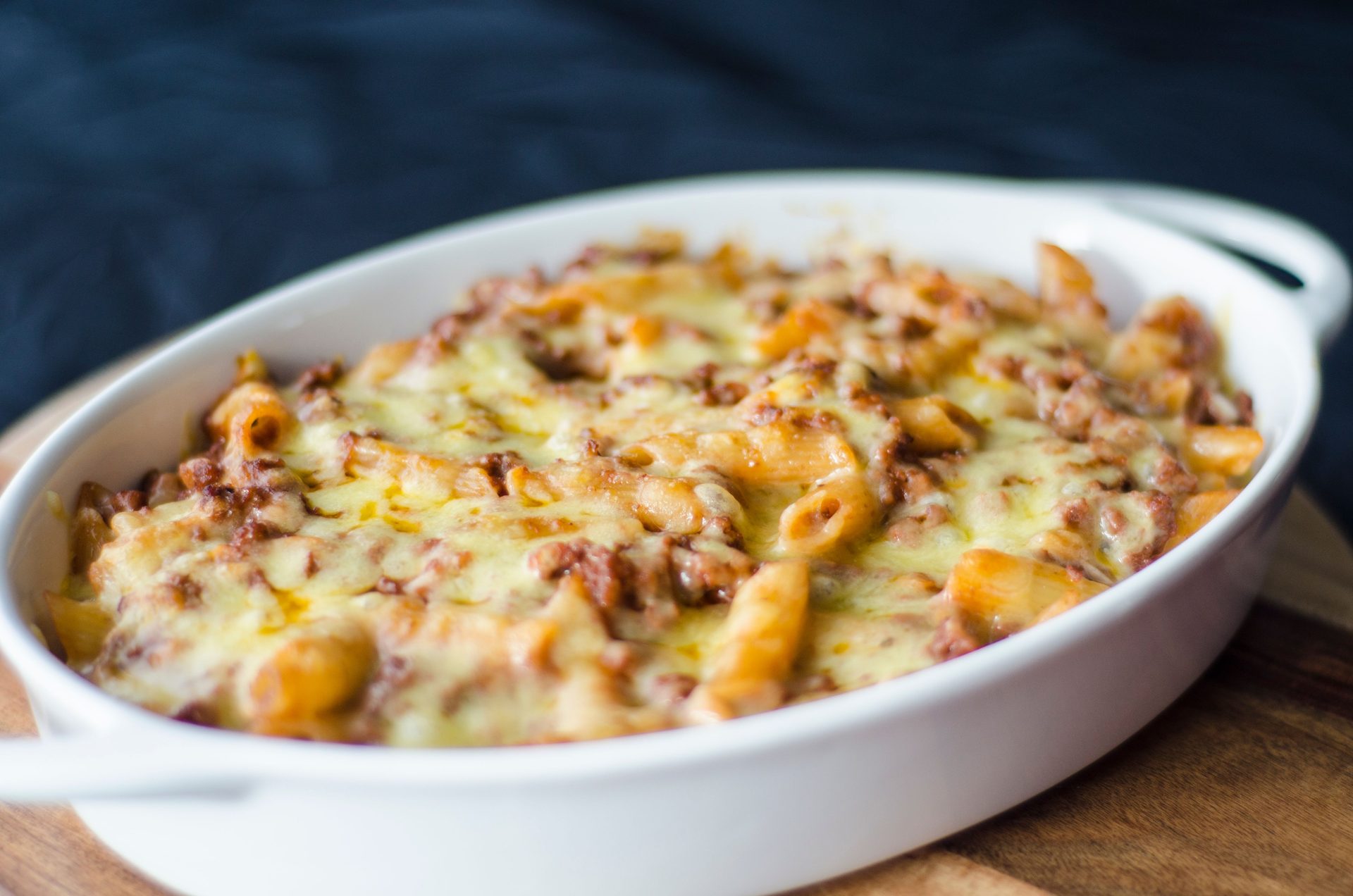
Macaroni and cheese is one of America’s most beloved comfort foods, and making a big batch only to have leftovers sitting in the fridge is a familiar situation for most households. The good news: you don’t have to eat it within three days or toss it. Freezing mac and cheese is a practical, reliable option when you know what you’re doing.
Whether you made a creamy stovetop version, a baked casserole for a family gathering, or a quick box of Kraft for the kids, this guide covers everything — from how freezing affects texture to the right way to thaw and reheat so your mac and cheese actually tastes good the second time around.
Can You Freeze Macaroni and Cheese?
Yes, you can freeze macaroni and cheese for up to three months. The creamier the sauce, the better it will hold up in the freezer. This applies to homemade stovetop mac and cheese, baked casseroles, and even box varieties like Kraft or Velveeta.
Freezing mac and cheese is a smart and convenient way to always have extra on hand, making it easy to grab for lunch, dinner, a spur-of-the-moment potluck event, or a holiday get-together. The key is in the preparation — both how you cook it and how you package it before it goes into the freezer.
If you’re using a baked mac and cheese recipe, you can freeze the prepared but unbaked mac and cheese, then bake it once thawed and ready to serve. This approach often yields the best texture because the pasta hasn’t gone through the heat of baking twice.
Pro Tip: If you’re making mac and cheese specifically to freeze, cook a slightly larger batch of sauce than you think you need. A wetter dish going into the freezer means it will still be creamy after the pasta absorbs moisture during the freeze-thaw cycle.
Does Freezing Change the Texture or Taste of Macaroni and Cheese?
Freezing mac and cheese can make the finished product seem softer and mushier than normal, but it shouldn’t alter the taste at all. During the freezing process, pasta can soak up the cheesy sauce, causing the mixture to become dry — but this can be fixed by adding milk or extra cheese.
The science behind the texture change comes down to ice crystals. The higher fat content from ingredients like whole milk, real butter, and robust cheeses like sharp cheddar or Gruyère prevents the sauce from breaking or turning grainy when it thaws. Low-fat dairy has a higher water content, which forms ice crystals that destroy the sauce’s emulsion and ruin the texture.
The taste of mac and cheese can be a little bland after freezing, so adding some extra seasoning during cooking — such as nutmeg or paprika — can help bring the flavor out once it is reheated. This is a small step that makes a noticeable difference when you’re serving it weeks later.
Baked mac and cheese with breadcrumb toppings is worth a special mention. That signature crunch from the breadcrumbs is the first thing to go — once they freeze and thaw, they get sad and soggy. The better move is to freeze the mac and cheese without the topping, then whip up a fresh batch of buttered breadcrumbs and sprinkle them on top before it goes into the oven.
How to Freeze Macaroni and Cheese the Right Way
Getting the prep steps right before the dish even touches the freezer makes all the difference. Follow these steps for the best results:
- Undercook your pasta slightly. Cook pasta until just shy of al dente — 1 to 2 minutes less than the shortest time on the package instructions. This keeps your noodles from turning mushy after freezing and reheating.
- Use full-fat ingredients. Go all-in with full-fat ingredients: whole milk for creaminess and fat content, real butter as the foundation of a good roux, and high-fat cheeses like sharp cheddar, Gruyère, or Colby, which melt beautifully and are less likely to separate.
- Cool completely before freezing. Cool the mac and cheese to room temperature before freezing — this prevents condensation, which could lead to sogginess. Don’t rush this step.
- Cool pasta and sauce separately (for make-ahead batches). The one rule to always follow for make-ahead mac and cheese is to cool your pasta and sauce separately. Rinse pasta under cold water, then spread it out onto a baking sheet to cool.
- Portion before freezing. Divide mac and cheese into airtight freezer containers in serving-size portions. Single servings thaw faster and reduce waste.
- Seal tightly to prevent freezer burn. Cover baking dishes tightly with aluminum foil, or press out the excess air and seal the bags. Lay zip-top bags flat in the freezer.
- Label with the date. Label the container with the date, as homemade mac and cheese can be frozen for up to three months.
Pro Tip: Adding a layer of shredded cheese on top before freezing can help keep moisture out and also provide extra creaminess when reheating.
How Long Can You Freeze Macaroni and Cheese?
For the best flavor and texture, enjoy your frozen mac and cheese within two to three months. Technically, it will stay safe to eat much longer as long as your freezer holds a steady 0°F (-18°C), but after the three-month mark, you’ll start to notice a real decline in quality.
Mac and cheese can be frozen for up to three months. It will remain safe to eat for longer, but the cheesy dish can absorb off-flavors if stored beyond that window. For Velveeta-based mac and cheese specifically, it is probably best eaten within three months of freezing.
| Type of Mac and Cheese | Best Quality Window | Safe to Eat (at 0°F) |
|---|---|---|
| Homemade (stovetop or baked) | Up to 3 months | Longer, but quality declines |
| Boxed (Kraft, store brand) | Up to 3 months | Longer, but quality declines |
| Velveeta-based | Up to 3 months | Longer, but quality declines |
| Unbaked (prepared, not cooked) | Up to 3 months | Bake directly after thawing |
According to the USDA Food Safety and Inspection Service , leftovers can be kept frozen for 3 to 4 months. Although safe indefinitely, frozen leftovers can lose moisture and flavor when stored for longer times in the freezer.
How to Thaw Frozen Macaroni and Cheese
How you thaw mac and cheese has a direct impact on the final texture and food safety. You have three options, each with trade-offs:
Refrigerator thawing (best method): The best way to thaw frozen mac and cheese is always overnight in the fridge. Thawing can take several hours to a full day depending on portion size, but this slow process helps preserve the texture of the macaroni and the creaminess of the cheese sauce. Once thawed, it should be eaten within two to three days for the best flavor and texture.
Microwave thawing (faster option): Microwave thawing is a quick method. Place the mac and cheese in a microwave-safe container and defrost it at 50% power for two minutes, then stir and continue to defrost in one-minute increments at 50% power until fully thawed. If you thaw in the microwave, plan to eat it right away.
Countertop thawing (avoid this): Countertop thawing is not recommended for mac and cheese, as it can lead to bacterial growth. For safety and quality, it’s best to avoid this method. The USDA FSIS also advises that you should not refreeze any foods left outside the refrigerator longer than 2 hours — or 1 hour in temperatures above 90°F.
Pro Tip: Even with perfect prep, the pasta can soak up a bit more moisture than you’d like. If your mac and cheese looks a little dry after reheating, don’t panic — just stir in a splash of warm milk. It works to bring back that creamy consistency.
Can You Refreeze Macaroni and Cheese After Thawing?
This is one of the most common questions about frozen mac and cheese, and the answer depends on how you thawed it. According to the USDA FSIS , once food is thawed in the refrigerator, it is safe to refreeze it without cooking, although there may be a loss of quality due to the moisture lost through thawing.
It is also safe to refreeze any food remaining after reheating previously frozen leftovers to the safe temperature of 165°F. If a large container of leftovers was frozen and only a portion is needed, it is safe to thaw the leftovers in the refrigerator, remove the needed portion, and refreeze the remainder without reheating it.
That said, refreezing mac and cheese specifically is not ideal for quality. Refreezing the food might result in undesirable changes in texture and some loss of flavor, but it will be safe to eat — provided it was thawed properly in the refrigerator. The dairy-heavy sauce in mac and cheese is particularly prone to becoming grainy or separated after a second freeze cycle, so portion your mac and cheese before freezing to avoid needing to refreeze at all.
How to Use Frozen Macaroni and Cheese (Best Uses After Freezing)
Once thawed, mac and cheese is just as versatile as when it was freshly made. Here are the best ways to reheat and use it:
Oven reheating (best for casseroles): You can reheat mac and cheese in the oven at 350°F for 20–25 minutes, covered with foil. This method works especially well for baked mac and cheese or large family-sized portions. Remove the foil in the last few minutes if you want a lightly browned top.
Stovetop reheating: Transfer thawed mac and cheese to a saucepan over medium-low heat. Add a splash of milk and stir frequently to prevent sticking. This is the best method for stovetop-style recipes because you can control the consistency as the sauce loosens.
Microwave reheating: When reheating in a microwave, heat it until it reaches 165°F as measured with a food thermometer. Stir every 60–90 seconds for even heating. Add a tablespoon of milk before microwaving to keep it creamy.
Beyond straight reheating, thawed mac and cheese works well in these applications:
- Stuffed into bell peppers and baked for a weeknight dinner
- Mixed with cooked ground beef or pulled pork for a hearty one-dish meal
- Used as a filling for grilled cheese sandwiches or quesadillas
- Topped with breadcrumbs and broiled for a quick baked mac and cheese effect
- Served as a side dish alongside roasted chicken, BBQ ribs, or pulled pork — a classic American pairing
If you enjoy exploring comfort food traditions and want inspiration for pairing mac and cheese with other dishes, check out this look at famous foods in Boston or browse food festivals in Texas for regional American food ideas that complement a good mac and cheese spread.
Signs That Frozen Macaroni and Cheese Has Gone Bad
Even in the freezer, mac and cheese can go bad — or at least degrade to the point where it’s not worth eating. Here’s what to look for before you reheat a batch:
- Sour or rancid smell: Spoiled mac and cheese will have an off smell, unlike its usually creamy and cheesy smell. It should be discarded if it has a sour, rancid, or rotten smell.
- Visible mold: The most apparent sign that mac and cheese is bad is the growth of mold. If you see fuzzy white spots or green particles, discard it immediately.
- Unusual color: A yellowish or brownish tint can be a sign of spoilage. Some color change from freezer burn is cosmetic, but significant discoloration paired with other warning signs means it should go in the trash.
- Slimy texture: If the mac and cheese becomes slimy or excessively dry, it may be spoiled.
- Freezer burn patches: According to the USDA FSIS , freezer burn does not make food unsafe — it merely dries out spots. It appears as grayish-brown leathery spots caused by air contact with the food’s surface. Cut freezer-burned portions away before or after cooking, but heavily freezer-burned foods may have to be discarded for quality reasons.
- Off taste after reheating: If it tastes sour or off, it’s best to discard it immediately.
Important Note: Freshness and quality at the time of freezing affect the condition of frozen foods. Foods frozen at peak quality emerge tasting better than foods frozen near the end of their useful life. Freeze items you won’t use quickly sooner rather than later.
For broader food safety and storage guidance, the USDA FSIS Leftovers and Food Safety page is a reliable reference. You can also explore whole plant-based foods if you’re looking to add more variety to your meal prep rotation alongside freezer-friendly comfort foods.
Frequently Asked Questions
Can you freeze mac and cheese made from a box?
Yes, Kraft mac and cheese can be frozen once cooked. Just follow the standard steps for freezing a cooked mac and cheese. You can also make boxed macaroni and cheese with butter and water instead of butter and milk, as this can help its texture stay better after freezing.
Can you freeze mac and cheese in a Ziploc bag?
Yes, you can. Resealable freezer-safe food storage bags are perfect for storing mac and cheese flat in the freezer. Press out as much air as possible before sealing, and lay the bag flat so it freezes in an even layer that’s easy to stack and thaw.
Can you freeze mac and cheese with toppings like breadcrumbs?
It’s best to skip the toppings before freezing. It’s best not to add toppings like crackers or grated cheese to mac and cheese you wish to freeze, as they can become soggy when defrosted. Instead, add the toppings after you’ve defrosted and cooked the mac and cheese.
How do you keep mac and cheese creamy after freezing?
When thawed, give it a stir to combine any ingredients that may have separated during the freezing process. If the mac and cheese seems dry, you can add in a bit of milk and some grated cheese before reheating. Starting with a full-fat sauce and slightly undercooked pasta also helps significantly.
How long is mac and cheese good for in the fridge before freezing?
When stored correctly, mac and cheese can last for three to five days in the fridge. It must be placed in the fridge within two hours of cooking in a shallow airtight container. If you know you won’t eat it within that window, freeze it sooner rather than later for the best results. You can also explore other creative food storage ideas to reduce waste across your kitchen.