How Much Does It Cost to Build a House in Queensland? A Complete Price Breakdown

October 20, 2026
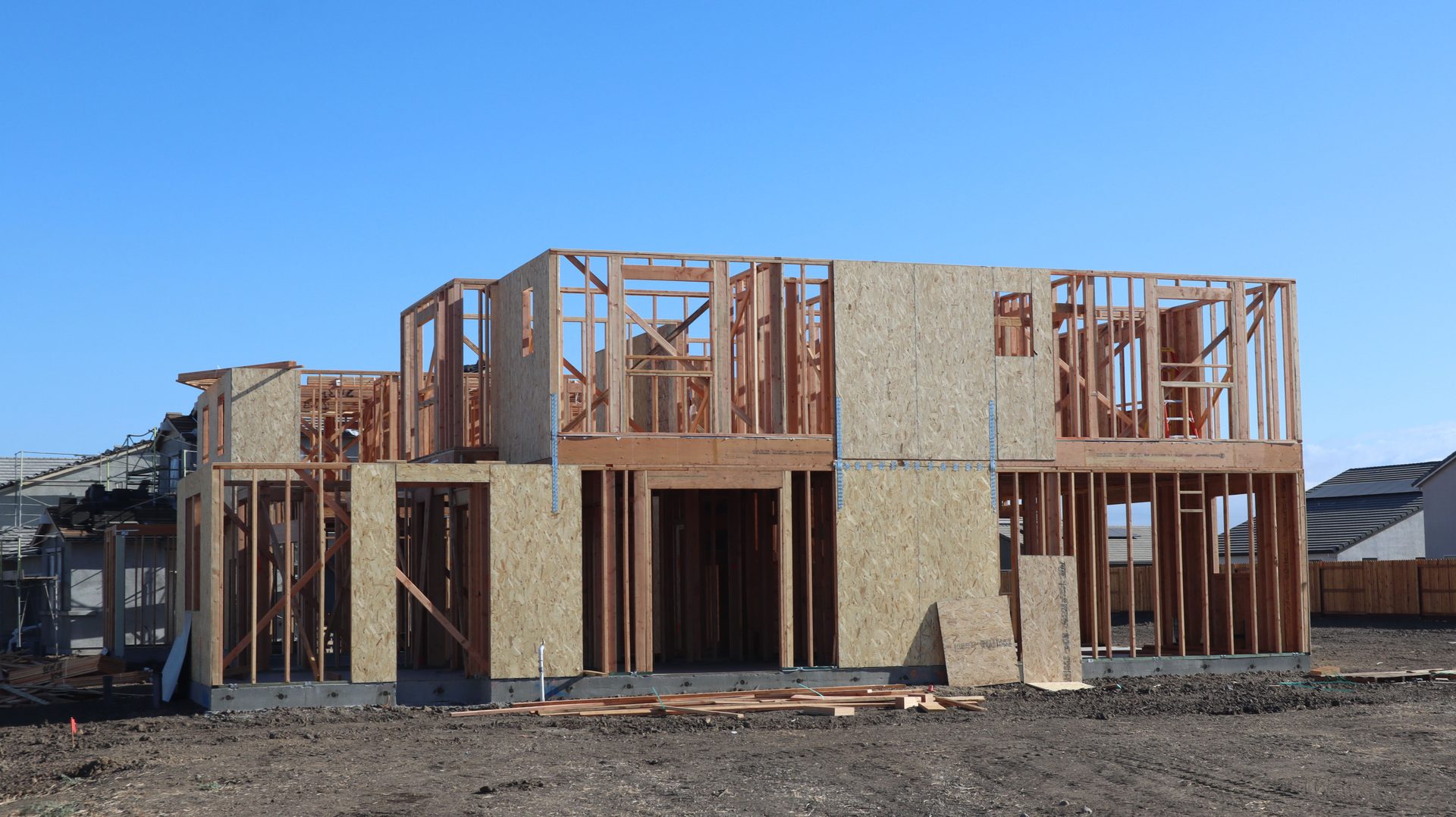
Building a house in Queensland puts you in control of every detail — from the floor plan to the finishes — but it also means navigating one of the most complex financial decisions you’ll ever make. Before you break ground, you need a clear picture of what you’re actually spending and where your money goes.
Whether you’re planning a modest project home in regional Queensland or a custom build in Brisbane’s inner suburbs, costs can swing dramatically based on location, size, and design choices. This guide walks you through current building costs, land prices, the key factors that shape your budget, and practical strategies to keep spending under control.
Average Cost to Build a House in Queensland
According to the Australian Bureau of Statistics (ABS), the average cost to build a home in Queensland sits at $450,806, based on a typical family home with a 245 sqm floorplan, 4 bedrooms, 3 bathrooms, and a double garage. That figure is a useful starting point, but it is far from the whole story.
Building a house in Queensland can cost you between $300,000 and $800,000 or more, depending on size, location, and finishes. At the higher end of the market, particularly in Brisbane and the Gold Coast, total costs climb well above that range once land and premium inclusions are factored in.
As of November 2024, Realestate.com.au reports that building a home in Brisbane typically costs between $2,800 and $4,950 per square metre. For an average-sized Queensland home of approximately 226.1 square metres, total building costs usually range from about $633,080 to $1,119,195.
Key Insight: The ABS average of $450,806 reflects construction costs only and excludes land, site works, council fees, and landscaping. Your real all-in budget will be higher — often significantly so.
Regional Queensland tells a different story. The average cost of a new home build in Townsville varies between $1,600 and $2,500 per m², with more complex or larger home designs driving costs higher and simpler designs reducing them. In Central Queensland areas such as Rockhampton, expect around $1,600–$2,600 per m² for quality construction with a reputable builder.
Cost to Build a House Per Square Metre in Queensland
The per-square-metre rate is the most common way builders and quantity surveyors price a new home. It gives you a reliable baseline for comparing quotes and planning your budget — though it is important to understand what those figures include and exclude.
| Build Type | Cost Per m² (Queensland) | Typical Total (226 m²) |
|---|---|---|
| Budget / Entry-Level Build | $1,700 – $2,200 | $384,000 – $497,000 |
| Standard Project Home | $2,200 – $3,000 | $497,000 – $678,000 |
| Mid-Range / Upgraded Finishes | $3,000 – $4,000 | $678,000 – $904,000 |
| High-End / Custom Build | $4,000 – $5,500+ | $904,000 – $1,243,000+ |
Building in Queensland typically costs $1,700–$3,300 per m² in 2026, with a 200 m² home costing approximately $440,000–$594,000 for construction. At the premium end, custom and high-end projects are pushing past $5,000 per m², with some luxury or Olympic-linked builds reaching up to $12,000 per m².
A Turner and Townsend report reveals that Brisbane is now one of the most expensive cities to build in Australia, surpassing Sydney and Melbourne. Olympic infrastructure is putting added pressure on labour and material availability, pushing budgets higher across the board.
Pro Tip: Larger homes often cost less per square metre because fixed costs — such as scaffolding, council approvals, and foundation equipment — are spread across more floor area. A 260 m² home can work out cheaper per m² than a 170 m² home.
These figures exclude land, landscaping, major upgrades, council fees, and site works. In Queensland, soil conditions vary suburb to suburb, so site works alone can range from $10,000 to $45,000 or more.
Cost Breakdown: What You’re Actually Paying For in Queensland
Understanding where your construction budget goes helps you make smarter decisions and spot where savings are possible. A new home build in Queensland involves several distinct cost categories beyond just bricks and mortar.
Labour remains the largest portion of the budget, covering builders, electricians, plumbers, and carpenters. With steady demand and limited trades, wages remain firm, directly influencing the cost per square metre of a home build.
Building materials will typically make up to 45% of the total cost of a new home build. Supply shortages for home building materials have driven up costs in recent years post-pandemic, with house construction prices rising by 40.8% from September 2020 to June 2024.
Here is a realistic breakdown of where your money goes on a standard Queensland build:
- Labour (builders, trades, specialists): 30–35% of total build cost
- Materials (framing, roofing, brickwork, flooring, fixtures): 40–45% of total build cost
- Site preparation and earthworks: $15,000–$45,000+
- Council approvals and building permits: Varies by local government area
- Utility connections (water, electricity, gas, sewage): $5,000–$20,000+
- Flooring (if not in base package): $4,000–$12,000+
- Basic landscaping: $5,000–$20,000+
- Contingency buffer (recommended): 10–15% of total construction cost
Important Note: Many builder base prices do not include site costs, council fees, driveway construction, utility connections, or landscaping. Always ask for a full inclusions list before signing any contract.
The construction industry has seen a sharp increase in costs due to supply chain disruptions and labour shortages. According to CoreLogic’s Cordell Construction Cost Index (CCCI), residential construction costs in Australia grew by 3.4% over the 12 months to December 2024. Planning a 10–15% contingency buffer into your budget from day one is strongly recommended.
Cost of Land in Queensland
Land is often the single biggest variable in your total build budget, and Queensland’s land market has shifted considerably in recent years. Where you choose to buy will have as much impact on your final spend as the home you build on it.
According to late 2024 to 2025 data, Brisbane land costs roughly $702,000 to $720,000 on average. The median across southeast Queensland is estimated to have surged higher, to around $1,000 per square metre, which includes data from the Gold Coast, Moreton Bay, Logan, and Ipswich.
More affordable options exist if you are willing to look beyond the inner suburbs. South East Queensland’s median price for a block of land has hit $483,600, with Brisbane’s prices even higher at $685,000, making it Australia’s second most expensive city for land after Melbourne. Moving away from the city centre can lower costs, with Ipswich and Logan still among the most affordable areas, with median prices of $445,900 and $420,500 respectively.
| Location | Approximate Land Price |
|---|---|
| Brisbane (city average) | $685,000 – $720,000 |
| Gold Coast | $483,600+ (median SEQ) |
| Ipswich | ~$445,900 |
| Logan | ~$420,500 |
| Mackay (regional QLD) | $200,000 – $300,000 |
| Townsville (regional QLD) | Varies by suburb and size |
As of January 2025, land prices in Mackay typically range between $200,000 and $300,000 for a standard 700 m² block, though the final cost depends on the exact location and the land’s condition. Regional Queensland continues to offer significantly more affordable land options for buyers who do not need to be in the southeast corner.
One important advantage when building: stamp duty is one of the biggest costs associated with buying a house, but in Queensland, you only pay stamp duty on the cost of the land when building a new house, which could save you tens of thousands of dollars. If you are exploring housing costs in other markets for comparison, you might also find it useful to review apartment costs in Miami or apartment pricing in Seattle to see how Queensland stacks up globally.
Factors That Affect Building Costs in Queensland
No two builds are identical, and a wide range of variables can push your budget up or bring it down. Understanding these factors before you commit to a design or block of land gives you far more control over the final cost.
Location within Queensland
In Queensland, expect $1,800–$3,500 per m² depending on where you build. Brisbane and the Gold Coast remain higher due to population growth and skilled labour demand, whereas North Queensland and inland towns present lower per-square-metre rates but can face higher material transport costs.
Block characteristics and site conditions
Not all parcels of land are created equal. Your project will cost more if you purchase a block of land that needs complex earthworks, or a sloped block that requires a split-level house design. Coastal properties may also require additional engineering for wind resistance and corrosion protection.
Home size and design complexity
Larger homes and multi-storey builds require more materials and labour. A simple single-storey layout with a straightforward floor plan will always be more affordable than a double-storey custom design. Open-plan layouts tend to be more cost-efficient than compartmentalised floor plans with many separate rooms.
Level of finishes and inclusions
Basic finishes lower the average cost, while luxury upgrades and features such as swimming pools increase the price significantly. Kitchens, bathrooms, and flooring are the areas where costs can escalate fastest when you upgrade from standard to premium specifications.
Labour availability and Olympic demand
Construction costs are rising in Brisbane due to a mix of inflation, labour shortages, and Olympic-related demand. Material prices are volatile, trades are harder to book, and regulations for sustainable building have added new cost layers.
Common Mistake: Accepting a single builder quote and treating it as the final price. Always get at least three quotes and ask each builder to itemise site costs, inclusions, and exclusions separately. Provisional sums in contracts can mask significantly higher real costs.
Builder type
Project home builders often provide affordable packages, while custom builders charge higher prices. For first-time builders, a project home from a volume builder is typically the most cost-predictable path, as designs are pre-approved and materials are sourced in bulk.
Material costs and supply chains
Building costs are being driven higher by persistent material shortages, transport and import costs, and a lack of skilled workers. These pressures have been compounded by slow planning approvals and increased land prices. Sourcing materials locally where possible can help manage both cost and delivery timelines. You can find more information on managing construction budgets through the Australian Government’s MoneySmart
planning tools.
Building vs. Buying a House in Queensland
The build-versus-buy question is one every Queensland homebuyer eventually faces. Both paths have genuine financial and lifestyle trade-offs, and the right answer depends on your priorities, timeline, and budget flexibility.
According to the ABS, the average cost to build a new home in Queensland is $450,806 for an average family home with a 245 sqm floorplan. When you add the average land price of $437,900 based on a 420 m² lot, the total cost to build sits at approximately $888,706. In comparison, the average house price in Brisbane has now surpassed $1 million, making it more expensive upfront to buy an established property.
Building also comes with a significant tax advantage. The major benefit is that you won’t pay stamp duty on the cost of the house itself. In Queensland, stamp duty is only paid on the cost of the block of land when building a new house. This can save you tens of thousands of dollars compared to buying an existing home.
| Factor | Building New | Buying Established |
|---|---|---|
| Upfront cost | Lower in some markets | Higher in Brisbane ($1M+) |
| Stamp duty | On land only | On full purchase price |
| Customisation | Full control | Limited without renovation |
| Move-in timeline | 4–12+ months | 30–90 days typically |
| Hidden repair costs | Minimal (new build warranty) | Possible with older homes |
| Energy efficiency | Built to current standards | May need upgrades |
| Government grants | First Home Owner Grant eligible | Limited eligibility |
New homes in Queensland are also covered by builder’s insurance, providing quality assurance for new homeowners for up to the first 7 years. This warranty protection is a meaningful financial safeguard that established homes do not provide.
On the other hand, many established homes are located in older suburbs with tree-lined streets, larger blocks, and easy access to public transport, shops, and schools. These suburbs are often fully developed, which means no surprise construction zones or undeveloped infrastructure.
While an existing home may look picture-perfect, older properties often come with unexpected issues like outdated wiring, ageing plumbing, or structural wear and tear. A thorough building and pest inspection is a must before signing.
If you are weighing up housing costs in other cities as part of your broader research, it is worth looking at apartment costs in San Francisco or Manhattan apartment pricing to understand how Queensland’s market compares internationally. For those also exploring greenhouse construction as part of a property project, greenhouse building costs provide useful context on smaller-scale construction budgeting.
How to Save Money When Building a House in Queensland
Reducing your build cost does not mean cutting corners on quality. With the right planning decisions made early, you can bring your budget down meaningfully without compromising the home you end up with.
Choose a single-storey design
Single-storey designs are typically more cost-effective and quicker to build. Double-storey homes require additional structural engineering, more complex roofing, and extra labour — all of which add to your final bill. If your block allows it, a well-designed single-storey home delivers more value per dollar spent.
Opt for an open-plan layout
Open-plan layouts maximise usable space and minimise unnecessary construction costs. Fewer internal walls mean less framing, less plastering, and lower labour hours. An open-plan kitchen, dining, and living area is both a cost-saver and one of the most sought-after features in modern Queensland homes.
Select a flat, easy-to-build block
Site preparation is one of the most variable costs in any build. A flat block with good soil classification will require far less earthworks than a sloped or rocky site. Choosing an easy-to-build block of land and building in a less populated area are two of the most effective ways to keep your total project cost down from the start.
Use a project home builder
You can lower costs by choosing a project builder, limiting upgrades, using cost-effective finishes, and signing a fixed-price contract to avoid price increases during construction. Volume builders negotiate bulk pricing on materials and use pre-approved plans that have already been through council, which reduces both cost and timeline uncertainty. For additional ideas on cost-effective building approaches, resources at Realestate.com.au
cover design and builder selection in detail.
Source materials locally
Builders often recommend sourcing locally to manage material cost inflation and maintain control over timelines and quality. This is especially relevant in regional Queensland, where freight costs for materials sourced from Brisbane or interstate can add a meaningful premium to your build.
Explore government grants and concessions
If you’re planning to build your first home, it’s a smart move to look into the Queensland Government’s range of financial support options. From the First Home Owner Grant to transfer duty concessions on vacant land, these initiatives can help reduce the upfront costs of getting into your new home. Eligibility varies depending on your circumstances, so it’s worth checking the official Queensland Government website for the latest details.
Pro Tip: Lock in a fixed-price contract before construction begins. With labour and material costs still under pressure from Olympic-related demand and supply chain constraints, a fixed-price agreement protects you from cost escalations mid-build.
Build a modest size with a smart layout
Larger homes don’t just cost more overall — they usually reduce your price per m². A 260 m² home might cost less per m² than a 170 m² home because the fixed costs (scaffolding, approvals, foundation equipment) are spread out. The sweet spot is a home that is large enough for your needs but not so large that you are paying for space you will rarely use.
Get multiple quotes and use a quantity surveyor
Compare at least three builder quotes to check inclusions. Quantity surveyors are independent experts who assess construction and additional costs. A quantity surveyor can identify where a builder’s quote is light on detail, flag potential cost overruns before they happen, and give you a realistic budget to take to your lender. You can also compare housing costs in other markets — such as Washington DC apartment prices or New Jersey apartment costs — to frame Queensland’s market in broader context. For those building in regional areas, Louisiana housing costs offer an interesting comparison point for value-driven markets.
Building a house in Queensland remains one of the most rewarding ways to get exactly the home you want — but it rewards those who plan carefully, ask the right questions, and keep a firm grip on their budget from day one. The more clarity you have before you sign anything, the better your chances of finishing on time, on budget, and genuinely happy with the result.