How Much Does It Cost to Build a House in Austin, Texas?

October 21, 2026
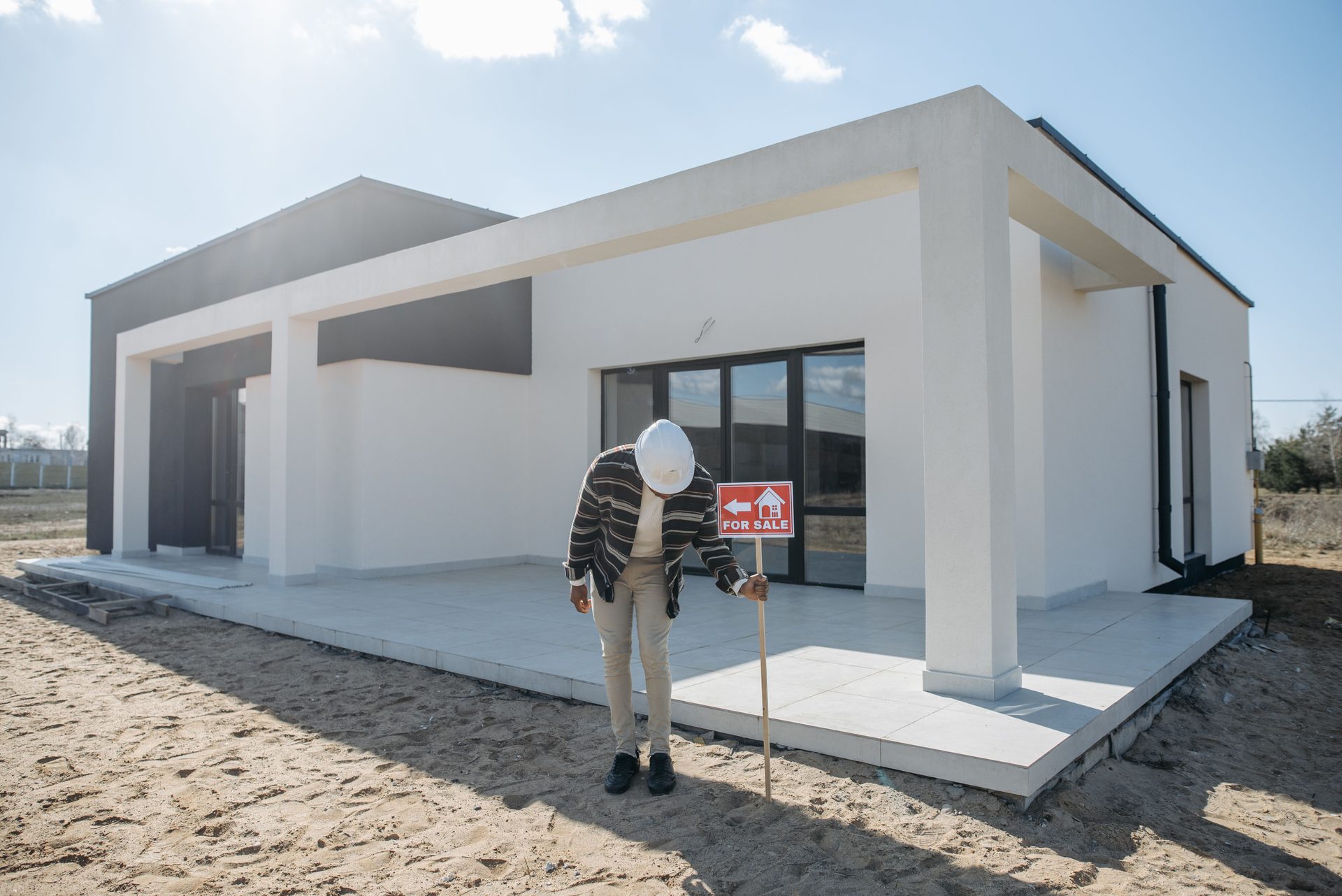
Building a house in Austin, Texas is one of the most financially significant decisions you can make — and the price tag can vary by hundreds of thousands of dollars depending on where and how you build. In recent years, building a home in Austin has meant navigating a dynamic market shaped by fluctuating material prices, labor demand, and evolving land values. Whether you’re dreaming of a modest starter home in the suburbs or a custom build in the hills, understanding the real numbers before you break ground can save you from serious budget surprises.
This guide walks you through every major cost category — from per-square-foot construction rates and land prices to permit fees and money-saving strategies — so you can plan your Austin build with confidence.
Average Cost to Build a House in Austin, Texas
The average price to build a house in Austin is approximately $447,500, and that figure can climb well beyond $650,000 once you factor in land costs, excavation, permits, and other expenses. That said, the range is wide. Entry-level homes with standard finishes typically start at $150–$250 per sq ft, while mid-range custom builds fall between $250–$350 per sq ft. For high-end or architect-designed properties in luxury zones like Westlake or Zilker, costs can exceed $400–$600 per sq ft — meaning a typical 2,500 sq ft custom home in Austin might cost anywhere from $375,000 to over $1.5 million, exclusive of land.
Plan on $400,000 to $800,000 total for most new construction projects, including land and upgrades. For buyers considering a full custom build, the numbers shift even higher. You can expect to pay between $1.2M and $1.8M for a mid-range custom home in the 3,000–4,000 square foot range.
Key Insight: Austin is consistently the most expensive city in Texas for new construction. According to 2025 data, Austin remains the priciest at around $230 per sq ft, while rural counties are still below $160 per sq ft.
Beyond hard construction costs, soft costs — which include permits, design and engineering fees, builder insurance, and financing — account for another 10–25% of the total budget. Always build that buffer into your financial plan from day one.
Cost to Build a House Per Square Foot in Austin, Texas
The per-square-foot rate is the most useful benchmark for budgeting a new home in Austin, but it varies considerably by home type and finish level. As of 2025, the average cost for building a new home in Austin ranges from $160 to $220 per sq ft, depending on the home type, materials, and location within the city.
Here is a breakdown of typical per-square-foot costs by construction tier, based on recent market data:
| Home Type | Cost Per Sq Ft | Example: 2,500 Sq Ft Home |
|---|---|---|
| Entry-Level / Standard Finishes | $150 – $250 | $375,000 – $625,000 |
| Mid-Range Custom | $250 – $350 | $625,000 – $875,000 |
| High-End / Luxury Custom | $400 – $600 | $1,000,000 – $1,500,000+ |
| Ultra-Luxury / Bespoke | $500 – $1,500+ | $1,250,000+ |
The cost of building in Austin is significantly higher than the state average because of land costs, popularity, and its status as a high-value urban area. High demand for skilled labor and rising prices of construction materials, such as lumber and concrete, contribute to these elevated costs.
Timeline is also a key variable to plan around. While standard production homes might complete in 8–10 months, fully custom builds in Austin typically take 10 to 16 months, depending on the scope, permitting delays, material lead times, and builder availability.
Pro Tip: Smaller homes often cost more per square foot than larger ones because fixed costs like permits, foundation engineering, and utility hookups are spread across fewer square feet. If budget is a concern, building slightly larger can sometimes be more cost-efficient on a per-square-foot basis.
Cost Breakdown: What You’re Actually Paying For in Austin, Texas
Understanding where your construction dollars go helps you make smarter trade-offs. A realistic Austin home build involves several major cost categories — some visible, some easy to overlook.
Site Work and Foundation
Foundation and site work typically consume 15–20% of the total budget. This phase includes essential elements like engineering requirements, soil testing, and land preparation. Topography — whether sloped, wooded, or rocky — affects grading, foundation design, and infrastructure needs, often adding $10K–$50K in unexpected site prep costs.
Framing and Structural Systems
Foundation work runs approximately $8–$15 per sq ft and covers excavation, concrete pouring, and slab or pier installation. Framing costs $15–$25 per sq ft and builds the structural skeleton, including walls, floors, and roof. Framing materials — including the foundation, lumber, and steel beams — will typically require $20,000 to $50,000.
Mechanical Systems
Mechanical systems such as electrical, plumbing, and HVAC follow closely behind framing as a large share of the budget. The cost to install sinks, faucets, showers, and PVC pipes throughout a home runs between $154 and $202 per hour plus materials.
Exterior and Roofing
Roofing typically costs $5,000–$12,000 depending on home size, roof pitch, and material. Windows and doors run $10,000–$20,000 for standard installations. Vinyl siding costs $8–$12 per sq ft, while brick or fiber cement options cost more.
Interior Finishes
Interior finishes are where costs can escalate quickly based on your choices. Custom cabinetry typically ranges from $5,000–$30,000 per room depending on materials and complexity. Countertop costs vary dramatically, from $20 per square foot for standard materials to $200 per square foot for premium options. Flooring choices span from $3–$20 per square foot.
Permits and Soft Costs
Permit fees typically run $5,000 to $15,000, and land preparation costs add another $1,500 to $3,000. Cities like Austin may require $5,000 to $20,000 in permitting and inspection fees. These soft costs are often underestimated in early budgets.
Important Note: Always budget for 20–30% more than the base construction cost. Hidden expenses — from utility hookups to landscaping to furnishings — add up fast and rarely appear in an initial builder quote.
Interior Furnishings
For a 2,000 sq ft home, you should budget at least $20,000 for interior furnishings including labor. This covers furniture, appliances, electronics, and bathroom essentials before move-in.
Cost of Land in Austin, Texas
Land is often the biggest wildcard in your total build budget, and in Austin, prices vary enormously based on proximity to the city center. Lots in central Austin or Westlake may cost upwards of $500K, while land in suburban markets like Manor or Leander can still be acquired for under $100K.
On average, an acre of land in Texas costs about $29,800, but near Austin, that price drops slightly to a median of $23,837 per acre. However, those figures reflect broad averages that include outlying areas. According to Texas Real Estate Source, land within Austin city limits ranges from around $300,000 to well over $1 million per acre, depending on location, zoning, and other factors.
Here is a snapshot of land costs by Austin area:
| Area | Approximate Land Cost | Notes |
|---|---|---|
| Central Austin (Westlake, Tarrytown) | $500,000 – $1M+ per acre | High demand, scarce lots, zoning restrictions |
| Suburban (Lakeway, Dripping Springs) | $300,000 – $500,000 per acre | More flexibility, fewer zoning hurdles |
| Outer Suburbs (Manor, Leander) | Under $100,000 per acre | Lower cost, longer commute |
| Austin-Waco Hill Country Region | ~$7,306 per acre (avg.) | Affordable but may need infrastructure investment |
While rural acreage is more affordable on paper, it often requires greater investment in infrastructure such as wells, septic systems, and road access. In Central Texas, site prep alone can exceed $40,000 due to clay-rich soil and sloped terrain.
If you are comparing housing costs across Texas, it is also worth exploring what apartments cost in Austin or reviewing apartment costs statewide in Texas to understand the full spectrum of housing expenses in the region.
Factors That Affect Building Costs in Austin, Texas
While square-foot estimates provide a baseline, the true cost of building a home in Austin hinges on several interrelated factors. Location remains the most significant cost driver. But it is far from the only one.
Location and Neighborhood
A flat lot in suburban Leander will have a very different price and permitting process than a teardown in Travis Heights. Infill lots in Central or East Austin not only cost more, but often come with zoning overlays, historic restrictions, or complex tree ordinances that add cost and time.
Home Size and Design Complexity
Bigger homes mean more materials, longer timelines, and higher labor costs. Complex floor plans, open atriums, vaulted ceilings, or multi-level structures raise the price significantly. A straightforward ranch-style layout will almost always cost less per square foot than a multi-story custom design.
Materials and Finishes
Imported tiles, granite, hardwood, smart tech, and solar panels can all elevate your price per square foot. Budget builds use vinyl siding, standard drywall, and builder-grade cabinets. The gap between standard and premium finishes can easily add $50,000–$150,000 to a mid-size home.
Labor Availability
Austin’s ongoing construction boom means labor availability is stretched, especially for skilled trades like framers, electricians, and finish carpenters. Delays due to labor shortages are common, and rates are elevated as a result — sometimes leading to 10–15% cost overruns if schedules shift. Working with a builder who has established labor relationships can mitigate these risks significantly.
Material Price Volatility
In 2025, builders can expect higher per-square-foot construction costs compared to previous years, especially in residential sectors. Material prices — particularly lumber, steel, concrete, and asphalt — are experiencing moderate increases due to supply chain delays and regional demand.
Lot Conditions
Lot conditions also affect the custom home build cost. Sloped sites, poor soil conditions, tree protection requirements, and utility extensions can add meaningful expense before vertical construction even begins.
Common Mistake: Many buyers focus only on the base construction cost when budgeting. When budgeting for a new build, most buyers focus only on the base construction cost — but that is just the beginning. There are additional expenses that are often overlooked and can add $50,000–$150,000 or more to your total cost, depending on location and scope.
Builder Type
Production builders — national companies that build homes from set floor plans — typically cost less than boutique custom builders. Standard production homes run $200–$300+ per square foot, with limited customization from national builders. Mid-range custom homes with more personalization and higher-end finishes fall between $300–$450+ per square foot.
For a broader look at how Austin housing costs compare to other Texas cities, see what it costs to rent in Dallas or explore housing costs in Houston.
Building vs. Buying a House in Austin, Texas
The decision to build or buy comes down to your priorities: customization and long-term value on one side, speed and upfront cost on the other. Both paths have real financial trade-offs in the Austin market.
| Factor | Building a Home | Buying an Existing Home |
|---|---|---|
| Average Cost | $447,500+ (excl. land) | Median ~$550,000 |
| Timeline | 9–16 months | 1.5–2 months to close |
| Customization | Full control | Limited without renovation |
| Maintenance Costs | Lower (everything is new) | Higher (aging systems) |
| Energy Efficiency | Modern, optimized | Variable, often older systems |
| Budget Predictability | Lower — overruns common | Higher — fixed purchase price |
New home construction can take up to 9 to 12 months. By comparison, homes in Austin carry a median price of $550,000. While new homes take 9–12 months to complete, homes for sale in Austin close in just 1–2 months, with more listings and lower prices.
While building a new home typically costs more than buying an existing one, there are many long-term benefits. With Austin’s extreme weather, you can opt to build a new home with energy efficiency and insulation in mind. When everything in your residence is new, your maintenance costs will likely be lower than if you had purchased an existing house.
Building makes the most financial sense when you want a specific design, plan to stay long-term, or are targeting neighborhoods where existing inventory is thin. If you’re seeking modern layouts, energy-efficient systems, or a property tailored to your lifestyle, building is the better path — especially if you want to maximize ROI through smart design and efficient land use (such as ADUs or duplexes), or you’re targeting specific neighborhoods with limited resale inventory or aging housing stock.
Buying wins when speed, budget certainty, and lower upfront complexity are the priority. New construction homes in Austin take 8–10 months to build (sometimes longer), cost 10–20% more than existing homes, and most buyers spend $30,000–$60,000 on upgrades beyond the base price.
If you’re still exploring housing options across different markets, you might find it useful to compare housing costs in Miami, check out what apartments run in Washington D.C., or review Manhattan apartment costs to put Austin’s market in national perspective.
How to Save Money When Building a House in Austin, Texas
Building in Austin will never be cheap, but smart planning can meaningfully reduce your total costs. Here are the most effective strategies to keep your budget under control.
1. Choose a Simpler Floor Plan
The less complex your floor plan, the cheaper your build will be. Simple designs such as ranch-style homes are less time-consuming and less laborious to build, saving on labor hours and construction waste. Avoid unnecessary angles, bump-outs, and multi-level layouts if cost control is a priority.
2. Use Pre-Designed Plans with Modifications
Custom architecture is costly — choosing stock plans with tweaks can significantly reduce design fees. Many reputable builders offer semi-custom options that give you meaningful personalization without the full cost of a bespoke architectural design.
3. Build in the Suburbs
Building in rural Texas can save $60,000–$160,000 compared to Austin metro builds. Suburban areas like Leander, Manor, and Kyle offer substantially lower land costs and often simpler permitting processes than central Austin neighborhoods. You can explore how housing costs in North Carolina or Oklahoma compare if you’re open to other markets entirely.
4. Lock in Material Prices Early
Material costs across Texas — especially lumber, concrete, and steel — are expected to fluctuate. Securing quotes in advance and purchasing key materials early can protect you from mid-project price hikes.
5. Hire Local Builders and Suppliers
Texas-based vendors often provide better pricing, faster delivery, and more reliable availability. Local sourcing also reduces transportation fees, which continue to rise over long distances. Texas-based contractors are also more familiar with regional codes and suppliers, which reduces costly surprises during permitting and inspections.
6. Invest in Energy Efficiency Upfront
Homeowners and builders in Austin are increasingly looking at energy-efficient and sustainable building options, which can slightly increase upfront costs but reduce long-term expenses. Solar panels, spray foam insulation, and high-efficiency HVAC systems often pay for themselves within a few years in Texas’s extreme climate.
7. Check for Local Incentives
Some counties in Texas provide tax breaks or permit fee waivers. Austin Energy also offers rebates for energy-efficient building practices. Ask your builder and local municipality about any programs that apply to your project before you finalize your plans.
8. Plan for Overruns From the Start
Cost overruns are not the exception in Austin — they are the norm. The gap between a well-managed build and a poorly planned one can be hundreds of thousands of dollars. Set aside a contingency fund of at least 15–20% of your total budget and treat it as a required line item, not an optional buffer.
Pro Tip: If you’re considering building a greenhouse, workshop, or accessory structure on your property in addition to the main home, it’s worth reviewing what a greenhouse build typically costs separately so you can budget those additions accurately.
Building a house in Austin, Texas is a major financial undertaking, but it can be a rewarding one. The key is going in with accurate numbers, a realistic timeline, and a budget that accounts for the full picture — not just the base construction quote. With the right planning and the right team, you can build a home that fits your lifestyle and holds its value in one of the most dynamic real estate markets in the country.