How Much Does It Cost to Build a House in Ocala, Florida

October 21, 2026
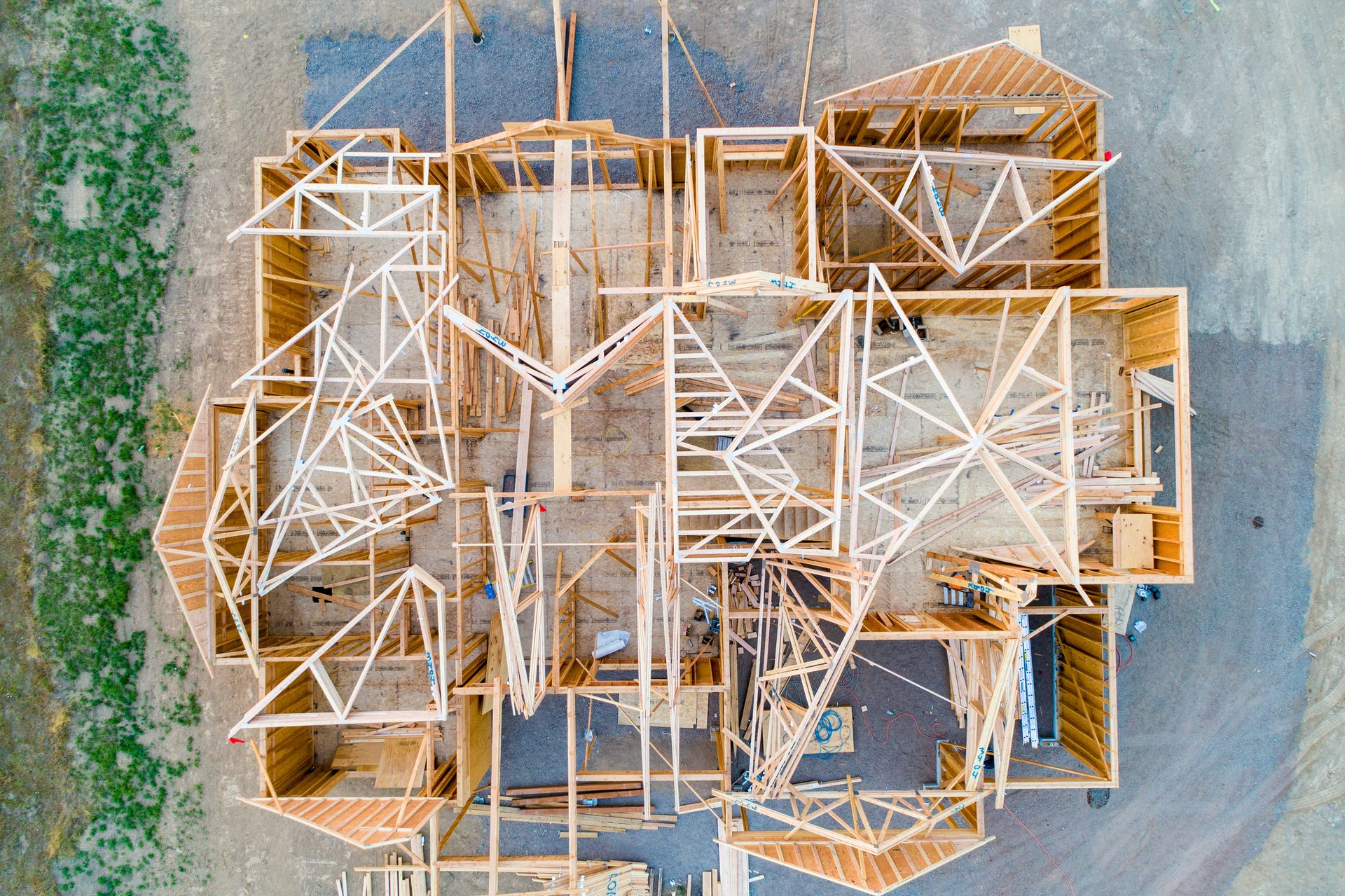
Ocala has quietly become one of Florida’s most appealing places to build a custom home. Known as the “Horse Capital of the World,” this inland North Central Florida city offers something rare in the Sunshine State: affordable land, competitive labor rates, and a growing pool of experienced local builders — all without the sky-high coastal premiums.
If you’re weighing whether to build in Ocala, the first question on your mind is almost certainly about money. What will it actually cost to break ground, frame walls, and walk through a finished front door? The answer depends on your home’s size, style, and finish level — but this guide lays out every number you need to plan your budget with confidence.
Average Cost to Build a House in Ocala, Florida
Construction costs in Ocala typically range from $220 to $525 per square foot, though additional expenses like permits, fluctuating material costs, and professional fees can significantly impact the total cost. That wide range reflects the real difference between a straightforward ranch-style build with standard finishes and a high-end custom home with premium materials and complex architectural details.
In Marion County and the Ocala area, costs are usually lower than the Florida state average, mainly because the inland location means no coastal hurricane codes apply, land is cheaper, and labor costs are more competitive than in South Florida metros.
For a practical all-in budget estimate, depending on the size and complexity of your dream home, you could be looking at a total cost of anywhere from $500,520 to over $1 million. That figure includes land, site prep, construction, permits, and finishing costs. For a more modest build, a ranch-style house in Ocala averages from $200,120 to $700,220, depending on your specific preferences and requirements.
Key Insight: Ocala sits inland, which means you avoid the elevated foundation requirements, stricter wind codes, and inflated labor costs common in coastal Florida markets. This alone can save tens of thousands of dollars on a standard build.
For context on the broader Florida market, according to the U.S. Census Bureau, the average cost to build a house in Florida in 2025 is $300,000, with costs varying based on location, home size, and customization preferences. Ocala builds can come in well below that statewide average when you choose a simpler design and standard materials.
Cost to Build a House Per Square Foot in Ocala, Florida
Per-square-foot pricing is the most useful benchmark when comparing build options. In Ocala, that number shifts meaningfully based on the quality tier you choose.
| Build Tier | Cost Per Square Foot | What’s Included |
|---|---|---|
| Basic / Entry-Level | $220 – $280 | Standard finishes, simpler designs, builder-grade fixtures |
| Mid-Range | $280 – $400 | Custom features, upgraded materials, more design flexibility |
| Custom / Luxury | $400 – $525+ | Premium finishes, complex architecture, high-end amenities |
| Modular Home | $130 – $165 | Off-site construction, faster timelines, limited customization |
A basic build in Ocala runs $220–$280 per square foot and covers standard finishes and simpler designs, while a mid-range build runs $280–$400 per square foot. Custom and luxury builds range from $250 to $350+ per square foot — costs that are still lower than coastal Florida’s, thanks to the inland location, affordable land, and competitive labor rates.
For budget-conscious builders, Ocala has lots of experienced home builders, with costs starting as low as $130 per square foot. Ultra-affordable land plus plenty of builders equals budget-friendly custom homes or modular builds.
If you’re drawn to modular construction, expect to budget between $180,020 and $560,650 for a modular house in Ocala, depending on your preferences and specifications.
Pro Tip: Smaller homes often cost more per square foot than larger ones. If you want custom features, a larger footprint can spread those fixed costs — like architectural design and permit fees — across more square footage, lowering your effective per-square-foot rate.
Cost Breakdown: What You’re Actually Paying For in Ocala, Florida
The per-square-foot number only tells part of the story. Understanding where each dollar goes helps you prioritize your budget and avoid surprises mid-build.
Building materials typically account for about half of the total construction expenses in Ocala. Expect to allocate approximately $62 per square foot for materials, which includes flooring, drywall, siding, and lumber, as well as fixtures, insulation, and roofing materials.
Here is a phase-by-phase look at where your money goes on a typical Ocala build:
- Foundation: The foundation constitutes about 3.7% of the total construction cost. The average cost to pour a concrete foundation is $26,800. In Ocala, standard slab-on-grade construction is common since elevated foundations required in flood zones are less frequently needed inland.
- Framing: Foundation, lumber, and steel beams for framing will require about $20,000 to $50,000. Wood framing is the most common and affordable option, though concrete block (CMU) is widely used in Florida for its durability.
- Electrical: Electrical work for new construction in Ocala runs around $4.72 to $8.50 per square foot, covering the initial setup including wiring and outlets, as well as finishing touches like lighting fixtures and switches.
- Roofing: Roofing costs hinge on factors including the material you choose, the pitch of your roof, and the size of your home. Asphalt shingles are the most affordable option, while metal and tile roofing carry higher upfront costs but offer better longevity in Florida’s climate.
- Insulation: Based on the type of insulation — batting, blown-in, or spray foam — this process for energy efficiency and comfort can cost about $4,000, or $1.50 to $5.00 per square foot.
- Drywall: Drywall installation can cost between $8,000 and $30,000 for a 2,000-square-foot house.
- Cabinets and Countertops: Cabinet installation can range between $2,200 and $24,600 for a 150-square-foot kitchen.
- Plumbing Fixtures: The cost to install sinks, faucets, showers, and PVC pipes throughout a home is between $4,180 and $5,400.
- Permits and Fees: Building permits are legal documents that authorize the construction process. Permit costs and building codes are usually based on the construction type, occupancy type, home building area, and project scope.
- Interior Furnishings: For a 2,000-square-foot home, you should budget at least $20,000 for interior furnishings.
Important Note: Site preparation is a cost that many first-time builders overlook. If your lot is uneven or requires fill material, expect $5,000 to $25,000 in site prep costs. Always have a soil assessment done before finalizing your land purchase.
Cost of Land in Ocala, Florida
Land is one of the biggest variables in your total build budget — and one of Ocala’s strongest selling points. Ocala offers cheap land, low taxes, and excellent zoning support. Known for its equestrian charm, it’s one of Florida’s best-kept secrets for custom home builds.
There are currently over 1,000 properties for sale near Ocala, with an average listing price of $493,475. The average cost to buy land near Ocala is $107,660 per acre. That average, however, is pulled upward by larger parcels and equestrian properties. Residential building lots are often far more accessible.
In suburban areas of Central Florida, half-acre lots range from $60,000 to $120,000. If the lot already has water, sewer, and electric access, you can save $10,000 to $20,000 on utility hookup costs — a meaningful difference when you’re managing a tight budget.
For comparison, Southeast Florida (Miami-Dade, Broward, Palm Beach) land runs $50,000 to $150,000+ per acre, while Central Florida along the I-4 Corridor (Orange, Hillsborough, Polk) averages $15,000 to $40,000 per acre. Ocala and Marion County generally sit at the more affordable end of that Central Florida range, making it one of the better value markets in the state for land acquisition.
If you’re also exploring apartment living as an interim option while your home is being built, it’s worth reviewing apartment costs in Orlando or checking out the broader Florida apartment cost overview to plan your housing transition.
Pro Tip: Buying a lot that already has utilities stubbed to the property line can save you a significant amount on hookup fees. Always ask the seller or your real estate agent whether water, sewer, and electric connections are already in place before making an offer.
Factors That Affect Building Costs in Ocala, Florida
No two builds cost the same. Several key variables will push your budget higher or lower than the average ranges above.
Home Size and Layout Complexity
It’s a common misconception that smaller homes are always cheaper. In fact, smaller homes can cost more per square foot, especially if you want custom features in a tighter footprint. Two-story homes add costs for engineering, framing, and sometimes foundation reinforcement, and complex layouts — such as multiple rooflines or split-level designs — bump up labor and design fees.
Construction Method and Materials
Your structural system has a major impact on both upfront and long-term costs, especially in Florida. Wood framing is the cheapest upfront but least durable in hurricanes. CMU (concrete block) is a common mid-range option — solid but not highly energy efficient. ICF (Insulated Concrete Forms) costs more upfront but offers superior storm resistance, energy savings, and long-term value.
Labor Availability and Skilled Trades
Florida’s high demand for construction labor raises wages to $50–$75 per hour for skilled workers. Ocala tends to have more competitive labor rates than coastal markets, but demand for experienced tradespeople has grown as the area attracts more new construction projects. Scheduling your build during slower construction seasons can sometimes reduce labor costs.
Material Price Volatility
According to Construction Dive, 82.5% of construction materials have experienced significant cost increases since 2020. Lumber, concrete, and steel prices can shift substantially between the time you sign a contract and when materials are delivered. Locking in material prices early with your builder is a smart protective move.
Hurricane-Resistant Features
Hurricane safety features, such as impact-resistant windows and elevated foundations, provide protection against severe weather conditions — and add to your budget. While Ocala’s inland location spares you from the most stringent coastal wind codes, Florida-wide building requirements still mandate certain storm-resistant construction standards. Upgrades like hurricane-proofing add to costs but save money long term.
Luxury Finishes
Luxury finishes significantly impact construction budgets. Premium flooring, such as hardwood or marble, costs $10–$30 per square foot, while custom cabinetry adds between $20,000 and $50,000, depending on materials and design. Though luxury finishes may add initial costs, they add long-term value to your home.
Building vs. Buying a House in Ocala, Florida
One of the most important financial decisions you’ll make is whether to build from scratch or purchase an existing home. In Ocala, the math is more nuanced than in most Florida markets.
As of January 2026, homes in Ocala were listed at a median price of $303,000, with a median value of $173 per square foot. That makes existing homes in Ocala relatively affordable compared to the rest of Florida — which raises the bar for a new build to pencil out financially.
Generally, buying is cheaper upfront, while building may offer higher ROI over time — especially if done in affordable, high-growth areas like Ocala. Here’s how the two options compare across the factors that matter most:
| Factor | Building New | Buying Existing |
|---|---|---|
| Upfront Cost | $400,000–$700,000+ (all-in) | ~$303,000 median (as of Jan 2026) |
| Customization | Full control over layout and finishes | Limited to what the home already has |
| Timeline | 4–15+ months to completion | 30–60 days to close |
| Maintenance | Lower near-term costs with new systems | Potential for immediate repair costs |
| Energy Efficiency | Built to current codes; lower utility bills | Older systems may be less efficient |
| Long-Term ROI | Strong in growing markets | Depends heavily on condition and location |
Buying a house typically takes 1 to 2 months, while building a home from scratch can take 10 months to over a year. Move-in-ready homes eliminate the waiting period and potential construction delays. Standard new home construction in Ocala, however, takes approximately 4 to 7 months from permit to move-in — faster than the Florida average — which narrows that timeline gap considerably.
The primary reason building a home is a better option for many buyers is the freedom to customize to exact specifications and preferences. Newer construction also meets the latest building codes and includes energy-efficient features that can reduce future energy expenses.
For the first time in decades, new homes are cheaper than existing ones in many markets — a situation that is quite rare. Builders are offering great incentives, mortgage rates are stable, and Florida remains a top choice for families and retirees.
If you’re comparing housing costs across Florida before making a final decision, resources like Miami apartment costs and statewide Florida apartment prices can help you frame the broader picture. You might also find it useful to explore how other major purchases fit into your overall financial planning.
Common Mistake: Many prospective builders compare only the construction cost to the purchase price of an existing home. Always factor in land, permits, site prep, and soft costs when making an apples-to-apples comparison. The all-in build cost is almost always higher than the base construction estimate.
How to Save Money When Building a House in Ocala, Florida
Building a home in Ocala is already more affordable than most of Florida, but there are several proven strategies to stretch your budget even further without sacrificing quality.
1. Choose a Simpler Floor Plan
Complex rooflines, irregular shapes, and multi-story designs all increase labor and engineering costs. A straightforward single-story rectangular or L-shaped plan reduces framing complexity, lowers roofing costs, and speeds up the build timeline. You can always upgrade finishes down the line without blowing your budget during construction.
2. Lock In Material Prices Early
Material cost volatility is one of the biggest budget risks in new construction. Ask your builder to lock in pricing for lumber, concrete, and other major materials as early in the process as possible. This protects you from mid-build price spikes that can add tens of thousands of dollars to your final bill.
3. Use a Design-Build Firm
Miscommunication between architects, engineers, and builders is one of the biggest causes of cost overruns. A design-build firm brings everyone under one roof, so your plans are drawn with your budget in mind from the start — no surprises, no finger-pointing.
4. Buy a Lot With Utilities Already in Place
If the lot already has water, sewer, and electric access, you can save $10,000 to $20,000 on utility connection costs. This is one of the most overlooked line items in a new build budget, and it’s entirely avoidable with the right land selection.
5. Take Advantage of Builder Incentives
Builder incentives currently include mortgage rate buydowns (2-1 or 3-2-1 programs), closing cost assistance of $6,000 to $10,000+, free upgrade packages, and price reductions averaging 5–6%. About 60–78% of builders are currently offering some form of incentive on new and quick move-in homes.
6. Consider a Modular or Spec Home
Modular construction is gaining ground as an option. While not always cheaper, modular builds offer predictable costs and faster timelines. If full customization isn’t your top priority, a spec home or semi-custom modular build can deliver significant savings over a fully custom project.
7. Get Itemized Bids and Compare Contractors
Don’t accept vague estimates. Ask for a clear breakdown that includes all line items. Knowing the full scope before you commit keeps your expectations — and your finances — in check. Getting at least three bids from licensed Ocala-area contractors gives you real market pricing and negotiating leverage.
8. Plan for a Contingency Budget
Even the most carefully planned builds encounter unexpected costs. Standard advice is to set aside 10–15% of your total construction budget as a contingency reserve. In Ocala, where site conditions are generally favorable and weather delays are less severe than on the coast, you may not need all of it — but having it available prevents costly financing scrambles mid-project.
If you’re building a greenhouse or other outbuildings alongside your main home, reviewing greenhouse construction costs can help you budget those additions separately. For those researching housing costs in other states before deciding where to build or rent, resources covering North Carolina apartment costs, Michigan apartment costs, and Ohio apartment costs offer useful regional comparisons.
Key Insight: Look for builder incentives in new communities, which sometimes cover permits or design fees. Secure financing early, as construction loans often require 20% down payments and strict draw schedules. Getting pre-approved before you shop for land puts you in a much stronger negotiating position with both landowners and builders.