How Much Does It Cost to Build a House in Colorado Springs?

November 13, 2026
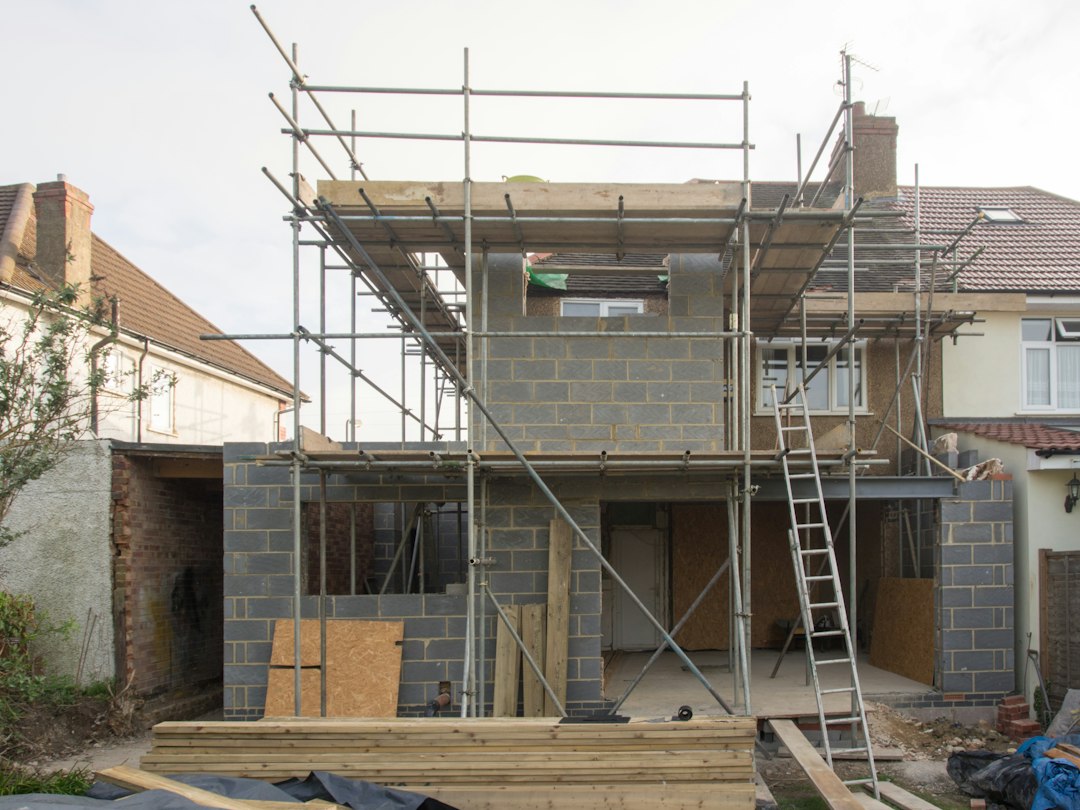
Building a house in Colorado Springs puts you at the foot of Pikes Peak with access to mountain scenery, a strong job market, and a lifestyle that draws thousands of new residents every year. But before you break ground, you need a clear picture of what that dream actually costs.
Construction prices in Colorado Springs span a wide range depending on the type of home, the lot you choose, and the finishes you want. This guide walks you through every major cost category — from raw land to final permits — so you can plan your budget with confidence and avoid the surprises that derail too many builds.
Average Cost to Build a House in Colorado Springs
The average cost to build a house in Colorado ranges from $300,000 to $750,000 for a basic builder-grade home, or $450,000 to $1,500,000 for a custom home, not including the land or site prep. Colorado Springs sits in the mid-range of that spectrum — less expensive than Denver or Boulder, but meaningfully above national averages.
Building costs depend on size, complexity, and finish level, with a current range of $300–$500 per square foot for custom homes, with luxury finishes and features pushing costs into the higher end of the spectrum. For a production or semi-custom build, you can expect to pay somewhat less.
While interest rates and inflation have tempered the market compared to previous years, demand for custom homes remains strong. Construction costs, impacted by supply chain adjustments, remain elevated but are more stable compared to the volatility of the last few years.
Key Insight: The total all-in cost to build in Colorado Springs — including land, site prep, permits, and construction — typically lands between $550,000 and $1,200,000 or more for a custom home. Budget beyond the per-square-foot construction number from the very beginning.
Colorado Springs remains a top destination for people seeking a balance of breathtaking scenery, outdoor activities, and high-quality living. The trend of remote work continues to attract new residents, increasing demand for custom homes in this desirable area. That demand keeps both land and labor prices elevated.
Cost to Build a House Per Square Foot in Colorado Springs
Per-square-foot costs vary significantly based on the type of build you pursue. Here is a breakdown of what you can expect across different construction tiers in Colorado Springs.
| Build Type | Cost Per Square Foot | Notes |
|---|---|---|
| Standard / Production Home | $150 – $180 | Limited floor plans and finishes |
| Value-Conscious Custom | $180 – $225 | Basic customization, standard materials |
| Mid-Range Custom | $225 – $400 | Quality finishes, more design flexibility |
| High-End Custom | $400 – $500+ | Premium materials, complex architecture |
| Luxury / Ultra-Custom | $500 – $700+ | Fully bespoke builds, high-end everything |
Production home costs in Colorado Springs range from $150 to $180 per square foot, while custom homes are in the $250–$400 per square foot range. Depending on the finishes and details, more decent custom home construction projects generally range between $225 to $400, while for more high-quality detailing and custom finishes, a homeowner can expect to pay at least $500 per square foot.
Most fully custom builds in the Colorado Springs area start around $500–$700 per square foot for mid-range finishes. Luxury home builder projects routinely land between $1.5M and $3M, sometimes considerably higher.
Pro Tip: Per-square-foot estimates almost always exclude land, site preparation, permits, and utility tap fees. When comparing builder quotes, ask specifically what is and is not included in the stated price per square foot.
Total construction costs will vary depending on the details of each project, as well as the hard and soft costs. Hard costs cover the physical aspects of the house itself like framing, foundation, plumbing, and roofing. On the other hand, architectural and engineering fees, permitting, land, and additional custom features will fall under soft costs.
Cost Breakdown: What You’re Actually Paying For in Colorado Springs
Understanding where your money goes is the first step to managing your budget effectively. Construction costs in Colorado Springs fall into two main buckets: hard costs and soft costs.
Foundation

Pouring a concrete slab foundation costs $6 to $14 per square foot or $12,000 to $28,000 total on average. Concrete slab-on-grade foundations are the most common type in Colorado due to their ability to withstand movement caused by the swell-shrink cycle of the region’s Bentonite clay soil. Alternatives include crawl spaces at $15 to $18 per square foot and unfinished basements at $35 to $50+ per square foot.
Framing and Roofing
Framing a house costs $11 to $30 per square foot or $20,000 to $70,000 total for a typical house, including the roof trusses. Framing takes 30 to 60+ days, depending on the home’s size and layout. Roof installation costs $3 to $6+ per square foot on average or around $6,000 to $18,000 total, depending on the material. Asphalt shingles are a popular roofing choice in Colorado and fall within this price range.
Electrical, Plumbing, and HVAC
- The average cost to wire a house is $4 to $9 per square foot or $8,000 to $22,500 total.
- Plumbing is roughly $4 to $6 per square foot, with the overall cost totaling between $8,000 to $12,000 for a 2,000-square-foot new construction home with two or three bathrooms.
- Furnaces are the most common heating method in Colorado. A new furnace and ductwork costs $3,500 to $7,500+, depending on the size and brand.
Interior Finishes
Interior fixtures and finishes make up a significant portion of the total construction cost, and prices can vary widely depending on the quality. Finishes include cabinets, countertops, flooring, painting or wallpaper, lighting, and more.
- Cabinets cost $150 to $500 per linear foot or $4,500 to $15,000+ total with installation, depending on if they’re stock or custom cabinets.
- Countertops cost $50 to $150 per square foot installed, depending on the material.
- Flooring costs $4 to $15 per square foot on average.
Permits and Utility Tap Fees
In Colorado Springs, building permits are around $3,500–$4,500, with tap fees totaling $20,000–$25,000. These tap fees cover your connections to municipal water, sewer, and electricity. If you are building in a more rural area like Woodmoor or Monument, higher fees apply, with utility tap fees reaching $45,000–$55,000 and permits costing around $8,000.
Labor Costs
Labor costs for skilled tradespeople like carpenters, electricians, and plumbers are a substantial component of building costs. In Colorado, the demand for labor in the construction industry has increased, particularly in urban areas, driving up wages. Labor costs for building a home in Colorado generally range from 40 to 50 percent of the overall cost of construction.
Important Note: Soil conditions in the Colorado Springs area can add unexpected costs. It is worth spending $1,000–$2,000 on a subsurface soil test to identify potential issues like clay or expansive soils before purchasing a lot. Discovering a problem after you’ve committed to a lot is far more expensive.
Cost of Land in Colorado Springs
Land is one of the most significant and variable costs in your entire project. Prices in Colorado Springs and surrounding El Paso County depend heavily on location, lot size, zoning, and access to utilities.
Land prices in Colorado Springs and surrounding areas have seen modest increases in recent years. Expect to pay between $250,000 and $500,000 for a buildable lot in El Paso County, depending on location, size, and amenities. Smaller developed lots closer to the city tend to command higher per-acre prices. The mantra of “location, location, location” has a significant effect on land pricing, as evidenced by the $50,000 to $200,000 price per acre of smaller lots in developed areas of Colorado Springs.
Beyond the purchase price, the lot itself can carry hidden costs you need to budget for:
- Utility Access: A lot without electricity can require an additional $20,000–$150,000 to bring power to the site.
- Well and Septic: Rural lots require well drilling ($15,000–$40,000) and a septic system ($20,000–$45,000, depending on system type).
- Site Clearing: Heavily treed lots in areas like Black Forest may need $15,000–$50,000 for clearing and cutting in a long driveway. Open lots with minimal obstacles may only require $5,000–$10,000 in prep work.
- Land Survey: A land survey costs $400 to $1,800 for a new home site. The surveyor will identify property boundaries and mark the proposed foundation borders and locations of utility lines.
Zoning rules add another layer of complexity. Minimum lot sizes in the city of Colorado Springs range from about a tenth to a half-acre, but if you want to build a home away from the city, zoning will often require you to purchase two, five, and even up to 35 acres, depending on the location. Always verify zoning requirements before you purchase a lot. You can explore rental costs across Colorado to compare housing options while your build is underway.
Factors That Affect Building Costs in Colorado Springs
No two builds are identical, and several Colorado Springs-specific factors can push your budget significantly higher or lower than the averages above.
Home Size and Design Complexity
The size of your home and the quality of finishes, fixtures, and materials have the biggest impact on the total construction cost. The kitchen design and the number of bathrooms also influence the cost. Irregular floor plans, vaulted ceilings, and complex rooflines all add cost per square foot compared to a simple rectangular design.
Terrain and Soil Conditions
Colorado Springs sits at the base of Pikes Peak, and the terrain shifts dramatically between neighborhoods. Black Forest, Monument, and Flying Horse each bring their own soil conditions, HOA review boards, and buildability constraints. Wildfire interface zones add another layer of complexity that most out-of-area builders are simply unprepared for.
Labor Availability
Skilled labor in Colorado is relatively expensive compared to other markets. Because labor is in short supply, demand continues to drive labor costs in every category. Scheduling your build during slower construction seasons can help you secure better contractor availability. If you are also considering renting in the area during construction, see what apartments cost in Colorado Springs to plan your temporary housing budget.
Material Costs and Supply Chains
Construction materials and labor costs are going up by 3% to 6% each year. Lumber alone contributes an average of $24,386 for home construction projects. Locking in material prices early through your builder’s contract can protect you from mid-build cost spikes.
Weather Delays
Colorado’s unpredictable weather can delay construction, leading to higher labor costs and possible material shortages. Colorado Springs averages over 300 days of sunshine per year, but late spring snowstorms and monsoon-season afternoon thunderstorms can still push timelines out and add to your overall cost.
Wildfire Safety Requirements
Preparing land in hilly or forested areas can be expensive. Implementing wildfire safety measures is also essential, adding to the overall expenses. Homes in wildfire interface zones often require fire-resistant roofing, ember-resistant vents, and defensible space landscaping — all of which add to your construction budget.
Energy Efficiency and High-Altitude Performance
Insulation values, window performance ratings, and HVAC sizing all need to account for extreme temperature swings and high-altitude sun exposure. Radon-resistant construction and proper drainage grading are non-negotiable in most local zones. These requirements are non-negotiable in most Colorado Springs zones and should be built into your budget from day one.
Common Mistake: Buyers often compare builder quotes without accounting for site-specific costs. A lower per-square-foot quote on a challenging lot can easily end up costing more than a higher quote on a flat, utility-ready lot. Always evaluate total project cost, not just the construction number.
Building vs. Buying a House in Colorado Springs
One of the most important decisions you will make is whether to build from scratch or purchase an existing home. Both paths have real financial and practical trade-offs in the Colorado Springs market.
| Factor | Building | Buying Existing |
|---|---|---|
| Upfront Cost | Higher (construction + land + fees) | Lower in most cases |
| Timeline | 9–18+ months | 1–2 months to close |
| Customization | Full control | Limited without renovation |
| Condition | Brand new, no deferred maintenance | Varies; inspection required |
| Energy Efficiency | Built to current codes | May need upgrades |
| Financing Complexity | Construction loan required | Standard mortgage |
On the buying side, data from December 2025 shows the median home sale price in the Colorado Springs Metro Region at $445,000, with an average closed price of $516,277. The Colorado Springs median price for single-family homes was $460,000 in 2025, which is 5% less than 2024, according to Great Colorado Homes. Inventory has also expanded: in March 2026, the number of houses for sale in Colorado Springs increased significantly, reaching 3,057 — 16% more homes to choose from than last year — which is great for people looking to buy, as they will have more options and leverage to negotiate.
Building, by contrast, gives you full control over layout, finishes, and energy performance, but comes at a higher all-in price point and requires navigating construction financing. Construction loans are often interest-only during the build, then converted to a standard mortgage, and typically require a down payment of 20%–30%. A construction-to-permanent loan can simplify this process by combining both stages into one closing.
The median home price in Colorado hovers around $590,000, depending on location. Building a custom home often costs more up front, but offers better long-term value if you plan to stay in the home for many years and want a property tailored precisely to your needs. If you are weighing housing options in other Colorado markets, you might also want to compare apartment costs across Colorado as part of your broader planning.
Pro Tip: If you are leaning toward building, get pre-approved for a construction loan before you start lot shopping. Knowing your budget ceiling in advance prevents you from falling in love with a lot or design that is financially out of reach.
How to Save Money When Building a House in Colorado Springs
Building in Colorado Springs does not have to mean paying top dollar at every turn. Smart planning at each stage of the process can meaningfully reduce your total cost without sacrificing quality.
Choose the Right Builder Early
Choose a reputable local builder who knows regional regulations and suppliers. A builder with deep roots in the Colorado Springs market will have established supplier relationships, familiarity with local permit offices, and experience navigating El Paso County’s specific zoning and soil conditions. This translates directly into fewer delays and fewer costly surprises. You can also research local builders through the Home Builders Association of Colorado Springs , which maintains a directory of vetted members.
Simplify Your Design
Simplify your design by limiting odd shapes, complex rooflines, and unnecessary luxury features. A straightforward rectangular or L-shaped floor plan costs less to frame, roof, and insulate than a design with multiple bump-outs and angles. Every design complication adds both material and labor cost.
Build During the Off-Season
Spring and early summer are peak seasons, and building in the fall may result in better labor availability. When contractors are less busy, you may be able to negotiate better rates and get more attention from your build team. Starting your planning and permitting process in summer to break ground in late fall is a strategy worth discussing with your builder.
Source Materials Strategically
Buy in bulk or consider salvaged materials for eco-friendly savings. For items like flooring, tile, and cabinetry hardware, purchasing slightly more than you need upfront protects against mid-project price increases and ensures consistent lot numbers for matching materials. Salvaged architectural elements — beams, doors, stone — can also add character at a fraction of the cost of new custom work.
Invest in Energy Efficiency Upfront
Use energy-efficient designs to reduce long-term utility costs. Colorado Springs sits at roughly 6,000 feet elevation with intense UV exposure and cold winters. Upgrading insulation, windows, and HVAC during the build is far less expensive than retrofitting later, and the savings on monthly utility bills compound over time. ENERGY STAR’s new homes program provides guidelines and certified builder lists that can help you plan an efficient build from the start.
Understand Your Lot Before You Buy
Many of the biggest budget overruns in Colorado Springs builds come from lot-related surprises discovered after closing. Before you commit to any parcel, be aware that cheaper lots often come with hidden costs, such as difficult access to utilities or problematic soil conditions. For example, a lot without water rights may require a cistern, which adds ongoing maintenance expenses. A soil test and a utility access assessment before purchase can save you tens of thousands of dollars. For more on managing project costs, see our guide on how much it costs to build a greenhouse for a sense of how site prep and utility access affect smaller construction projects as well.
Lock In a Fixed-Price Contract
Know whether you are signing a fixed-price or cost-plus contract. Understand how change orders are priced and approved before you need to use that clause. For luxury builds especially, having a real estate attorney review the contract before you sign is time and money extremely well spent. A fixed-price contract shifts cost-overrun risk to the builder, while a cost-plus contract passes it to you. In a rising-cost environment, fixed-price contracts offer meaningful budget protection.
Key Insight: The single most effective way to control your build budget is to make all of your design decisions before construction begins. Creating a project schedule and budget based on design documents before construction starts means fewer surprises once construction begins. Changes made after framing starts are exponentially more expensive than changes made on paper.
Building a house in Colorado Springs is a significant financial commitment, but with the right preparation, the right lot, and the right builder, it can deliver a home that is precisely tailored to your life in one of the country’s most desirable cities. Use the cost ranges in this guide as your planning baseline, get multiple bids, and factor in every line item — from soil tests to tap fees — before you sign anything. If you are still exploring your options, comparing apartment costs in Colorado Springs against your projected mortgage payment on a new build can help clarify which path makes the most financial sense for your situation right now.