
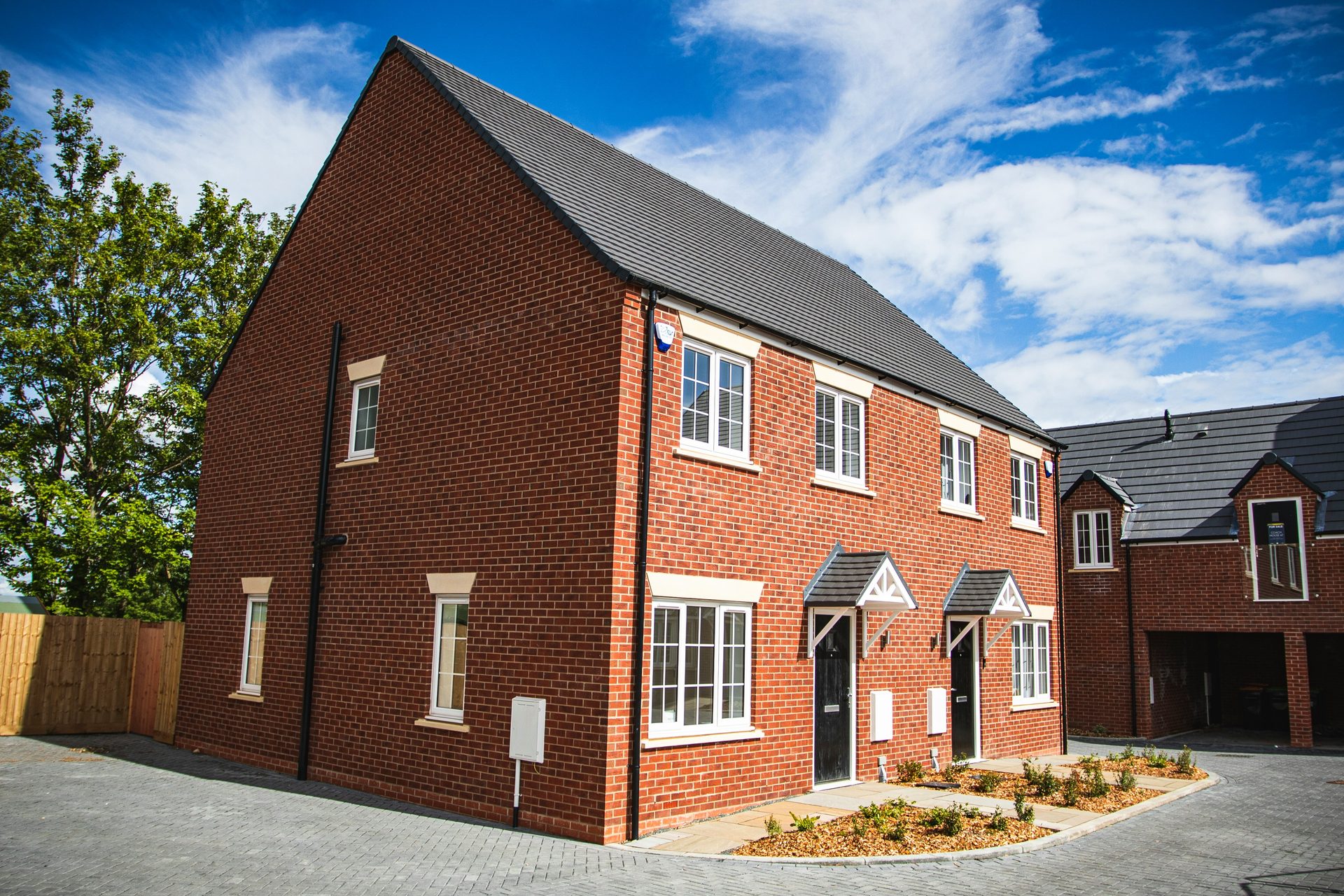
Building a house in Los Angeles is one of the most ambitious financial decisions you can make — and one of the most expensive in the entire country. Whether you’re drawn to a hillside retreat in the Hollywood Hills or a custom home in the San Fernando Valley, the costs stack up fast before a single wall goes up.
In this guide, you’ll get a clear picture of what it actually costs to build a house in Los Angeles, from per-square-foot construction rates and land prices to permits, labor, and smart ways to protect your budget.
Average Cost to Build a House in Los Angeles
On average, it costs $400–$500 per square foot to build a house in Los Angeles, though the range can run from $300 per square foot to over $800 per square foot depending on your choices. That wide spread reflects the enormous variety of neighborhoods, design styles, and finish levels across the city.
Building a house in Los Angeles costs between $200 and $650 per square foot depending on materials, design, and neighborhood — and for a standard 2,500 sq. ft. home, total costs including permits, land prep, and design fees can range from $500,000 to over $1.6 million.
Recent data shows Los Angeles construction costs jumped 6% in just the first quarter of 2025, with residential building costs surging 44% over the last five years. That upward trend shows no sign of reversing, which makes early, accurate budgeting more critical than ever.
Key Insight: The total cost to build in LA is not just construction. Land, permits, architectural fees, and soft costs can add hundreds of thousands of dollars on top of your per-square-foot build price.
Here is a quick look at estimated total build costs by home size, based on the $400–$500 per square foot average:
| Home Size | Estimated Cost Range |
|---|---|
| 1,500 sq ft | $600,000 – $750,000 |
| 2,000 sq ft | $800,000 – $1,000,000 |
| 2,500 sq ft | $1,000,000 – $1,250,000 |
| 3,000 sq ft | $1,200,000 – $1,500,000 |
| 5,000 sq ft | $2,000,000 – $2,500,000 |
These figures reflect real-world estimates from LA-based contractors: a 1,500 sq ft house runs $600,000–$750,000, a 2,000 sq ft home runs $800,000–$1,000,000, a 2,500 sq ft home runs $1,000,000–$1,250,000, a 3,000 sq ft home runs $1,200,000–$1,500,000, and a 5,000 sq ft home runs $2,000,000–$2,500,000.
Cost to Build a House Per Square Foot in Los Angeles
Your per-square-foot cost in LA depends heavily on what type of home you’re building. The cost of building in Los Angeles in 2025–2026 ranges from $250 to $500 per square foot for standard construction, with luxury or custom projects reaching $700–$1,200 per square foot.
Here’s how the major build tiers break down:
| Build Type | Cost Per Square Foot | What to Expect |
|---|---|---|
| Basic / Entry-Level | $250–$300 | Simple layout, builder-grade finishes, limited customization |
| Standard | $300–$500 | Durable materials, moderate customization, code-compliant systems |
| Custom | $300–$650 | Designed from scratch, higher-end finishes, personalized layout |
| Luxury | $700–$1,200+ | Premium materials, smart home tech, designer interiors |
A standard home built in LA costing around $500 per square foot is often the best balance between quality, design, and cost — it allows for the use of durable materials and gives you more flexibility to personalize your home with various styles and features.
Location within the city also shifts your per-square-foot cost significantly. Beverly Hills runs $700–$1,200 per sq ft with luxury materials and premium labor; West Hollywood runs $600–$1,100 per sq ft for boutique custom homes; Santa Monica runs $650–$1,150 per sq ft due to beachfront properties and strict building codes; and more suburban areas like Pasadena and Long Beach run $250–$600 per sq ft.
Pro Tip: If your budget is tight, building in suburban neighborhoods like Glendale, Burbank, or Pasadena can save you $200–$400 per square foot compared to coastal or hillside locations — without sacrificing safety or quality.
Cost Breakdown: What You’re Actually Paying For in Los Angeles
The per-square-foot figure is just the starting point. Construction costs are generally divided into key components: foundation and site prep, framing and structural work, exterior finishes, interior finishes, mechanical systems, permits and legal fees, and design and contingency costs — and each of these categories can account for 5–35% of the total budget.
Here is a breakdown of the major cost categories you’ll encounter:
- Architecture and design fees: The costs to design a new home in Los Angeles can range between $20,000 to over $100,000, depending on the type of house you want to design — and this includes the work of the architect, a structural engineer, and other sub-consultants.
- Permits and inspections: Permit costs typically range from $10,000–$50,000, with architectural fees adding another $5,000–$30,000.
- Foundation: Building the foundation depends on the slope grade and involves excavation, pouring, and backfilling — costing $4 to $25 per square foot depending on your contractor and site conditions.
- Electrical: Setting up safe electrical systems for a newly constructed house in Los Angeles ranges between $2 to $4 per square foot.
- Plumbing: Plumbing expenses for a newly constructed home run approximately $5 per square foot, with the average cost for a 2,300 sq ft property valued at $11,000 or more.
- HVAC: HVAC system installation costs depend on the contractor’s quote and the unit specifications, with the average cost of an AC unit around $7,400.
- Roofing: The average cost of roofing in Los Angeles ranges from $6,000 to $8,000.
- Exterior finishes: Exterior finishes, from siding to shingles, account for $25,000 to $60,000 of your overall home-building costs.
- General contractor fees: General contractors often charge between 15% and 20% of the total build cost to manage the project and coordinate tradespeople.
- Site preparation and utilities: Site preparation runs $5,000–$30,000 for grading, soil testing, and demolition, while utility connections for water, sewer, gas, and electricity add another $5,000–$20,000.
Important Note: Permit and utility fees are often underestimated, adding $30,000–$60,000 depending on lot conditions. Soil, grading, and plan check expenses can also come as a surprise to first-time builders.
If you’re also considering adding an accessory dwelling unit (ADU) to generate rental income, that’s worth factoring into your initial budget. You can explore the cost of building smaller structures to get a sense of how ancillary construction pricing works before committing to a full ADU scope.
Cost of Land in Los Angeles
Land is often the single largest line item in your total project budget — and in Los Angeles, it can make or break the financial case for building at all.
Los Angeles offers striking versatility in land options — from verdant hillsides to glitzy cityscapes to upscale waterfront neighborhoods. Each neighborhood has varying rates, plot sizes, and permit fees, with empty lots in residential neighborhoods typically starting from $3 per square foot, while hillside plots can reach $30 per square foot.
The cost of the land itself must be taken into consideration — depending on location, this can range from $100 per square foot up to $500 per square foot. For a standard 5,000 sq ft residential lot, that puts land alone anywhere from $500,000 to $2.5 million in premium neighborhoods.
According to Redfin, in March 2026, Los Angeles home prices were down 5.5% compared to last year, selling for a median price of $1.0M — which gives you a useful benchmark for what existing properties (land included) are trading at in the current market.
Neighborhood land values vary dramatically:
- Malibu and Pacific Palisades: Among the most expensive in the region. Building a new house in Pacific Palisades is estimated to cost $2,500,000 to $3,500,000.
- Beverly Hills, Brentwood, and Manhattan Beach: Construction prices are much higher in these upscale or coastal neighborhoods due to tighter building codes, higher labor costs, and more expensive materials.
- San Fernando Valley: The San Fernando Valley is on the lesser expensive side of Los Angeles for home building.
If you’re weighing your housing options across Southern California or other markets, it helps to compare rental and ownership costs in nearby cities. See how apartment costs in Los Angeles compare to the investment of building, or explore what housing looks like in Las Vegas and Phoenix for context on regional differences.
Factors That Affect Building Costs in Los Angeles
No two builds in LA are priced the same. Several variables push your total cost up or down, and understanding them helps you budget more accurately from the start.
Location and neighborhood: Construction costs in Los Angeles vary widely by neighborhood due to land value, demand, and local building regulations — with high-demand areas like Beverly Hills, West Hollywood, and Santa Monica commanding the highest costs, while suburban areas provide cost-effective alternatives.
Lot conditions and terrain: Homes built on hillsides require geotechnical analysis and soil stabilization measures to ensure the structure is safe and code-compliant — steps that add expense and time but prevent future structural issues. Flat lots in established neighborhoods are significantly cheaper to build on.
Labor costs: General contractors charge 15–20% of the total build cost, while plumbers, electricians, and HVAC crews often charge $125 to $200 per hour — and labor prices climb even higher on hillside lots, in tight urban areas, and when earthquake reinforcement is required.
Materials: Material costs remain elevated compared to pre-2020 levels, and industry experts project prices will stay 25–28% higher than historical trends. Material market fluctuations — such as lumber, steel, and cement — can suddenly increase costs by 20–30%, making careful financial planning essential.
Permit timelines and regulatory complexity: Los Angeles city planning requirements add significant time and cost to projects. The city’s complex zoning laws, environmental reviews, and building codes create layers of compliance costs, and building permits typically cost 0.5% to 2% of total construction costs — though LA’s additional fees and extended approval times can push these costs even higher.
Coastal regulations: Coastal properties must adhere to California Coastal Commission regulations, which affect design flexibility, permitting timelines, and potential construction costs.
Permit timeline: Permit timelines vary by project type and complexity — a single-family home may take 4 to 8 months, while ADUs typically take 3 to 6 months. Delays in permitting can push up financing costs and labor scheduling expenses.
Common Mistake: Underestimating soft costs. Architecture fees, engineering reports, soil tests, permit applications, and financing costs are often left out of early budgets — and they can add $100,000 or more to your total project cost in LA.
Taxes on materials: California’s base sales tax rate is 7.25%, but in Los Angeles it climbs to just over 9%. Contractors pay that tax when they purchase building materials, so it’s baked into the price you’re quoted.
Building vs. Buying a House in Los Angeles
One of the most practical questions you’ll face is whether to build from scratch or buy an existing home. In Los Angeles, this comparison is more nuanced than in most cities.
As of March 2026, the median sale price of a home in Los Angeles was $1.0M, and the median sale price per square foot was $629, down 4.8% since last year. That gives you a real-world baseline for what you’d pay to buy an existing home.
Building, by contrast, typically costs more per square foot but delivers a home built to your exact specifications with modern systems and energy efficiency. Whether building or buying is better depends on your goals and location — buying an existing home is usually faster and more affordable, especially in lower-demand areas, but if you want a custom-designed home or are targeting a high-end neighborhood with little inventory, building may be your only option.
| Factor | Building | Buying |
|---|---|---|
| Cost | $300–$800+ per sq ft (construction only) | Median $629/sq ft (March 2026, Redfin) |
| Timeline | 12–24+ months | Typically closes in 1–2 months |
| Customization | Full control over design and layout | Limited to existing structure |
| Modern systems | New electrical, plumbing, HVAC from scratch | May require updates or repairs |
| Energy efficiency | Built to current Title 24 California standards | Varies widely by age of home |
| Permits/delays | 4–8 months for permits alone | No permitting required |
| Hidden costs | Land, soft costs, contingency funds | Inspection issues, renovation needs |
Home values in Los Angeles don’t usually skyrocket overnight, but they hold steady and often grow over time, especially in desirable neighborhoods — and the bigger payoff of a new build often comes from living in a modern, low-maintenance house that meets the city’s current seismic and energy codes.
If you’re renting while deciding, it’s worth understanding what comparable housing costs in other major cities. You can compare San Francisco apartment costs, Manhattan apartment costs, and Miami apartment costs to see how LA stacks up against other high-cost markets.
How to Save Money When Building a House in Los Angeles
Building in LA will never be cheap, but there are real, proven strategies that help you get more home for your money without cutting corners on safety or quality.
1. Reduce your square footage strategically. Every square foot you cut saves $450–$845, so ask yourself whether you really need that 3,000 sq ft or if a tighter 2,500 sq ft layout could work just as well. Open-concept designs with fewer interior walls also cost less to frame and finish.
2. Choose standard ceiling heights. Choosing standard ceiling heights of 8–9 feet instead of vaulted or 10-foot ceilings is a straightforward way to reduce framing costs.
3. Work with the terrain, not against it. If you’re on a slope, consider a design that works with the land rather than fighting it with expensive retaining walls. This single decision can save tens of thousands of dollars in site preparation costs.
4. Build in a suburban neighborhood. High-demand neighborhoods such as Beverly Hills, West Hollywood, and Santa Monica have the highest construction costs, while suburban areas like Pasadena, Long Beach, and Glendale are comparatively more affordable.
5. Focus your finish budget on the right rooms. Splurge on the kitchen and primary bath where you’ll spend the most time, but go with mid-range finishes in secondary spaces. This approach keeps total costs in check while maximizing the areas that matter most to resale value and daily living.
6. Work with experienced local professionals. Choose a licensed contractor and architect who are familiar with LA’s building codes and requirements. Inexperienced contractors often cause costly delays, failed inspections, and rework — expenses that far outweigh any savings from a lower bid.
7. Get multiple contractor quotes. Comparing quotes from multiple contractors and builders is one of the most effective ways to identify fair market pricing and avoid overpaying for the same scope of work.
8. Set a contingency fund. Always set aside 10–15% contingency since unexpected issues such as permit delays, material price increases, or labor shortages can raise the final cost. Skipping this step is one of the most common financial mistakes first-time builders make in LA.
9. Phase your project. You can phase your project — build the core home now and add the detached ADU or pool house later. This keeps your initial financing manageable and lets you reassess costs before committing to optional additions.
10. Plan permits early and thoroughly. Pre-planning all utilities and permits helps avoid delays and additional costs that can cascade throughout the construction timeline. In LA, permit delays are one of the most common sources of budget overruns.
Pro Tip: Before breaking ground, visit the Los Angeles Department of Building and Safety (LADBS) to understand exactly what permits your project requires, what fees apply, and what timeline to expect. This one step can save months of surprises and thousands of dollars.
If you’re exploring housing costs in other cities while you plan your LA build, it’s useful to benchmark against markets like Washington D.C., Honolulu, and New Jersey to understand how LA’s costs compare to other high-cost-of-living regions. You might also find it helpful to review more affordable markets like North Carolina or Ohio if flexibility on location is on the table.
Building a house in Los Angeles demands serious financial preparation, but the result — a custom home built to modern standards in one of the world’s most desirable cities — can be a worthwhile long-term investment. The key is going in with accurate numbers, the right team, and a budget that accounts for every layer of cost before construction begins.