How Much Does It Cost to Build a House in Victoria, BC?

November 16, 2026
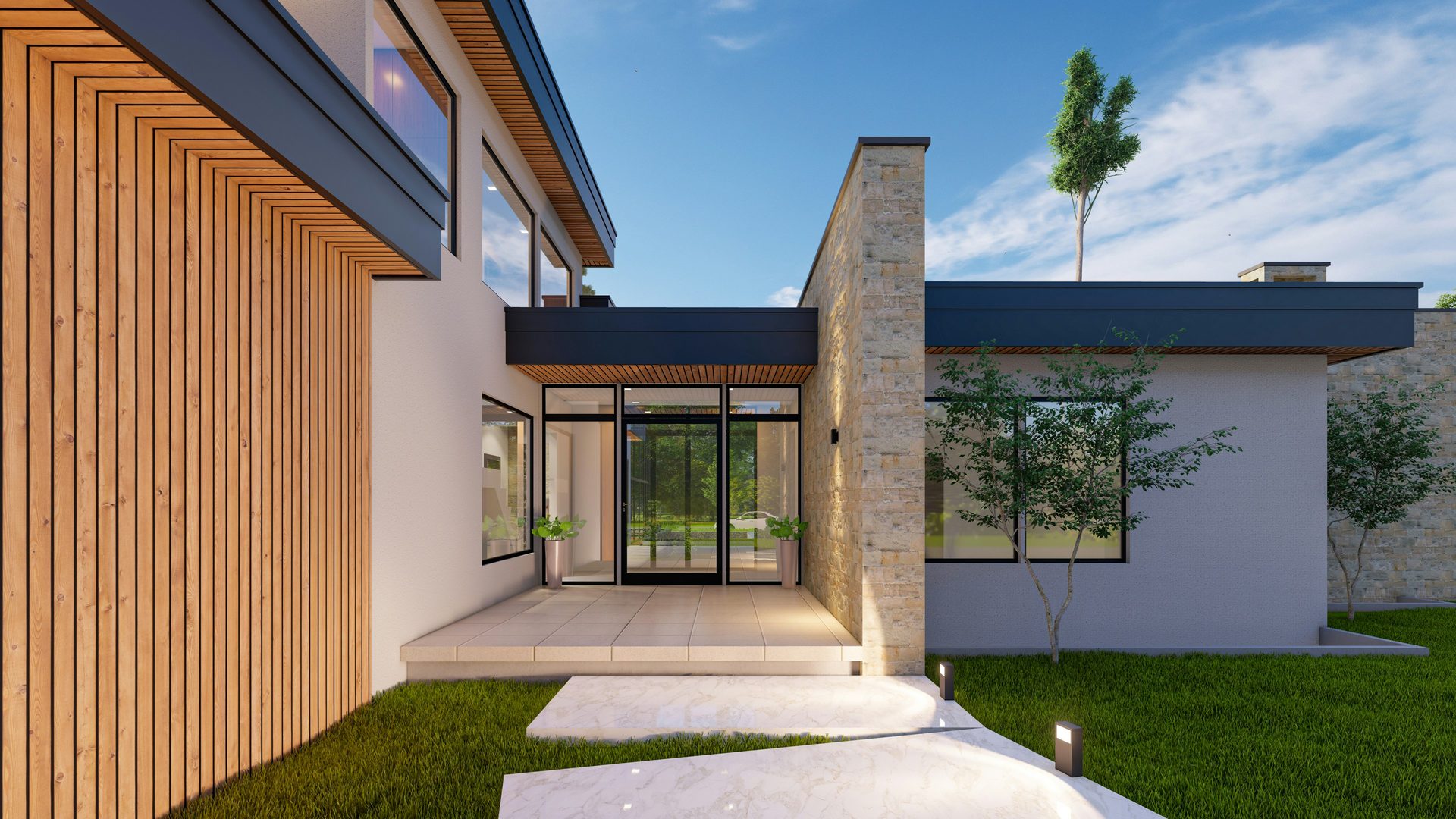
Victoria, BC is one of the most desirable places to live in Canada — and one of the most expensive places to build. Between high land values, skilled-trade labour costs, and strict permitting requirements, the total price of a new home on Vancouver Island can catch even well-prepared buyers off guard.
If you’re seriously considering building rather than buying, understanding where every dollar goes is the first step toward a realistic budget. This guide breaks down the full cost to build a house in Victoria, BC, from raw land to final finishes, so you can plan with confidence.
Average Cost to Build a House in Victoria, BC
As of 2025, the average cost to build a custom home in Victoria ranges from $325 to $500 per square foot. That range covers construction costs only — it does not include land, permits, utility connections, or landscaping, all of which add substantially to your total investment.
On average, a high-quality, custom-built home in Victoria will cost $400–$650 per square foot and up, depending on a number of factors. Based on those numbers, building a 2,000 square foot home in Victoria, BC would cost between $800,000 and $1.3 million.
For a broader sense of scale, in Nanaimo and Victoria, the estimated cost to build a 3,000 sq ft house ranges from $825,000 to $1,050,000. Keep in mind that these figures represent construction costs alone and do not factor in land acquisition.
Important Note: All dollar figures in this article are in Canadian dollars. Exchange rates will affect costs for buyers working in other currencies.
The higher end of the cost range is closer to reality for most projects in 2025 due to typical house size and the new reality of material prices since the pandemic. If you’ve seen lower estimates from older sources, treat them with caution — prices for materials, labour, and land have gone up significantly in the last decade, especially in the last three to five years, and figures from even a few years ago may not be relevant in 2025.
Cost to Build a House Per Square Foot in Victoria, BC
Per-square-foot pricing is the most common way builders and homeowners estimate construction budgets, but it’s important to understand what that number does — and doesn’t — include.
A basic finish or starter custom home in Victoria runs approximately $325–$375 per sq ft, while a mid-range custom home falls in the $375–$450 per sq ft range. Luxury finishes, complex rooflines, or premium materials push costs well above $500 per sq ft.
| Build Type | Cost Per Sq Ft (CAD) | Estimated Total (2,000 sq ft) |
|---|---|---|
| Basic / Starter Custom | $325 – $375 | $650,000 – $750,000 |
| Mid-Range Custom | $375 – $450 | $750,000 – $900,000 |
| High-End Custom | $450 – $650 | $900,000 – $1,300,000 |
| Luxury / Ultra-Custom | $650+ | $1,300,000+ |
Using cost per square foot to build a house is a useful starting point, but it can mislead when treated like a quote. Smaller homes can cost more per square foot because kitchens, bathrooms, and mechanical systems do not scale down proportionally, and design complexity, higher ceilings, and premium finishes can raise the per-square-foot figure quickly.
Pro Tip: A two-storey home typically costs less per square foot than a single-storey rancher of the same total area, because the foundation and roof footprint are smaller relative to the total living space.
Cost Breakdown: What You’re Actually Paying For in Victoria, BC
A new home build in Victoria involves a long list of line items that go far beyond lumber and drywall. Here’s where your money actually goes.
Foundation

Foundation costs typically run $15,000–$25,000 and include excavating, form setting, pouring, and backfilling. The type of foundation — slab, crawl space, or full basement — can significantly affect the cost. On Vancouver Island, soil conditions and proximity to rock or water can also drive this number higher.
Framing
Framing typically costs $20,000–$50,000, and as lumber prices fluctuate, so will the cost of framing your new custom home. US-Canada trade tariffs introduced in 2025 have added additional uncertainty to softwood lumber pricing, which is worth discussing with your builder before locking in a budget.
Major Systems: Electrical, Plumbing, and HVAC

Major system installation — including air, electricity, and plumbing — typically runs $30,000–$75,000. HVAC systems for a new home can cost from $13,000 to $17,000, covering the central heat pump, heat recovery unit, and ventilation. Victoria’s mild climate makes heat pumps a popular and energy-efficient choice.
Exterior Finishing
Roof, windows, doors, and siding typically cost $40,000–$60,000. The exterior protects the house from the elements, so quality is key. High-end materials like metal roofs, triple-glazed windows, or custom doors can increase costs but also offer durability and energy efficiency.
Interior Finishing
Flooring, fixtures, cabinetry, and painting generally run $50,000–$175,000. Interior finishing allows you to customize your living spaces, and costs can vary widely based on the materials chosen. Hardwood floors, granite countertops, and designer lighting fixtures add to the expense, while standard options can help manage the budget.
Outdoor Areas
Adding a garage, porch, or deck brings extra functionality to your home, and costs typically range from $10,000–$50,000. Landscaping can range from $5,000 to $100,000, covering everything from basic lawn installation to elaborate projects with trees, shrubs, walkways, and garden features.
Permits and Regulatory Costs
In British Columbia, the cost of permits for building a new home varies depending on the municipality. On average, you can expect to pay between $4,000 and $6,000 for the required permits. The permit fee spectrum in BC is broad, from a few thousand to several hundred thousand dollars, and these permits are not optional — skirting them will result in hefty fines or other penalties.
General Contractor Fees
A major expense is the cost of a general contractor. Depending on the size of a project, a general contractor will charge between 10% and 15% of the build costs to complete your home. Labour overall typically consists of about 30%–60% of your total budget.
Key Insight: Materials account for roughly 30%–50% of your total build budget. Your choice of interior and exterior finishes will have the second biggest impact on your overall costs after labour.
Cost of Land in Victoria, BC
Land is often the single largest line item in a Victoria build budget — and one of the hardest to control. In BC’s cities, high land values are driven primarily by limited availability, restrictive zoning, and strong market demand in desirable locations. Land in metropolitan centres or popular suburban towns can surpass the cost associated with constructing a custom home.
In Victoria, residential land typically costs $400,000 to $1.2 million depending on proximity to downtown. Lots closer to the Victoria core, waterfront properties, or parcels in established neighbourhoods like Oak Bay or Saanich command the highest premiums.
The challenge for prospective buyers and developers is that the land that remains available often comes with high costs and stringent conditions. These regulations can make it difficult to find small lots that can be developed or used for residential purposes, especially in the more desirable locations near downtown Victoria.
Site preparation costs also vary widely. Once you’ve zeroed in on a property, you have to consider the costs of site preparation. If you’re building in an established neighbourhood, site prep costs could be fairly low, as most services like hydro and water are likely already in place. However, if you’re building in a new or remote location, or on a larger lot, simply leveling the build site could run you thousands of dollars before you even start to dig a hole for the foundation.
Similarly, the cost of having utilities, sewer, or cable lines pulled onsite can take up a considerable part of your budget, so it’s important to understand what’s included with each piece of land. If you’re exploring other types of residential structures, land and utility costs follow many of the same principles.
Factors That Affect Building Costs in Victoria, BC
No two builds are priced the same. Several variables can push your project well above or below the average range.
- Location within Greater Victoria: Lot sizes can vary widely depending on the location, and the value of those lots per square foot can also change greatly. For example, a couple of acres in the Highlands may be much cheaper than a half-acre lot in Uplands.
- Home size and design complexity: When it comes to design affecting cost, it’s not just about high-end finishes — it’s about the engineering and structure of the home itself. Minimizing exterior corners, simplifying rooflines, and keeping the overall footprint efficient can make a significant difference in construction costs without changing the look and feel you want.
- Custom vs. spec home: A house built for a quick sale is planned to address as many people in the market as possible, often omitting special features that are carefully considered in a custom home. Custom homes are designed and built to meet the unique needs and preferences of the owner, often incorporating specific features like extra sound insulation, specialized materials, or unique design elements that impact the overall cost.
- Material choices: Finishes such as flooring, fixtures, cabinetry, countertops, paint, window coverings, and tile work can significantly increase the cost of building a house in BC. The type and preferred quality of finishes are among the costliest aspects of building a house.
- Labour market conditions: Labour shortages can impact construction timelines and wages. Skilled tradespeople such as electricians and plumbers often command higher rates due to demand.
- Tariffs and material supply chains: The coming years should be approached with caution, as the 2025 Altus Group cost guide does not account for the potential impacts of tariffs on construction costs. Considering the state of trade between the United States and Canada, it is reasonable to assume that builders’ costs will be affected.
Common Mistake: Underestimating contingency. A reasonable expectation is that costs will come in 10% higher than you had planned for. Build that buffer into your budget from day one.
Building vs. Buying a House in Victoria, BC
Before committing to a new build, it’s worth comparing what you’d get for the same money on the resale market. Victoria’s existing home prices give you a direct reference point.
The MLS Home Price Index benchmark value for a single family home in the Victoria Core in March 2025 was $1,344,900. The benchmark value for the same home in March 2026 decreased by 1.1 per cent to $1,330,200, up from February’s value of $1,307,400.
That means a resale single-family home in the Victoria core costs roughly $1.33 million as of March 2026 — a figure that sits within the same range as a custom new build when land is included. The trade-off comes down to control, condition, and timing.
| Factor | Building New | Buying Existing |
|---|---|---|
| Design control | Full customization | Limited to renovations |
| Move-in timeline | 12–24+ months | 30–90 days typical |
| Upfront costs | High (land + build) | Purchase price + closing costs |
| Maintenance risk | Low (new systems) | Higher (older systems) |
| Energy efficiency | Built to current code | Varies by age |
| Property Transfer Tax | May apply to land | Applies to purchase price |
When buying an existing home, realtor commissions typically amount to 7% of the first $100,000 and 2.5% on the remainder, and legal fees range from $1,500 to $3,000. BC’s Property Transfer Tax (PTT) is a major expense that many buyers overlook. You’ll pay 1% on the first $200,000, 2% on the portion from $200,001 to $2 million, and 3% on amounts over $2 million.
On the financing side, building a home requires a different approach than a standard purchase mortgage. Expect to put down 25%–30% as a larger initial payment. Completion mortgages release funds at the end of the build, making this option straightforward but requiring upfront capital. Progress-draw mortgages disburse funds at various stages, ensuring smoother cash flow during the build process, and may come with more paperwork but offer flexibility.
Building makes more sense if you want complete control over design and materials, have flexible timelines and stable finances, enjoy project management and decision-making, and are planning to stay long-term — ten or more years. If you’re also weighing housing costs in other markets, it can be useful to compare with apartment costs in nearby Seattle or explore what renting in San Francisco looks like as an alternative.
How to Save Money When Building a House in Victoria, BC
Building in one of Canada’s most expensive markets doesn’t mean you have to spend at the top of every range. Strategic decisions made early in the process can reduce your total cost significantly.
- Simplify your design: Minimizing exterior corners, simplifying rooflines, and keeping the overall footprint efficient can make a significant difference in construction costs without changing the look and feel you want as a homeowner. A two-storey footprint is generally more cost-efficient than a sprawling single-storey layout.
- Choose finishes strategically: To reduce costs, you may consider alternatives to custom millwork, such as laminate flooring, prefabricated cabinets, recycled glass, and vinyl window coverings. By choosing these options, you can still add character, style, and appeal to your house while keeping the costs down.
- Invest where it matters most: Don’t sacrifice important details like proper insulation, windows, doors, and roofing. Investing more now will save you money in the long run on your custom home project.
- Get multiple contractor quotes: With a plan in hand, you’ll want to meet with several contractors to get an idea of what you’re looking at for square footage costs, and how much they’re going to charge you for the build. Prices vary meaningfully between contractors even for similar scopes of work.
- Use pre-made plans: A lower-cost alternative to a fully custom design is to buy a pre-made design and set of plans. This can reduce architect and design fees while still giving you a home that fits your needs. You can also explore smaller accessory structure builds if you’re considering adding outbuildings to your property.
- Hire an experienced construction manager: A construction manager working 3–4 hours a day at $120–$150/hr for the duration of the build may seem costly at first, but hiring the best professionals will help manage and minimize costs. They smooth the progress of tough decisions and can support you in saving money by avoiding potential mistakes and costly changes.
- Plan for overruns: Build a contingency of at least 10%–15% into your budget before you break ground. Unexpected soil conditions, permit delays, or design changes mid-build are common and can derail a tight budget quickly.
Pro Tip: With good planning and the right expertise, you can strike the perfect balance between aesthetics and smart building practices. Locking in your design decisions before construction begins is one of the most effective ways to prevent costly mid-project changes.
If you’re weighing the Victoria housing market against other Canadian and North American cities, it helps to understand what housing costs look like elsewhere. You can compare renting versus owning in markets like Honolulu, Miami, or Manhattan to put Victoria’s costs in a broader context. For Canadian comparisons, markets like Washington, DC and Las Vegas show how dramatically housing costs can vary across North America.
Building a house in Victoria, BC is a significant financial undertaking — but with a realistic budget, the right team, and a clear-eyed view of the full cost picture, it’s entirely achievable. The key is starting with accurate numbers, not optimistic ones, and planning every stage of the process before the first shovel hits the ground.